Acne Studios now: where the house stands
The grey melange sweatshirt hanging in the Stockholm flagship — oversized, raw-edged, no logo save for a sewn-in label at the nape — has been in production, with minor adjustments, since 2008. It costs €290. One suspects it will still be there in 2028, priced higher, cut marginally looser, and still moving units at a pace that would embarrass most of the industry's noisier names. This is not romance. It is arithmetic.
Acne Studios occupies an unusual position in the contemporary landscape: neither heritage house nor insurgent label, neither mass nor rarefied. It is, on balance, a Swedish design studio that became a fashion company by accident and has spent the past two decades working out what that means. The answer, as of 2025, appears to be calculated restraint married to significant commercial ambition. Whether those two forces can coexist indefinitely is the question hanging over the maison now.
The founding mythology, briefly
Jonny Johansson founded Acne — an acronym for Ambition to Create Novel Expressions, a name no one uses in full — in 1996 as a creative collective. The fashion arm emerged from a run of raw-denim jeans with red stitching, given to friends, then sold, then produced at scale. By 2006, the studio had formalised into a label. Johansson, trained as a graphic designer, brought a sensibility that leaned toward reduction: muted palettes, oversized silhouettes, an aversion to ornament. The Scandinavian minimalism that followed — COS, Arket, the broader Nordic design export — often gets conflated with Acne's early work, but the chronology matters. Acne was there first, and its vocabulary was drier, more art-school, less interested in the idea of timelessness than in the idea of now.
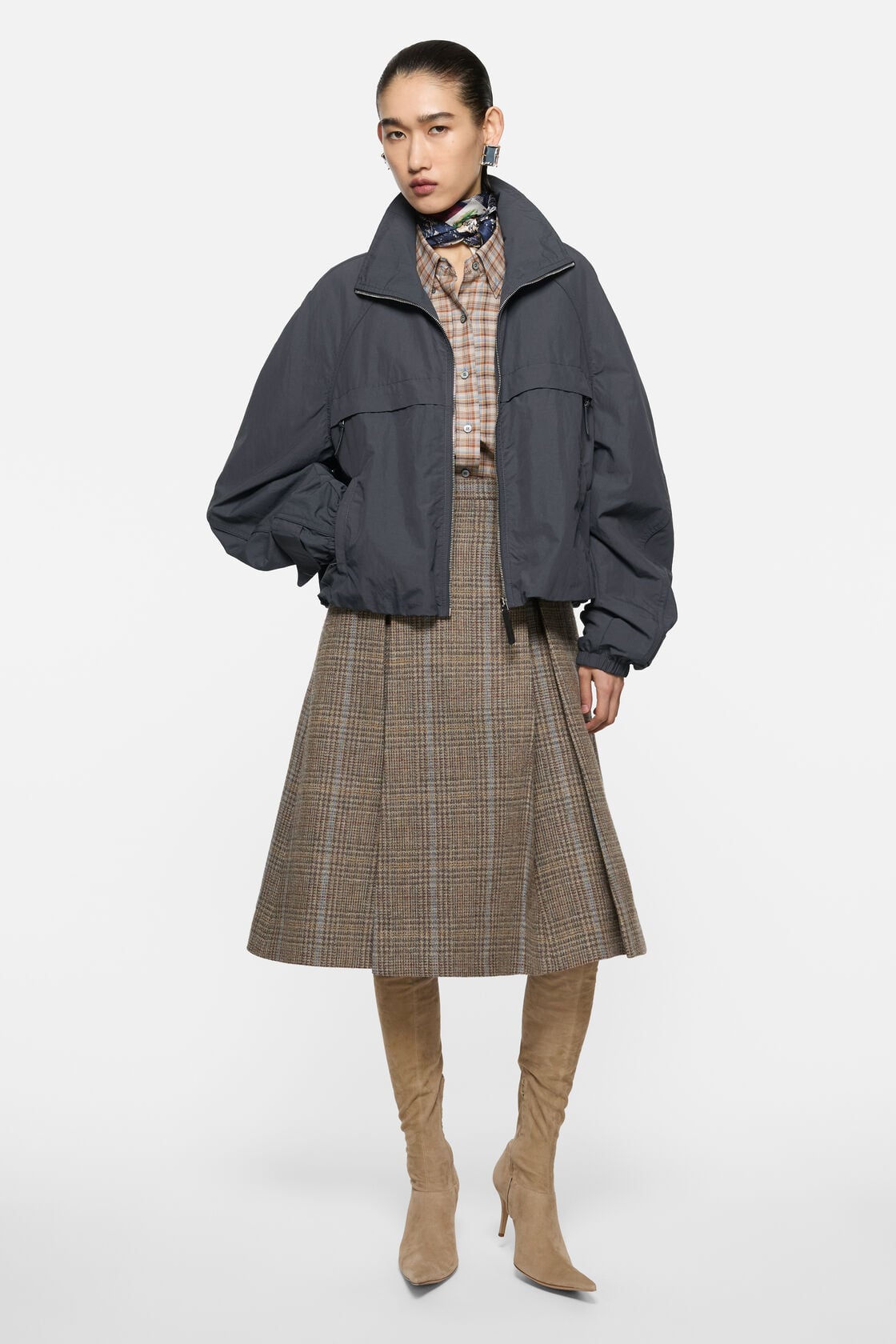
The defining era ran roughly from 2010 to 2018. Collections during this span — particularly the women's line — leaned into exaggerated proportions and tonal dressing. A charcoal wool coat might run to mid-calf, cut with dropped shoulders and no visible closures. Trousers pooled at the ankle. Knitwear came oversized but never sloppy, the gauge tight, the finishing clean. Colours stayed within a narrow band: grey, black, navy, the occasional rust or forest green. Johansson's references were oblique — Helmut Lang, Martin Margiela, the Antwerp Six — but the output felt less like homage than like a parallel conversation. The house built a following among a specific demographic: art directors, architects, the kind of person who owns three versions of the same trouser in different weights.
In 2015, the Canadian private equity firm Brentwood Associates acquired a majority stake. The sale was quiet, the terms undisclosed. Johansson remained as creative director. The collections continued. For a time, little appeared to change.
The current direction, and its discontents
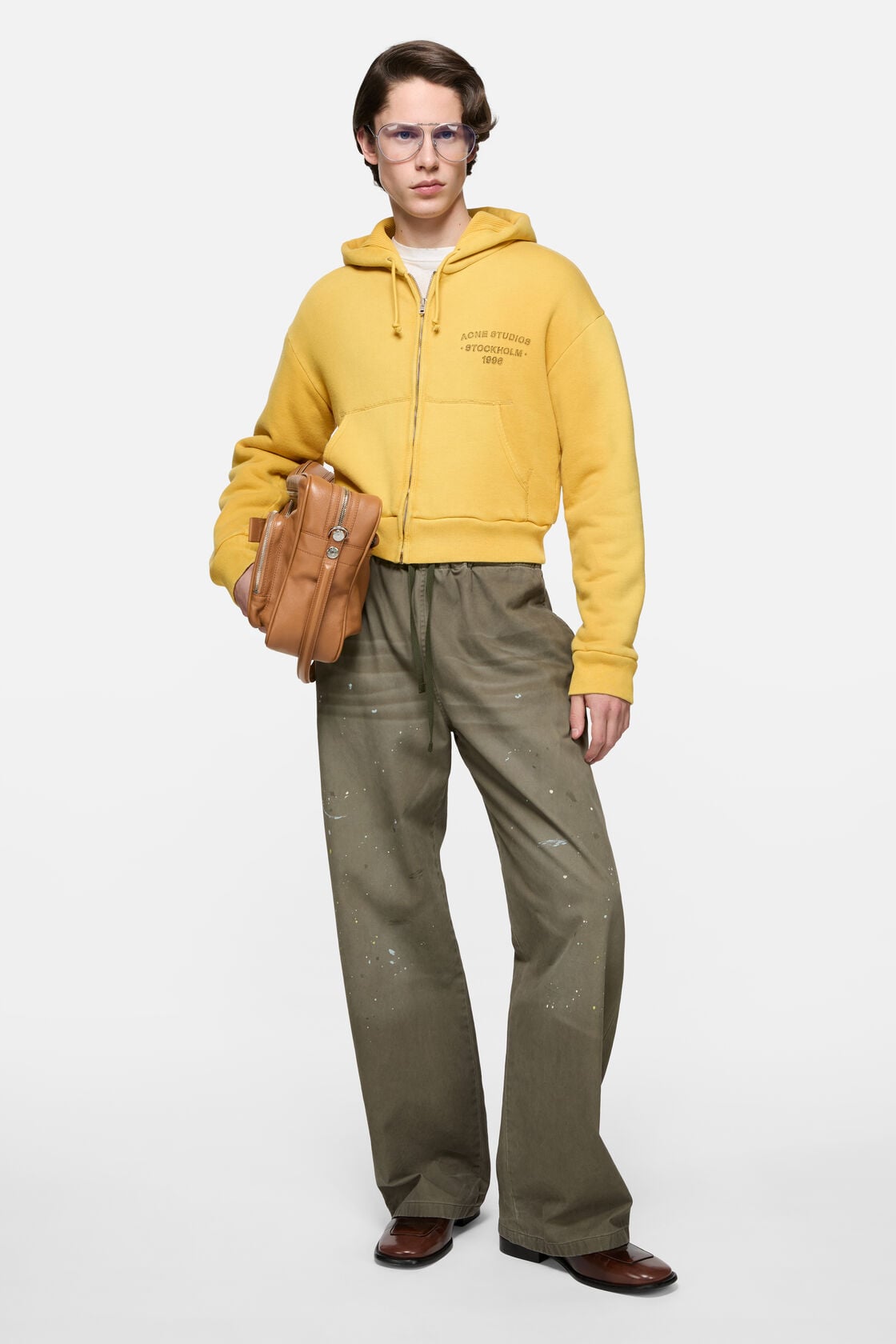
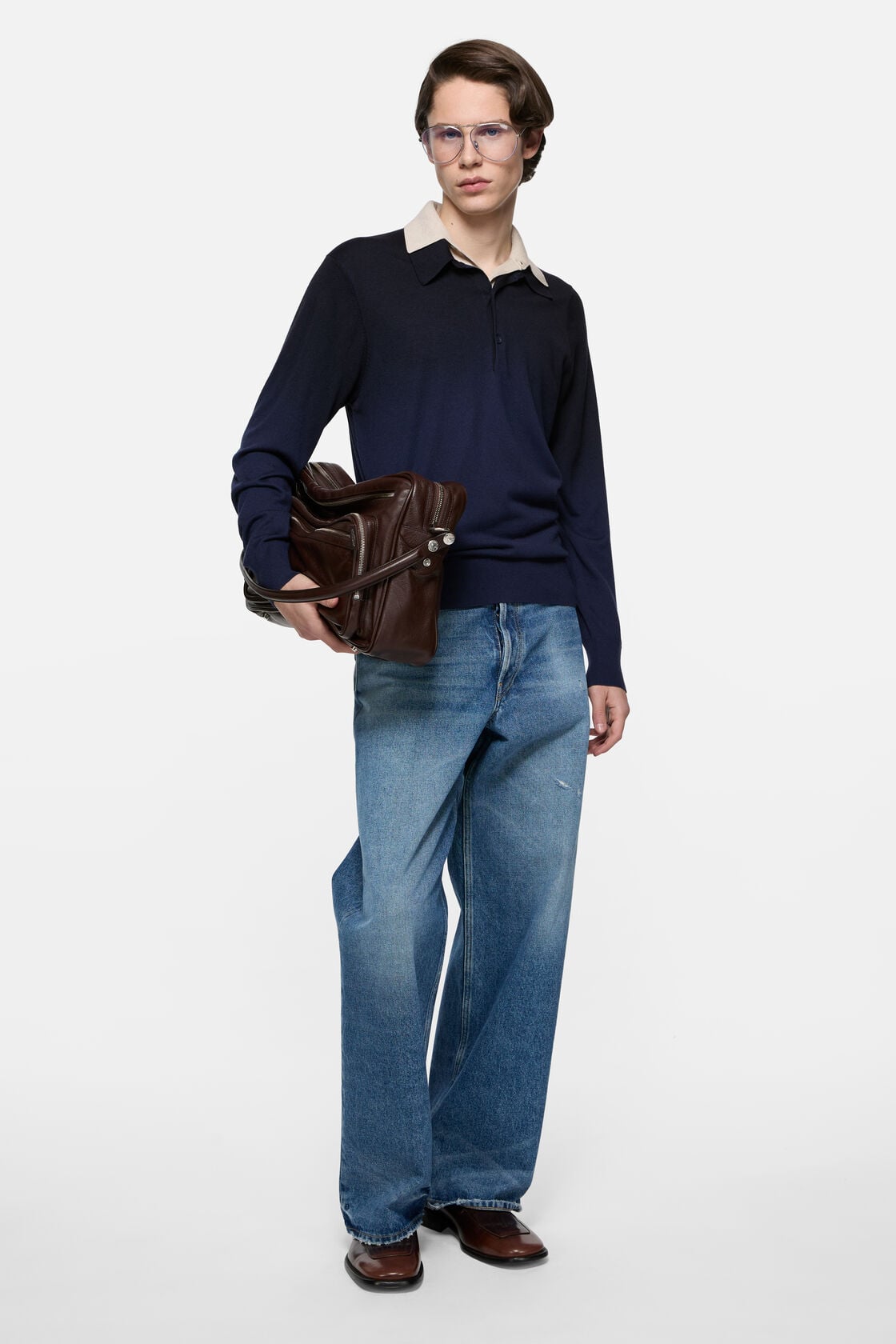
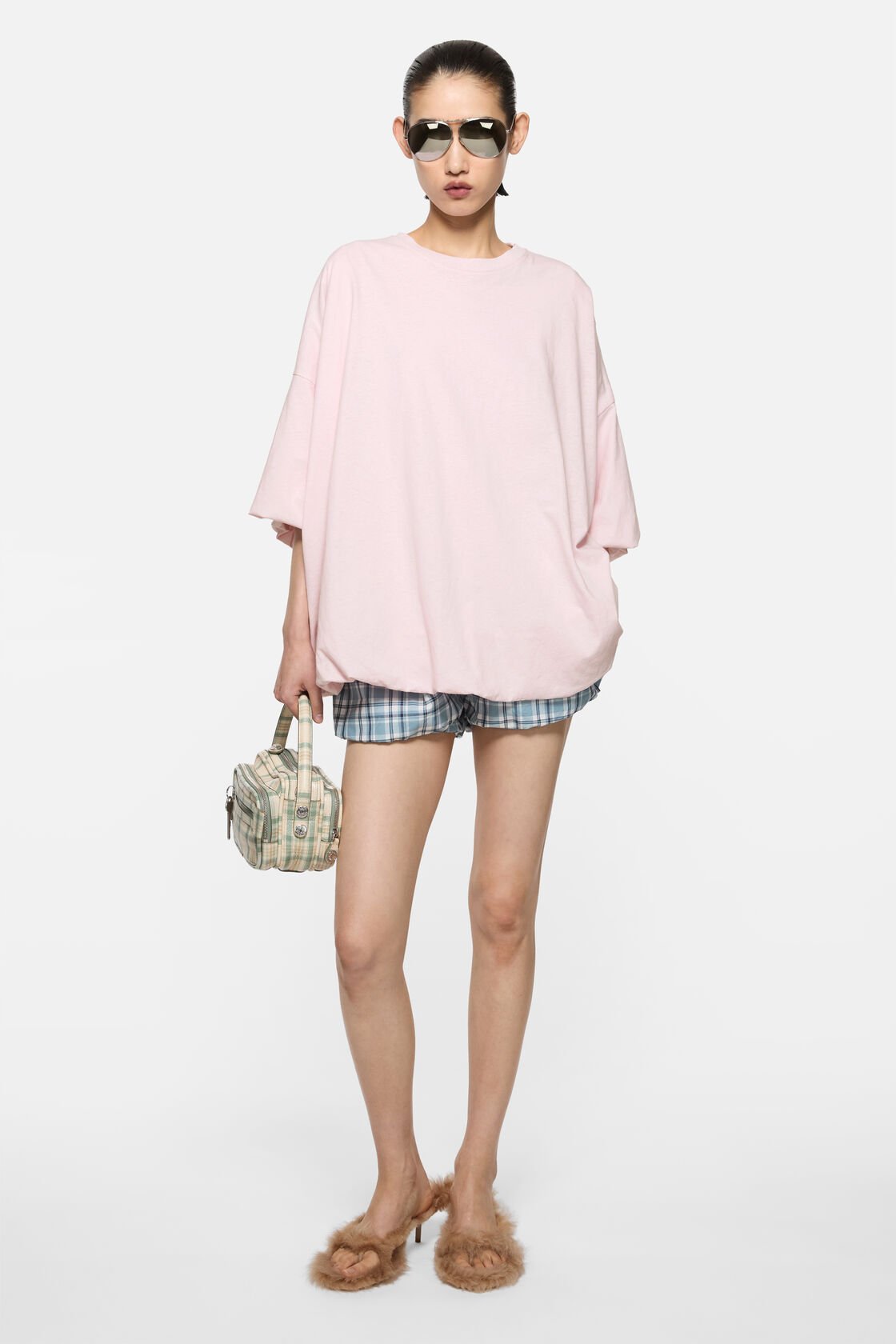
Johansson is still at the helm. The autumn/winter 2025 collection, shown in Paris this past March, opened with a series of tailored separates in charcoal wool — blazers cut long, trousers cut wide, the proportions familiar to anyone who has followed the house for more than a season. What followed was a study in controlled variation: leather trench coats in oxblood, oversized knits with exaggerated ribbing, denim treated to look faded but not distressed. The palette remained muted. The silhouettes remained loose. The show notes referenced "emotional pragmatism," a phrase that means little and suggests much.
The response was mixed. Some critics praised the consistency. Others used words like "stagnant." The tension is real. Acne's visual language has remained largely unchanged for fifteen years, which can read as either discipline or inertia depending on one's perspective. Johansson has spoken in interviews about the importance of "not chasing trends," but the line between conviction and complacency is thinner than the house's defenders might admit.
Sales tell a different story. Acne Studios reported revenue of approximately €350 million in 2023, up from €280 million in 2020. The growth has come largely from accessories — particularly the Musubi bag, a knotted leather design introduced in 2018 that has become the house's first genuine commercial anchor. The bag retails for between €950 and €1,400 depending on size and material, and it moves. One sees it on the streets of Paris, London, Seoul — not ubiquitous, but present. The sneaker category has also expanded, with chunky-soled styles that nod to the ugly-shoe trend without fully capitulating to it. Ready-to-wear still accounts for the majority of revenue, but accessories are closing the gap.
The flagship network has grown as well. Acne now operates over fifty stores globally, with significant presence in Asia. The Seoul location, opened in 2022, is the largest in the network — a three-storey space in Cheongdam-dong with interiors by the Stockholm-based firm Arquitectura-G. The aesthetic is consistent across locations: poured concrete, steel fixtures, minimal signage. It reads as gallery, not boutique, which is the intent.
The ownership question, and what it means
The Brentwood stake was sold in 2018 to the London-based investment firm Fairfax Financial Holdings, which took a minority position. Johansson and the founding team retained control. In 2023, however, Fairfax increased its holding to 70 percent. The house remains privately held, and the exact terms have not been disclosed, but the trajectory is clear: Acne is being positioned for further growth, likely toward an eventual exit. Whether that exit involves a luxury conglomerate or a public offering is unclear. What is clear is that the house is under pressure to scale.
This creates a bind. Acne's appeal has always rested on a kind of insider credibility — the sense that it operates slightly outside the luxury mainstream, that it serves a knowing audience. Expansion risks diluting that. The Musubi bag is instructive here. It is commercially successful precisely because it is legible: a clear silhouette, a recognisable detail, a price point that signals luxury without requiring a second mortgage. But it is also, in a sense, un-Acne — too direct, too obvious. The house built its reputation on pieces that required a second look. The Musubi does not.
Johansson has navigated this tension by doubling down on consistency. The collections do not chase trends, but they also do not surprise. The risk is that consistency becomes predictability, and predictability becomes irrelevance. One notes that the house has not produced a breakout collection in several seasons. The autumn/winter 2025 show was competent, well-made, and largely forgettable. That may be enough to sustain the business in the short term. Whether it is enough to sustain the mystique is another question.
Where the house stands
Acne Studios is, at present, a study in managed ambiguity. It is large enough to matter commercially but small enough to retain a certain credibility. It is profitable but not dominant. It is consistent but not stagnant, depending on whom one asks. The house occupies a middle ground that is increasingly rare in the luxury sector, where brands tend to be either conglomerate-owned juggernauts or struggling independents. Acne is neither, and that in itself is notable.
The challenge ahead is one of direction. The Johansson era has now stretched across three decades. The vocabulary he established — muted, oversized, oblique — has been absorbed into the broader design conversation. What was once distinctive is now familiar. The question is whether Acne can evolve without abandoning the qualities that made it matter in the first place. The house has not yet answered that question, and one suspects it may not need to for another few years. The sweatshirt is still selling. The Musubi is still moving. The stores are still opening.
But stand in the Stockholm flagship and look at that grey melange sweatshirt — the one that has been there since 2008, the one that costs €290, the one that will likely be there in 2028 — and ask yourself whether you can see the seams starting to show. The stitching is still clean. The fabric is still sound. But the garment has been worn a long time, and at some point, even the best-made things begin to fray.