Alexander McQueen's overlooked codes
There is a pair of trousers in the Alexander McQueen archive—bumster-cut, naturally—with a waistband so low the first house sample came back unwearable. Lee McQueen sent it back with a note: lower. The trousers appeared in his 1993 graduate collection. They reappeared, in various cloth weights and silhouettes, for the next seventeen years. Most people remember the skull scarves. The bumster is the thing that changed how tailoring sat on the body.
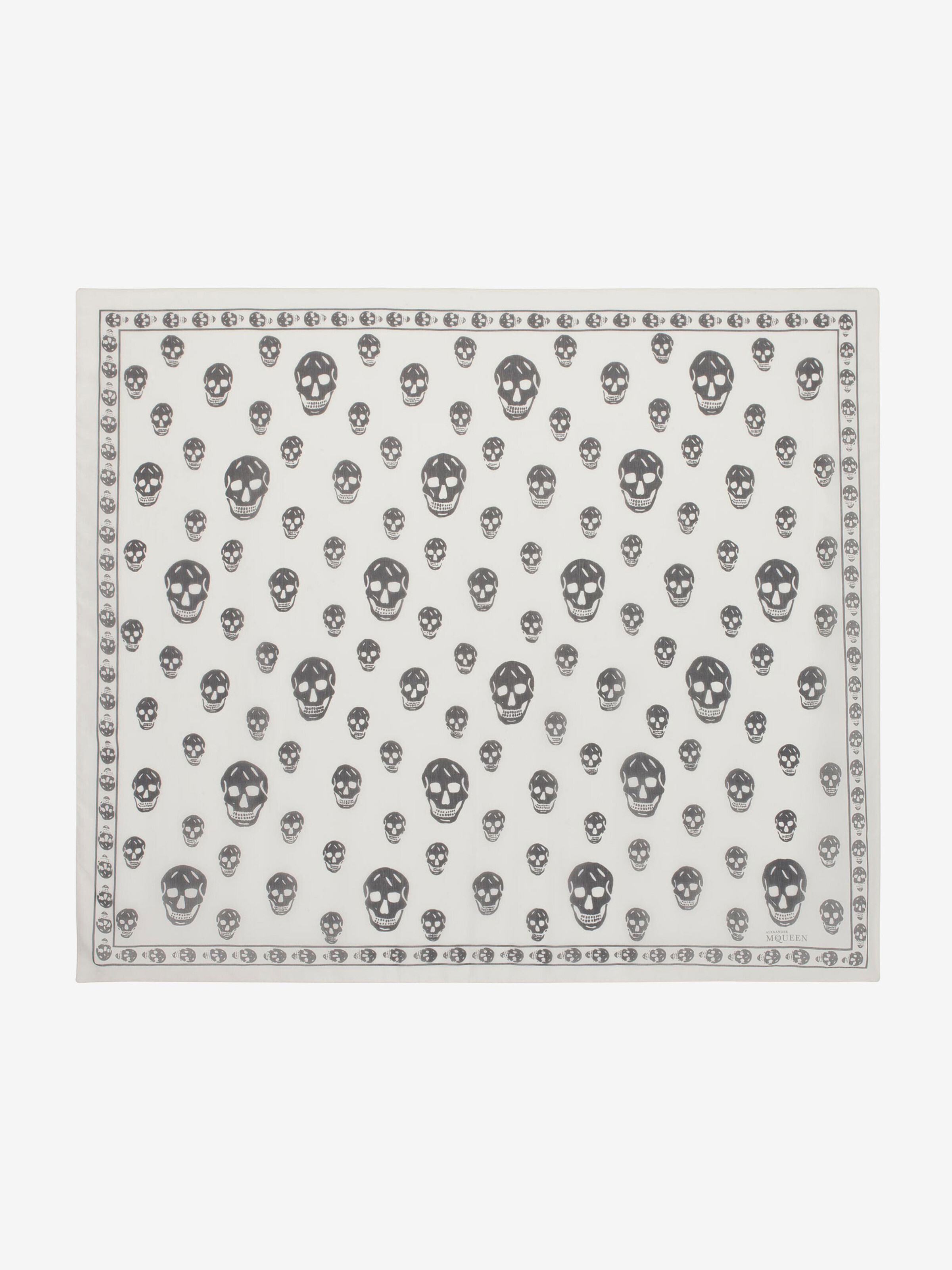
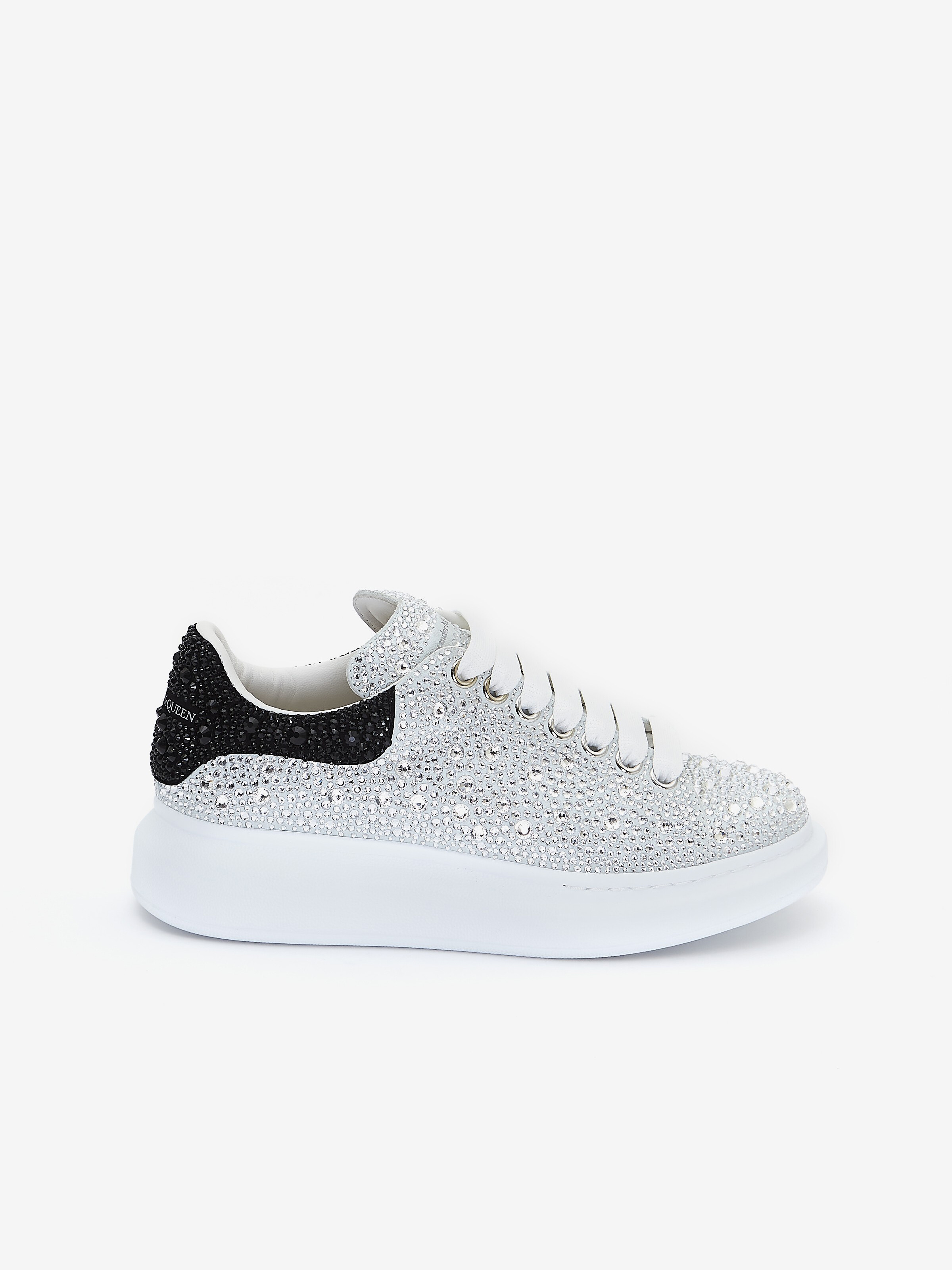
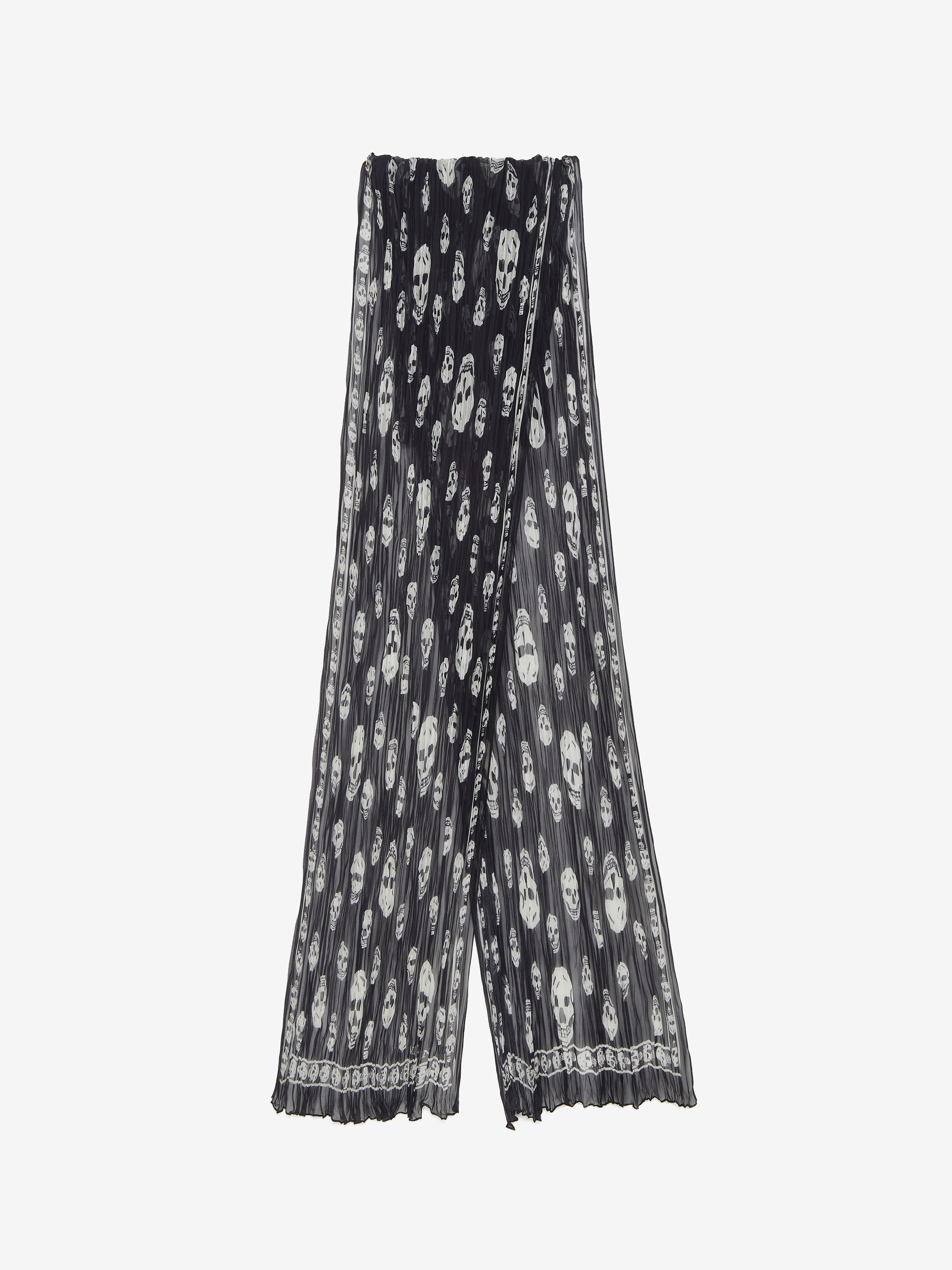
This is the problem with posthumous fame. The accessible codes—the Knuckle clutch, the Oversized sneaker, the skull motif—have become the house's public face. They sell. They photograph well on a pavement in Milan. But McQueen's actual vocabulary, the grammar he used to rebuild British tailoring from the inside out, remains quietly operative in every collection Sarah Burton designs. You just have to know where to look.
The Savile Row defector
McQueen trained at Anderson & Sheppard, then Gieves & Hawkes. He learned to cut a sleeve head that required no padding, to shape a shoulder with nothing but steam and tension. He absorbed the house style—soft, natural, unshowy—and then spent the next two decades systematically inverting it. The bumster dropped the waistline four inches and forced every jacket, every shirt, every coat to reckon with a new centre of gravity. Tailoring had been about the shoulder. McQueen moved the axis south.
The technique stayed. Even his most theatrical pieces—the spray-painted dress, the hologram, the prosthetic antlers—were built on foundations he learned at sixteen, working in a basement on the Row. He could cut a one-piece sleeve. He could true a lapel by hand. The difference was that he used those skills to build clothes that looked like they were eating the wearer, or being eaten by her.
His 1996 show, Dante, opened with a model in a frock coat so long the hem pooled on the runway. The coat was impeccably constructed: full canvas, handworked buttonholes, a collar that rolled without a single pucker. It also had a six-foot train and shoulders built like a bird of prey. This was McQueen's method. Learn the rules in the most conservative tailoring houses in London, then use them to make something that looked like it had crawled out of a shipwreck.
The codes that didn't need a name
Burton took over the house in 2010. She had been McQueen's right hand for fourteen years. She knew the archive, the techniques, the unspoken rules. What she didn't do—and this is the part that often gets misread—is soften the house. She clarified it.
The bumster is still there. It appears now as a slightly lowered waistband on a pencil skirt, or as the point where a peplum jacket breaks away from the body. The silhouette is less aggressive, but the principle holds: McQueen believed the waist was a lie, and Burton has never argued otherwise.
The tailoring, too, remains foundational. Every collection includes at least one piece that could have come off the Row, if the Row had ever employed someone interested in making a woman look like she could dismantle you with one hand. Burton cuts her jackets with a nipped waist and a strong shoulder, but the shoulder is built with internal structure, not padding. The effect is sharpness without bulk. A McQueen blazer doesn't add width. It reorganises what's already there.
Then there is the question of embroidery. McQueen used embellishment the way other designers used darts: as a structural element. His 2008 collection, The Girl Who Lived in the Tree, featured gowns so heavily embroidered they could stand on their own. The embroidery wasn't applied to the surface. It was the surface. Burton has kept this approach. Her evening pieces often begin as flat patterns that are embroidered, beaded, and appliquéd before they're cut. The construction happens twice: once in thread, once in cloth.
This is not the sort of detail that makes it into campaign imagery. It doesn't translate to product shots. But it is the reason a McQueen gown photographs differently from everything else in the room. The light doesn't bounce off the surface. It gets caught in it.
What the house is now
Burton's McQueen is not Lee's McQueen. It was never going to be. But it is also not a diluted version, or a safer one. It is a house that has decided which codes matter and which were only ever about one man's biography. The bumster matters. The tailoring matters. The embroidery-as-structure matters. The shock value—the blood, the aggression, the models who looked like they might actually hurt you—does not.
This has made Alexander McQueen commercially successful in a way it never was under its founder. The Oversized sneaker is now the house's best-selling product. The Knuckle clutch has been in continuous production since 2010. These are not quiet pieces. But they are also not the whole story.
Walk into a McQueen store and look past the logo goods. There is usually a tailored jacket on a back rail, cut with a waist so sharp it looks like a typo. There is usually a skirt with a waistband that sits two inches lower than it should. There is often a piece of embroidery that, if you look closely, is holding the entire garment together. These are the codes. They don't announce themselves. They don't need to.
The coat that explains everything
Burton's autumn 2023 collection included a single-breasted coat in charcoal wool. The cut was classic: notched lapels, three buttons, a length that ended just above the knee. The waistband sat low. The shoulders were built with canvas and horsehair, shaped entirely by hand. The lining was finished with the same precision you'd find in a bespoke commission from Huntsman.
It was, by McQueen standards, almost boring. No embroidery, no drama, no subversion you could photograph. Just a coat that fit like it had been made for one person and one person only, even though it was a size 40 on a rail in a shop on Bond Street.
That is the code. Not the skull. Not the logo. The idea that a piece of clothing can be both perfectly conventional and completely specific. That tailoring is not about making someone look like everyone else, only better. It's about making them look like a sharper version of something that didn't exist until they put it on.
McQueen learned that on Savile Row. Burton has spent thirteen years proving he was right.