Gucci, a starter primer
The Horsebit loafer sits in a Plexiglas cube at the Gucci Archive in Florence, and if you've never seen one in person — the original, not the reissue — you notice the leather first. It's thinner than what the brand uses now. Suppler. The metal hardware has weight but not the kind that announces itself. Someone wore this pair enough that the sole edge softened into an actual curve. Most archive pieces don't get worn. This one did.
Gucci makes sense when you start there. Not with the monogram or the campaigns or the Dionysus bag everyone carried in 2016, but with a loafer that entered the wardrobe and didn't announce it was staying.
What the house actually makes
Guccio Gucci opened the first shop in Florence in 1921. Leather goods, luggage, equestrian tackle. The horsebit and the stirrup motifs came from that world — not metaphorically, literally. Riders used them. The green-red-green webbing stripe came later, in the forties, a reference to saddle girths. By the fifties, the Flora scarf and the bamboo-handle bag had entered production. The Jackie bag followed in 1961, named retroactively after Onassis carried it enough that photographers stopped asking what it was.
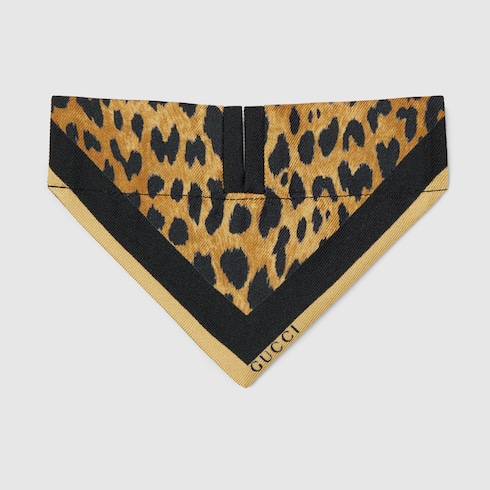
If you're buying Gucci now, you're buying into that foundation whether you want to or not. The house still makes loafers, still makes the Dionysus and the Marmont and the Jackie reissue. It makes printed silk, small leather goods with the interlocking GG, and ready-to-wear that ranges from logo sweatshirts to tailored separates that cost what tailored separates cost when they're cut in Italy.
The question isn't what Gucci makes. It's which version of Gucci you're buying into, because the archive is large and the house has spent the last decade remixing it at different volumes.
The Tom Ford era, and why it still matters
Tom Ford took over womenswear in 1994, menswear in 1996. What he did wasn't restore the house — it was turn the volume up until the whole industry had to respond. Velvet suits, satin shirts unbuttoned past the point of plausible deniability, ad campaigns that made you look twice and then a third time. The GG monogram came back, not as heritage but as currency. Ford left in 2004. The work he did is still half the reason anyone under forty knows the name.
Frida Giannini followed, then Alessandro Michele in 2015. Michele's run — the maximalist prints, the Dionysus bag, the loafers with fur, the runway shows that looked like a Florentine grandmother's attic had exploded — was what put Gucci back into the kind of revenue conversation that makes LVMH nervous. He left in 2022. Sabato De Sarno took over in 2023.
If you're looking at Gucci now, you're looking at a house in the middle of recalibrating. De Sarno's first collections leaned into a quieter, more tailored register. Less print, more construction. The Blondie bag — a new shape, top-handle, round hardware — debuted in his second season. It sold. Not Dionysus numbers, but enough that the house greenlit more colourways.
What to buy, and what it costs
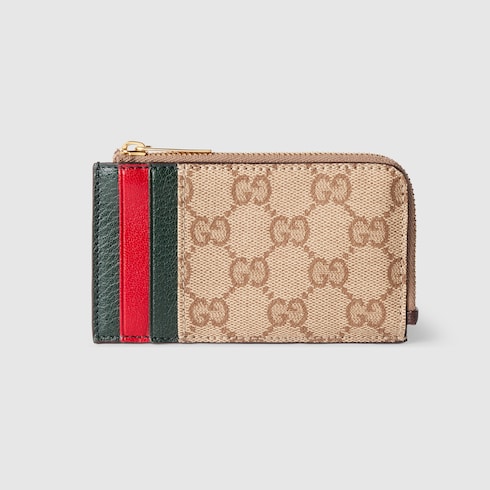
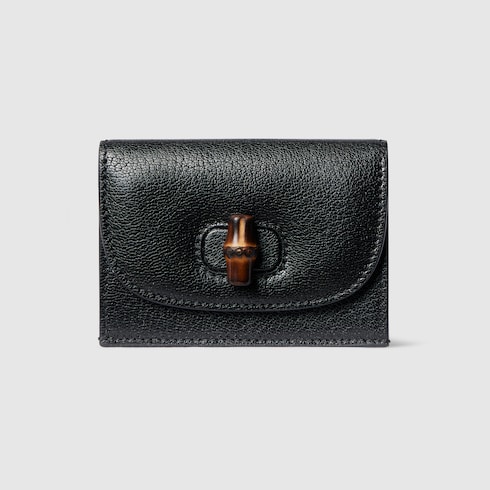
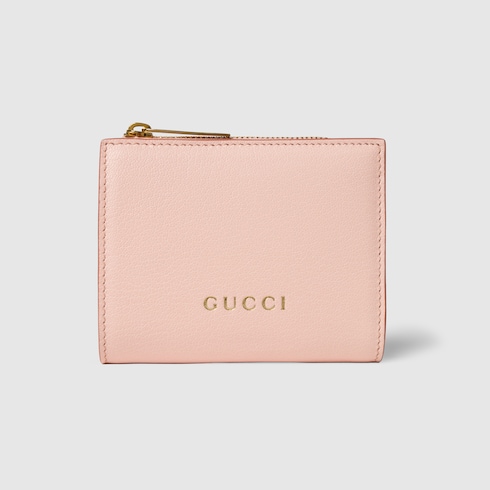
Start with small leather goods if you want to understand how Gucci handles material. A card case in grained calf runs around €250. The GG Marmont card holder, the one with the quilted chevron and the double-G hardware, sits closer to €320. You're paying for the logo, yes, but also for the fact that the leather will soften without pilling and the stitching won't pull after a year of daily pocket friction. Not all houses manage that at this price point.
The loafers are the other entry point. The Horsebit version in black leather starts around €790. Brixton, the backless mule iteration, runs €650. Both will last five years of regular rotation if you resole them once. The leather doesn't need much — Gucci still uses a vegetable-tanned finish on some of the core styles, which means the shoe will darken and crease in ways that read as wear, not damage.
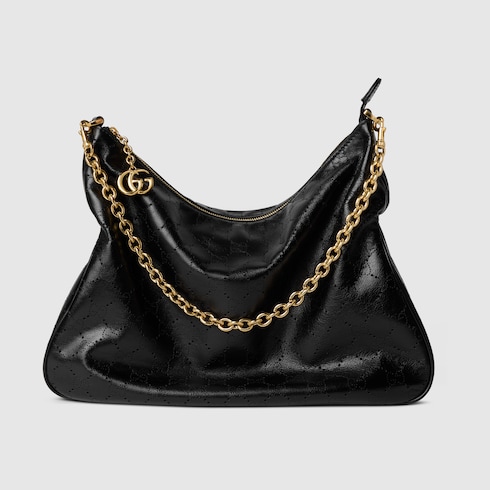
Bags: the Marmont starts at €1,600 for the small shoulder version. The Jackie 1961, the current reissue, runs €2,300 in the hobo shape, more for structured top-handle versions. Dionysus, still in production, sits between €1,800 and €2,500 depending on size and whether you want embroidery or just the tiger-head clasp on plain leather. The Blondie — De Sarno's new shape — launched at €2,100 for the medium size. It's lighter than the Marmont, less hardware, easier to wear if you don't want the bag to lead the outfit.
Ready-to-wear is where the pricing gets less predictable. A cotton jersey T-shirt with a small embroidered logo might run €450. A tailored wool blazer can hit €2,800. Silk blouses land around €1,200. Denim starts at €750 for jeans, more for embroidered or embellished versions. You're paying Italian production costs and the overhead of a house that still operates ateliers in Florence and Milan, but you're also paying the brand premium. Not every piece justifies it. The tailoring usually does. The logo tees less so.
Where the house is now
De Sarno's Gucci is quieter than Michele's, but it isn't minimal. The Spring 2025 show included wide-leg trousers in camel wool, leather blazers with exaggerated shoulders, and bags in colours — rust, slate, a particular shade of olive — that don't photograph as well as they sit in the hand. The reviews were mixed. Some called it boring. Some called it wearable. Both were right.
The house is trying to do two things at once: keep the clients who came for the maximalism and court the ones who want something that won't look like a time capsule in three years. It's a narrow lane. Gucci has the archive to pull from, the production capacity to execute, and the retail footprint to test ideas faster than most houses can. What it doesn't have yet is a clear answer to the question of what Gucci should feel like now that the Michele era is over.
If you're buying in, you're buying into that uncertainty. Which isn't necessarily bad. The Marmont bag debuted under Michele in 2016 and it's still in production, still selling, still holding value on the resale market better than most accessories from that year. The house knows how to make things that last past the moment they were designed for. Whether De Sarno can create that kind of object — something that enters the wardrobe and doesn't announce it's staying — is the question the next two years will answer.
The Horsebit loafer in the Florence archive doesn't look like much under the Plexiglas. No patina, no drama. Just a shoe someone wore until it fit. That's the version of Gucci that works. The rest is volume control.