The black dress in question is not the one you think it is
The black dress in question is not the one you think it is. Yes, Audrey Hepburn wore Givenchy in Breakfast at Tiffany's, but that gown was designed by Edith Head for the studio. The real Givenchy piece—the one Hepburn wore to the 1954 premiere—was a column with a boat neck and no waist. It moved when she moved. That is the difference.
Hubert de Givenchy opened his atelier in 1952, twenty-five years old, bankrolled by fabric samples and a loan. He had worked under Schiaparelli. He knew construction. His first collection featured separates—a blouse could be bought without the skirt—which was not how couture worked then. The house name became synonymous with a specific kind of refinement: architectural, uncluttered, designed for women who did not need clothes to announce their presence.
Hepburn was the house's longest ambassador, but she was not its only client. The Duchess of Windsor ordered from Givenchy. So did Babe Paley. The through-line was proportion—sleeves set just so, a neckline that framed the collarbone without decoration. Givenchy retired in 1995. The house has had six creative directors since.
What the house makes now
Matthew M. Williams took over in 2020. He came from Alyx, a Los Angeles label known for hardware and technical fabrics. Before that, he worked with Kanye West and Lady Gaga. His Givenchy is not Hubert's Givenchy, and the maison does not pretend otherwise. The clothes reference the archive—bow-neck blouses, slim trousers, the Antigona bag—but they also include padlock-clasp boots and jersey pieces with industrial zippers.
Current collections split into two registers. The first is tailoring: wool coats with strong shoulders, trousers cut narrow through the hip, shirts with French cuffs. These pieces hold a line. The second is streetwear-inflected: logo-print sweatshirts, nylon bombers, sneakers with exaggerated soles. Both directions share a common material language—clean seams, matte hardware, a preference for black, white, and camel.
The tension between these two modes is the house right now. Some seasons resolve it better than others. What remains consistent is the fit. Givenchy tailoring assumes a narrow silhouette. Size up if you prefer ease through the chest and waist.
The bags, which carry the business
The Antigona launched in 2010 under Riccardo Tisci. It is a structured tote with a trapezoidal base and triangle-gusset sides. The leather is stiff—mostly box calfskin—and the bag does not slouch. Sizes range from nano (evening) to large (travel). The medium Antigona, which measures 13 inches across, starts at $2,450. It is the house's bestseller.
The Voyou arrived in 2018. It has a softer hand than the Antigona, with a curved top handle and a detachable strap. The body is less rigid. Prices begin at $1,950 for the small size. The bag reads younger, though it is constructed with the same attention to edge-finishing and lining weight.
Under Williams, the house introduced the G-Hobo and the Cut-Out bag. The G-Hobo has a metal clasp shaped like the Givenchy logo; the Cut-Out features negative-space handles in leather or chain. Neither has reached the commercial presence of the Antigona, but both appear frequently in editorial. They signal direction.
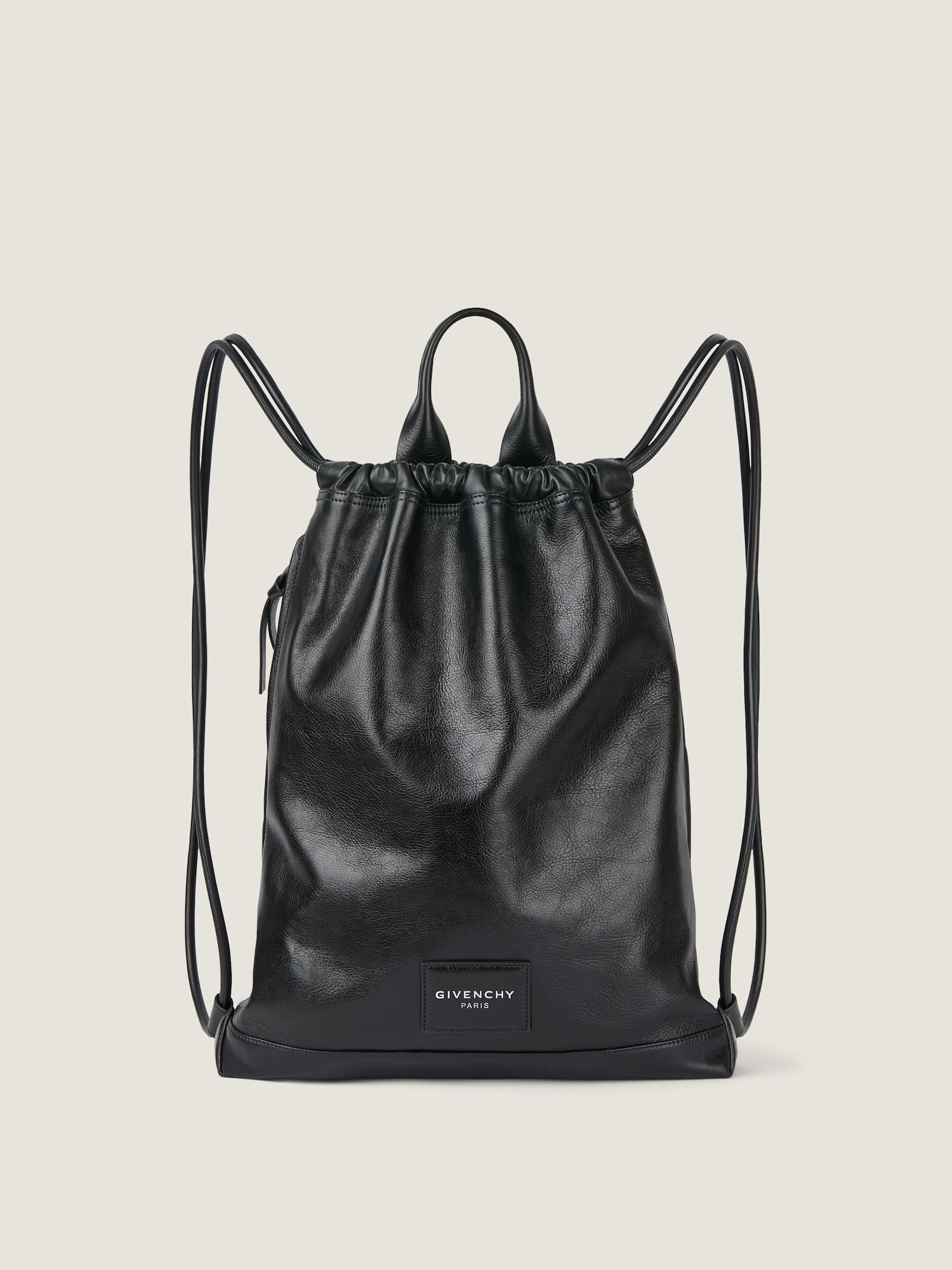
Givenchy bags do not carry overt logo treatment. The name appears as a debossed stamp or a small metal plaque. This is intentional. The structure does the work.
Shoes, scarves, and small leather goods
The house produces two sneaker lines. The TK-360 is a running-inspired style with a knit upper and sculpted sole. The Spectre is lower, flatter, a riff on the tennis shoe. Both are logo-free on the upper, marked only by a small embossed initial on the heel counter. Prices range from $495 to $695.
For boots, the Shark Lock is the signature piece. It has a padlock detail at the ankle and comes in leather or suede, knee-high or over-the-knee. The hardware is matte silver or gold-tone. The boot is not subtle, but it is specific. It appeared in Tisci's collections and Williams has kept it in production. Expect to pay $1,400 to $1,800 depending on height and material.
Scarves are silk twill, 90-centimetre squares, printed with archive motifs or abstract graphics. They are not the first thing people associate with Givenchy, but the house has produced them since the 1960s. Prices start at $395. The print matters more than the logo here—look for geometric compositions or archival floral patterns, not monogram repeats.
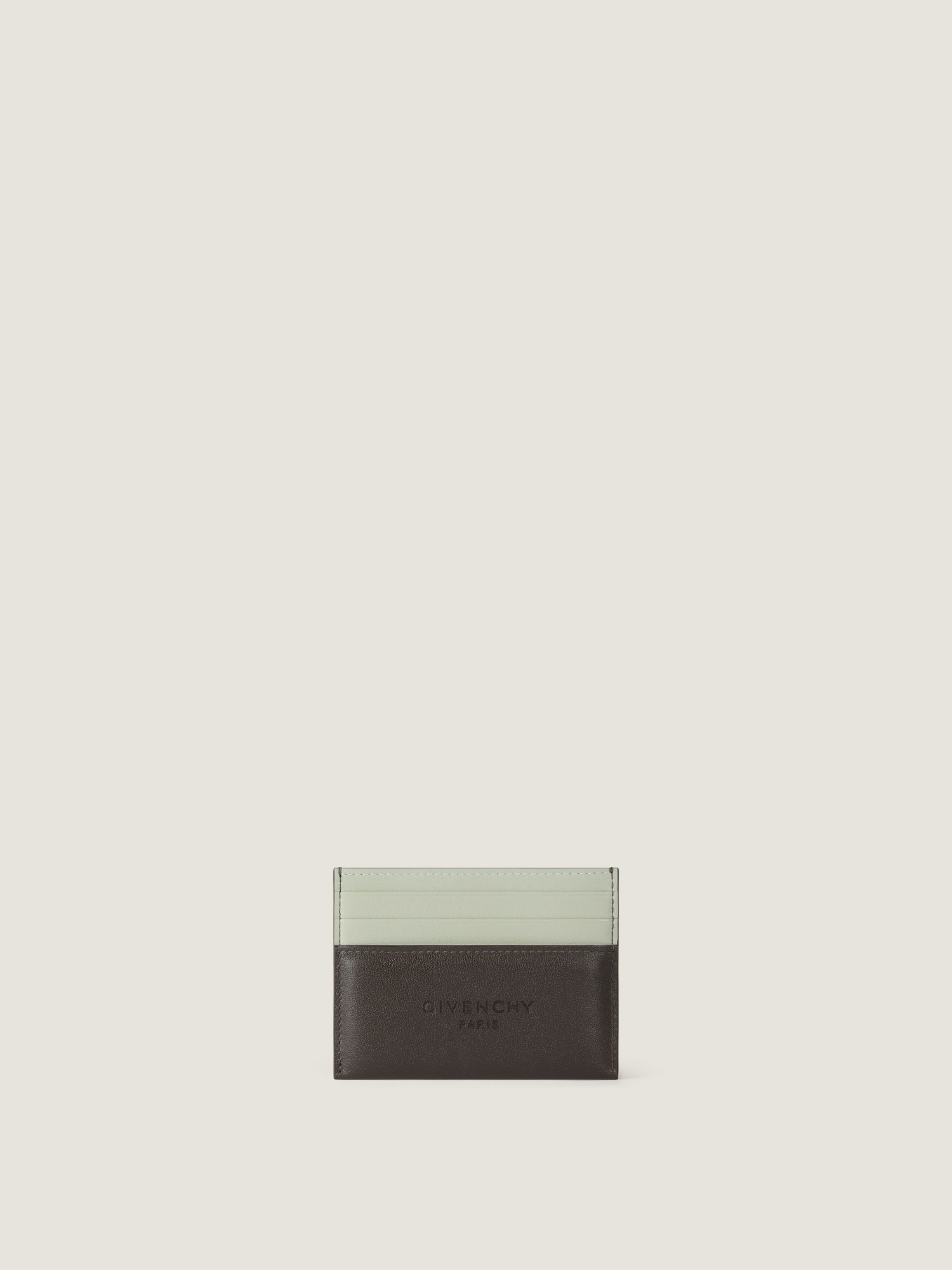
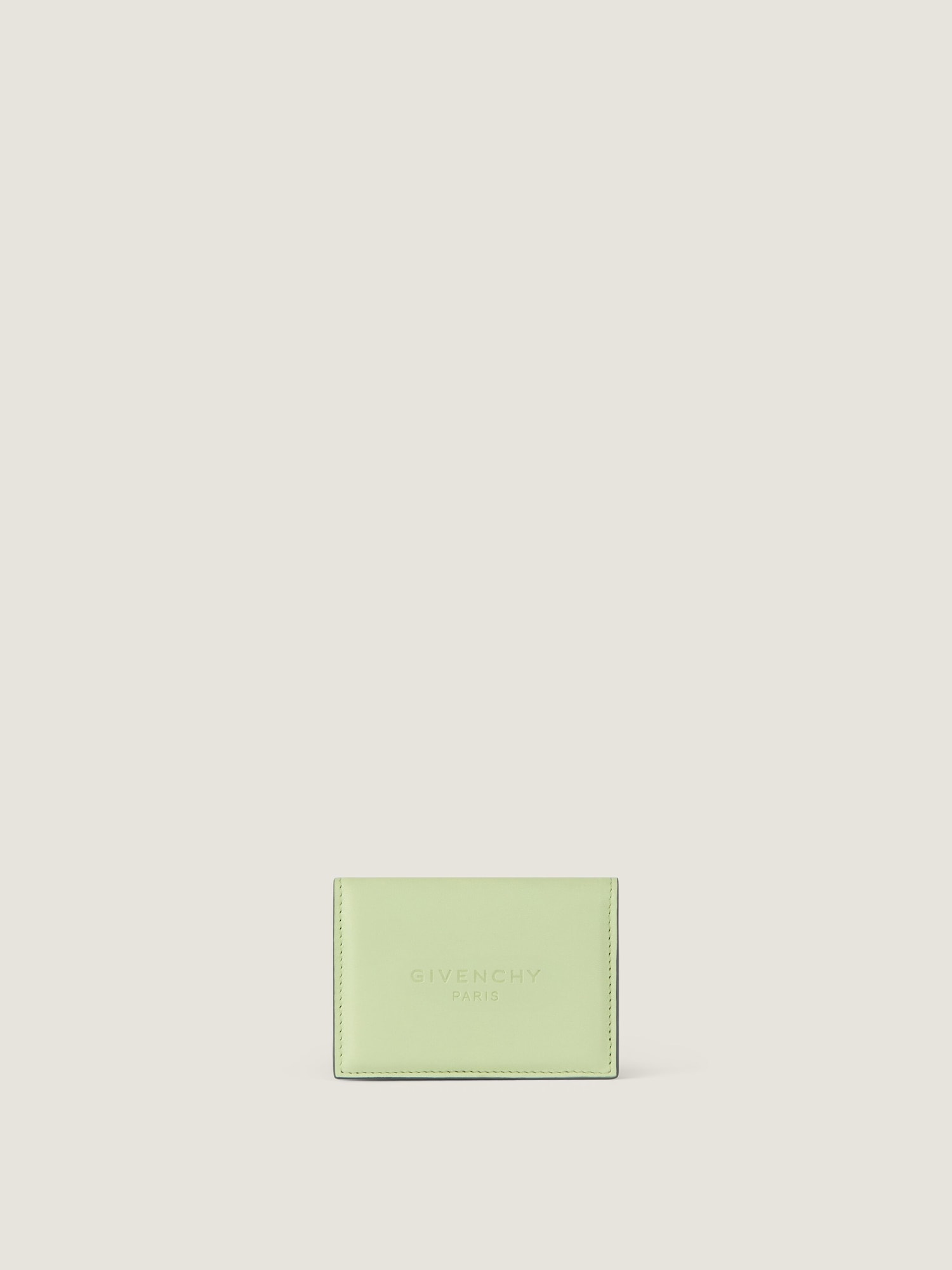
Card holders and zip wallets range from $250 to $450. Leather is grained or smooth, never embossed with a false texture. Stitching is tonal. These pieces function as entry points, but they do not shortcut the house's aesthetic. A Givenchy wallet looks like a wallet, not a billboard.
What to know before you buy
Givenchy operates in the accessible-luxury bracket, priced below Hermès and Chanel, level with Saint Laurent and Valentino. The maison's retail is concentrated in bags and shoes. Ready-to-wear is available but less widely stocked outside of flagship locations. Expect limited size runs in tailoring—European sizing, narrow through the shoulders and waist.
The house does not do seasonal sales. Discounting happens through third-party retailers—Matches, Mytheresa, Ssense—usually six months after a collection drops. Bags rarely go on sale. When they do, expect 20 to 30 percent off, not 50.
Resale value holds for the Antigona and Shark Lock boots. Other pieces depreciate faster. Givenchy does not have the same secondary-market strength as Hermès or Bottega Veneta, but core styles retain 60 to 70 percent of retail if kept in good condition.
Authenticity markers: stitching should be even and tight, especially at stress points like bag handles and boot shafts. Hardware should have weight—no hollow-feeling clasps. Dust bags are cotton twill, not polyester, with a drawstring closure. Logo stamps inside bags should be crisp, not blurred. Serial numbers appear on a leather tag stitched into the lining, not printed directly onto fabric.
The house offers repair services through boutiques, though turnaround can stretch to eight weeks. Resoling boots costs approximately $150. Bag handle replacement runs $200 to $400 depending on the style. Not all third-party cobblers stock Givenchy-compatible hardware, so repairs are best handled in-house.
Where the house sits in 2025
Givenchy is not in crisis, but it is also not in ascendancy. LVMH does not break out individual brand performance, but industry reporting suggests the house has plateaued. Williams's collections receive measured reviews—neither panned nor celebrated. The bags sell. The ready-to-wear does not move at the same velocity.
What Givenchy offers now is clarity of form. The clothes are well made. The proportions are considered. There is no irony in the work, no winking reference to trend cycles. This is both the house's strength and its limitation. In a market that rewards spectacle, Givenchy produces garments that ask to be worn, not photographed.
Hubert de Givenchy died in 2018. His last interview, given to System magazine, included this line: "I made clothes for women who had something else to do." The current house has moved far from that original mandate, but the principle—that a garment should not demand more attention than the person wearing it—remains legible in the tailoring, the bag shapes, the restrained hardware. It is still there, if you know where to look.