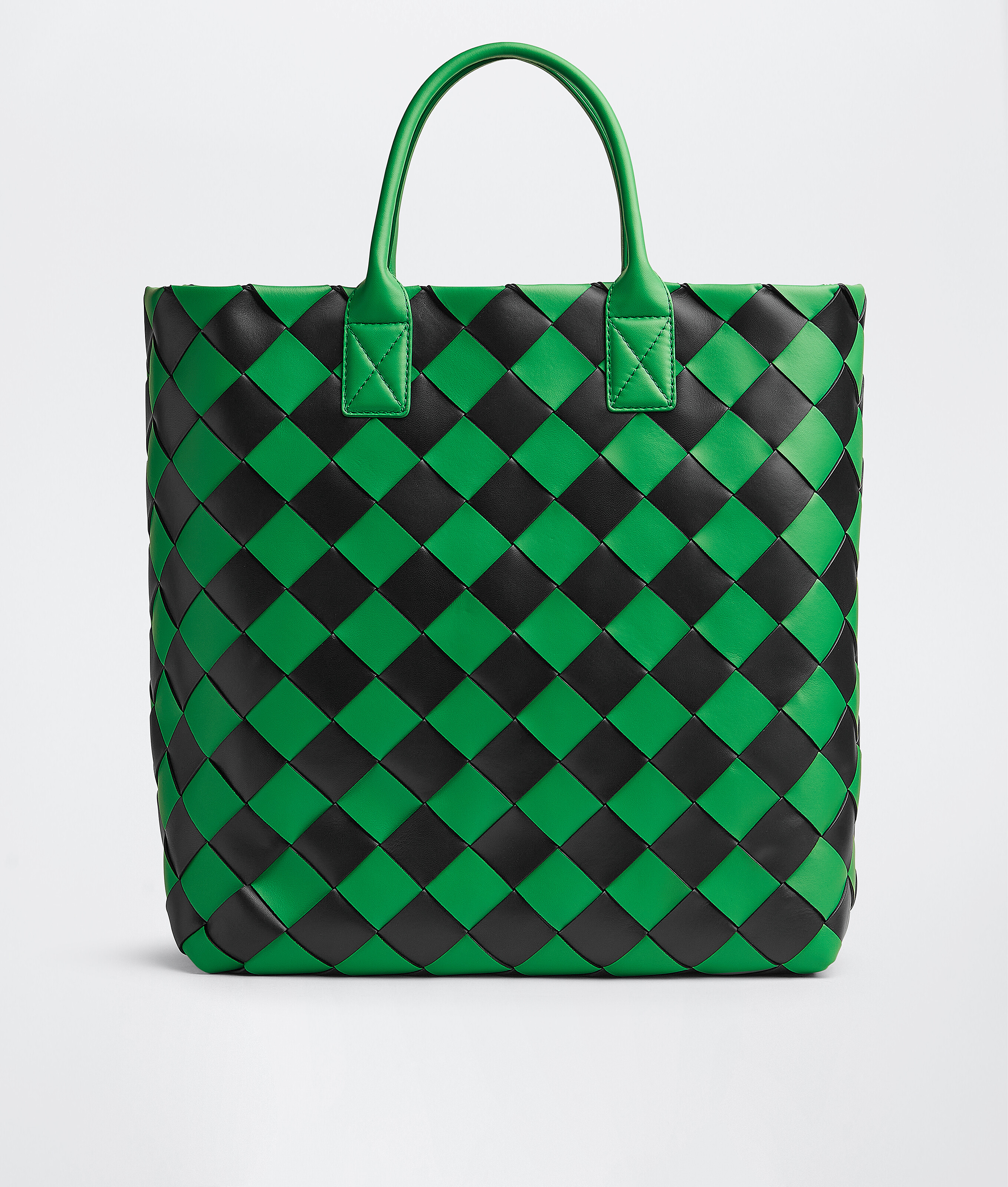
The Cassette bag does not announce itself
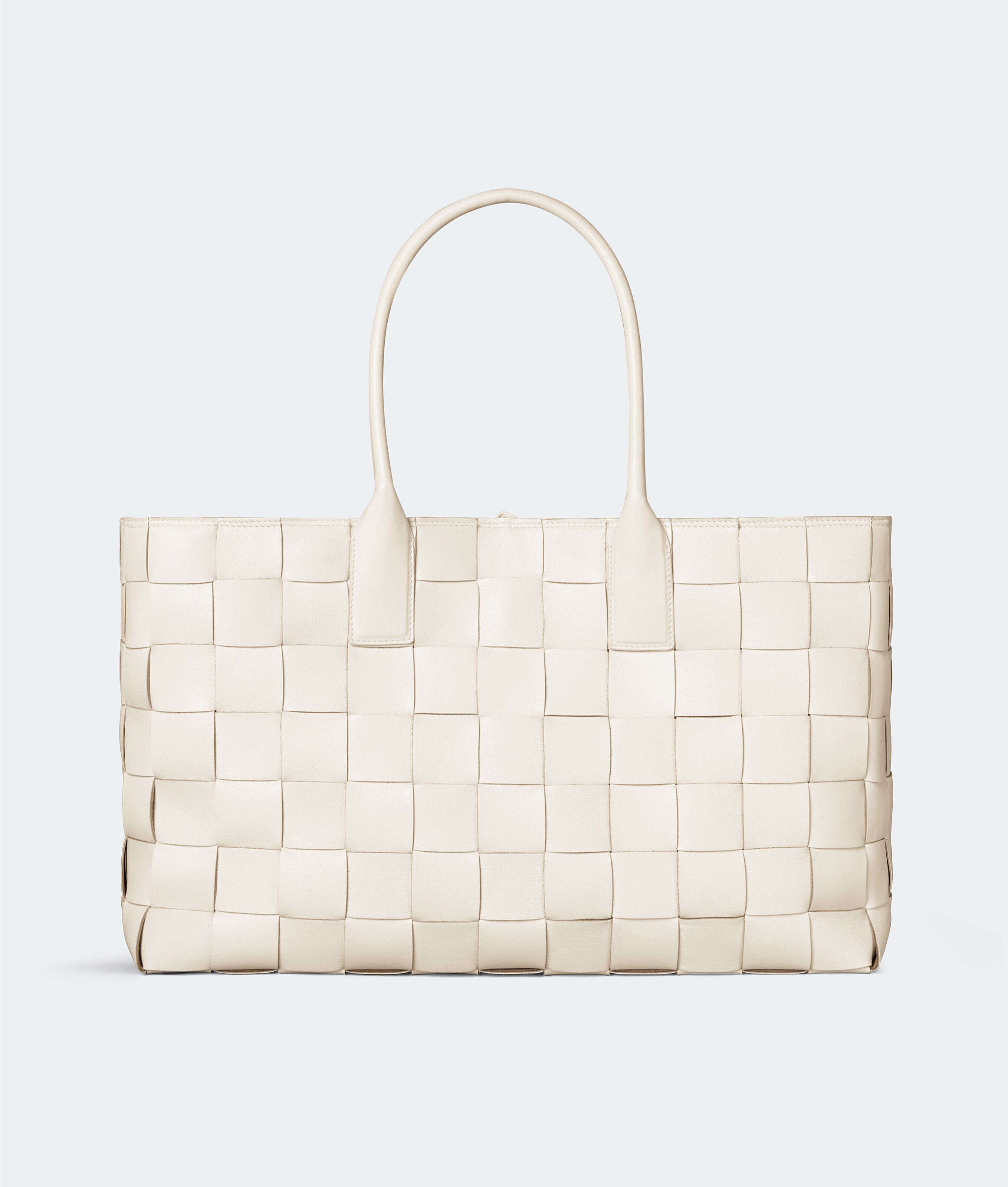
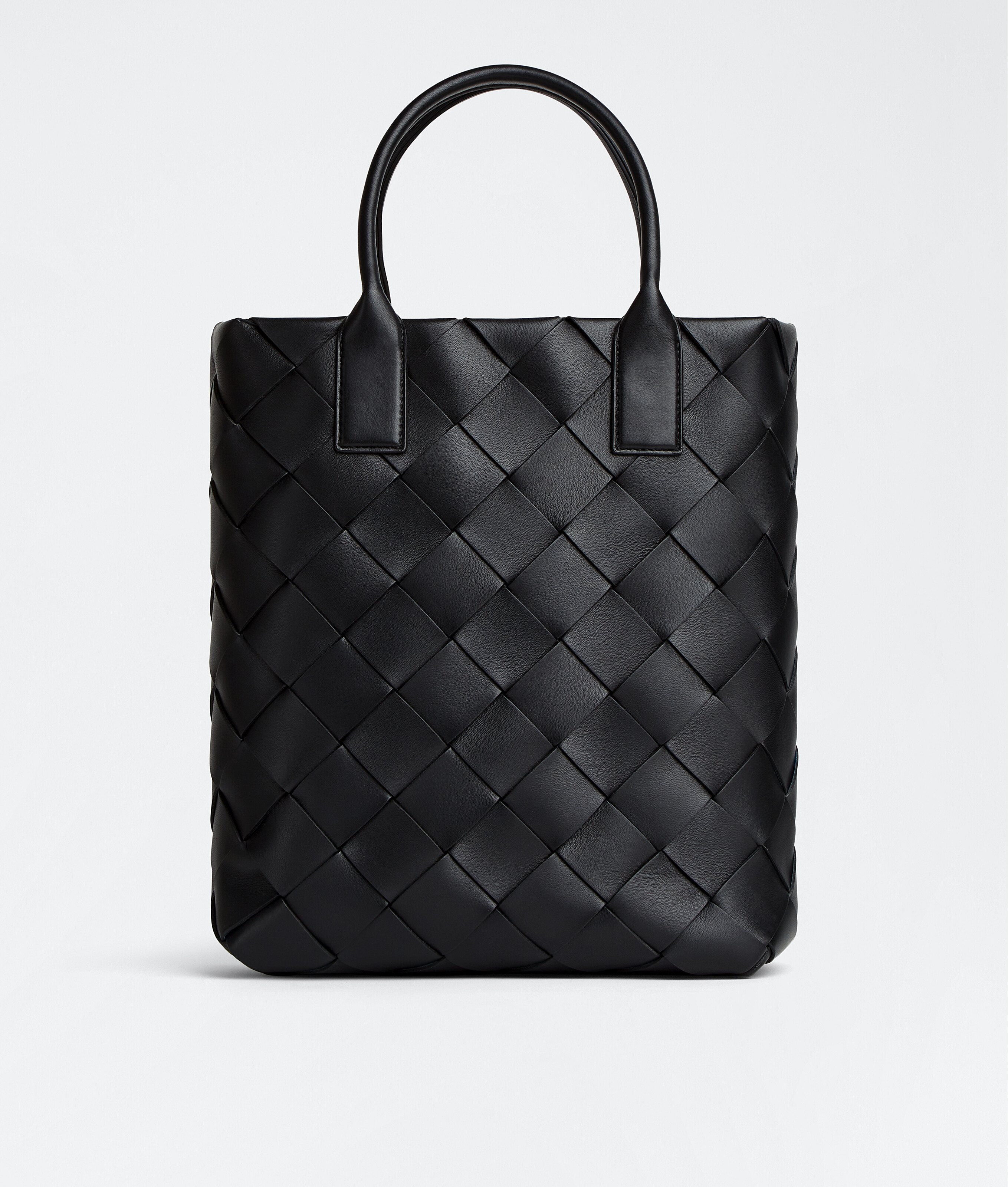
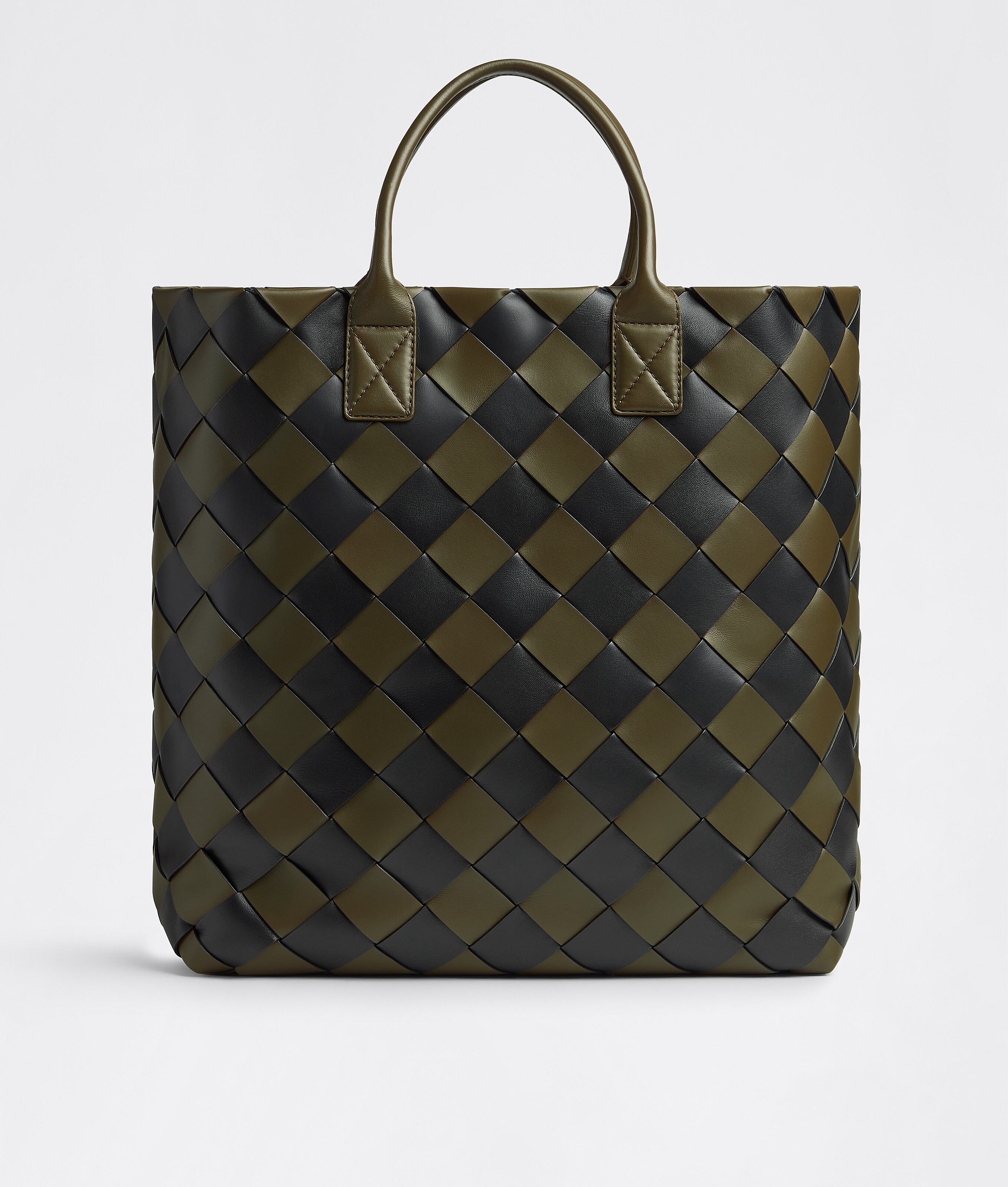
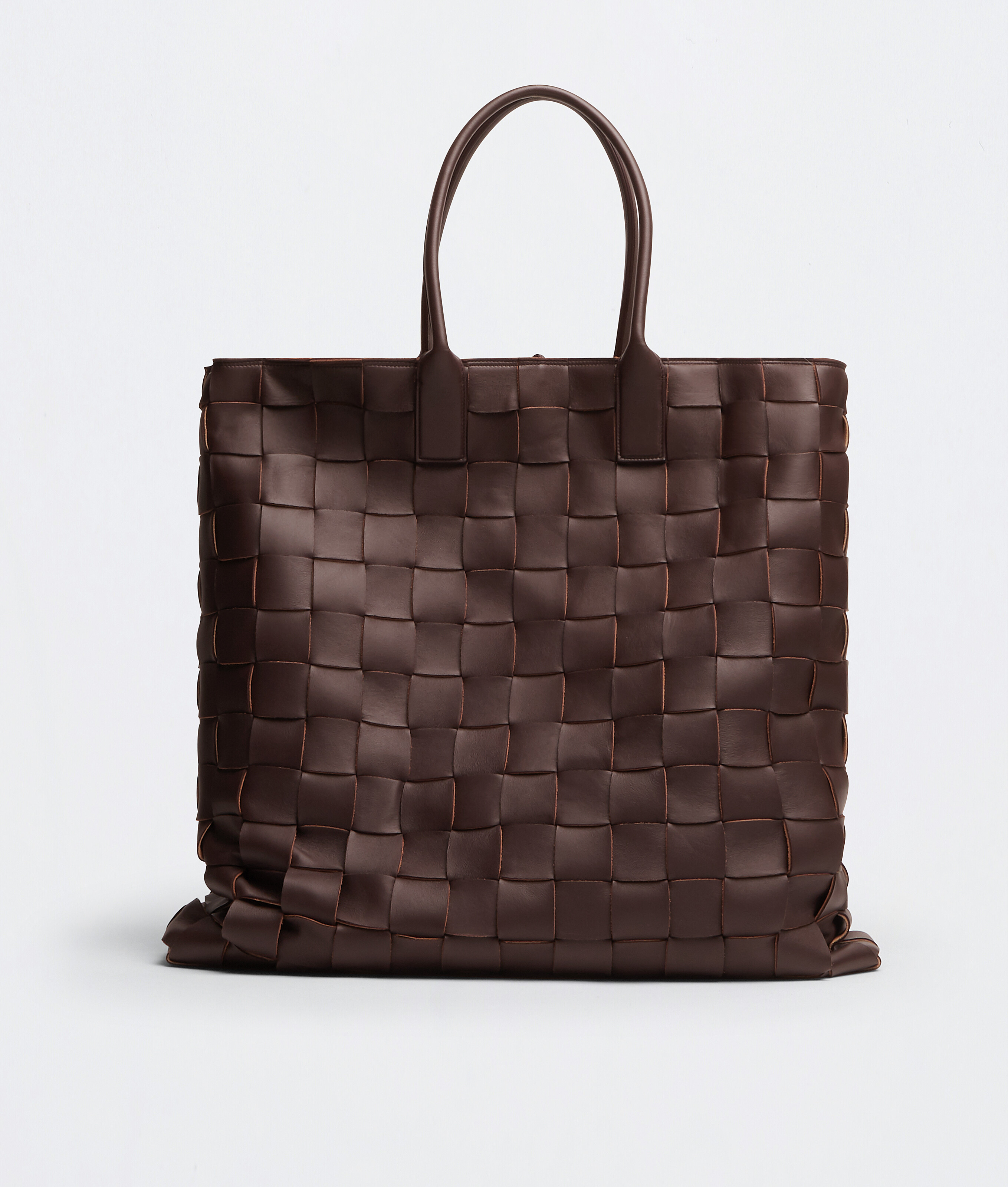
The Cassette bag does not announce itself. No logo plate, no hardware that catches light across a restaurant. Just intrecciato — that woven leather the house has been perfecting since the Seventies — stretched over a padded form that suggests a VHS tape if you squint, or perhaps just a very good pillow. It sits on shoulders in Milan, New York, Seoul. Quiet, expensive, immediately recognisable to anyone who knows. That tension — between discretion and instant legibility — is where Bottega Veneta has always lived. The question now is whether it can stay there.
The house that whispered
Michele Taddei and Renzo Zengiaro founded Bottega Veneta in Vicenza in 1966, naming it after the Veneto region's tradition of botteghe — small workshops where leather goods were made by hand, slowly, without fuss. The intrecciato weave arrived in the late Sixties as both signature and solution: it was stronger than stitched leather, more supple than a single panel, and it required genuine skill. By the Eighties, the house had built a reputation among a particular kind of customer — the sort who could afford conspicuous consumption but preferred not to participate.
"When your own initials are enough," the advertising used to say. It was an elegant bit of snobbery, and it worked. Bottega became the choice of people who had already proven something. Then, like many Italian houses that defined themselves by what they refused to do, it lost direction. The Nineties and early 2000s were a slow drift. Gucci Group acquired the brand in 2001. For a while, it looked like another heritage name that would be strip-mined for logo bags and licensing deals.
Tomas Maier stopped that. Appointed creative director in 2001, he spent fifteen years rebuilding Bottega Veneta as a house of grown-up luxury — proper tailoring, considered proportions, leather worked so well it didn't need to shout. He expanded beyond bags into ready-to-wear that actually moved, and he kept the intrecciato as a signature without letting it become a crutch. By the time he left in 2018, Bottega was profitable, coherent, and slightly boring. It had become exactly what it set out to be in 1966: a very good workshop. The problem with being very good is that fashion doesn't reward stability for long.
Daniel Lee's rupture
Daniel Lee arrived in 2018 with a brief to make noise. He was 32, had spent years at Celine under Phoebe Philo, and understood that Bottega's discretion was an asset only if you could make people desperate for it. His first collection, for Spring 2019, included square-toed boots, padded sandals that looked like they'd been inflated, and a version of the intrecciato blown up to exaggerated scale. It looked nothing like Maier's Bottega. It looked, instead, like the kind of thing that would be everywhere in six months.
It was. The Pouch — a soft clutch with no structure, just leather gathered at the top like a paper bag — became the house's new Cassette. Oversized, tactile, carried by Rosie Huntington-Whiteley and approximately everyone on Net-a-Porter's wish list. Lee's Bottega was still quiet, but it was the kind of quiet that made you lean in. He kept the intrecciato, but he also introduced quilting, chain straps that pooled like jewellery, and a palette of fade greens and parakeet blues that had nothing to do with Italian restraint. Sales climbed. Kering reported Bottega Veneta's revenue grew 23 percent in the first half of 2021.
Then he left. November 2021, no public explanation. The house announced his departure the same way it announces most things: a press release, no elaboration. Fashion loves a narrative, and the narrative here was that Lee had burned too bright, moved too fast, exhausted the team. Maybe. Or maybe Kering wanted someone who could keep the momentum without the cult of personality. Either way, the house needed a new direction, and it needed one that didn't look like retreat.
Matthieu Blazy's correction
Matthieu Blazy was promoted from within — he'd been Lee's right hand, head of ready-to-wear, the person who knew how the atelier worked. His first collection, Fall 2022, opened with a shearling coat worn leather-side out, the wool trimmed so precisely it looked like suede. It was a statement of intent: we still know how to work materials, and we're not interested in shortcuts.
Blazy's Bottega is quieter than Lee's, but it's not a return to Maier. He's kept the Pouch, the Cassette, the hardware-free aesthetic. What he's added is a kind of rigour. His clothes look like someone actually considered how they'd be worn — trousers with a waistband that sits just so, coats that don't collapse when you take your hands out of the pockets. He's also leaned into leather in ways that feel specific rather than decorative: skirts with a hem that flares because of the weight of the hide, not because of a pattern. Jackets where the grain runs in one direction, uninterrupted.
The Sardine bag — a gathered hobo shape with a curved metal handle — arrived for Spring 2023 and promptly replaced the Pouch in street-style slideshows. It's softer than Lee's work, less architectural, but it still photographs well. Bottega Veneta's Instagram account, which Lee had famously deleted in 2021, remains offline. The house communicates through editorials, through product, through the occasional campaign image that looks like a Nan Goldin outtake. It's a strategy that works only if the product is good enough to generate its own conversation.
So far, it has been. Kering's 2023 earnings showed Bottega Veneta's revenue up nine percent, slower than Gucci's collapse but faster than Saint Laurent's plateau. Not explosive, but stable. The question is whether stable is enough.
Where the house stands
Bottega Veneta is currently the smallest of Kering's three main luxury brands, generating just over €1.6 billion in 2023 compared to Gucci's €9.8 billion and Saint Laurent's €3.2 billion. It's also the only one of the three that isn't in crisis. Gucci is searching for an identity after Alessandro Michele's departure. Saint Laurent is trying to grow beyond Anthony Vaccarello's very specific vision of nightclub glamour. Bottega, meanwhile, is doing what it's always done: making expensive leather goods for people who already know.
The risk is that "people who already know" is not a large enough customer base to justify the infrastructure. Bottega has 271 stores worldwide, a ready-to-wear line that requires two seasonal collections plus pre-collections, a men's line, a homeware range, and a fragrance contract. All of that costs money. The intrecciato weave, which remains central to the house's identity, is labour-intensive — each Cassette bag requires a full day of work. That's a selling point in the showroom and a problem in the spreadsheet.
Blazy seems aware of this. His collections are commercial in the best sense: they include things people might actually buy and wear, not just things that photograph well on a runway. But he's also careful not to dilute the house's carefully managed scarcity. Bottega doesn't do collaborations. It doesn't flood the market with logo T-shirts or entry-level canvas totes. The cheapest bag on the website is still over €1,000. That discipline is admirable. It's also a gamble that the customer will stay interested.
The customer, so far, has. Walk through Dover Street Market or Bergdorf's and the Bottega section is rarely empty. The Sardine and the Cassette move. The Pouch still sells, even though it's been five years. The intrecciato loafers — chunky, square-toed, worn with cropped trousers by men who take their tailoring seriously — have become a signifier. Not of wealth, exactly, but of a certain kind of taste. The kind that doesn't need to be explained.
Whether that's enough to build a €5 billion business — the scale Kering likely wants — is another question. Bottega Veneta has always been the house that whispered while everyone else shouted. Under Blazy, it's still whispering. The difference now is that people are leaning in to hear it, and that attention, however quiet, might be the loudest thing the brand has ever had.