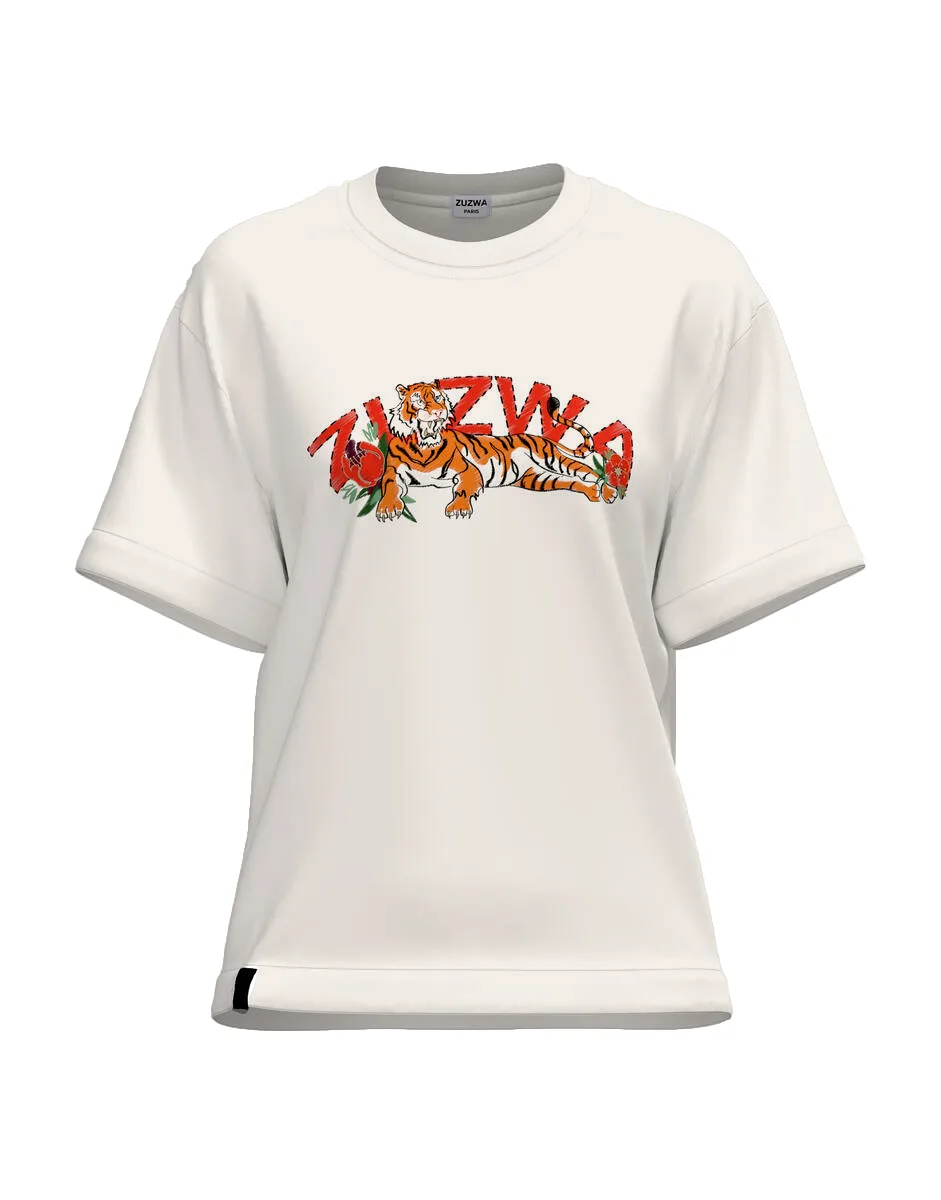
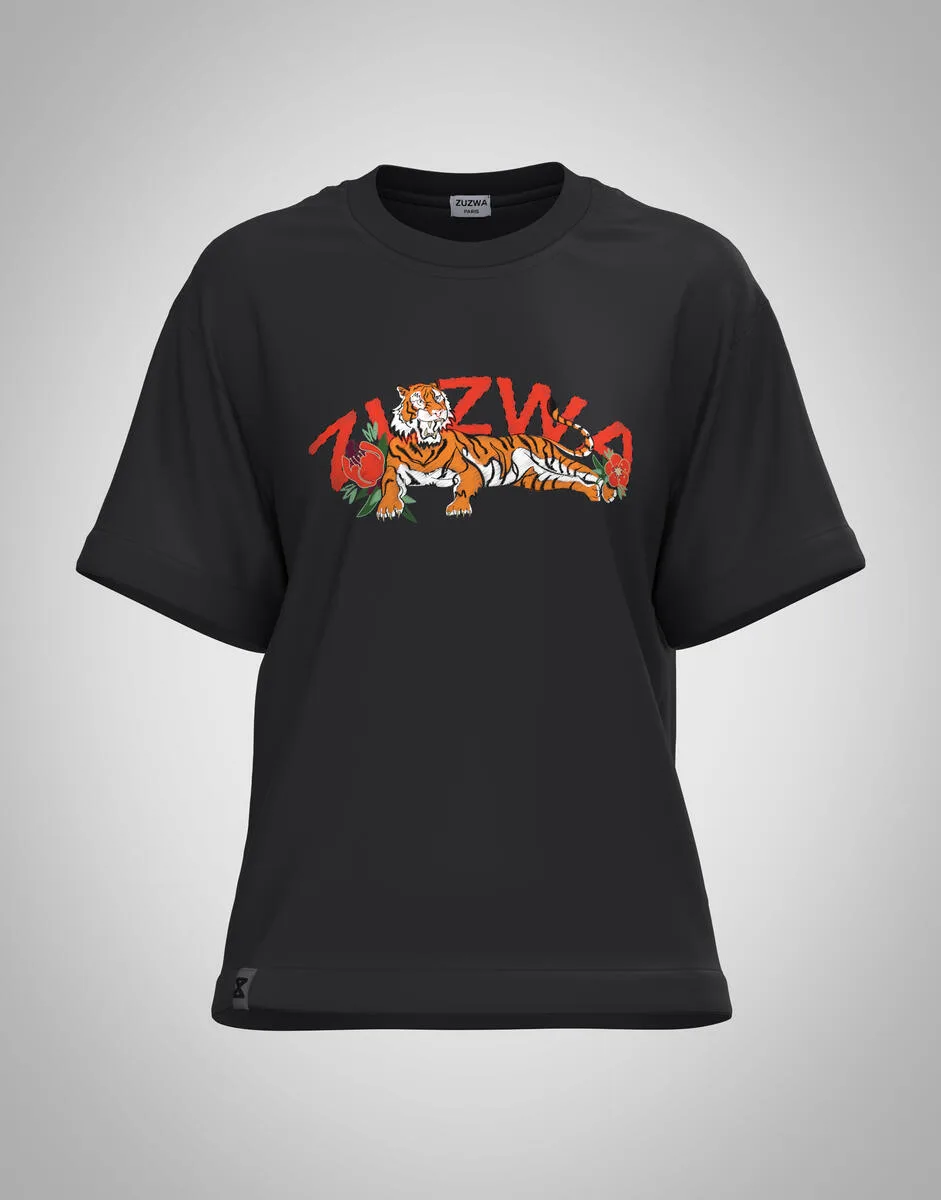
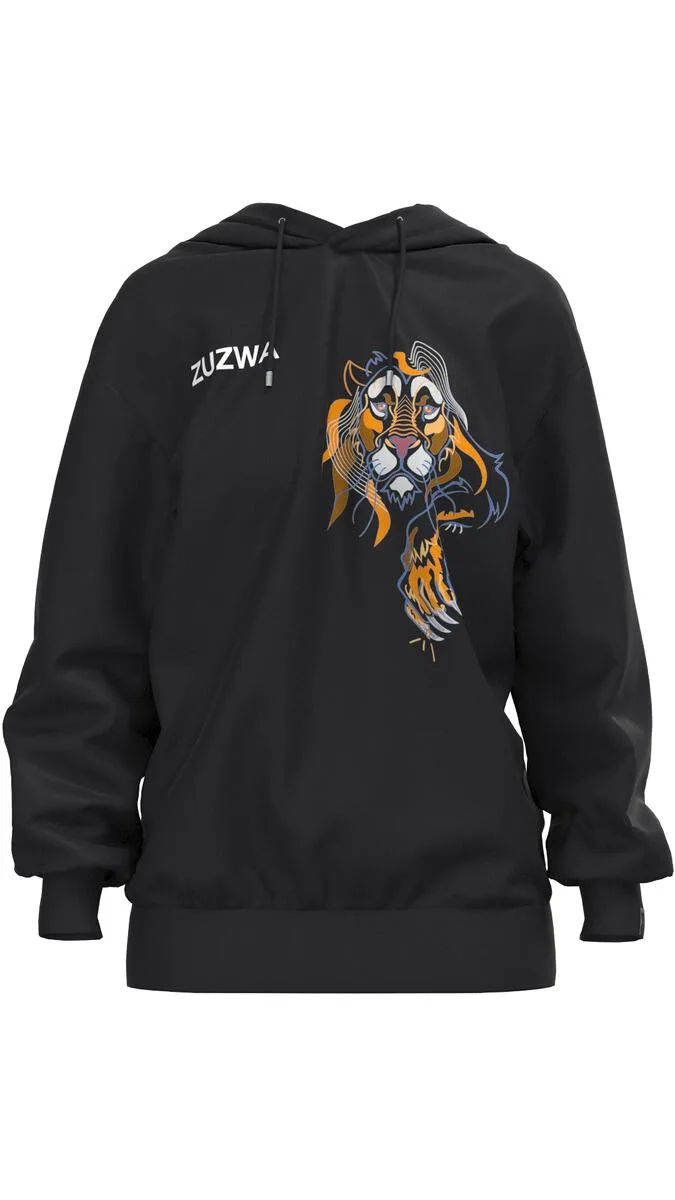
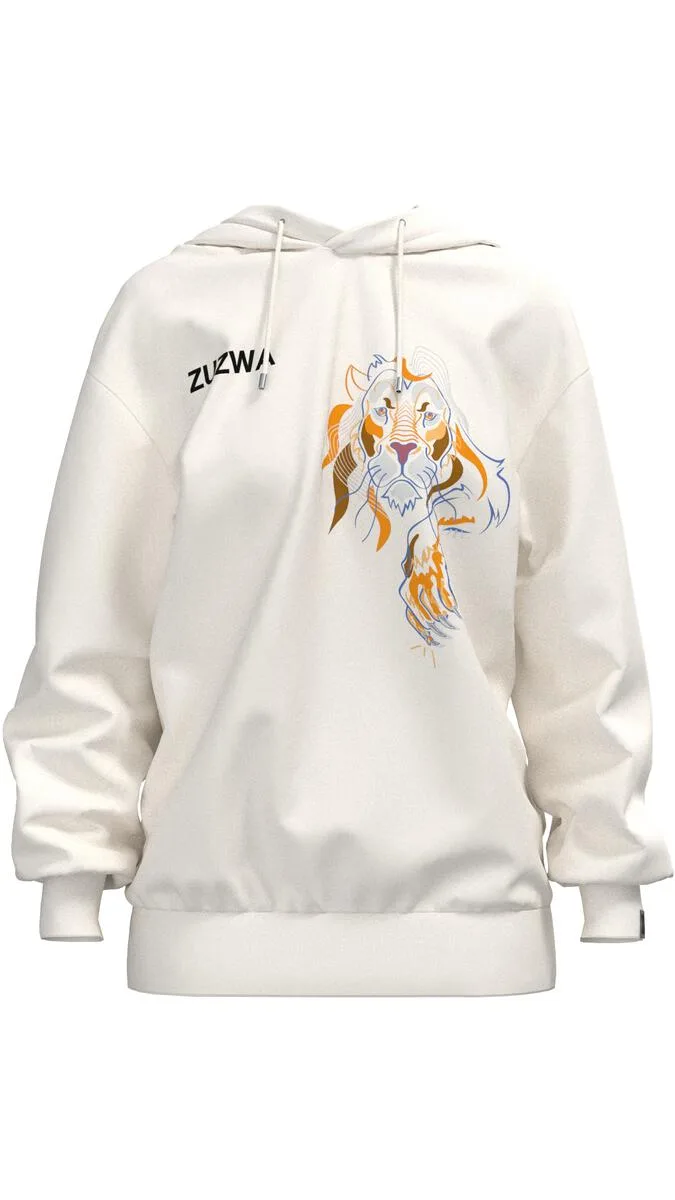
The first collection showed in a basement on Rue du Vertbois in 2009
The first collection showed in a basement on Rue du Vertbois in 2009. Fourteen looks, no chairs, no music. The models walked a rectangle marked in masking tape. Guests stood against the walls. Zuza Wajszczuk sent out a shearling coat with the fleece turned inward and the suede left raw on the outside—seams exposed, edges unfinished. It looked like the garment had been constructed backwards, then left that way on purpose.
That was the point.
2009–2014: The Foundational Vocabulary
ZUZWA began as an exercise in reversal. Wajszczuk, trained at the Royal Academy of Fine Arts in Antwerp under Walter Van Beirendonck, had spent two years as a pattern-cutter at Haider Ackermann before starting her own line. She was interested in what happened when you destabilised the expected relationship between interior and exterior, between structure and finish.
The early collections were small—sixteen to twenty looks per season—and built around a narrow set of materials: shearling, raw leather, heavyweight linen, unbleached canvas. Wajszczuk worked with a single atelier in Kraków, her hometown, where the cutters understood how to handle skins without over-finishing them. The garments had weight. Coats fell straight from the shoulder with almost no ease through the body. Trousers sat low on the hip and broke long over flat shoes. Proportions were blunt: wide through the leg, cropped above the ankle, boxy through the torso.
There was no print, no colour beyond ecru and charcoal and the occasional rust. The work was about construction—how a sleeve set into an armscye, how a collar stood away from the neck, how a hem could be left to fray without looking unfinished. Wajszczuk used French seams on the outside of garments, topstitching in contrasting thread, exposed darts. She wanted you to see how the thing was made.
By 2012, the maison had a foothold. Retailers like Totokaelo and L'Eclaireur began carrying the line. The customer base was small but specific: architects, gallerists, people who understood that a coat without lining was a choice, not an oversight. ZUZWA was never trying to scale. The production runs stayed tight—two hundred units of a style, sometimes fewer.
2015–2019: Expansion Without Dilution
The second era began when Wajszczuk moved the studio from Kraków to Paris in 2015. The atelier remained in Poland, but the design process shifted. She started working with Japanese mills—Kokka for canvas, a small weaver in Okayama for denim. The palette opened slightly: ink blue, olive, a dark tobacco brown. She introduced knitwear, but only in undyed wool and linen blends. Nothing soft.
The silhouette evolved. Wajszczuk began playing with volume in a different register—not oversized in the contemporary sense, but architecturally loose. A linen shirt might have sleeves wide enough to fold back on themselves. A coat might be cut with enough fabric through the body that it moved independently from the wearer. She was thinking about negative space, about air between cloth and skin.
This was also when ZUZWA began showing in Paris during the official calendar, albeit off-schedule. The presentations moved out of basements and into galleries—one season at Palais de Tokyo, another at a private apartment in the Marais. The format stayed spare. Models walked slowly, sometimes in silence, sometimes to a single instrument. The audience sat on the floor or stood. There were no programmes.
The work became more technically ambitious. Wajszczuk introduced pleating, but not in the decorative sense—she used it to create structure without darts, to let fabric collapse and hold shape simultaneously. She worked with a patternmaker in Antwerp to develop a trouser block that had no waistband, no zipper, just a drawstring channel and enough room through the rise that the garment sat on the body through drape alone.
By 2018, the line had expanded to include bags: simple leather totes with exposed stitching, backpacks made from the same raw shearling as the coats. The prices were high—a coat cost €1,800, a shirt €420—but the construction justified it. These were garments built to last a decade, maybe two.
2020–Present: Consolidation and Clarity
The third era is harder to date precisely because it has been less about rupture and more about refinement. Wajszczuk has not abandoned the foundational vocabulary—raw edges, exposed seams, unlined outerwear—but she has become more selective about when to deploy it. Recent collections have included garments that look almost conventional at first glance: a tailored blazer, a button-down shirt, a pair of straight-leg trousers. The disruption is in the details.
A blazer from the autumn 2023 collection had a notched lapel and a two-button closure, but the shoulders were cut without padding and the canvas interlining was visible where the facing folded back. The sleeve head was set flat, almost like a shirt sleeve, so the jacket moved with the arm instead of holding its shape independently. It was tailoring, but it refused the stiffness that usually defines the category.
Wajszczuk has also begun collaborating with other makers. A capsule with the Kraków-based ceramicist Marta Turowska produced a series of porcelain buttons, each one slightly irregular, used on a run of linen overshirts. A collaboration with the Japanese bag maker Herz resulted in a briefcase constructed entirely without hardware—just leather, stitching, and a single wooden toggle.
The studio now employs six people. The atelier in Kraków has grown to twelve cutters and sewers. Production has increased, but not dramatically—ZUZWA still produces around three thousand garments per year across two main collections and occasional capsules. The distribution network has widened to include Dover Street Market locations and a handful of independents in Tokyo, Los Angeles, and Copenhagen. There is no flagship store. Wajszczuk has said she is not interested in retail as theatre.
The most recent collection, shown in February, included a coat made from a single piece of shearling with no side seams—just a centre-back seam and sleeves set in at the shoulder. The pattern required a skin large enough that most tanneries could not source it. Wajszczuk worked with a supplier in Iceland who raises sheep specifically for size. Twelve coats were made. They sold before the presentation ended.
What Remains
ZUZWA is now fifteen years old, which in fashion terms means it has survived. The maison has not pivoted toward accessibility or courted celebrity or launched a fragrance. It has stayed small, deliberate, and expensive. The work is still about construction, still about making visible what is usually hidden.
Wajszczuk was in Kraków last month, working with the atelier on patterns for the next collection. She posted a photograph on the maison's Instagram: a cutting table covered in brown paper templates, a pair of shears, a cup of tea. No caption. The image had the quality of a still life—arranged, but not for effect. Just the tools, the space, the work in progress.