The first thing you notice in a Tom Ford boutique is the lighting
The first thing you notice in a Tom Ford boutique is the lighting. Not bright — never bright — but a kind of honeyed glow that makes every surface look like it's been brushed with amber. The second thing is the tailoring. Jackets hang with a precision that suggests architecture more than fabric. The third, if you're paying attention, is the price tag on a velvet smoking jacket: north of $4,000. At that point, you're either in or you're out.
Tom Ford, the man and the maison, occupies a peculiar position in contemporary luxury. It is not heritage in the Hermès sense, nor is it avant-garde in the Margiela mould. What it offers, and has offered since its founding in 2005, is a very specific fantasy: the idea that you can buy your way into a life of considered, unapologetic sensuality. Whether that fantasy holds up under scrutiny is worth examining before you hand over your card.
The founding and the myth
Tom Ford launched his eponymous label after two decades of making other people famous. His tenure at Gucci — where he turned a near-bankrupt Florentine house into a billion-dollar engine of sex and suede — is well documented. What's less discussed is how much of that aesthetic he simply transplanted wholesale when he went solo. The skinny lapels, the plunging necklines, the obsessive colour palette of black, white, and tobacco brown: these were Gucci codes, refined and repackaged under his own name.
The first collection, shown in 2007, was menswear. It featured a three-piece suit in midnight-blue mohair, cut so close to the body that it read almost as eveningwear. The reviews were rapturous. The prices were, even then, eye-watering. A dress shirt started at $400. A leather bomber approached five figures. Ford's argument, implicit but clear, was that you were paying not just for cloth but for a point of view — his point of view, which had already proven commercially bulletproof.
By 2010, he'd added womenswear. By 2011, beauty. By 2013, eyewear that became, for a certain demographic, as ubiquitous as the Ray-Ban Wayfarer. The expansion was methodical. Ford, who'd spent years watching Domenico De Sole build an empire at Gucci, understood that a luxury brand is not a creative project. It is a system. And systems scale.
What you're actually buying
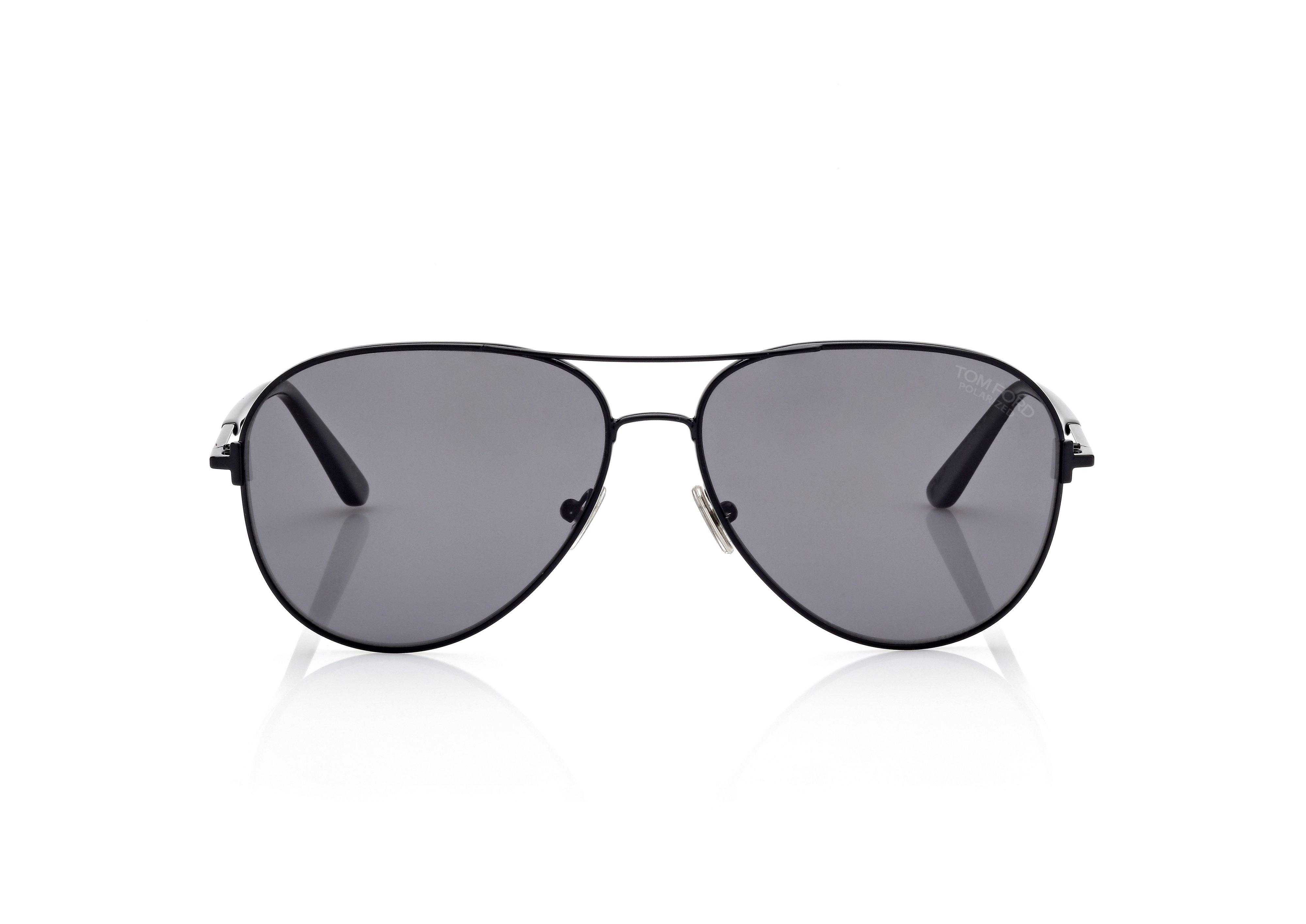
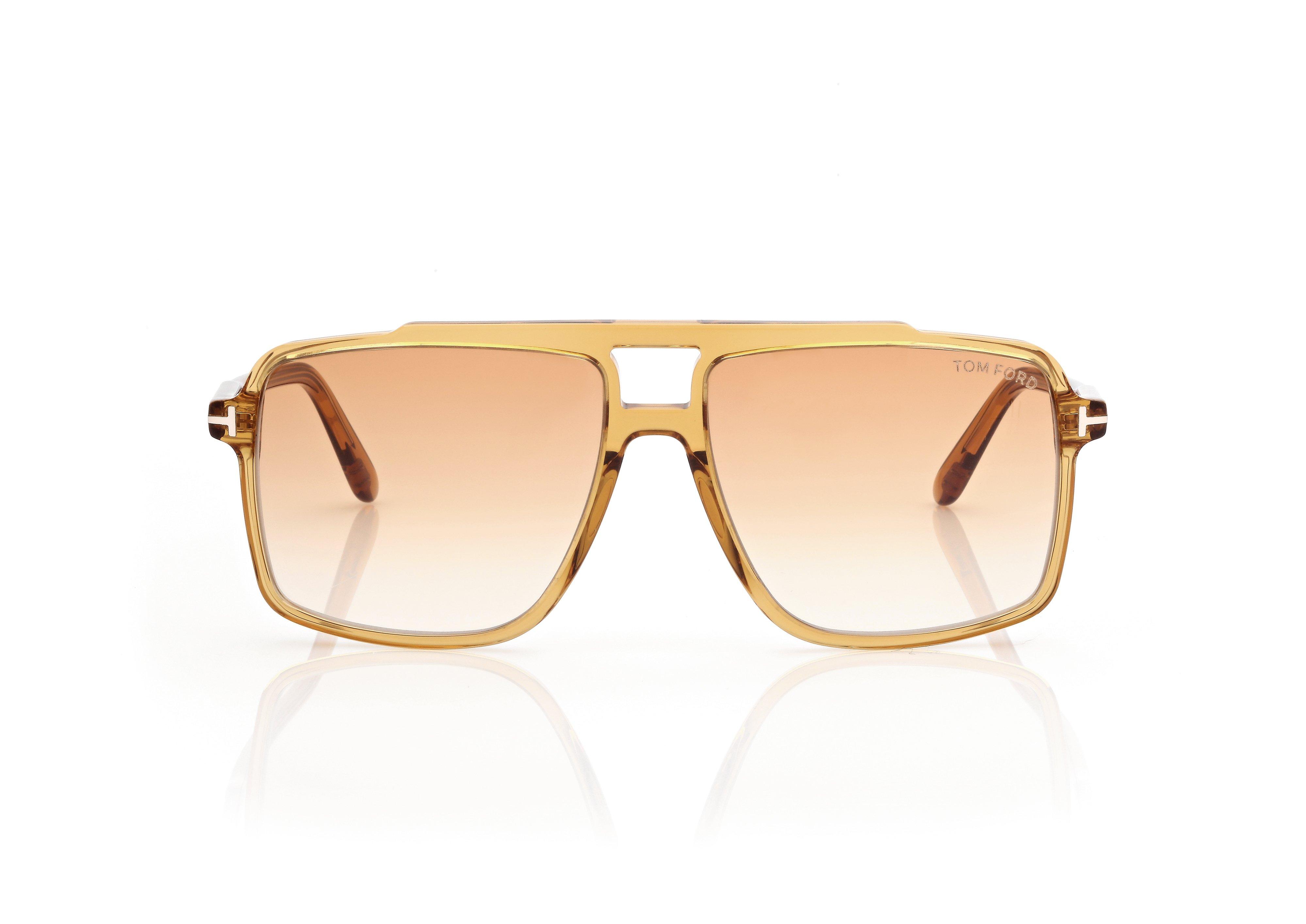
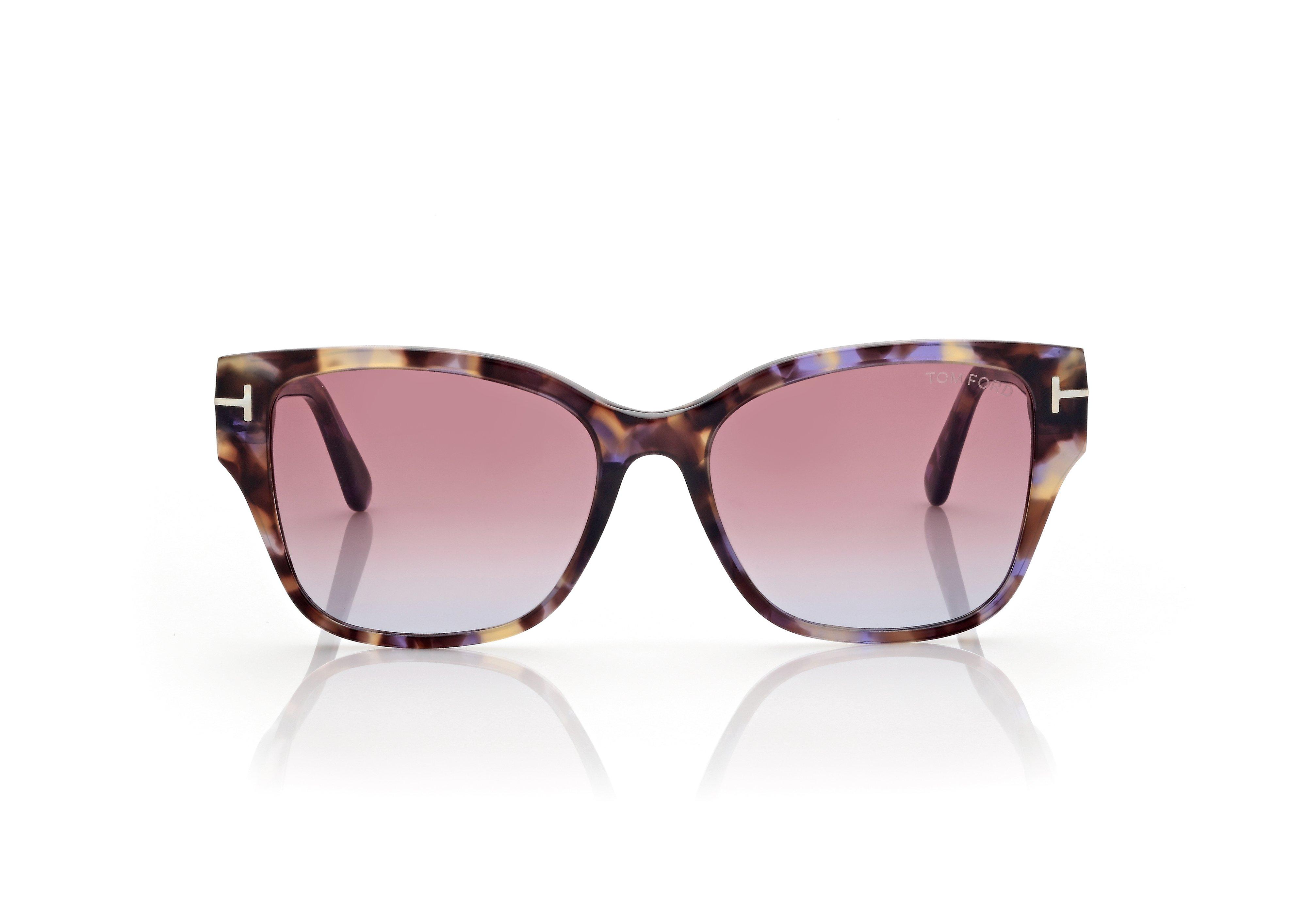
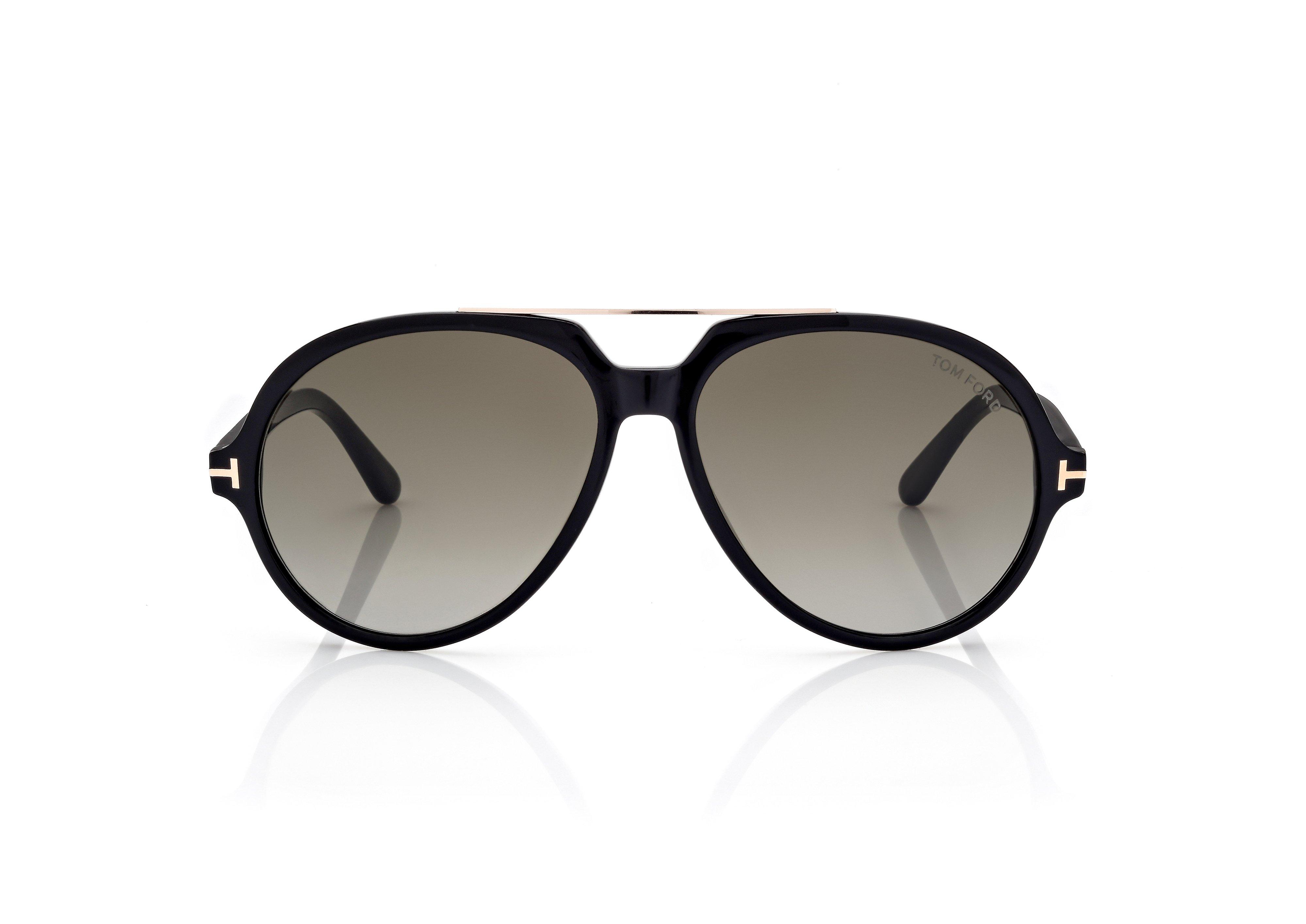
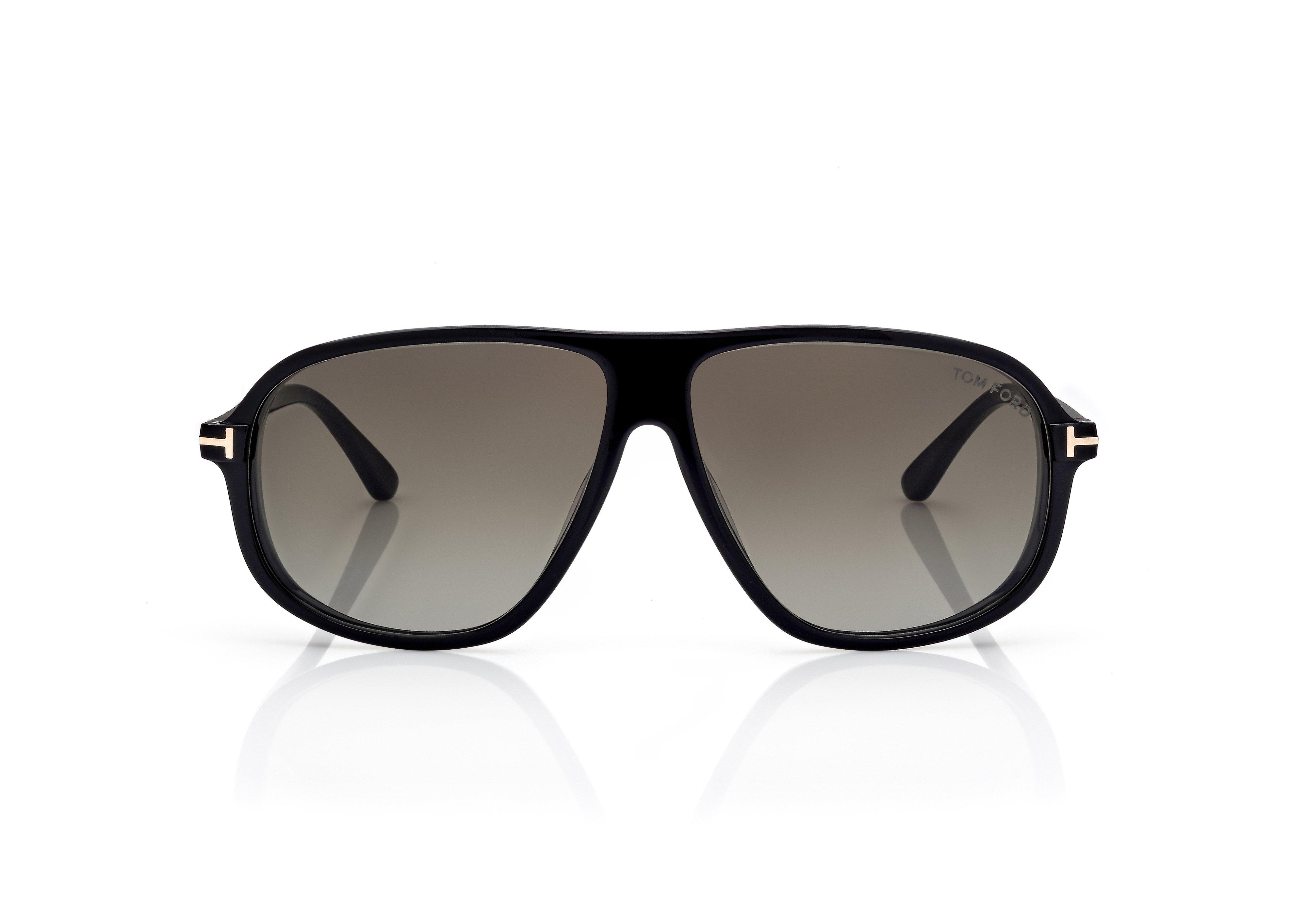
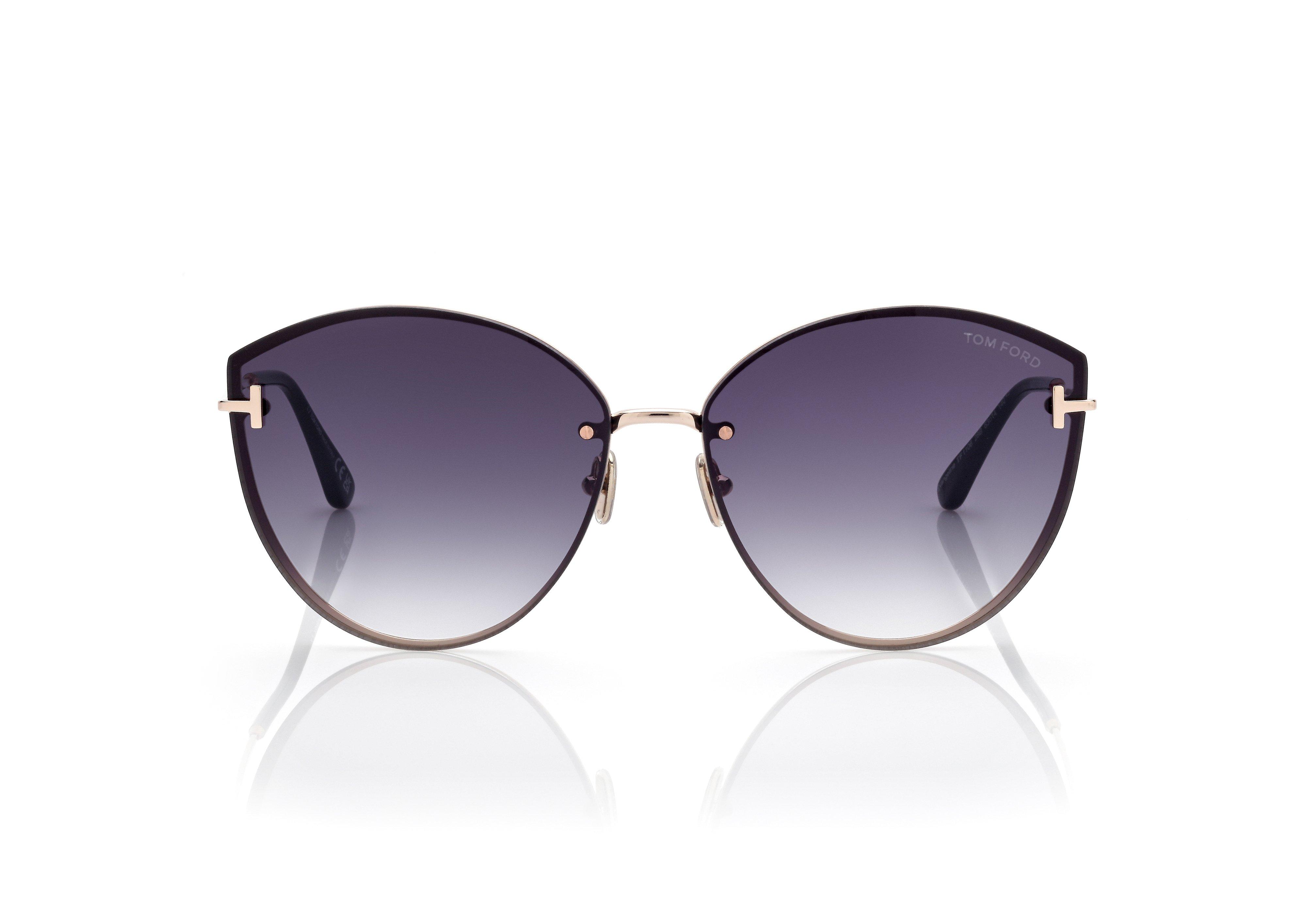
Walk into Tom Ford today and the entry-point pieces cluster around accessories. A leather cardholder runs about $250. Sunglasses, depending on the frame, land between $400 and $600. These are the gateway drugs, and they're priced accordingly. The quality is solid — Italian acetate, decent hinges, a weight that suggests substance — but you're paying as much for the logo, a gold-plated 'T' bar, as for the object itself.
Move up the ladder and you hit fragrance. Tobacco Vanille, Oud Wood, Black Orchid — these are the bestsellers, and they've been bestsellers for years. A fifty-millilitre bottle costs around $250, which is steep but not outrageous in the niche-fragrance economy. The scents themselves are dense, sweet, unapologetically loud. They announce you before you enter a room. Whether that's a feature or a flaw depends on how much you enjoy being announced.
Tailoring is where the house makes its real argument. A two-button suit in wool-silk starts around $4,500. Made-to-measure pushes past $6,000. The cut is narrow through the shoulder, suppressed at the waist, with trousers that sit low on the hip and break just once at the shoe. It's a silhouette that requires a certain frame and a certain confidence. On the right body, it's devastating. On the wrong one, it looks like cosplay.
The womenswear, by contrast, skews toward evening. Bias-cut gowns in liquid jersey, plunge-front blouses in silk charmeuse, trousers with a flare so exaggerated they read as costume. The aesthetic is Studio 54 by way of a Helmut Newton photograph: knowing, polished, faintly dangerous. A cocktail dress starts at $2,500. A gown can exceed $10,000. You're buying, in effect, a very expensive uniform for a very specific kind of night out.
The creative direction question
Here's where it gets complicated. Tom Ford the maison is still, as of this writing, designed by Tom Ford the man. He is creative director, chairman, and majority stakeholder. This is unusual. Most houses of this scale have long since separated the founder from the business. Ford has not, which means the brand retains a coherence — some would say a rigidity — that others lack.
But coherence has its costs. The collections don't evolve so much as refine. A jacket from 2008 and a jacket from 2023 are, in most meaningful ways, the same jacket. The colour palette hasn't shifted. The silhouette hasn't shifted. Even the ad campaigns, shot by Ford himself in many cases, retain the same high-gloss, high-contrast aesthetic they had fifteen years ago.
Whether this is discipline or stagnation depends on your expectations. If you want a house that takes risks, that courts controversy, that shifts direction every three years, Tom Ford will disappoint you. If you want a known quantity — a signature look you can return to season after season — it delivers exactly that.
It's worth noting that Ford has, in recent years, stepped back slightly from the day-to-day. He sold the brand to Estée Lauder in 2022 for $2.8 billion, though he remains involved in design. What happens when he eventually departs entirely is an open question. The house has no obvious successor, no design team with a distinct voice. It is, in a very real sense, a one-man operation at scale.
Where it stands now
Tom Ford is not a house you buy into for heritage. It has none, or at least none that predates the man himself. Nor is it a house you buy into for innovation. The collections are competent, polished, and deeply familiar. What you're buying, if you're being honest, is access to a very particular aesthetic — one that privileges surface, finish, and a kind of aspirational hedonism.
The question, then, is whether that aesthetic still resonates. In an era when quiet luxury has become the lingua franca of the upper-middle class, when Loro Piana and Brunello Cucinelli have made a fortune from cashmere and understatement, Tom Ford's insistence on shine and sex and visible logos feels almost defiant. It is not trying to blend in. It is trying, quite deliberately, to stand out.
For some, that's exactly the point. A Tom Ford suit signals that you know the codes, that you've done the reading, that you're willing to pay for a very specific kind of polish. For others, it's a relic of an earlier moment — the mid-2000s, when luxury was louder and less apologetic and no one worried much about being called vulgar.
The boutique lighting, though. That hasn't changed. Still honeyed, still flattering, still designed to make you believe, for the length of a fitting, that you're the kind of person who belongs in a $5,000 jacket. Whether you actually are is a question the mirror will answer soon enough.