The first thing you notice in an Alexander McQueen jacket isn't the skull
The first thing you notice in an Alexander McQueen jacket isn't the skull. It's the way the armhole sits an inch higher than you expect, forcing the shoulder into a harder, more architectural line. The second thing is the weight. Not heavy—McQueen never made heavy clothes—but present. A 10oz wool-silk blend cut so the grain runs diagonally across the back panel, creating tension even when the garment is still. These are the details that don't photograph well. They're also the ones that matter.
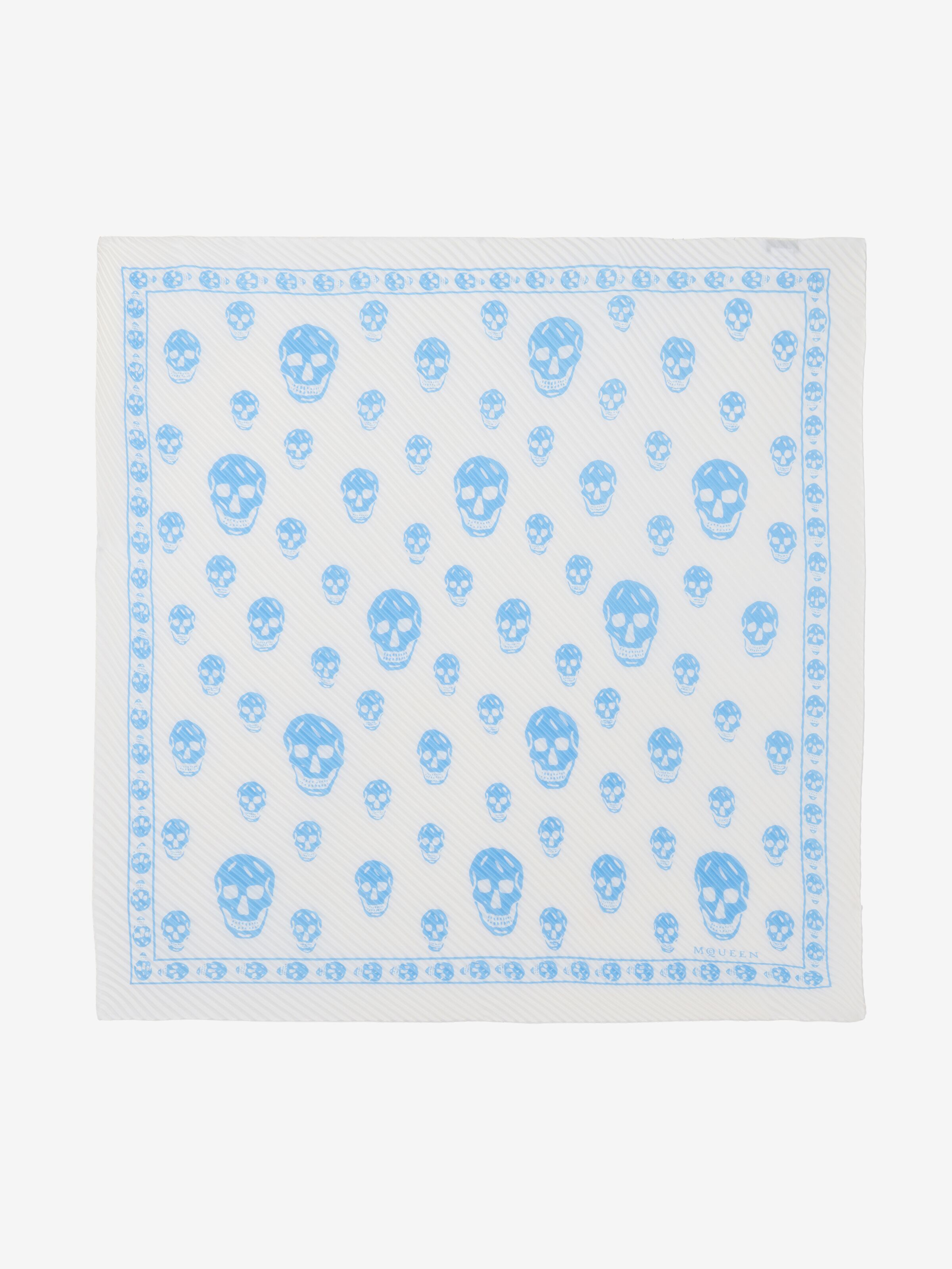
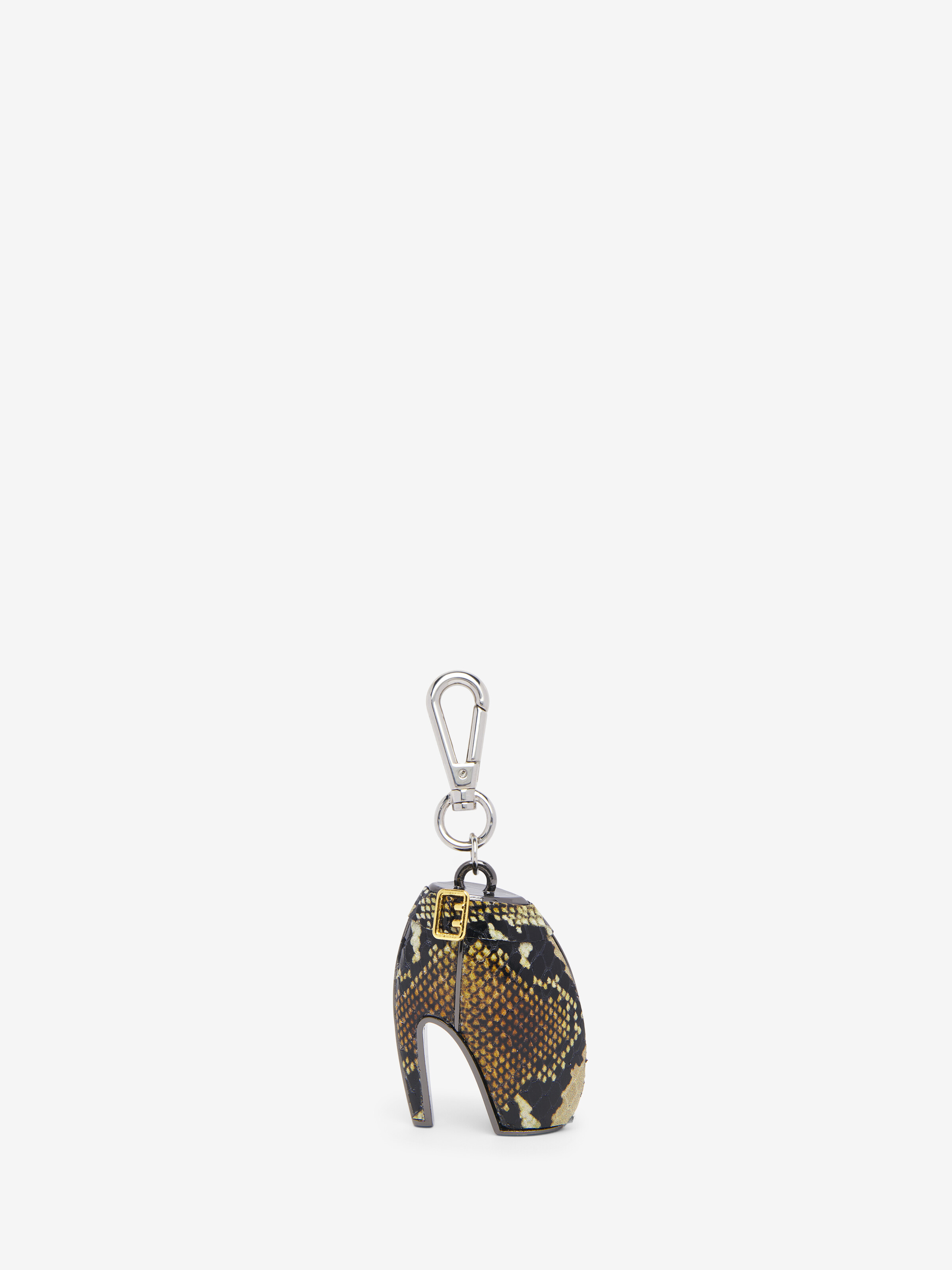
Most people know McQueen for the skull scarf. For the Armadillo boot. For Sarah Burton's wedding dress commission that briefly made the house a household name. But the real signatures—the ones that built the house and still guide it under Seán McGirr—live in construction, not iconography. They're in the way a sleeve is set. The rake of a trouser. The deliberate asymmetry of a hemline that looks accidental until you see it on a second piece, then a third, and realise it's doctrine.
The Savile Row Foundation Nobody Mentions
Lee Alexander McQueen spent two years at Anderson & Sheppard before he was twenty. That apprenticeship shows up in every collection he ever made, though rarely in the way people expect. He didn't take the soft shoulder or the draped chest. He took the opposite: the understanding that a garment is architecture, that every seam is a load-bearing element, that you can break the rules precisely because you know what they are.
The bumster trouser—his first real statement, shown in his 1993 graduate collection—is a tailoring exercise. It's not about露 skin. It's about moving the waistband four inches south and rebalancing the entire leg so the garment still works. The rise drops, so the seat has to be recut. The seat changes, so the inseam angle shifts. The result looks transgressive. The process is pure Savile Row problem-solving, applied to a body the Row had never dressed.
He kept that approach through fifteen years of runway shows. The tailoring got stranger—more cutaways, more exaggerated proportions, more overt references to historical pattern-cutting—but it stayed rigorous. A 2009 coat from the The Horn of Plenty collection, the one with the exaggerated peplum and the houndstooth that looks like it's been through a shredder, is still built on a proper canvas interlining. The chaos is controlled.
The Anatomy Lesson
McQueen's other fixation was the body itself. Not the idealised body. The actual one, with its mechanics and vulnerabilities. He put bones on the outside: corsetry that revealed its structure, tailoring that mapped the skeleton, embroidery that traced the path of veins. His 1999 collection featured a dress with a rib cage moulded into the bodice. It wasn't gothic for gothic's sake. It was an argument about what clothes do—they either acknowledge the body or pretend it isn't there.
This is the part that gets mistaken for darkness. It wasn't. It was specificity. McQueen knew how a scapula moved under cloth, how a hip bone created tension in a pencil skirt, how the hollow at the base of the throat changed the fall of a neckline. He cut for that anatomical reality. The result often looked aggressive because it refused to flatter in the conventional sense. A McQueen jacket didn't skim. It engaged.
The house still does this, though more quietly. McGirr's second collection for the maison included a series of tailored pieces with the seams placed not at the natural break points but slightly off—a quarter-inch forward on the shoulder, an inch higher on the side seam. On the hanger, they look wrong. On a body in motion, they create a sharper, more dynamic line. It's the same principle McQueen used on the bumster, applied with less theatre and more restraint.
Burton's Translation
Sarah Burton spent fourteen years as creative director, and her project was essentially this: take McQueen's codes and make them wearable without making them safe. She succeeded more often than not. The tailoring stayed sharp. The embroidery—her own strength, honed in the atelier—became a house signature in its own way, though it was always in service of the garment, never applied as decoration.
Her 2012 collection, the first after the Duchess of Cambridge wore that dress, could have been a retreat into commercial palatability. It wasn't. The coats had the same high armholes. The trousers still sat low. She added softness—more fluid fabrics, less aggressive silhouettes—but the underlying structure remained. A Burton-era McQueen dress might have been embroidered with flowers, but it was still built on a corset, still designed to shape the body rather than drape over it.
She also understood McQueen's relationship with Britishness, which was always more complicated than the usual heritage nonsense. He referenced Savile Row, but also football casuals. He used tartan, but shredded it. Burton kept that tension. Her menswear, often overlooked, was particularly good at this—tailored coats with utilitarian details, knits that referenced workwear but were cut like evening pieces. It was McQueen's method: take something familiar, shift it two inches to the left, see what breaks.
McGirr's Inheritance
Seán McGirr took over in 2023, and the early response was mixed. Fair enough—he's working in the shadow of a founder who died fourteen years ago and a successor who spent a decade and a half building her own legacy. But the codes are still there if you look past the runway spectacle.
His autumn 2024 collection included a series of tailored coats with exaggerated lapels and high, sharp shoulders. The proportions were almost cartoonish, but the construction was exact. The cloth—a 12oz wool with a slight texture—was heavy enough to hold the shape without collapsing. The sleeves were set high and tight, creating that same architectural line McQueen always wanted. It wasn't nostalgic. It was a continuation.
The danger, of course, is that continuation becomes repetition. McQueen himself never repeated. He referenced his own work constantly—the bumster came back in different forms for years—but always with a new problem to solve. Burton did the same. McGirr is still finding his version of that balance. Some pieces feel like homage. Others, like that autumn tailoring, feel like progression.
What Remains
The skull scarf is still in production. The Knuckle bag still sells. These are the things that keep the house profitable, and there's no shame in that. But they're not the codes. The codes are in the way a McQueen garment fits—too tight in some places, too loose in others, always deliberate. They're in the refusal to make clothes that disappear on the body. They're in the technical obsession, the anatomical precision, the Savile Row rigour applied to ideas the Row would never touch.
Walk into a McQueen store now and ask to try on a tailored jacket. Not the one with the logo. Not the statement piece from the runway. Just a wool blazer. Notice where the shoulder sits. Notice the weight of the cloth. Notice the way the sleeve restricts your movement just slightly, forcing you to hold yourself differently. That's the house. That's what McQueen built, what Burton maintained, what McGirr is learning to carry forward. It doesn't photograph well. It never did.