The first thing you notice in the Tom Ford archive isn't a garment
The first thing you notice in the Tom Ford archive isn't a garment. It's a Gucci velvet tuxedo jacket from autumn 1996, unbuttoned, photographed flat on a white surface with the sleeves spread wide. The proportions are aggressive. Peak lapels that taper to nothing. A waist that cinches four centimetres higher than any tailored jacket had business sitting. It looks like something designed to be worn once, photographed twice, and stored in tissue. But the velvet is worn through at the elbows.
Tom Ford the house—launched 2005, sold 2022, now under Estée Lauder's Ermenegildo Zegna Group—has always carried that contradiction. Pieces engineered for fantasy that somehow end up lived in. A maison built on the idea that desire and utility don't have to negotiate.
The Gucci Years: Rehearsal as Career
Before Tom Ford was a house, it was a decade-long audition. Ford joined Gucci in 1990 as the company teetered near collapse. Maurizio Gucci had just sold his stake to Investcorp. The runway shows were forgettable. The licensing deals were not. By 1994, Ford was creative director. By 1995, the velvet hipster trouser and the satin shirt unbuttoned to the sternum had rewritten what Milanese tailoring could do to a body.
What Ford understood—and what the Gucci family's old guard didn't—was that luxury in the mid-nineties no longer required discretion. Wealth wanted to be seen. The velvet suit, the metal-bar stiletto, the chainmail halter: these weren't clothes for women who worried about being noticed. They were clothes for women who had stopped worrying about anything.
The numbers followed. Gucci's revenue went from $230 million in 1994 to $3 billion by 2003. Ford added Yves Saint Laurent to his remit in 1999. He ran both houses until 2004, when contract negotiations with François Pinault collapsed. He left. Gucci's stock dropped eleven per cent in two days.
What that era proved: Ford could make a house move. The question was whether he could make his own.
2005–2022: The House Itself
Tom Ford the brand launched in April 2005 with a single store on Madison Avenue and a menswear line shown in New York that September. The tailoring was as expected—sharp, body-conscious, built for men who understood fit as a form of power. What surprised the industry was the restraint. No logos. No monogram canvas. Just a small metal plaque inside the jacket lining and a retail strategy that required you to know where the stores were. There were four by the end of the first year.
The womenswear came later, in 2010, shown in a private appointment format that seated twenty editors at a time. No runway. No livestream. You had to be invited, and the invitations didn't leak. The collection itself leaned into Old Hollywood—bias-cut gowns, liquid jersey, shoulders that referenced Halston without copying him. It was Ford's cleanest work. Also his most expensive. A cocktail dress started at $3,800. A gown could clear fifteen.
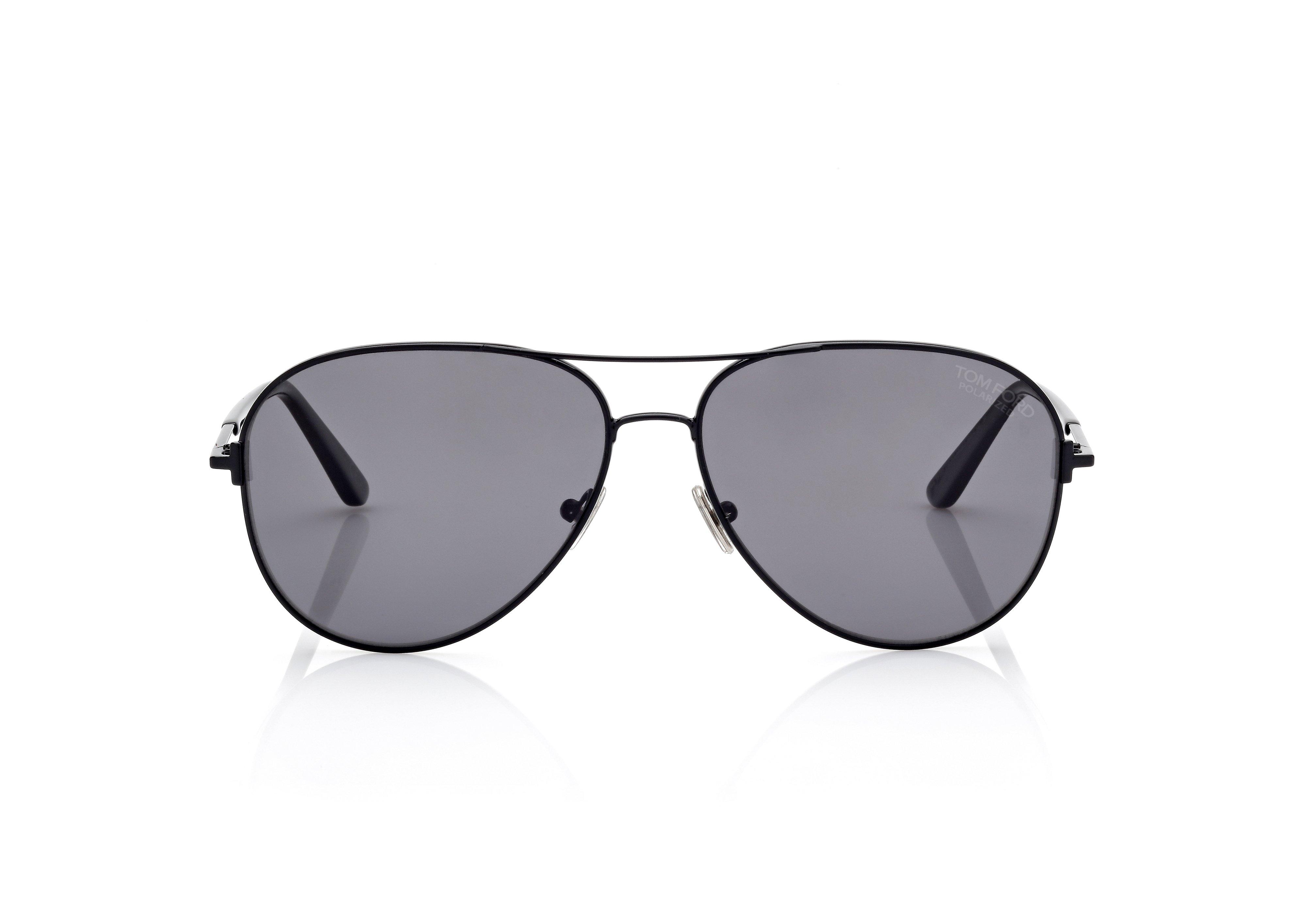
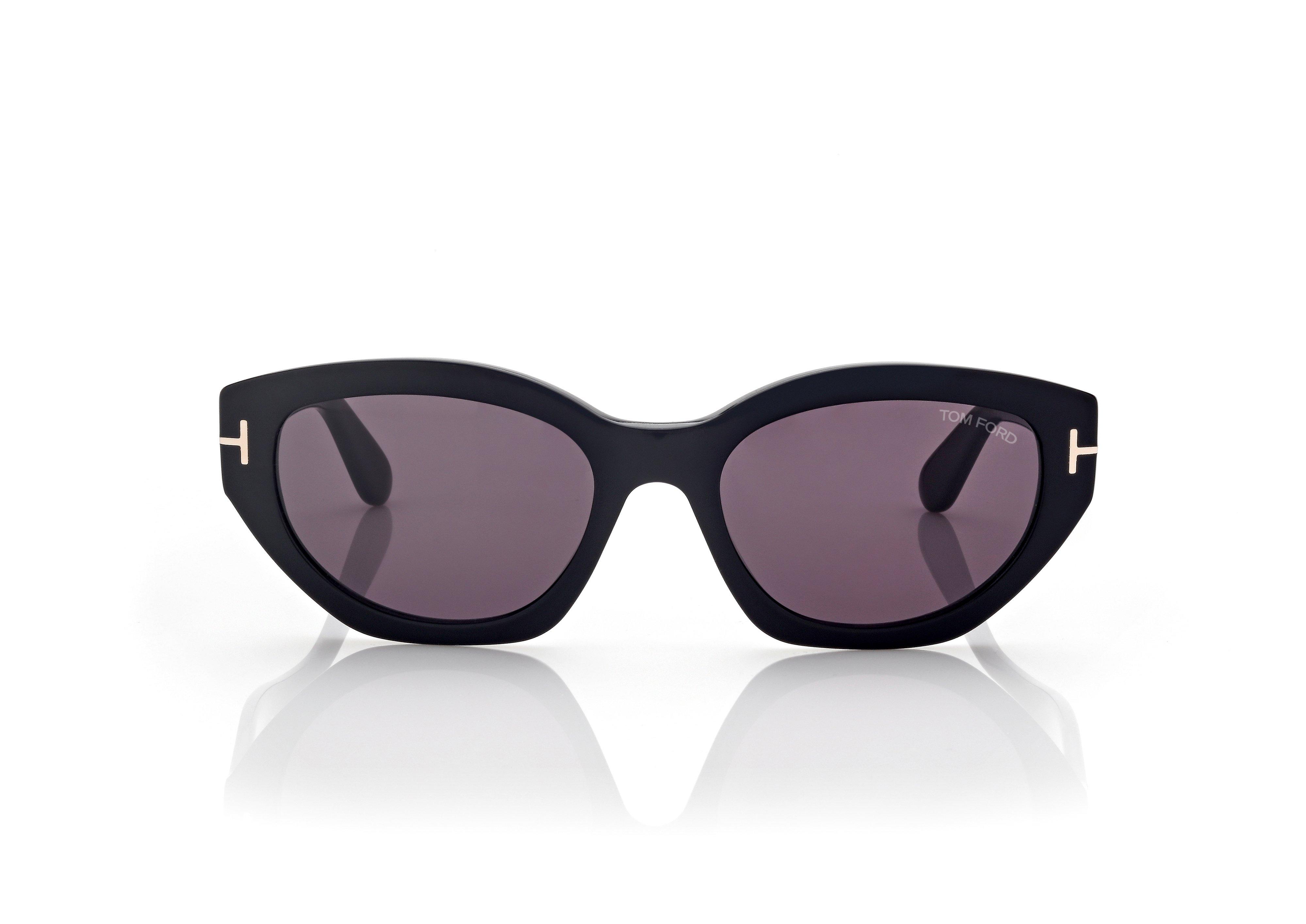
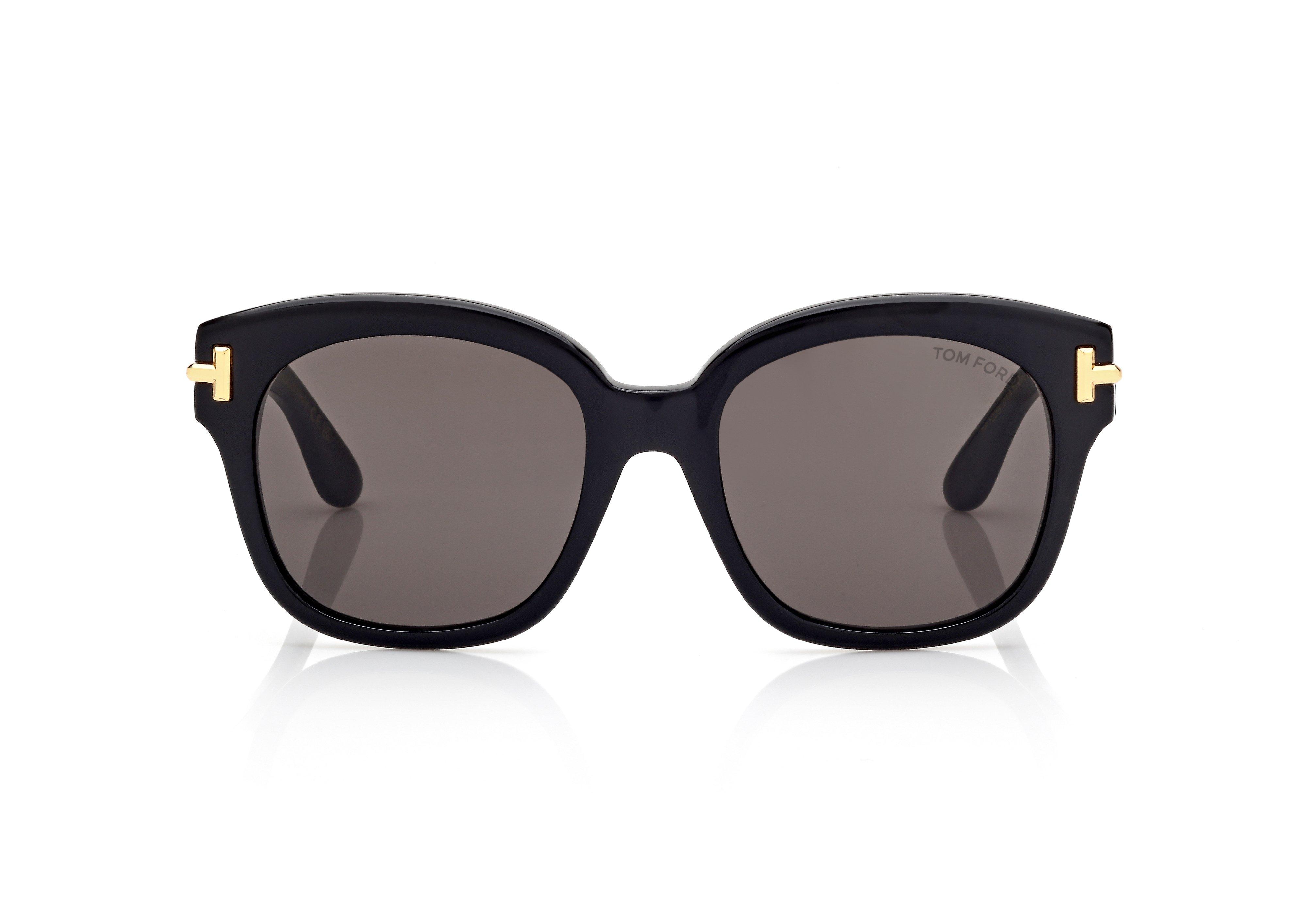
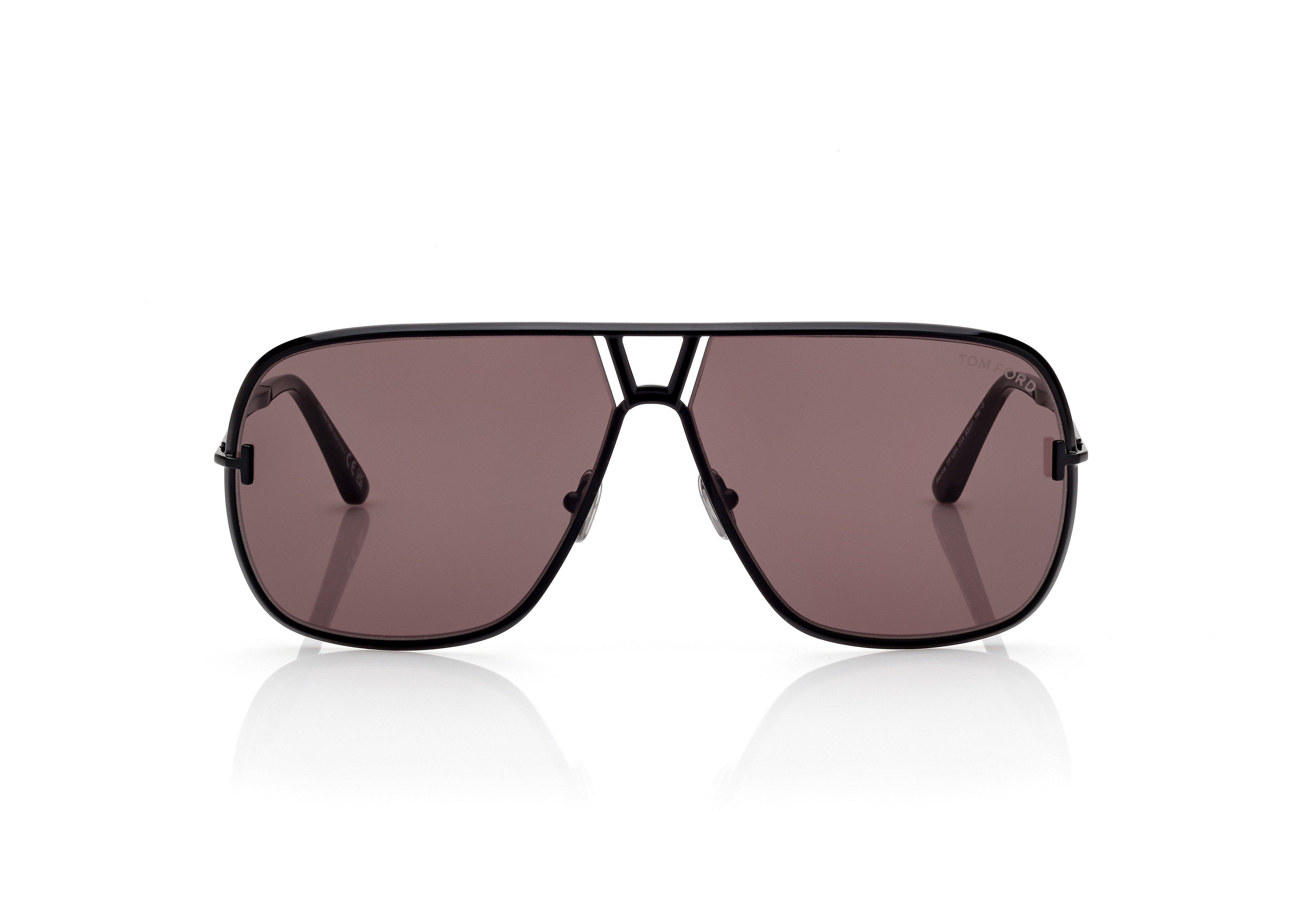
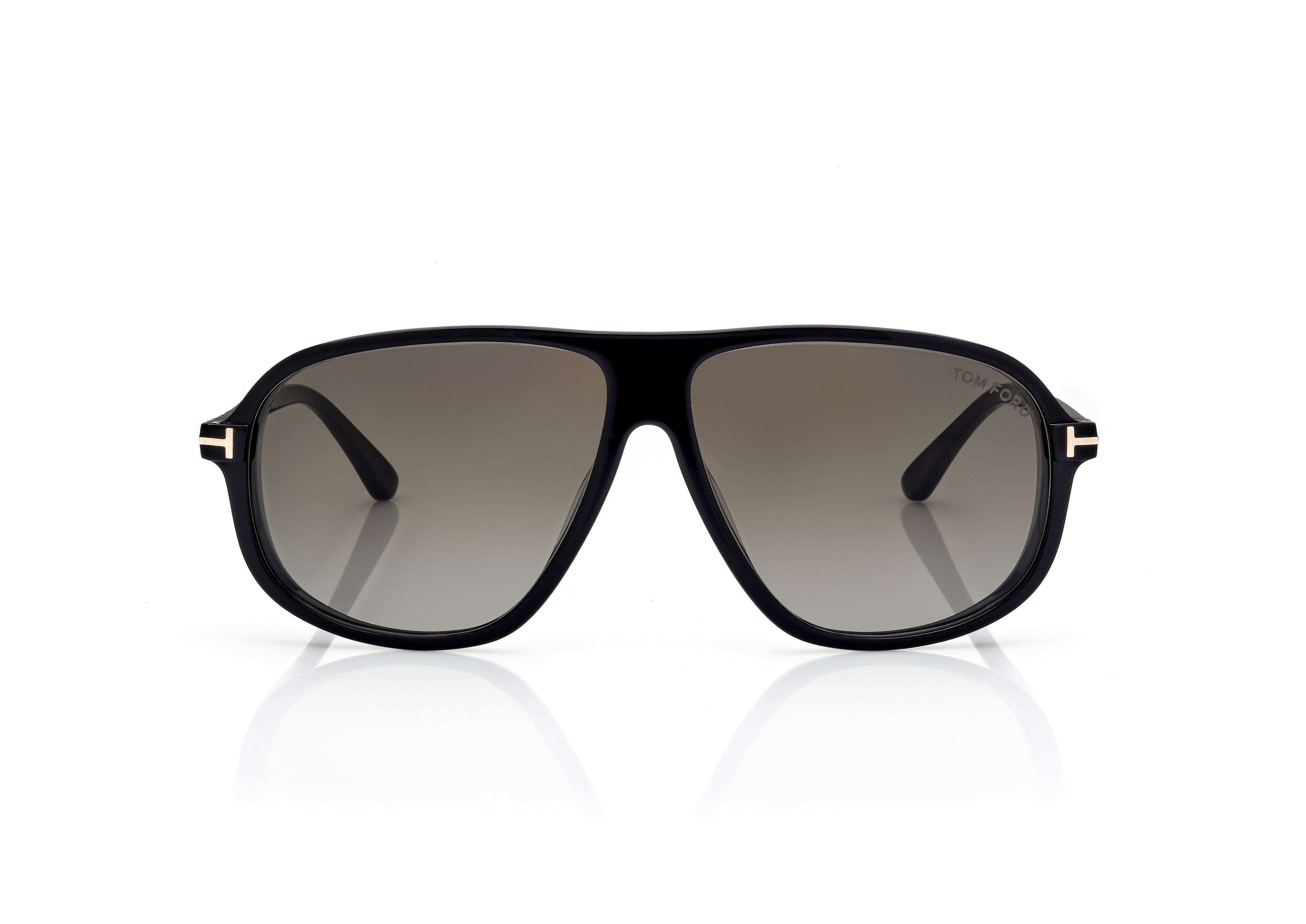
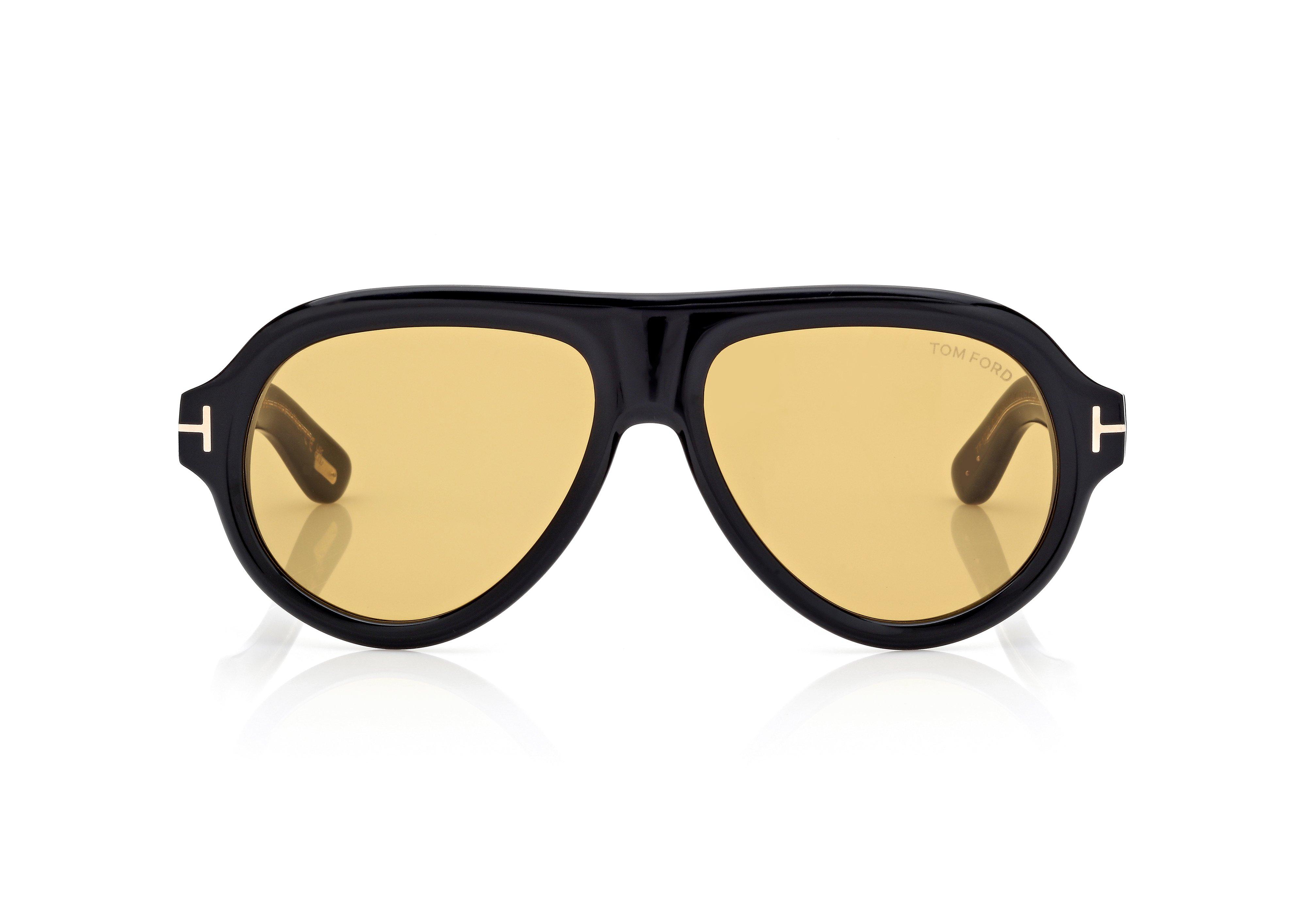
The accessories line, launched 2011, did the commercial lifting. The Natalia bag—a structured top-handle in calf with a metal T-bar closure—became the house's first recognisable shape. Not a bestseller on Cassette or Antigona scale, but steady. The sunglasses moved faster. Thick acetate frames, metal T hinges, lens shapes that photographed well on a face. By 2013, eyewear was forty per cent of revenue.
What Ford built during this stretch was a house that didn't rely on heritage because it didn't have any. The origin story was him. The aesthetic was him. The customer was someone who wanted that specificity, not the diffused idea of a maison with two centuries of back-catalogue to apologise for.
The risk, of course, was succession. When Ford sold the brand to Estée Lauder in 2022 for $2.8 billion, the deal included his continued involvement through 2023. After that, nothing was guaranteed. A house built on one person's taste doesn't always survive their departure. Sometimes it doesn't survive their presence.
Post-Ford: The Maison Without the Man
Ford stepped back from design in 2023. No farewell collection. No retrospective. The brand announced that menswear and womenswear would continue under an in-house team, with Ford remaining as an advisor. The spring 2024 show in Milan was the first without his name in the programme notes.
The collection itself was competent. Tailoring stayed close to the established codes—high armholes, nipped waists, trousers cut to pool slightly at the ankle. The eveningwear leaned harder into embellishment than Ford typically allowed: crystal-mesh column gowns, chainmail overlays, a velvet blazer dress with a neckline that dropped to the waist. It looked like a team working from a mood board rather than a singular point of view. Not bad. Just less specific.
The accessories, predictably, held steadier. The Natalia returned in three new sizes. A medium tote in grained calf, $2,400. A mini crossbody, $1,800. The T-bar hardware stayed consistent. The leather was still Italian, still supple, still finished to a matte hand that didn't scream but didn't apologise either. These are bags designed to work, not to make an entrance.
What's unclear is whether the house can sustain its positioning without Ford's curation. Luxury at this level isn't about making good product—it's about making the customer believe the product is for them specifically. Ford did that by controlling every image, every campaign, every casting choice. He shot most of the advertising himself until 2018. That kind of authorship doesn't transfer easily to a design team working under corporate oversight.
The retail footprint has expanded cautiously. Sixty-four stores globally as of 2024, up from fifty-eight in 2022. New openings in Seoul and Shanghai. No move into outlet or off-price channels. The brand still doesn't wholesale to department stores outside of a few fragrance and eyewear partnerships. It's a strategy that works if the product stays tight. It collapses if the assortment starts to feel generic.
What Remains
There's a photograph from the autumn 2016 campaign—shot by Ford, as usual—that ran in a handful of Italian magazines and nowhere else. A woman in a black column gown, seated in a leather club chair, legs crossed, holding a cigarette she hasn't lit. The dress is cut on the bias. No jewellery. No bag in the frame. The lighting is hard, unflattering in the way that only works if the face and the garment are both strong enough to take it.
That image is the house. Not the velvet tuxedo from the Gucci years. Not the logo sunglasses that move units. A piece of clothing worn by someone who doesn't need it to do anything except fit. Ford built a maison that understood desire as a form of discipline. Whether it survives without him depends on whether the next team understands that the opposite of restraint isn't excess. It's noise.