The fur room at Fendi's Via Solari headquarters is not the one you see in press materials
The fur room at Fendi's Via Solari headquarters is not the one you see in press materials. That space — all marble and archival vitrines — sits upstairs. The working atelier occupies the second floor, where natural light slants through north-facing windows onto cutting tables the size of dinner tables for twelve. A senior pellicciaio named Sergio once told me he could read the grain of a sable pelt the way a sommelier reads sediment. He was not being poetic. He meant it as fact.
This is where the conversation about Fendi ought to begin, but rarely does. The house has become synonymous with the Baguette, and before that the double-F logo, and before that the it bag economy it helped invent. Fair enough. But those are consequences, not codes. The actual grammar of Fendi — what makes a piece legible as Fendi even when stripped of monogram — lives elsewhere. In the treatment of fur as fabric. In a particular ratio of structure to softness. In the conviction, held since 1925, that a woman's daily uniform deserves the same technical attention as her evening cape.
A family business that never pretended otherwise
Adele and Edoardo Fendi opened a leather and fur workshop on Via del Plebiscito in Rome. The year was 1925. Mussolini had been in power eighteen months. The city still smelled of horse. They made handbags and fur stoles for the Roman bourgeoisie, and when their five daughters came of age, all five entered the business. Paola handled furs, Anna managed leather goods, Franca oversaw customer relations, Carla worked on coordination, Alda on sales. This was not a romantic arrangement. It was a practical one, born of necessity and a certain Roman pragmatism about family labour.
Karl Lagerfeld arrived in 1965, hired to design the fur collections. He was thirty-two. The partnership would last fifty-four years, until his death in 2019, making it the longest continuous designer-house relationship in modern fashion. But the structure mattered: Lagerfeld was creative director of furs, then of ready-to-wear, never of the house entire. Silvia Venturini Fendi, granddaughter of the founders, has led accessories since 1994. The division of labour remained clear. One designed, the other built. The family stayed.
What Lagerfeld understood, and what the partnership depended on, was that fur could be worked like any other textile. Not precious. Not rare. A material with a hand and a weight and a breaking point. He inlaid it, appliquéd it, cut it into strips and wove it with leather. He treated mink like denim. The technique had a name — trompe-l'oeil fur — and it became a house signature, though few outside the trade called it by name. You have seen it: a coat that reads as tweed from three metres, reveals itself as intarsia mink at arm's length.
The geometry of the everyday
Fendi's handbags do not announce themselves. The Peekaboo, introduced in 2008, has no external logo. Its only ornament is the twist-lock closure and the contrast lining visible when the bag is opened — hence the name. The structure is rigid. The leather is often calf, occasionally hand-painted in sfumato gradients that take six hours per hide. The bag closes with a mechanical precision that suggests watchmaking more than leatherwork.
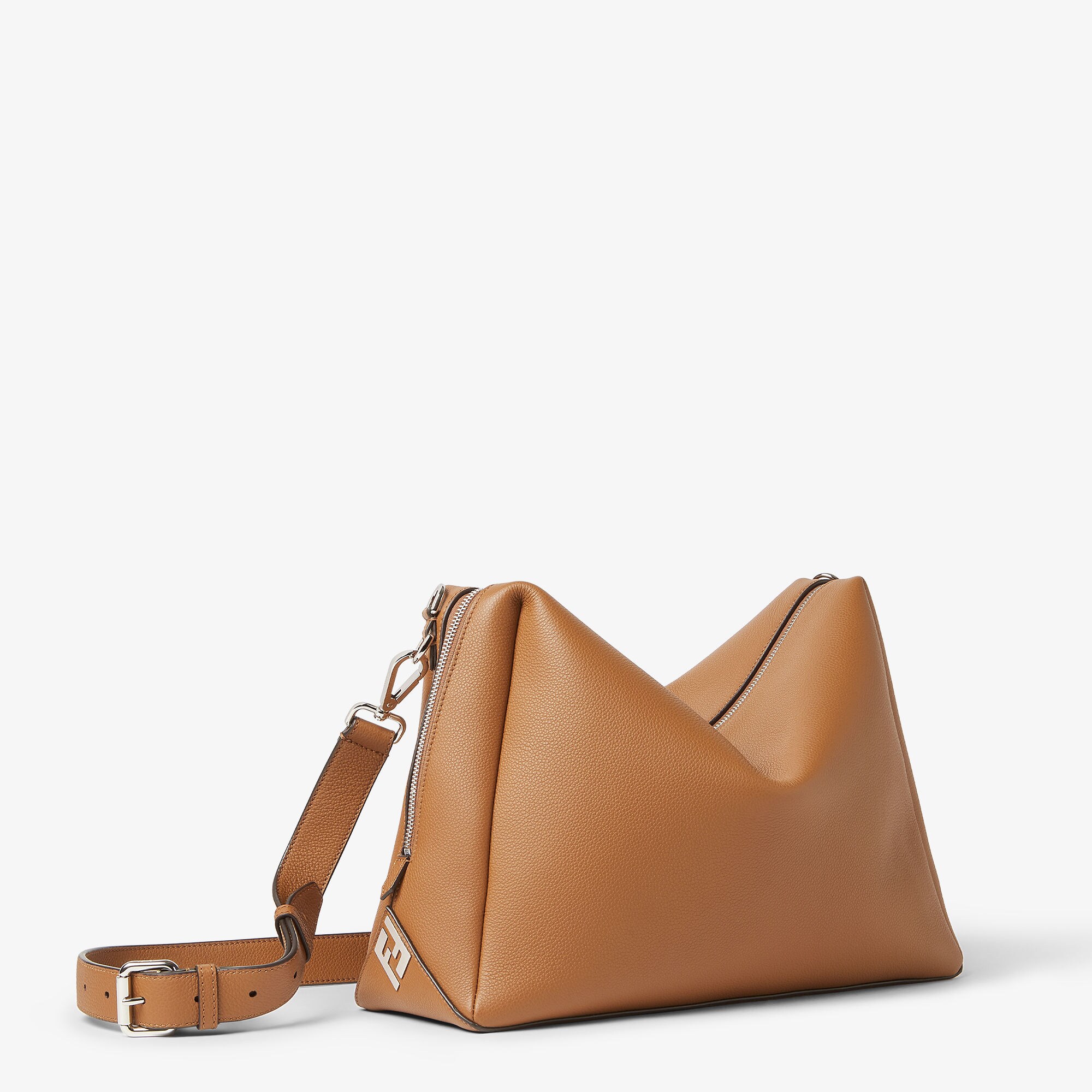
Silvia Venturini Fendi has said, in print, that she thinks of bags as architecture for the hand. The Peekaboo bears that out. Its proportions derive from the golden ratio. The base is wider than the height by a factor of 1.6. The handles are set at intervals that mirror the internal compartments. This is not information the house advertises. It is simply how the bag is made.
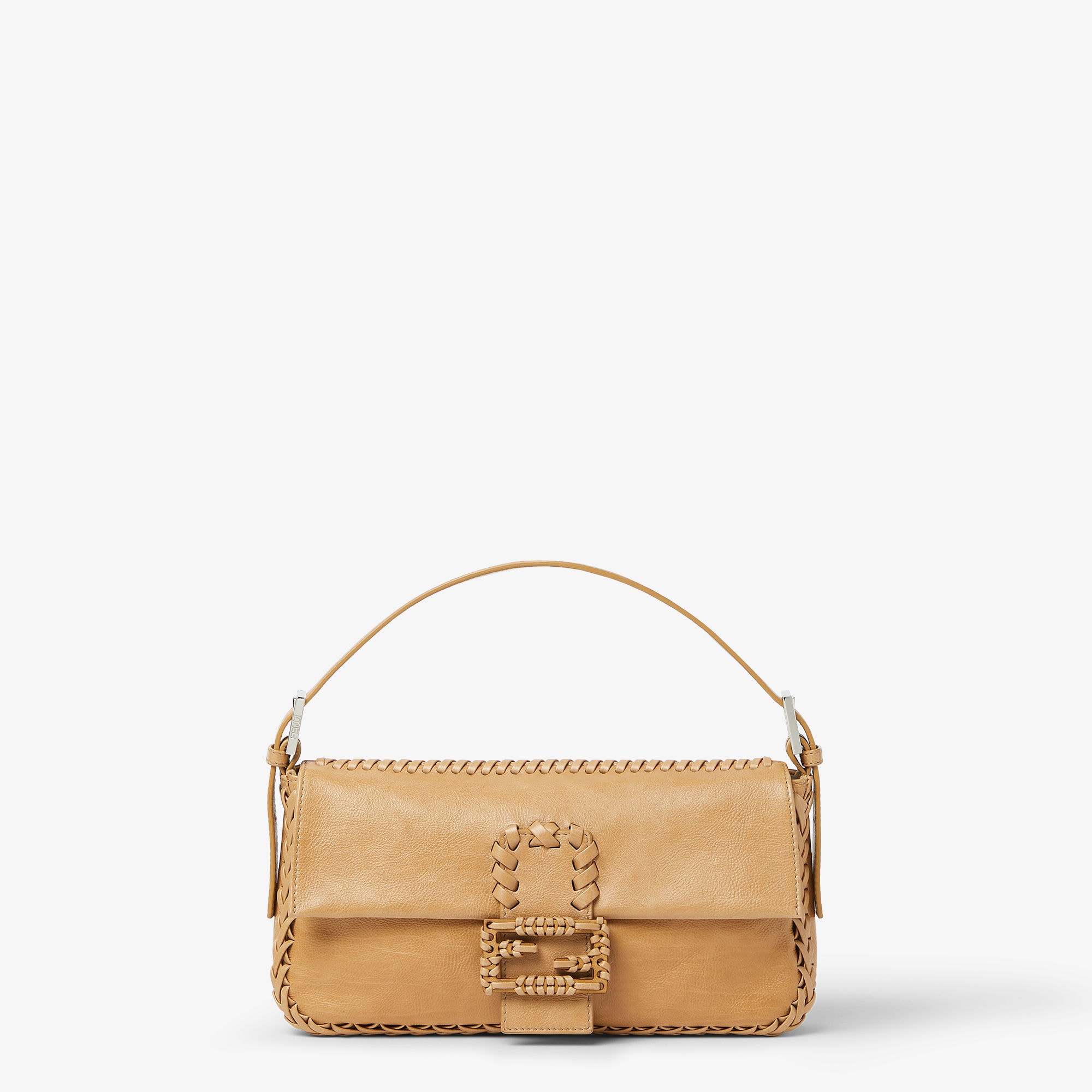
The Baguette, by contrast, is soft. Designed in 1997, it was named not for the shape but for the way a Frenchwoman carries a loaf under her arm. The bag sits against the ribs, held by a short strap. It has been produced in more than a thousand variations — sequins, beads, embroidery, crocodile, shearling, terry cloth — but the template remains fixed. Compact. Curved. Close to the body. The opposite of a status tote.
What links them is not aesthetic but approach. Both bags assume a woman moves through her day with intent. She does not carry a bag; she wears it. The distinction is functional, not philosophical. A Peekaboo holds a laptop, a notebook, a change of shoes. A Baguette holds a phone, a card case, keys. Neither bag is designed to be noticed. Both are designed to be used.
The codes that don't photograph
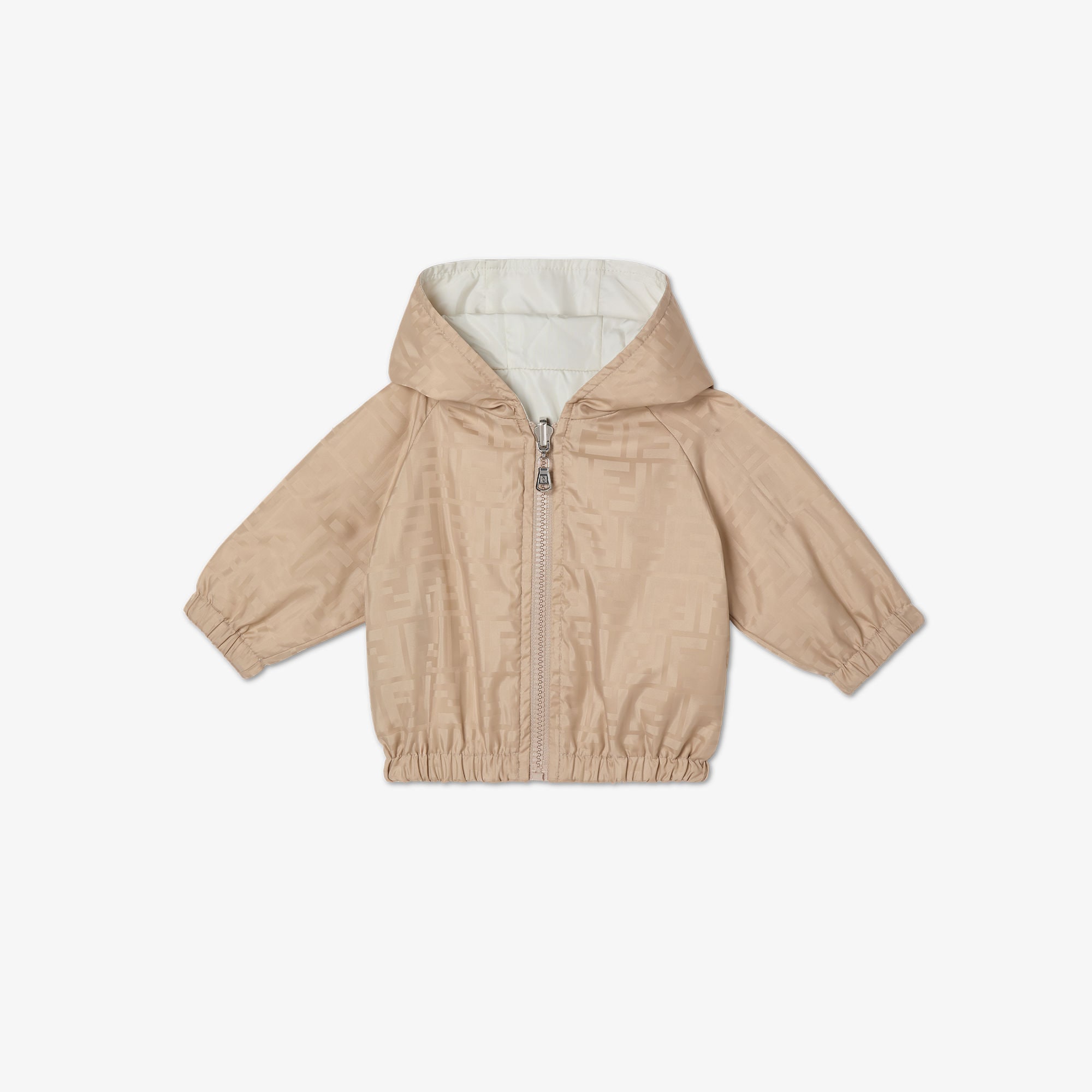
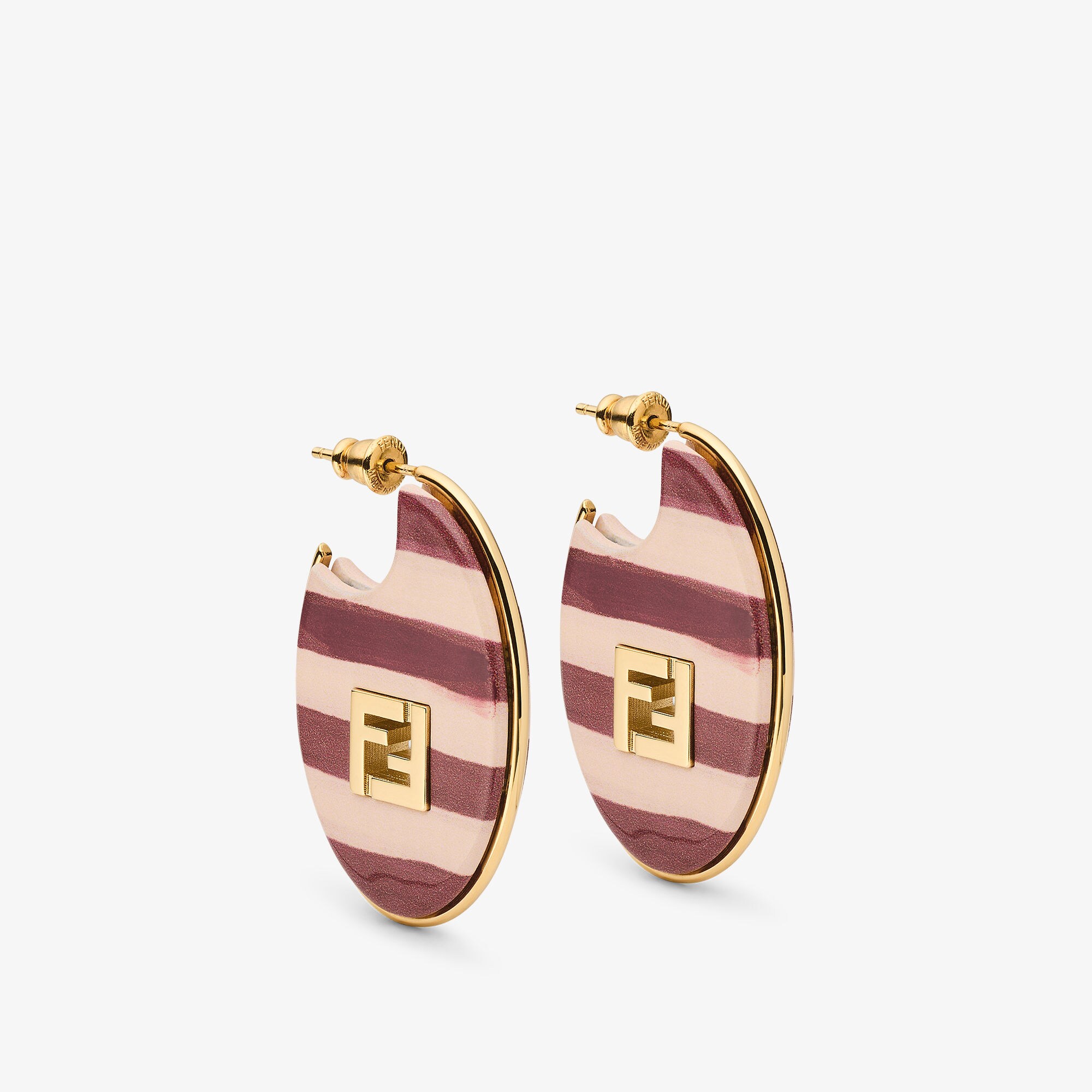
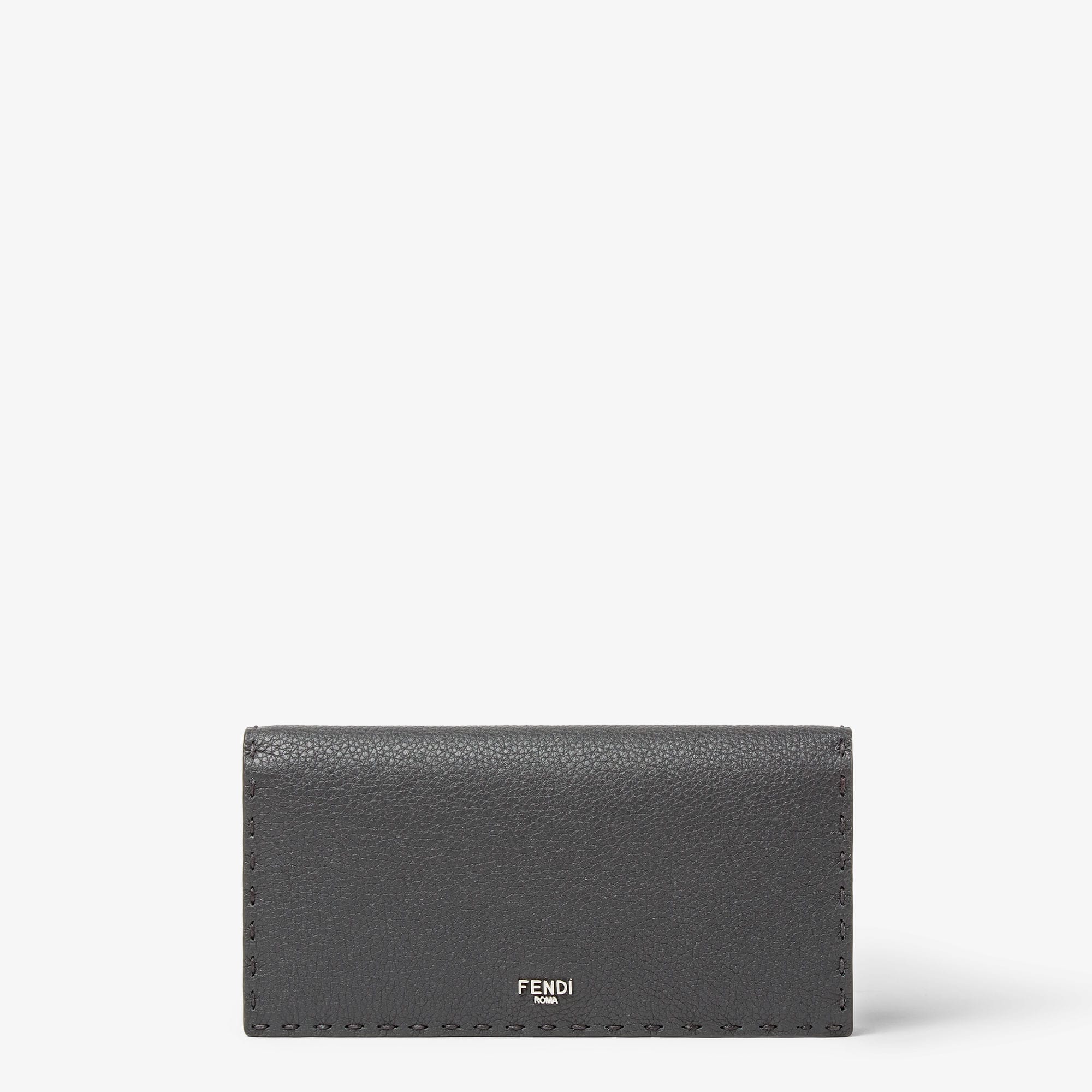
Fendi's monogram is everywhere now, printed on nylon, embossed on leather, woven into knits. But the house's quieter signatures — the ones that predate logo culture — remain consistent. A preference for tonal colour blocking. The use of contrast topstitching in a thread weight slightly heavier than industry standard. A recurring motif of inverted pleats, which add volume without bulk. The selleria stitch, borrowed from saddle-making, which runs along the edges of certain bags at a rate of two millimetres per stitch.
These are not details a customer names when explaining why she bought the coat. But they are what she sees when she looks at it on the hanger three years later and still finds it correct.
Kim Jones, who took over women's ready-to-wear in 2020 following Lagerfeld's death, has leaned into the house's Roman roots. Not the Rome of the Grand Tour, but the Rome of the 1970s, when the Fendi sisters were at their peak and the atelier was still a family affair. His collections reference that era's ease — wide trousers, unstructured blazers, flat sandals — without pastiche. He has also continued the fur-as-fabric ethos, though the material itself has shifted. Shearling, often left with the wool on. Shaved mink that reads as suede. Leather treated to mimic the drape of silk.
The question of fur itself looms, as it does for any house built on pellicceria. Fendi has not banned it, as some houses have. Instead, the atelier has moved toward what it calls "responsible fur," sourced from farms that meet welfare standards set by third-party auditors. Whether this is sufficient is a matter of ongoing debate. What is not debatable is that the technical knowledge required to work fur at this level — the hand skills, the pattern-making, the understanding of how different pelts behave under tension — exists in fewer and fewer places. The pellicciai at Via Solari are, on average, fifty-eight years old.
What remains
There is a photograph, not widely circulated, of the five Fendi sisters in the late 1980s. They are seated in the fur atelier, surrounded by pelts in various stages of assembly. Paola is gesturing toward a seam. Anna is checking a pattern. The others are watching. No one is looking at the camera. The image is not styled. It is a document of work.
The house has since been sold twice — first to Prada, then to LVMH — and the sisters have aged out of daily operations. But the image holds. Fendi remains, at its core, a place where technique is not secondary to concept. It is the concept. The Baguette succeeded not because it was clever, though it was, but because the construction was sound. The Peekaboo endures not because it is beautiful, though it is, but because the frame does not warp.
A colleague once asked Silvia Venturini Fendi what she wanted people to understand about the house. She said, "We make things." Not designs. Not collections. Things. Objects that occupy space, that have weight, that last. It is a modest claim, and an increasingly rare one.