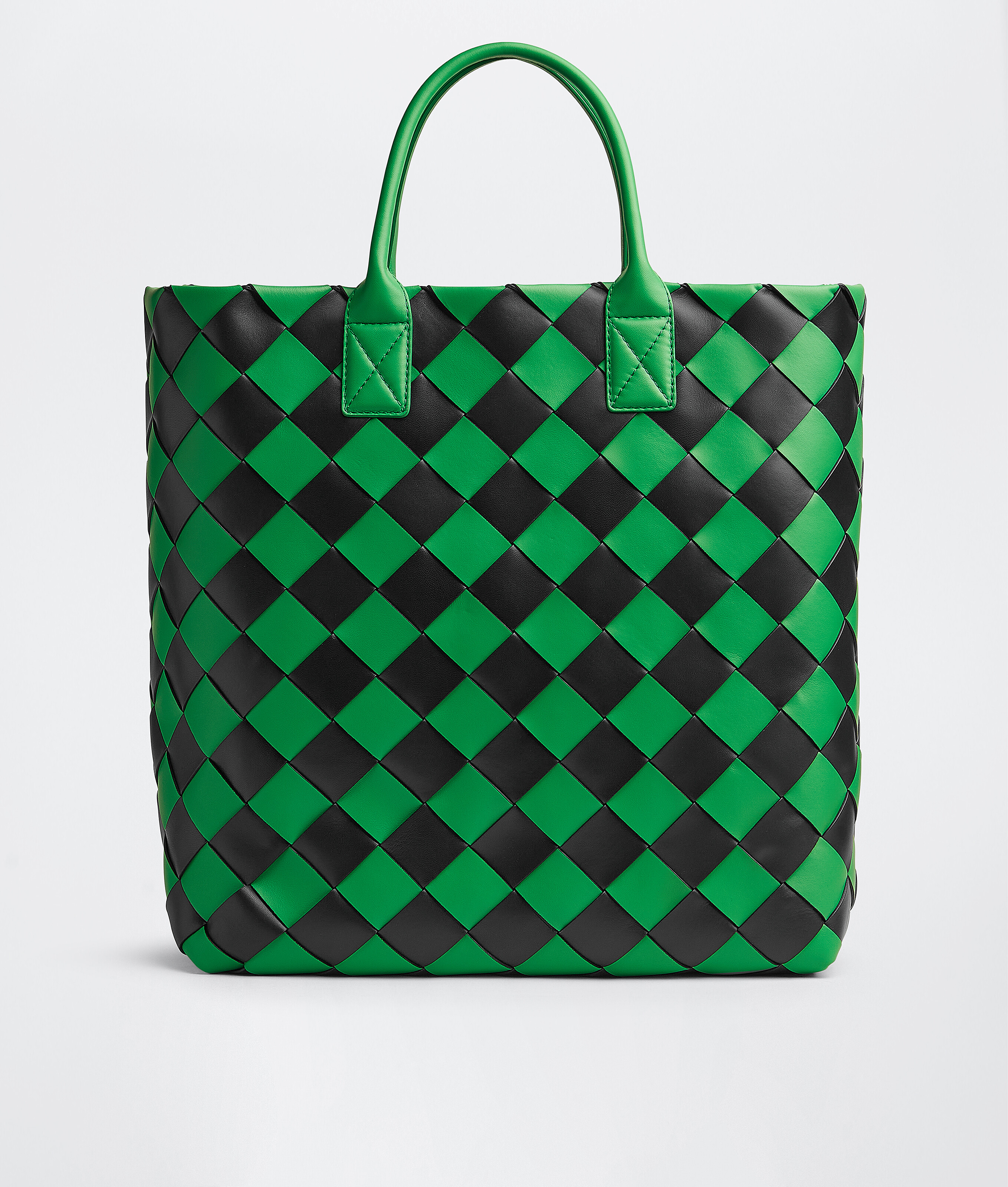
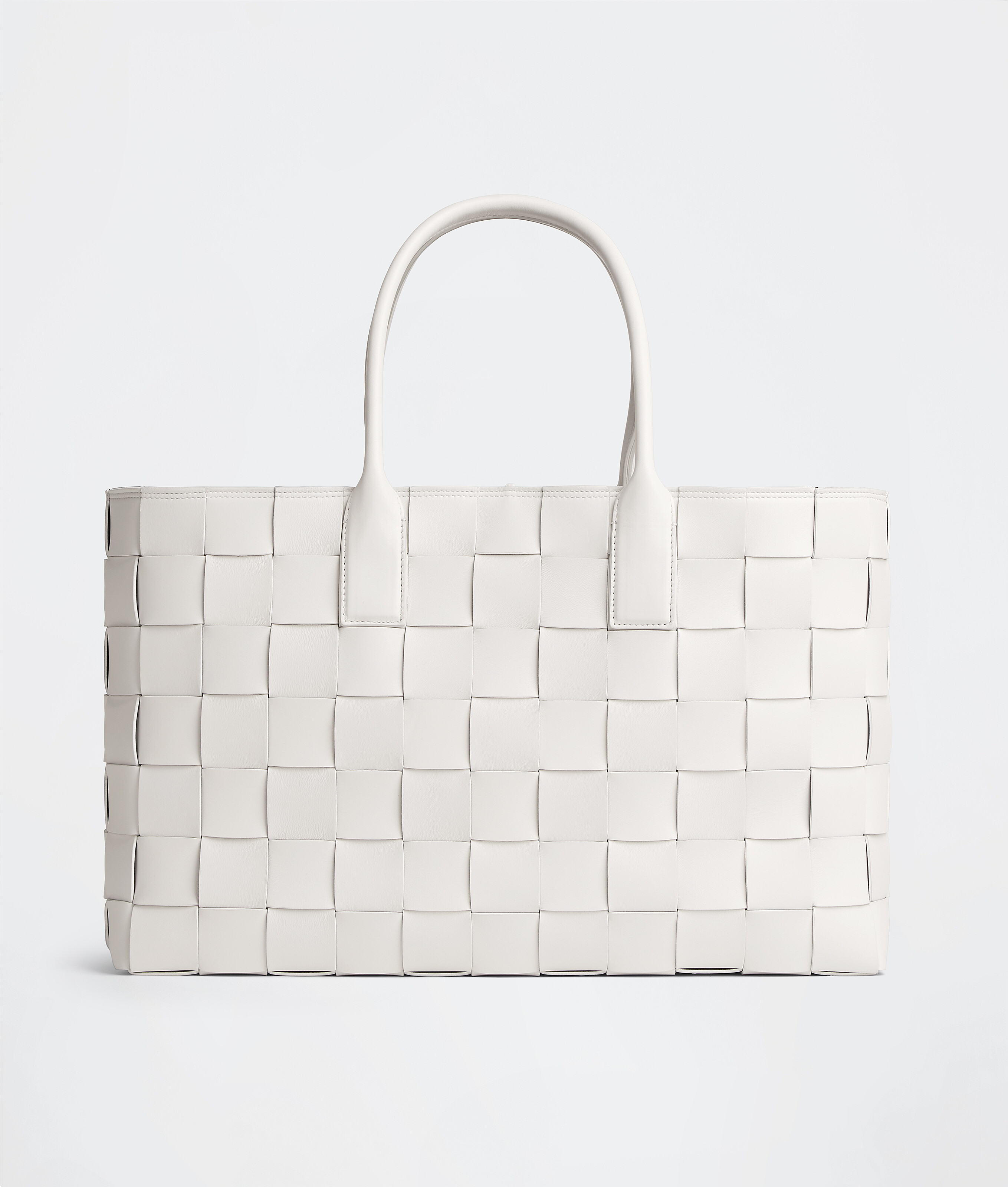
The Intrecciato weave takes twelve hours to complete by hand
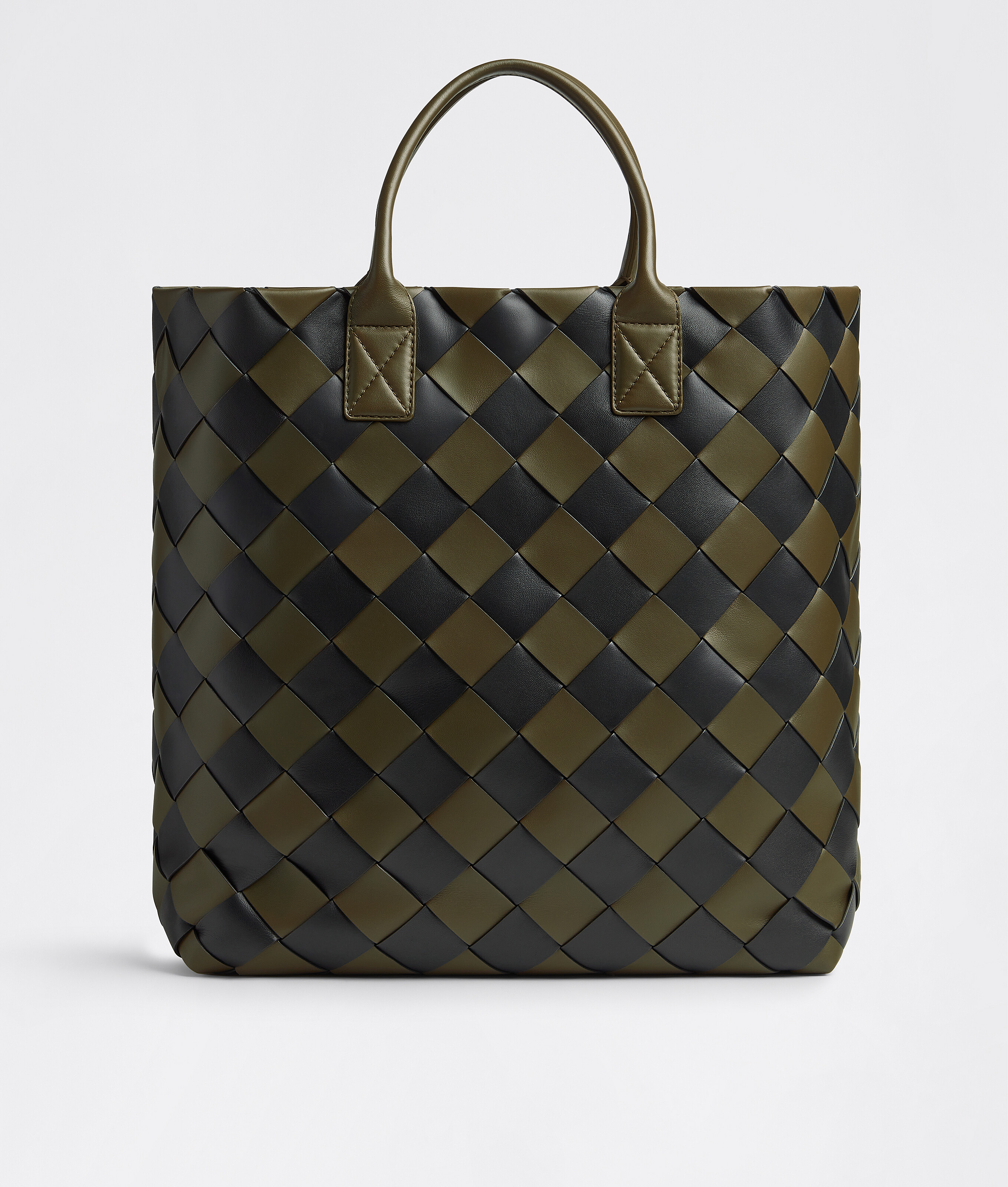
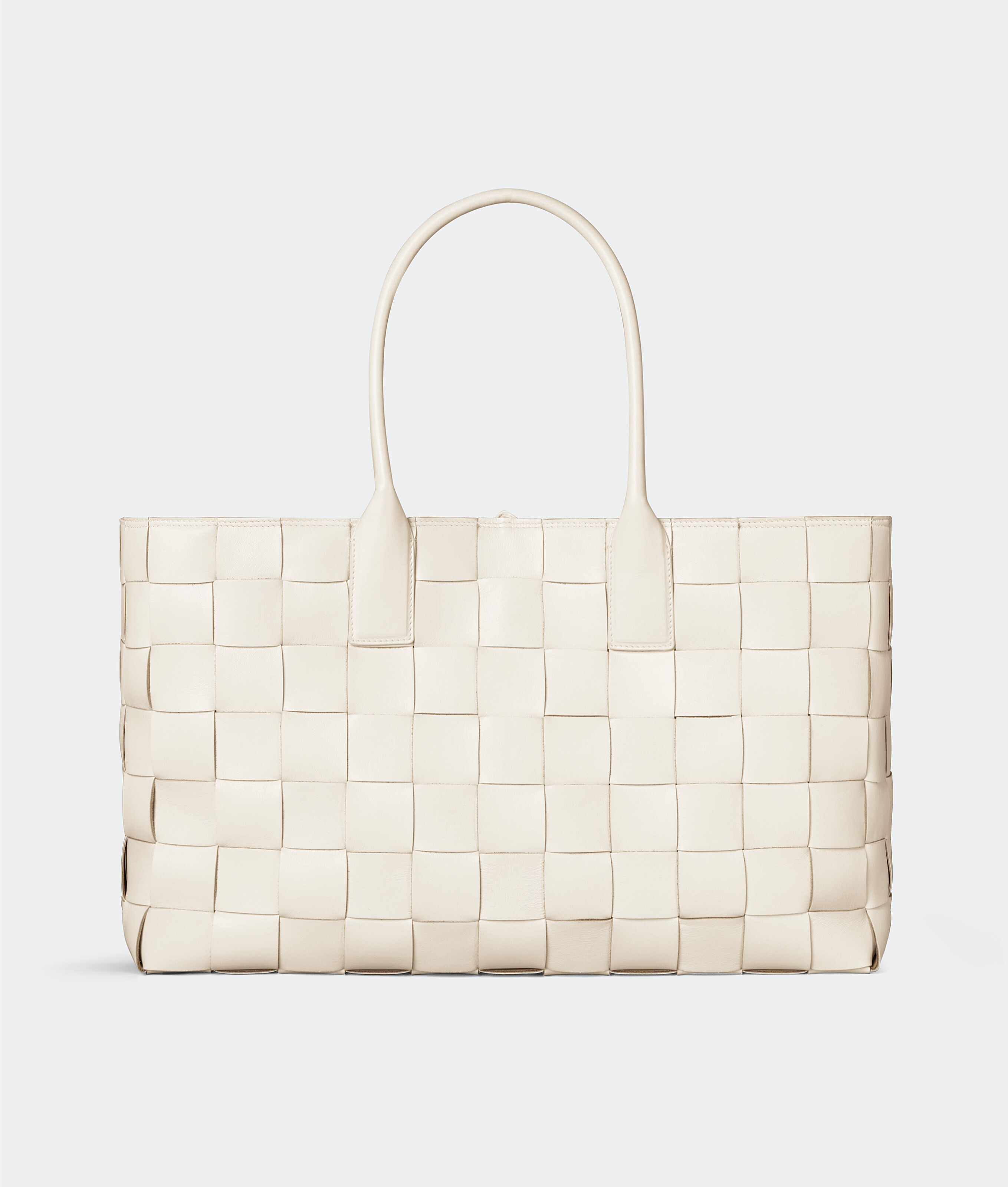
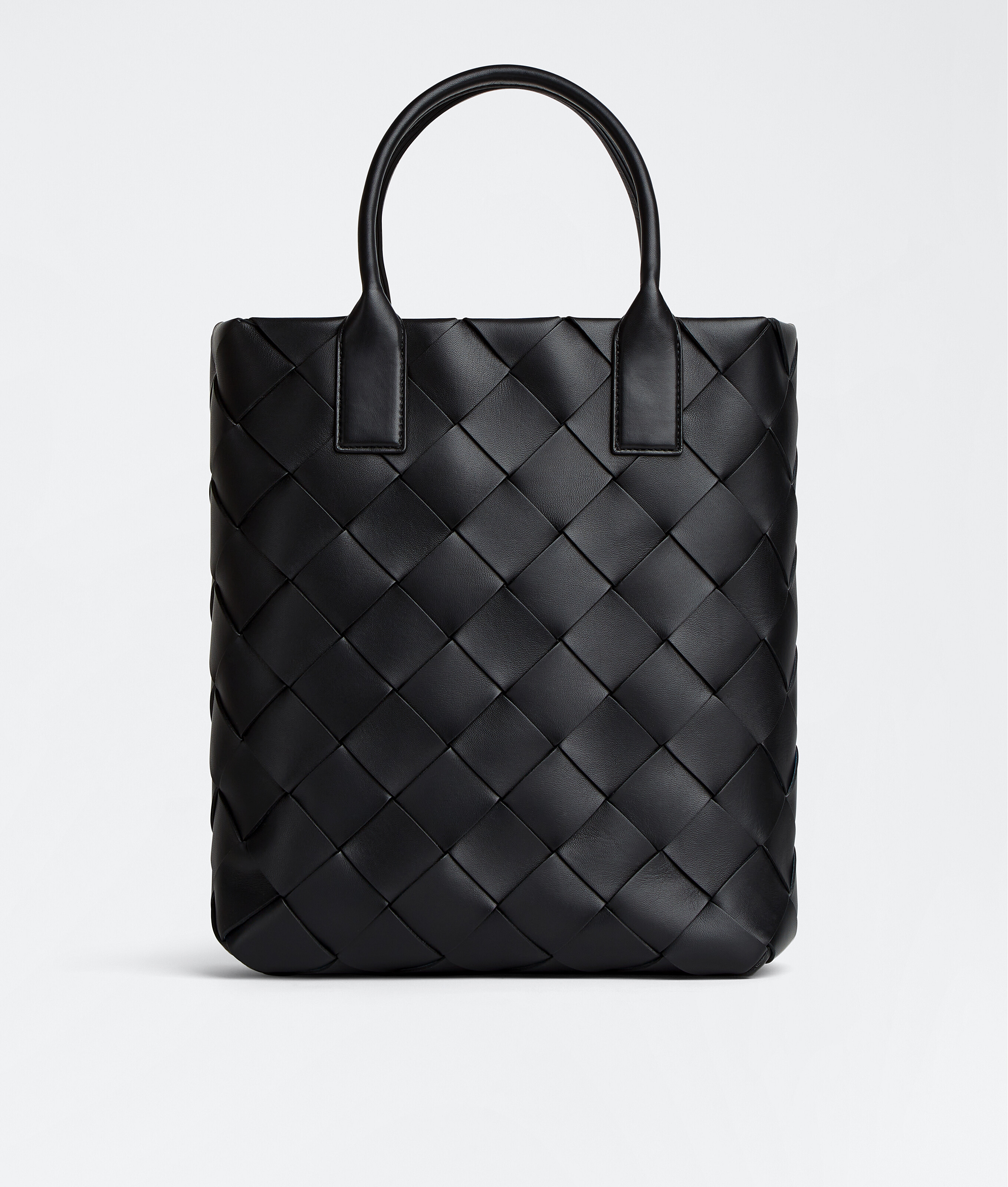
The Intrecciato weave takes twelve hours to complete by hand. You will not see the stitching. The leather strips are woven tight enough that thread becomes unnecessary, and the bag holds its shape without interior structure. This is the technical foundation of Bottega Veneta, and it has remained unchanged since 1966.
The house was founded in Vicenza by Michele Taddei and Renzo Zengiaro as a leather goods workshop. The name translates to "Venetian workshop," which is exact. For the first two decades, Bottega Veneta produced bags and small leather goods with no visible branding. The Intrecciato — a tight, geometric weave — became the house signature not because it was decorative but because it was structural. Woven leather is stronger than stitched panels. The technique came from necessity, then became recognition.
In 2001, Tomas Maier arrived as creative director. He stayed eighteen years. Under Maier, Bottega Veneta formalised its aesthetic around restraint. The advertising featured no faces, only hands holding bags or bodies in motion. The house coined "When your own initials are enough" as a tagline, which was direct positioning against the monogram boom of the early 2000s. Maier expanded into ready-to-wear and introduced the Knot clutch, the Cabat tote, and the Veneta hobo. These styles are still in production. The colour palette during this period leaned into deep greens, burnt orange, and a specific shade the house called parakeet.
Daniel Lee took over in 2018. He was thirty-two. Within two seasons, he shifted the house toward volume and hardware. The Pouch — a soft, gathered clutch with no structure — became the defining shape of his tenure. It was followed by padded sandals, chain-link jewellery, and outerwear with exaggerated proportions. Lee's Bottega Veneta felt younger and louder, though it kept the no-logo rule. He won the LVMH Prize in 2017 for his own label and left Bottega Veneta in 2021.
Matthieu Blazy, previously the house's ready-to-wear director, was named creative director in November 2021. His first collection for spring 2022 opened with a leather trench coat that appeared to be disintegrating — frayed edges, pulled threads, raw seams. It was trompe-l'œil. The coat was intact. The fraying was woven in. Blazy's work centres on material play and construction as concept. He treats garments as objects to be examined up close, which aligns with the house's leather goods legacy. Under his direction, the house has introduced bags that look like crumpled paper, knits that mimic denim, and denim that mimics knits. The work is technically rigorous and occasionally funny, which is rare in luxury.
What to know before buying
Bottega Veneta does not follow seasonal discounting. The house pulled out of wholesale in 2021 and does not participate in department store sales. Pieces are available only through Bottega Veneta directly — boutiques and the house website. This means prices are stable, but it also means there is no entry point through outlet channels. You pay full price or you wait for the secondary market.
The Intrecciato remains the clearest identifier. If you want a piece that reads as Bottega Veneta without visible branding, start with a woven leather bag. The Cassette — a rectangular shoulder bag with a quilted, woven exterior — is the current high-volume style. It is available in multiple sizes and colourways. The small Cassette starts around $3,200. The mini is closer to $2,400. The bag is structured enough to hold a laptop in the larger sizes and soft enough to fold slightly when empty. The chain strap is adjustable and can be worn crossbody.
The Jodie is a gathered hobo with a single knotted handle. It comes in small, medium, and large. The small Jodie starts around $3,000. The medium is closer to $3,600. The shape is softer than the Cassette and works better as an everyday bag if you carry minimal items. The knot is a callback to the Knot clutch from the Maier era, though the Jodie is larger and more casual. The bag sits under the arm rather than being held in the hand.
The Arco is a top-handle tote with a curved silhouette. It was introduced under Lee and remains in the current lineup. The structure is firmer than the Jodie, and the bag stands upright when set down. Prices start around $3,800 for the small size. The Arco works for travel or as a work bag. It does not have an adjustable strap, so it is carried by hand or in the crook of the arm.
For smaller leather goods, the Intrecciato card case starts around $450. The continental wallet is closer to $800. Both are woven and unlined, which means the leather is visible on both sides. The weave is tight enough that cards do not slip through. The wallet has twelve card slots and two bill compartments. It is thicker than a flat cardholder but thinner than a bifold.
Bottega Veneta's ready-to-wear is less accessible in terms of price. Knits start around $1,200. Outerwear begins closer to $4,000. The tailoring is precise — high armholes, narrow shoulders, trousers cut with a slight break at the ankle. Sizing runs slim, particularly in shirting and knitwear. The house produces a small run of men's and women's denim each season, usually in a straight or wide leg. Prices are around $900. The denim is heavyweight, closer to 14 ounces, and does not stretch.
Shoes are a separate consideration. The Puddle boot — a knee-high style with a chunky lug sole — was introduced under Lee and is still produced. It runs around $1,800. The Tire boot, with a tread-patterned sole, is closer to $1,400. Both styles are unisex and size up to a 46 in European sizing. The Stretch sandal, a padded style with a square toe, starts around $900. It was widely copied after its debut in 2019, which means the original is now harder to distinguish at a glance. The sole is thicker than most luxury sandals, closer to two inches at the heel.
Where the house stands now
Bottega Veneta is currently in a position of technical credibility and cultural momentum. Blazy's collections are critically well-received, and the house is producing garments that function as case studies in construction. The spring 2024 collection included a coat made from jeans pockets, seamed together with visible topstitching. It was not wearable in a practical sense, but it was exact in its reference to denim as a material language. That kind of work builds authority.
The house's decision to exit wholesale has created scarcity without relying on limited releases. You cannot browse Bottega Veneta at a department store, which makes the boutique experience more controlled. The interiors are minimal — terrazzo floors, low shelving, no signage. The staff is trained to discuss materials and construction rather than trend. It is a slower retail environment, which works in the house's favour.
Bottega Veneta does not collaborate. There are no capsule collections with artists or crossover projects with streetwear labels. The house does not produce logo T-shirts or entry-level accessories with visible branding. This limits the audience but clarifies the position. You buy Bottega Veneta because you want the weave or the cut, not because you want the name visible.
The Intrecciato takes twelve hours. The leather is Italian. The bag holds without stitching. You can start there.