The Peekaboo arrived in showrooms in 2008 with a frame so structured it could stand upright on a desk
The Peekaboo arrived in showrooms in 2008 with a frame so structured it could stand upright on a desk. Silvia Venturini Fendi designed it to open both ways — hence the name — and to hold its shape even when empty. Fifteen years later, it still does. That's unusual. Most bags designed in the late aughts now read as time-stamped, but the Peekaboo has settled into something closer to furniture. You see it on the train from Termini to Fiumicino, carried by women in their fifties who bought it once and kept it.
That bag tells you something about Fendi: the house builds objects that last longer than the mood that produced them. But it doesn't tell you where the house stands now, in 2025, as the luxury sector contracts and LVMH — Fendi's parent since 2001 — begins to speak more carefully about growth.
The inheritance structure
Fendi was founded in 1925 by Adele and Edoardo Fendi as a leather and fur atelier on Via del Plebiscito in Rome. By the 1960s, their five daughters — Paola, Anna, Franca, Carla, Alda — had taken over, each assigned a division: furs, leather goods, sales, administration, customer relations. Karl Lagerfeld arrived in 1965 to design furs and stayed for fifty-four years. Silvia Venturini Fendi, third generation, joined in 1994 and now oversees accessories and menswear.
This is a house built on continuity, not rupture. Even when LVMH acquired majority control, the Fendi family remained involved. Silvia still works from the Palazzo della Civiltà Italiana — the square Colosseum — in EUR, the same building Fendi moved into in 2015. That address matters. Most Roman houses decamped to Milan or Paris decades ago. Fendi stayed.
The question is whether staying has been strategy or inertia.
The Kim Jones era
Kim Jones was appointed artistic director of womenswear and couture in September 2020, taking over from the late Lagerfeld. The appointment made sense on paper: Jones had revived Dior Men, understood LVMH's operational cadence, and could work fast. But Fendi womenswear is not Dior Men. The house had spent half a century defined by fur, by Roman craft, by a specific kind of controlled opulence that didn't translate easily into streetwear-inflected ready-to-wear.
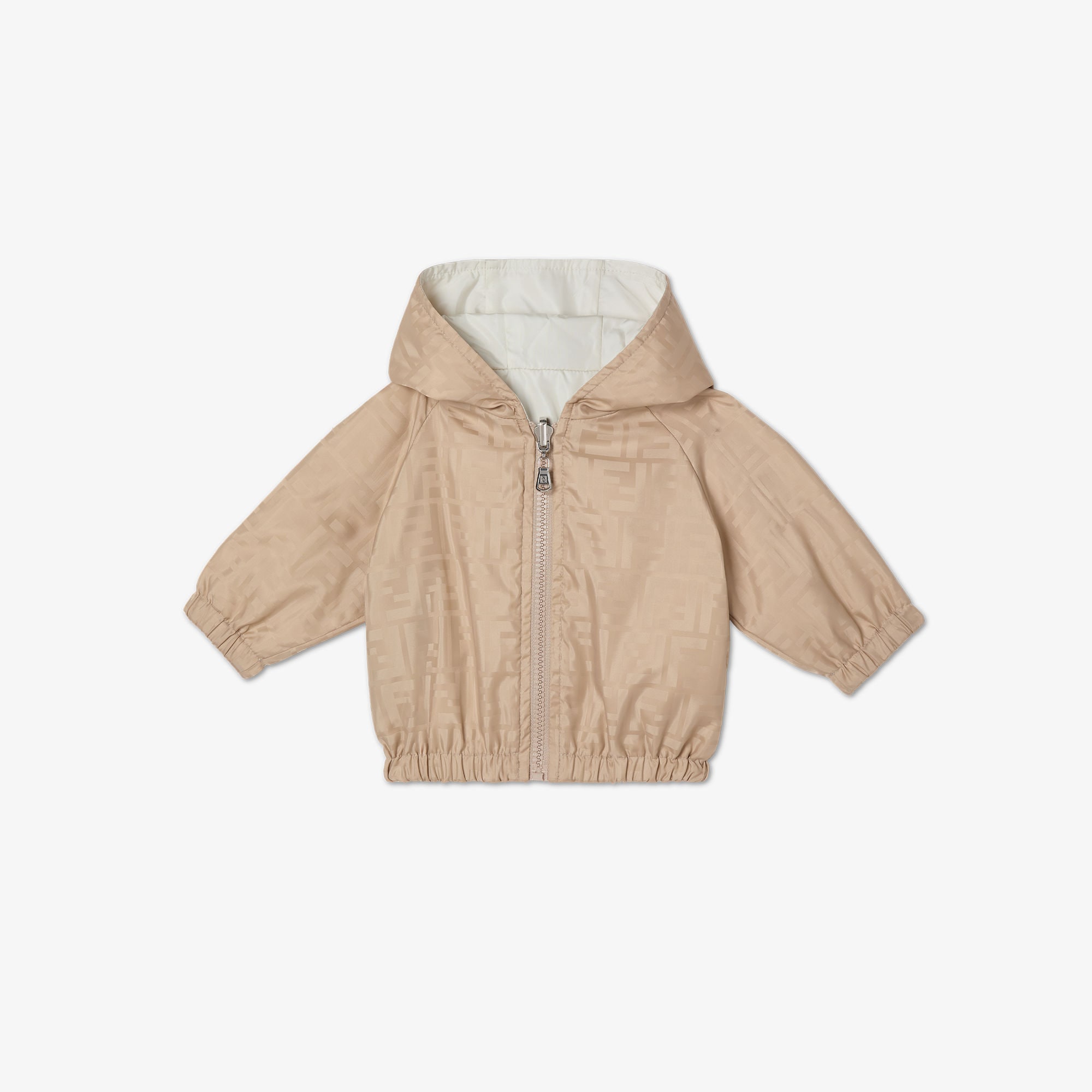
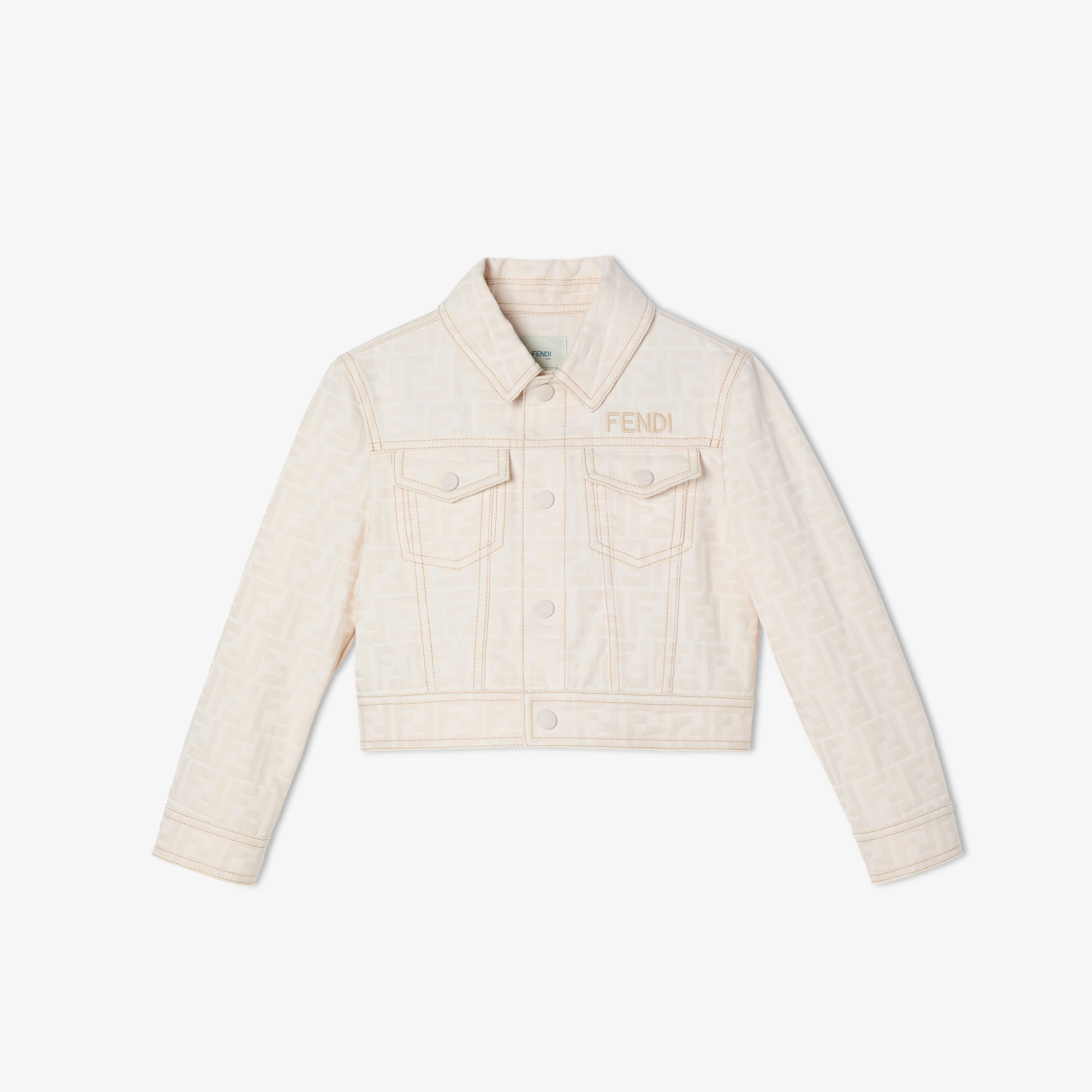
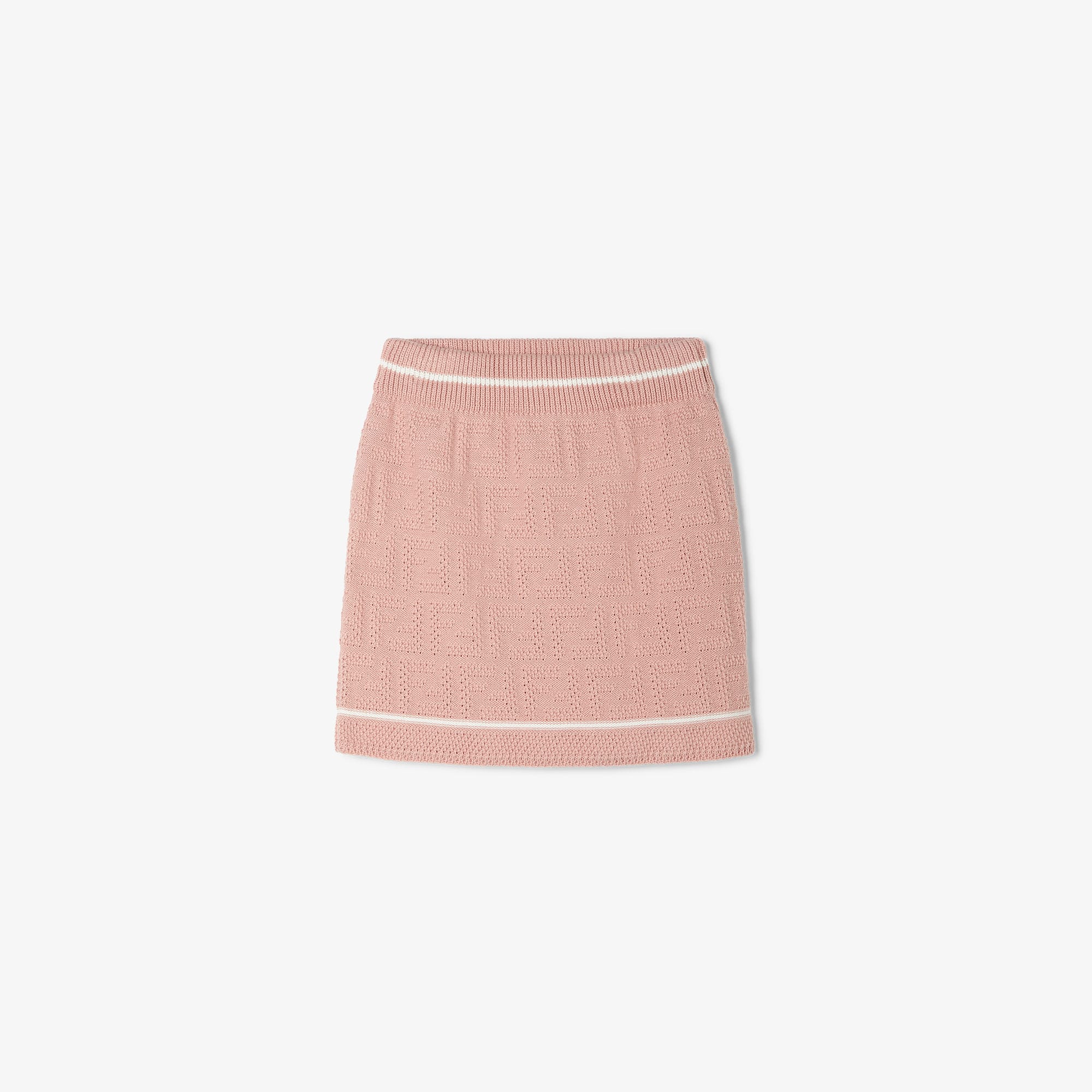
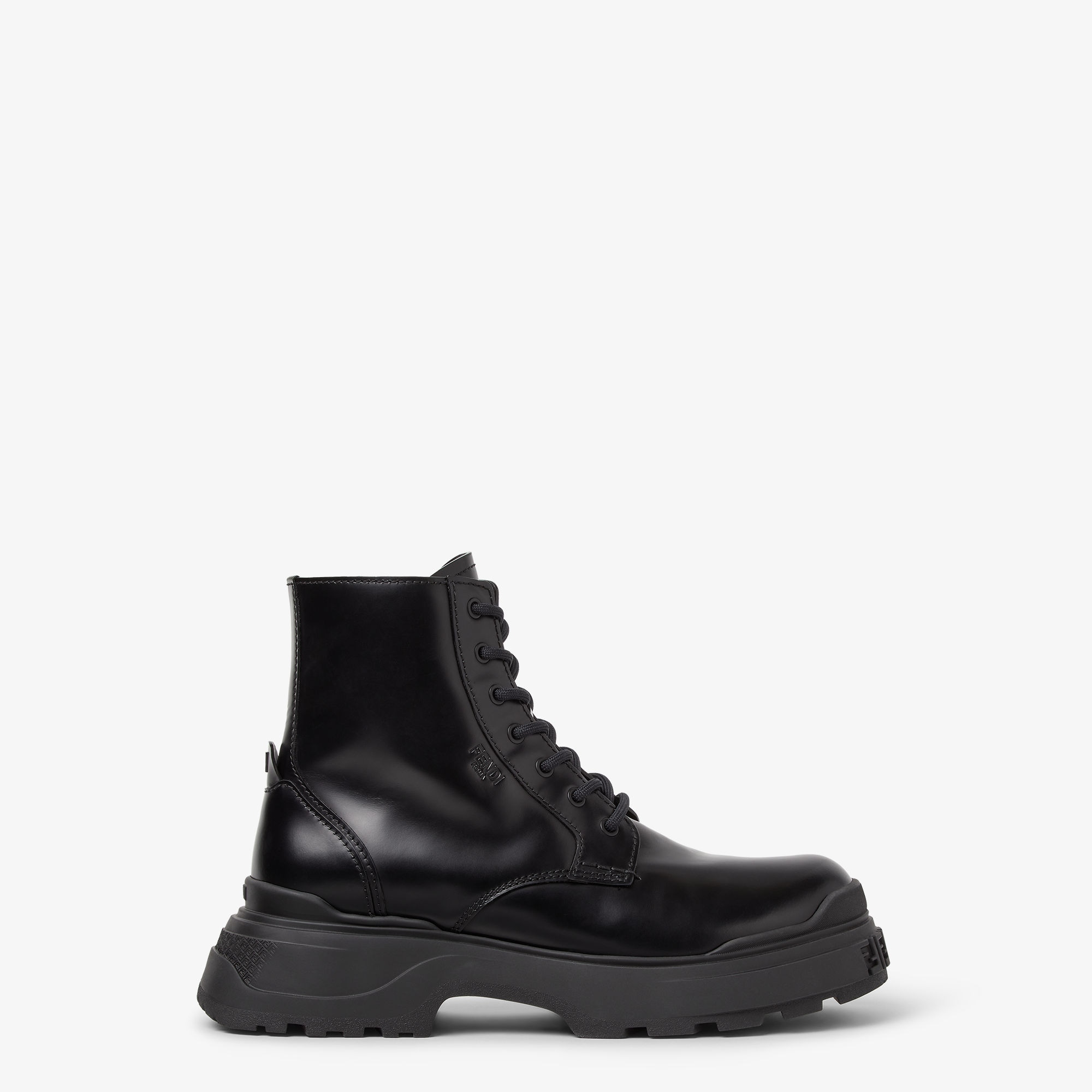
Jones's first collections leaned into logo play — the FF monogram, which Lagerfeld had sketched in 1965, reappeared on knits, bags, boots. The Baguette, originally designed by Silvia in 1997, was reissued in dozens of materials and collaborations. Fendi x Versace. Fendi x Skims. Fendi x Tiffany. The collaborations performed well on Instagram and moved product, but they also flattened the house's image into something more accessible and less specific.
By 2023, the collections had begun to cohere. Jones started referencing the archive with more precision — not just the FF, but the actual construction techniques Lagerfeld had developed for fur: intarsia, inlay, patchwork applied to leather and wool. The Spring 2024 show featured coats with fur worked into geometric panels, handbags with contrast stitching that recalled the seams on a fur pelt. It was the first time Jones seemed to be speaking Fendi's language rather than translating it into his own.
But coherence is not the same as heat. The shows are well-attended, the clothes are well-made, and the reviews are respectful. What they are not is urgent.
The accessory engine
Fendi's financial centre is not on the runway. It's in the accessories atelier, where Silvia has been working for three decades. The Baguette and the Peekaboo together account for a significant portion of the house's revenue — exact figures are not disclosed, but industry analysts estimate leather goods represent 60 to 65 percent of Fendi's total sales, in line with most LVMH leather houses.
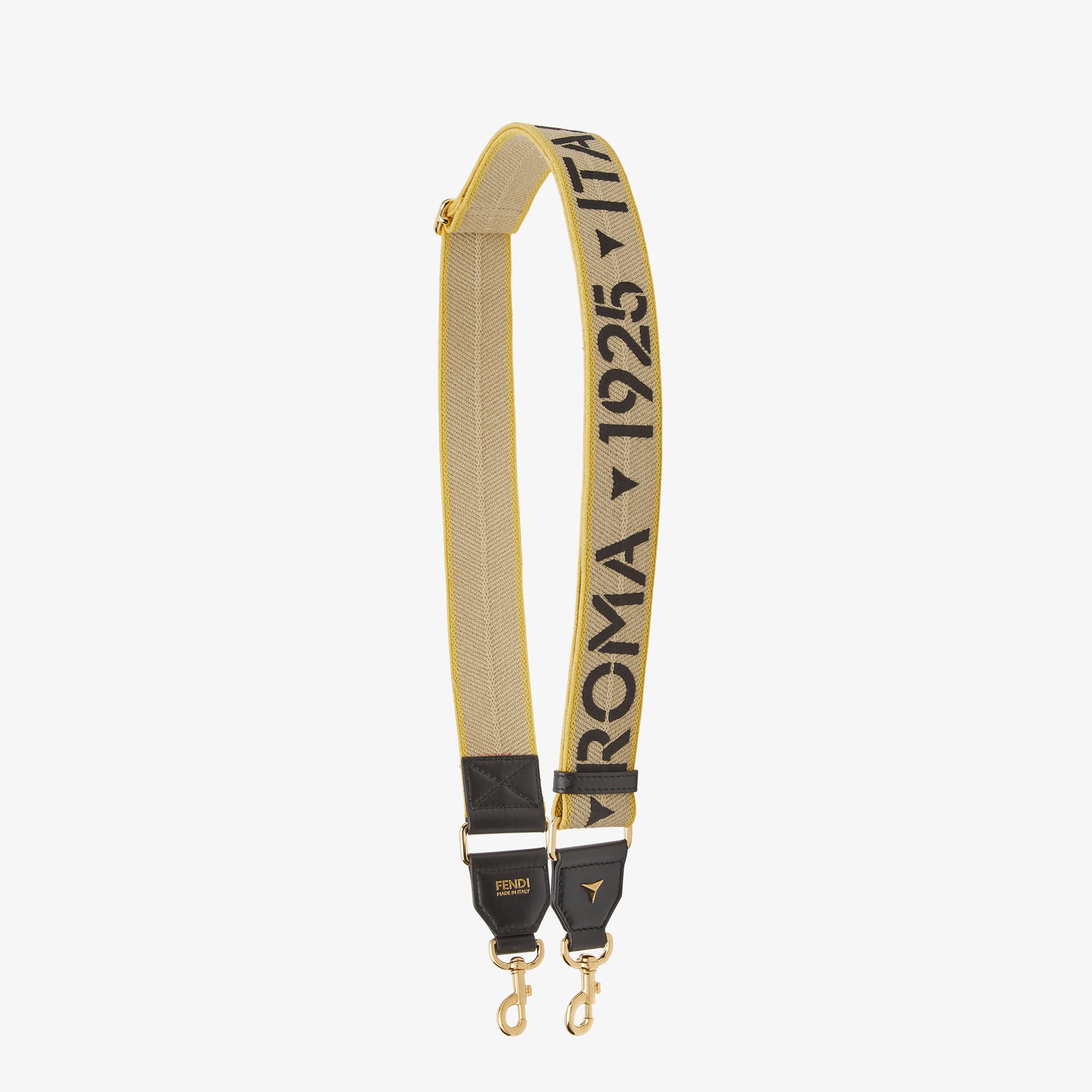
Silvia's approach has been to expand the core styles incrementally. The Peekaboo now comes in five sizes, from the ISeeU Mini to the Essentially Peekaboo Tote. The Baguette has been reissued in shearling, sequins, raffia, python, and at least forty other materials since its 1997 debut. This is not innovation in the disruptive sense. It is the slower work of keeping a silhouette relevant across fifteen years of trend cycles.
The risk is sameness. Walk into any Fendi boutique and you will see rows of Peekaboos and Baguettes in seasonal colourways, each displayed with the kind of precision that suggests both care and repetition. The bags are beautiful. They are also beginning to look like variations on a theme the house has been playing since the late nineties.
New entries have been cautious. The First, introduced in 2022, is a structured top-handle with a magnetic closure and a shape that splits the difference between the Peekaboo and a Hermès Kelly. It has sold steadily but not spectacularly. The Fendigraphy, a camera bag with an adjustable strap, arrived in 2023 and has found a younger customer, but it has not reached Baguette-level recognition.
The question is whether Fendi can produce a third pillar — a bag with the commercial durability of the Peekaboo and the cultural reach of the Baguette — or whether the house will continue to mine the two it already has.
The LVMH position
Fendi sits in an unusual position within the LVMH portfolio. It is not the group's largest leather house — that is Louis Vuitton, by a wide margin. It is not the fastest-growing — that was Loewe under Jonathan Anderson, at least until 2023. It is not the most profitable per square metre — that is Dior. What Fendi is, within LVMH, is stable.
The house generates an estimated €1.6 to €1.8 billion in annual revenue, a figure that has grown modestly but steadily since the early 2010s. It does not spike. It does not correct. It performs. That kind of reliability is valuable in a portfolio context, especially as newer acquisitions like Tiffany require heavier investment and longer timelines to return.
But stability is not a narrative. LVMH's investor presentations foreground houses that show momentum — Loro Piana's menswear expansion, Celine's new flagships, Loewe's brand heat. Fendi is mentioned, always, but it is not the lead. The house has not opened a major new market in five years. Its retail expansion has been careful, focused on upgrading existing locations rather than entering new cities. The last significant architectural statement was the Palazzo della Civiltà Italiana itself, nearly a decade ago.
This is not crisis. It is plateau.
What the house holds
On a practical level, Fendi remains what it has been for thirty years: a Roman house that makes very good leather bags and knows how to work fur in ways almost no one else still does. The ateliers are intact. The family connection, however attenuated, is still present. The archive is deep and specific enough to support another decade of reference if Jones — or whoever follows him — chooses to mine it.
The risk is that the house becomes its own archive. That the Baguette becomes a reissue in perpetuity. That the Peekaboo becomes the only shape anyone remembers. That Fendi starts to feel less like a living house and more like a very well-maintained monument.
There is a version of the future where that is enough. Where Fendi continues to perform steadily within the LVMH portfolio, continues to serve a customer who wants a Roman bag that will last fifteen years, continues to produce collections that are respectful and competent and never quite exciting. That version is not failure. It is just not growth.
The other version requires a sharper decision — about what Fendi wants to be now, not what it was under Lagerfeld or what it might become if it keeps doing what it has been doing. That decision has not yet been made, or if it has, it has not yet shown up in the work.
Walk into the Palazzo della Civiltà Italiana on a weekday afternoon and you will see the atelier on the upper floors, windows open, the sound of sewing machines audible from the courtyard. The building is beautiful, almost absurdly so. But beauty is not direction. And direction is what the house needs.