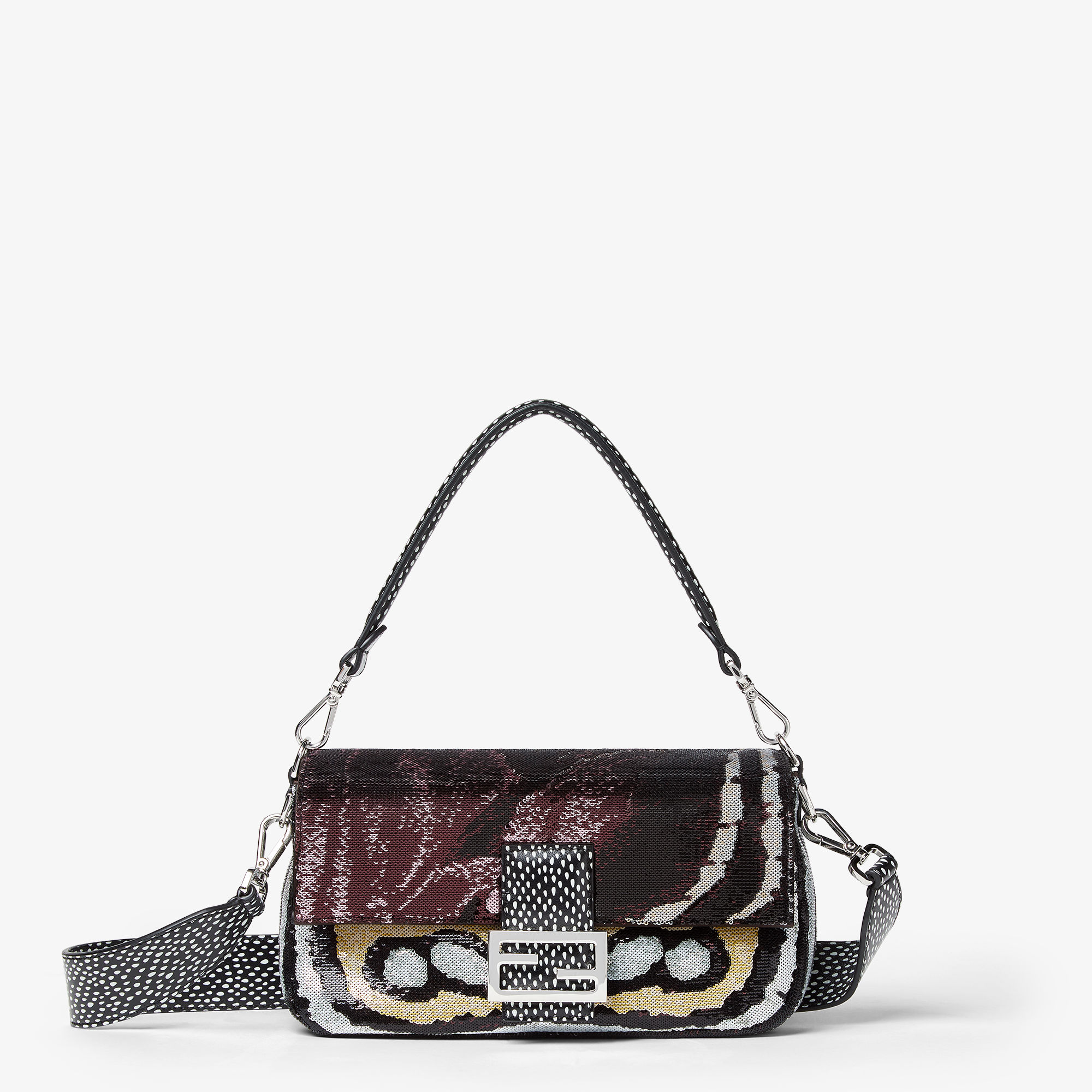
The Peekaboo sits on a shelf in the Via Montenapoleone boutique at an angle that catches the afternoon light
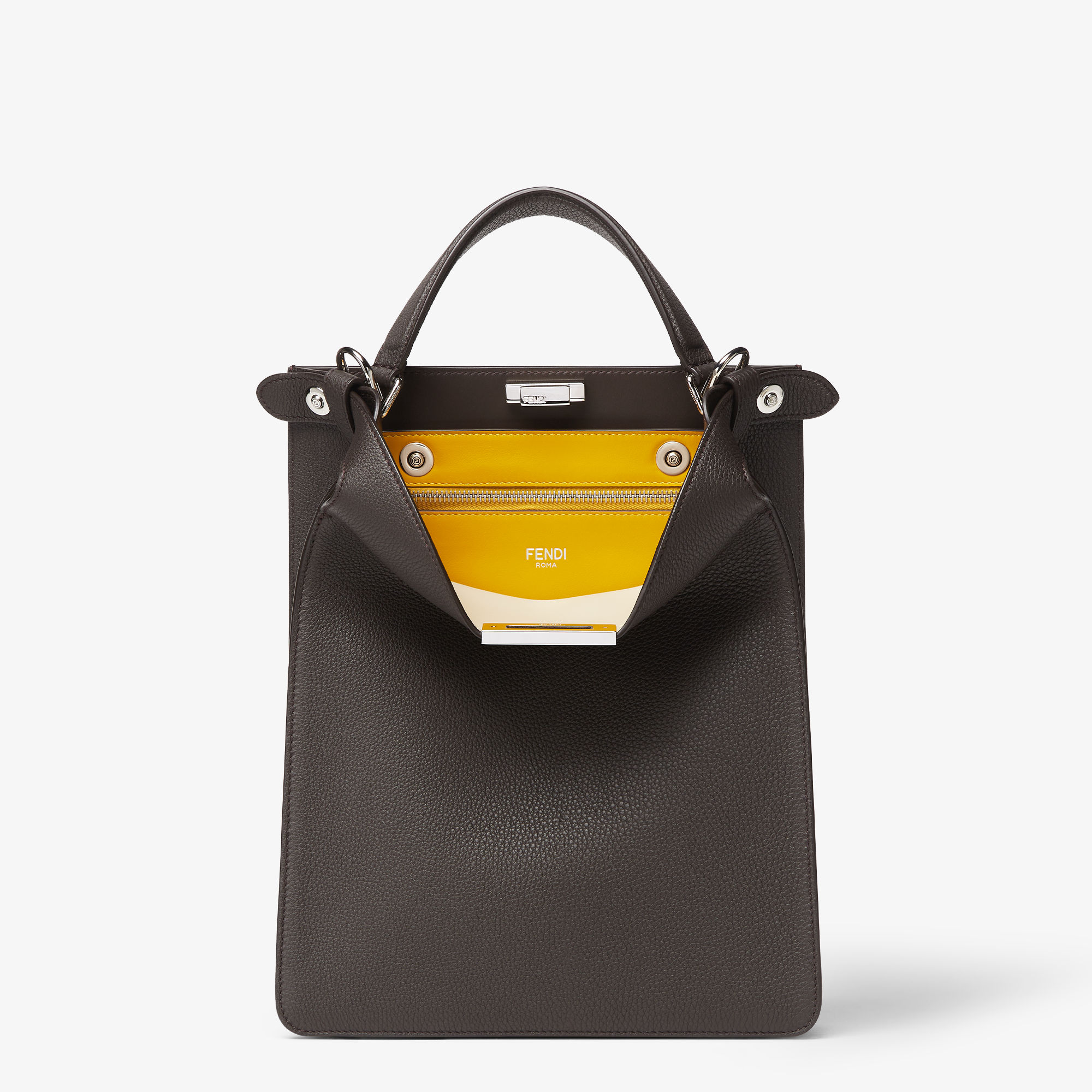
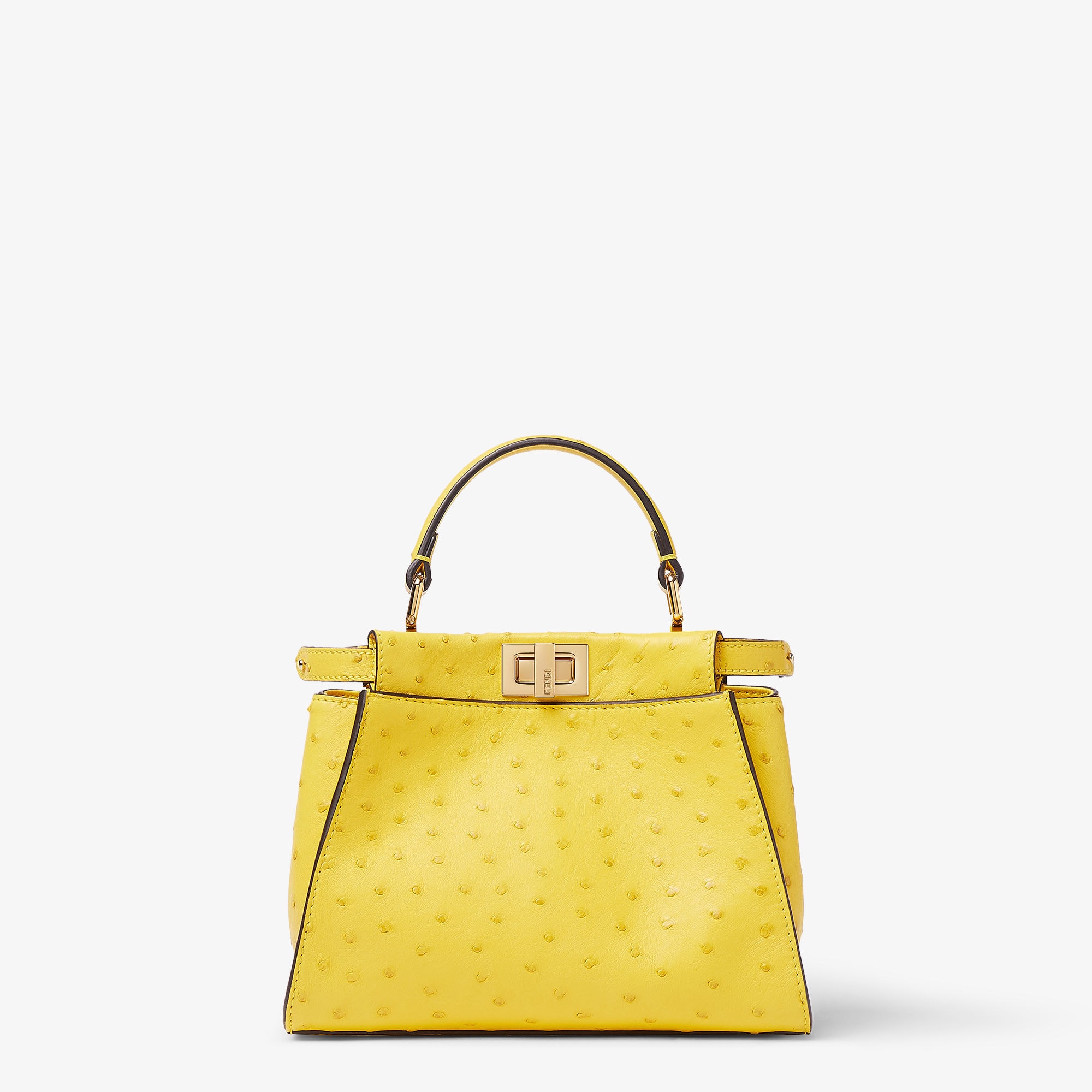
The Peekaboo sits on a shelf in the Via Montenapoleone boutique at an angle that catches the afternoon light. Calf, not canvas. Structured but not stiff. The bag doesn't announce itself the way it did in 2008, when it first appeared with that two-compartment trick and Silvia Venturini Fendi's quiet insistence that a working bag didn't need to look apologetic. Fifteen years later, it's still there, still selling, still the kind of object that holds its shape in a wardrobe long after the Instagram cycle has moved on.
That steadiness is Fendi's trick and, depending on who you ask, its problem.
The house sits in a strange position now—commercially healthy, creatively careful, and somehow less talked about than it was five years ago. Not in crisis. Not on fire. Just there, between the Arnault portfolio's more volatile experiments and the kind of steady-state luxury that prints money without printing headlines.
Founding and the fur years
Fendi opened in 1925 as a leather and fur workshop on Via del Plebiscito. Adele and Edoardo Fendi ran it as a Roman atelier with the kind of craft standards that didn't need a manifesto because the work was the manifesto. Their five daughters—Paola, Anna, Franca, Carla, Alda—came into the business in the postwar years and made the first significant move: hiring Karl Lagerfeld in 1965.
He was 31. They wanted fur that didn't look like their mothers' fur.
What Lagerfeld did over the next 54 years was turn Fendi into the house that made fur modern, then ironic, then technically astonishing. He treated pelts like fabric—shearing, dyeing, intarsiating, layering mink with denim or broadcloth. The work was both virtuosic and, by the 1980s, commercially central. Fendi became the fur house, which was useful until it wasn't.
The Baguette arrived in 1997. Silvia Venturini Fendi, third generation, designed it as a small shoulder bag meant to be carried like a loaf of bread under the arm. Compact, close to the body, not trying to be anything other than what it was. It became the accessory that carried Fendi into the 2000s, long after Sex and the City had made it a reference point and long after that reference point had aged into kitsch and then back into currency.
The Baguette didn't replace fur. It just made the house legible to a market that was moving away from pelts and toward leather goods margins.
The LVMH era and the Kim Jones appointment
LVMH took majority control in 2001, which meant Fendi entered the portfolio as the Roman counterweight to the Parisian houses. The logic was sound: Italian craft, strong accessories, a heritage that didn't need to be invented. But LVMH also needed ready-to-wear that could justify runway spend and feed the brand narrative.
Silvia Venturini Fendi held accessories and menswear. Womenswear cycled through creative directors—Lagerfeld stayed on as a kind of conceptual anchor, but the runway needed a name that could pull press. In 2016, the house didn't appoint a replacement after Lagerfeld's exit. Instead, Silvia took on the full scope, which lasted until 2023.
Then came Kim Jones.
Jones arrived from Dior Men with a reputation for collaboration, for hype cycles, for turning runway shows into product engines. His first Fendi womenswear collection landed in September 2023. The reviews were polite. The clothes were wearable, commercial, and visibly designed to sell. There were shearling coats, tailored separates, and bags that looked like bags Fendi already made but slightly reconfigured.
What Jones didn't do was rewrite the house codes. He leaned into them—into the FF logo, into the Baguette's ongoing resurrections, into fur as a technical exercise rather than a moral one. The result was runway product that moved through the system without much friction and without much noise.
Where Fendi stands now
Fendi's sales are strong. Not Hermès strong, not Bottega-on-a-tear strong, but steady in a way that suggests the house has found its lane and isn't trying to swerve. Leather goods carry the business. The Peekaboo and Baguette anchor the permanent collection, and seasonal iterations keep the line feeling current without requiring a full conceptual overhaul every six months.
Ready-to-wear under Jones is doing what it's meant to do: fill boutiques, give the brand a runway presence, and occasionally produce a coat or a knit that editors pull for shoots. It isn't setting the agenda. It isn't the reason people talk about Fendi. But it also isn't the reason people stop talking about Fendi.
The fur question remains unresolved. Fendi still works with fur, still produces technically extraordinary pieces, and still faces the market reality that fewer clients want to buy it and fewer cities want to let you wear it. The house hasn't renounced fur the way Gucci or Prada have, but it also hasn't made fur central to its image in the way it was under Lagerfeld. The result is a kind of quiet continuation—fur as a category that exists for clients who want it, but not as the thing that defines the brand.
What Fendi has lost in the past five years is a certain kind of cultural heat. It isn't the house that younger designers reference. It isn't the house that gets memed or dissected or argued over. It's respected, worn, sold, and somewhat taken for granted. The Baguette had a second life during the logomania revival, but that cycle has cooled, and Fendi hasn't replaced it with a new object of obsession.
Jones's collaborations—with Tiffany, with Skims, with Marc Jacobs—generate press in the way collaborations are designed to generate press. They produce limited product, they create Instagram moments, they move units. But they also feel like borrowed heat. The energy comes from the partner, not from Fendi itself.
The house's Roman identity, once a point of distinction, now feels like backdrop. Fendi still stages shows in Rome, still references the city's architecture and history, but the connection feels more curatorial than lived. The city is invoked, not inhabited.
The Fendi client
Who buys Fendi now? The client base is older than Bottega's, younger than Hermès's, and more accessories-focused than either. She—and it is still mostly she—buys the Peekaboo because it works, because it's structured enough to hold its shape and soft enough not to look corporate. She buys the Baguette because she had one in 2003 or because she wants the reference without the irony.
She isn't buying Fendi because it's the most talked-about house or because the runway show rewired her sense of what clothes could do. She's buying it because it's well-made, recognisable, and safe. Safe in the sense that it won't look wrong in three years. Safe in the sense that it signals taste without requiring explanation.
That client base is valuable. It's also not growing the way LVMH might want it to grow.
What's missing
What Fendi lacks now is a creative centre of gravity. Lagerfeld, for all his late-period repetitions, gave the house a point of view that felt specific to him and, by extension, specific to Fendi. Silvia Venturini Fendi has that specificity in accessories, but accessories alone can't carry a brand's narrative the way they could in the early 2000s.
Jones is a skilled commercial designer, but he isn't a conceptualist, and he isn't interested in being one. His work at Fendi feels like an exercise in refinement rather than reinvention. The question is whether Fendi needs reinvention or whether it's better served by the kind of steady, margin-friendly operation it's currently running.
The answer probably depends on what LVMH wants the house to be. If Fendi is meant to be the accessible entry point into the LVMH portfolio—less precious than Loewe, less austere than Celine, less expensive than Dior—then it's doing exactly what it should. If it's meant to be a cultural force, then it's underperforming.
Right now, Fendi feels like a house that's chosen the former and is living with the consequences of that choice.
The Peekaboo is still on the shelf in Milan, still catching the light, still structured and supple and exactly what it was designed to be. The client who wants it knows where to find it. The client who doesn't isn't looking.