The skull scarf is the tell
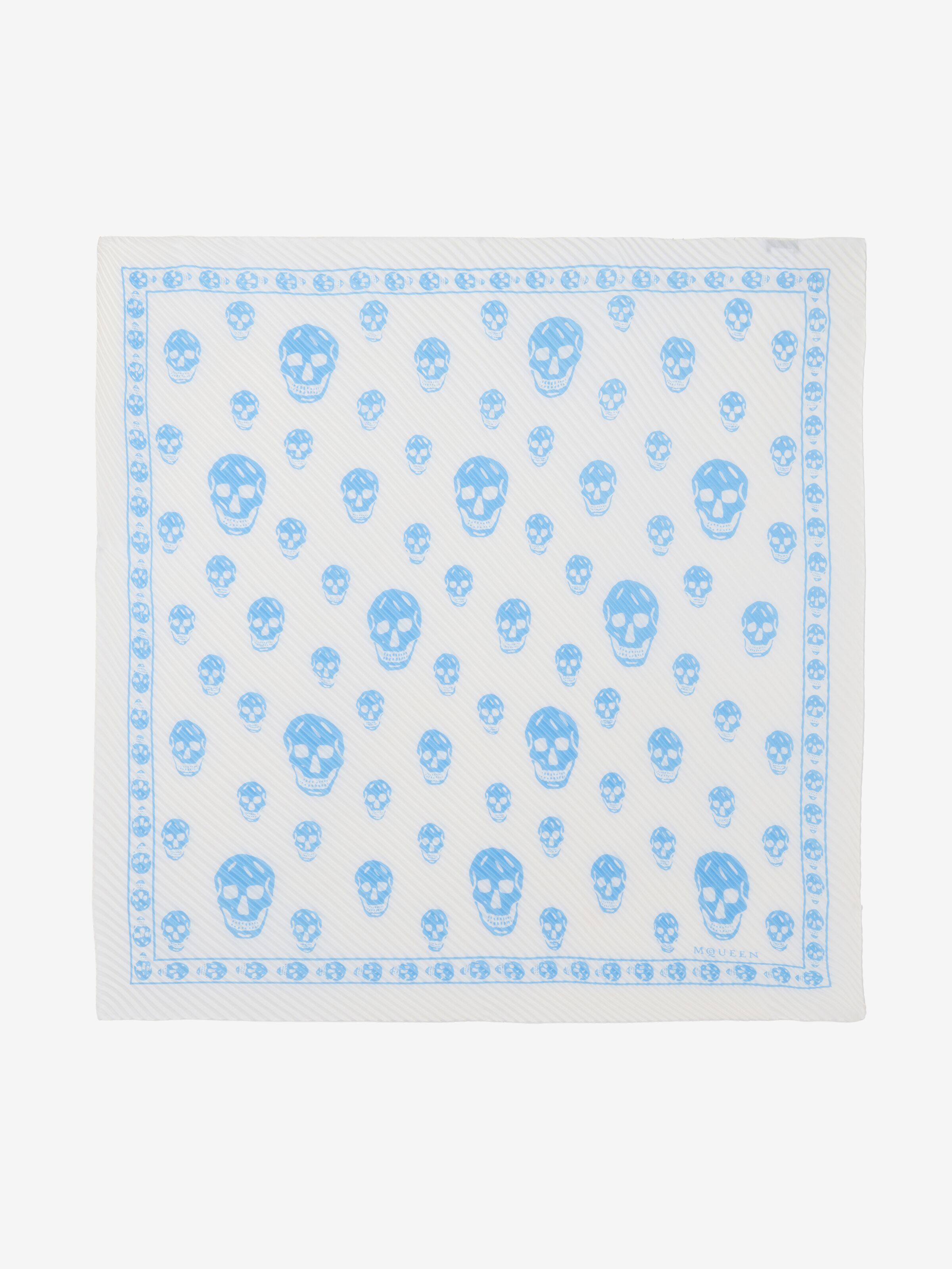
The skull scarf is the tell. You see it knotted at the throat of a woman crossing Sloane Square, or folded into a blazer pocket on the Northern Line, and you know she's bought in. Not to fashion — to a specific kind of romance with darkness that Alexander McQueen spent two decades building and that the house has spent two more refining into something you can wear to the office.
It's also, at around £300, one of the most accessible ways into a brand whose runway shows have featured models in antlers, dresses made from razor clam shells, and a hologram of Kate Moss floating inside a glass pyramid. Which raises the question: where do you actually start with Alexander McQueen?
The short version
Lee Alexander McQueen, who went by his middle name professionally, trained on Savile Row at Anderson & Sheppard and Gieves & Hawkes before studying at Central Saint Martins. His 1992 graduate collection, Jack the Ripper Stalks His Victims, was bought in its entirety by stylist Isabella Blow. He ran his own label from 1992, took over Givenchy from 1996 to 2001, and sold a majority stake to Gucci Group in 2000. The shows were theatrical, often confrontational. The tailoring was immaculate. He died in 2010. Sarah Burton, who had worked alongside him since 1996, became creative director and held the role until 2023. Seán McGirr took over in 2024.
The house today operates in the upper contemporary bracket. You're looking at £450 for a T-shirt, £1,800 for a knit, £3,500 for a leather jacket, £2,200 for a suit jacket. Shoes start around £500. Bags from £1,200. Not entry-level, but not haute couture either.
What McQueen actually made
The romanticism is easy to overstate. Yes, there were the Highland Rape collection and the VOSS show with the mirrored cube and the moths, but McQueen was a tailor first. He understood how a jacket should sit across the shoulder and where a trouser break should fall. The bumster trouser — cut low on the hip, often aggressively so — came out of his 1993 Taxi Driver collection and became a signature. So did the exaggerated hourglass silhouette, achieved through corsetry and sharp tailoring rather than padding.
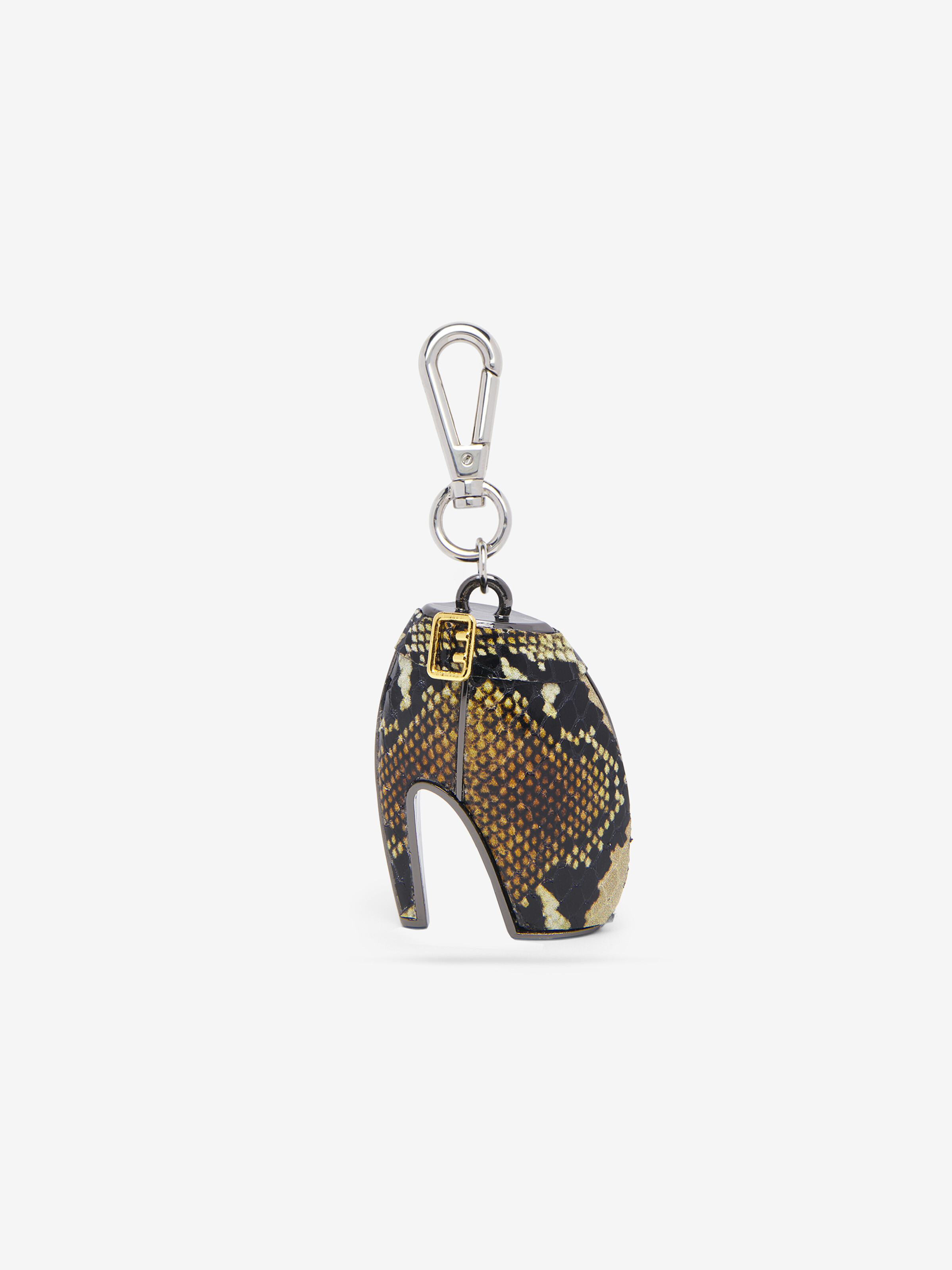
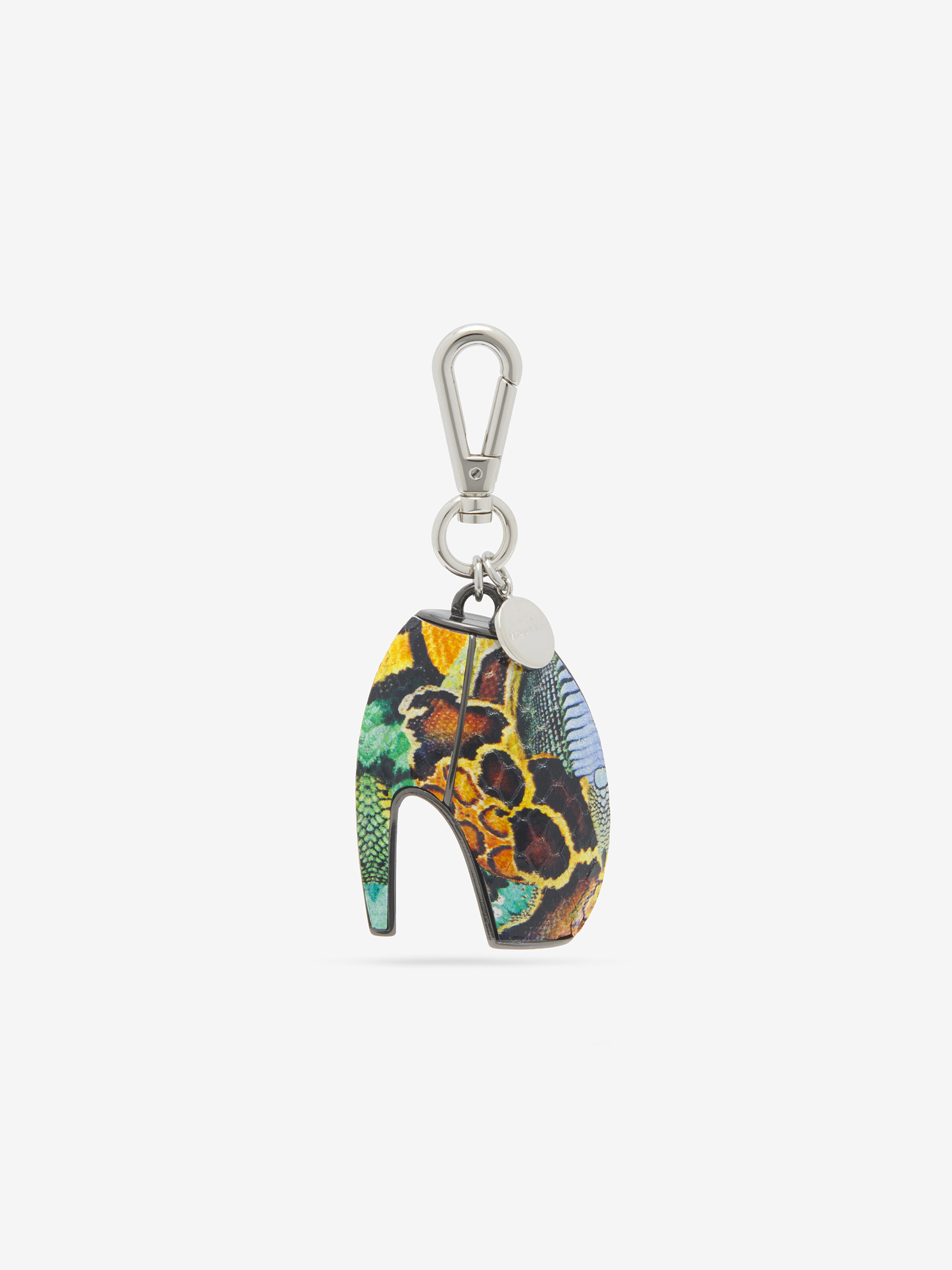
He worked in extremes. The Plato's Atlantis show in 2010, his last, featured digitally printed dresses that looked like reptile skin and shoes so architectural they seemed to defy anatomy. But he also made shirts. Very good shirts, with a Savile Row eye for proportion and a taste for the macabre in the details. A skull print here, a harness strap there. The tailoring was always clean. The decoration was where the theatre lived.
What he didn't do was make clothes that disappeared. McQueen pieces announce themselves. That's part of the contract.
The Burton era
Sarah Burton spent 13 years as creative director and the work was, inevitably, softer. Not soft — Burton could cut a leather biker jacket as well as anyone — but less interested in provocation. She leaned into the house's facility with embroidery and lace, often referencing natural forms. Flowers, insects, feathers. The 2011 collection, her first after McQueen's death, opened with a coat embroidered with flowers and bones. It was a signal: the darkness would remain, but it would be threaded through with something lighter.
Burton also designed the Duchess of Cambridge's wedding dress in 2011, which did two things. It confirmed the house's tailoring credentials — the dress was made in the Royal School of Needlework with a bodice that required extraordinary precision — and it brought Alexander McQueen into a much wider public conversation. Not all of it helpful. The risk with a royal commission is that you become the house that makes princess dresses. Burton avoided that, mostly, by continuing to show sharp tailoring and a kind of gothic elegance that didn't translate to garden parties.
Her final collection, for spring 2024, featured embroidered tulle, featherwork, and a series of black tailored pieces that felt like a return to the house's origin point. It was a quiet exit.
Where McGirr starts
Seán McGirr came from JW Anderson, where he was design director, and his first collection for Alexander McQueen landed in February 2024. The response was mixed. Some of the silhouettes felt closer to McQueen's own work — sharper shoulders, lower waistlines, a return to the bumster — but the execution didn't yet have the authority the house is known for. These things take time. A creative director doesn't walk into a maison with two decades of archive and immediately reshape it. You work with the atelier, learn the house codes, figure out which ones still hold and which need to be set aside.
What's clear is that McGirr is interested in the tailoring. The first collection included a series of deconstructed blazers and coats with raw edges and exposed seams, a nod to McQueen's Savile Row training and his habit of turning technique into decoration. Whether that develops into a coherent vision is the question the next few seasons will answer.
What to buy first
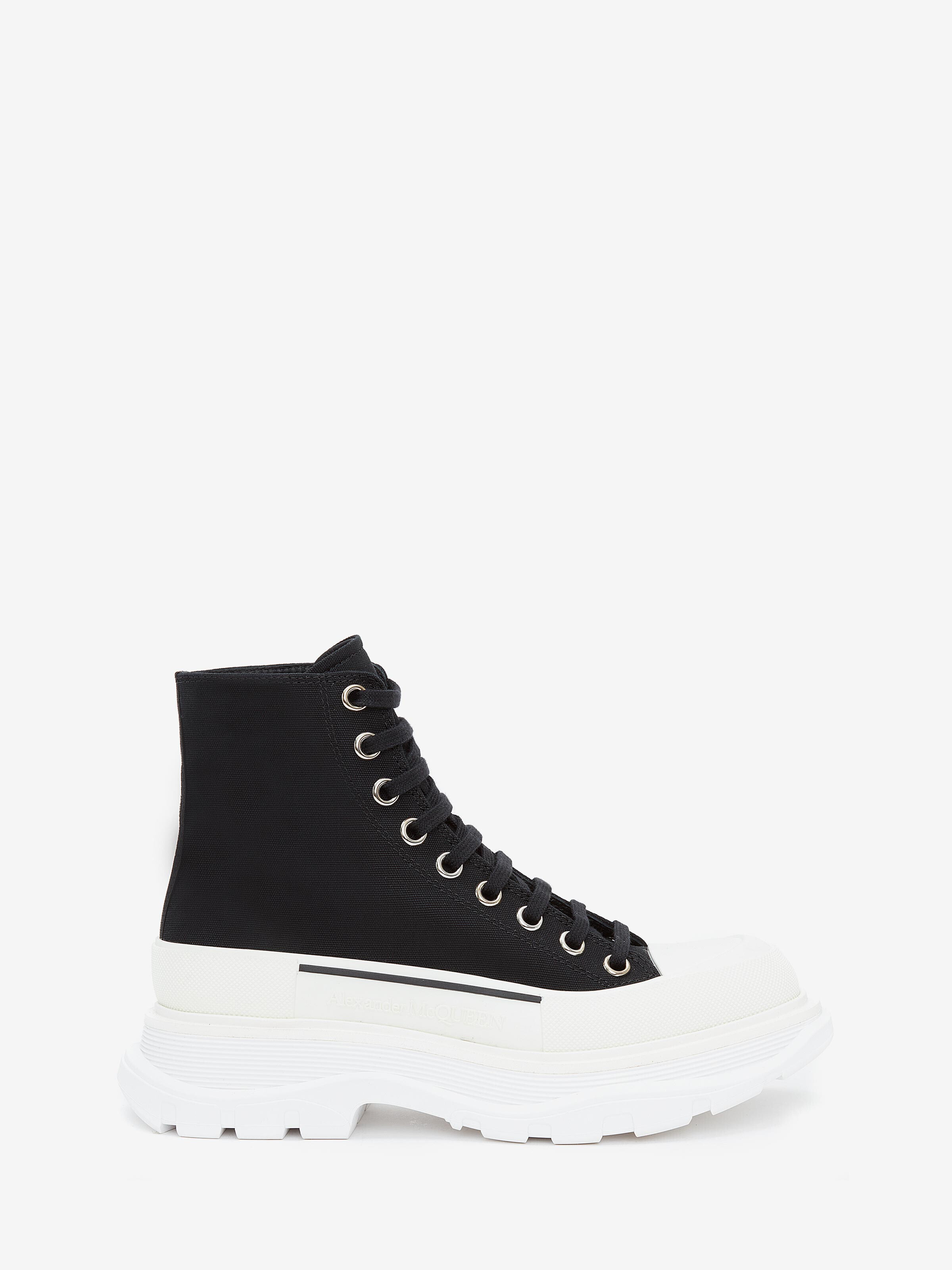
Start with the shoes. The Oversized Sneaker, introduced in 2015, is the house's most accessible piece and also one of its most recognisable. It's a chunky white leather sneaker with an exaggerated sole and the Alexander McQueen name stamped on the heel. Around £450. It's been done to death, which means it works. You can wear it with a suit or with jeans and it reads the same way: expensive, slightly irreverent, aware of its own presence.
If you want something closer to the house's actual identity, go for a knuckle clutch. The hard-case evening bag with a skull or geometric handle has been a signature since the mid-2000s. Prices start at £1,200 and climb depending on embellishment. It's not subtle. That's the point.
For tailoring, look at the single-breasted blazers in wool or leather. The house cuts a strong shoulder and a defined waist, and the proportion is consistent across the range. Expect to pay £2,200 for wool, £3,500 and up for leather. The skull-print silk shirts, meanwhile, sit around £650 and work under a dark suit in a way that feels specific to this house and no other.
The skull scarf remains the entry point. Silk twill, around 90cm square, printed with one of several variations on the McQueen skull motif. It's recognisable without being loud, and it's one of the few pieces that carries the house's gothic sensibility without requiring you to commit to a full look. You can wear it with a navy blazer and grey flannels and it doesn't feel like costume. That's rarer than it sounds.
The question of legacy
There's a version of this story where Alexander McQueen becomes a heritage brand, trading on archive reissues and the memory of Lee McQueen's shows. That hasn't happened yet, partly because the work was too recent and too singular to be easily reproduced, and partly because Burton kept the house moving forward for 13 years. Whether McGirr can do the same is still open.
What the house has, and what makes it worth paying attention to, is a relationship with darkness that doesn't tip into pastiche. The skulls and the harnesses and the exaggerated silhouettes aren't borrowed from somewhere else. They came out of McQueen's own vision, and they've been refined over 30 years into a vocabulary that other brands now reference. You see it in the way a high-street brand will add a skull print to a T-shirt, or the way a contemporary label will cut a blazer with an aggressively nipped waist. The influence is there.
The last look of McQueen's final show was a dress printed with overlapping images of birds and scales, worn with those impossible armadillo shoes. The model walked out, turned, and walked back. No theatrics. Just the garment and the cut and the print. It was, in its way, the whole house in 90 seconds. Beautiful, precise, and just strange enough to make you look twice.