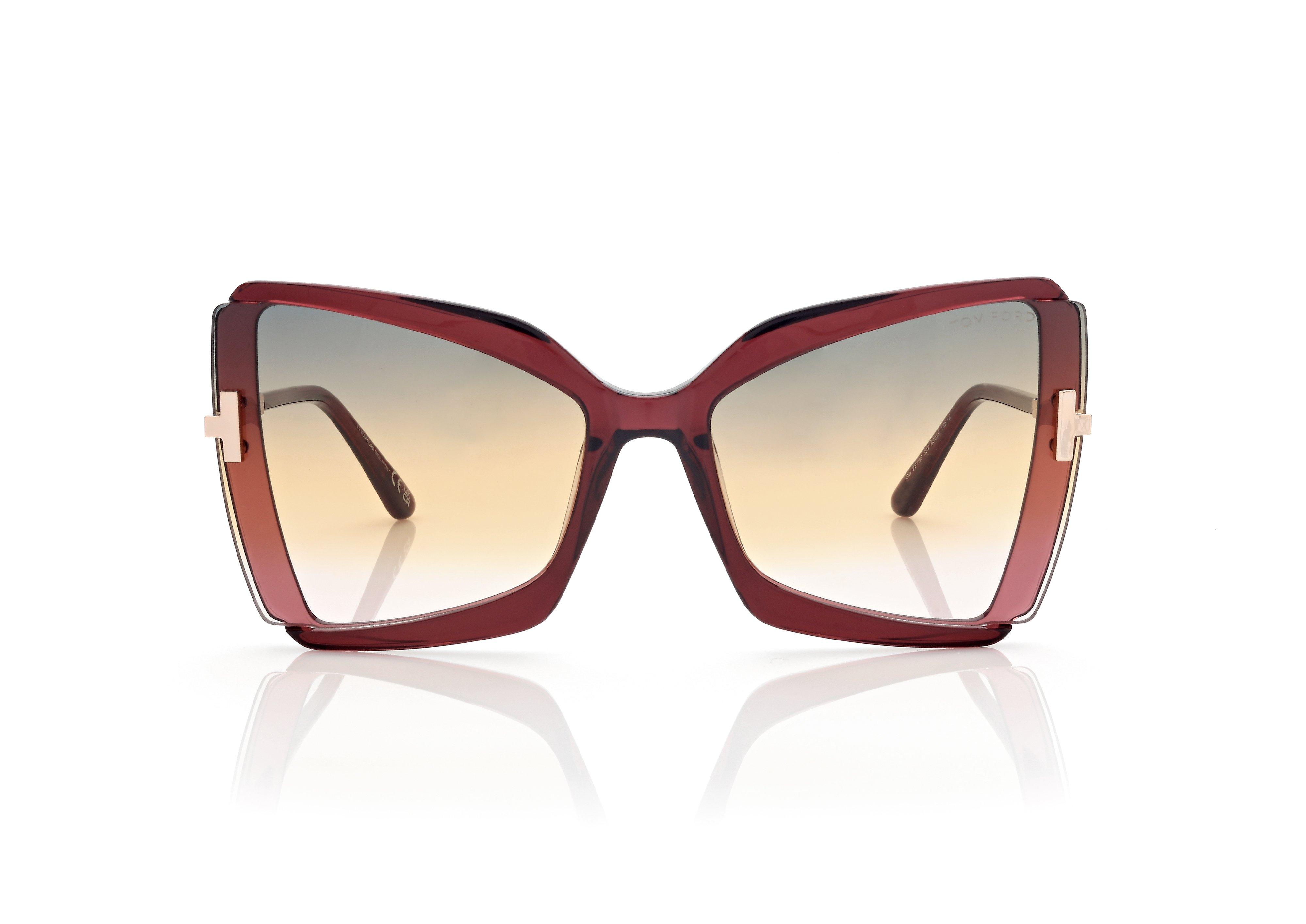
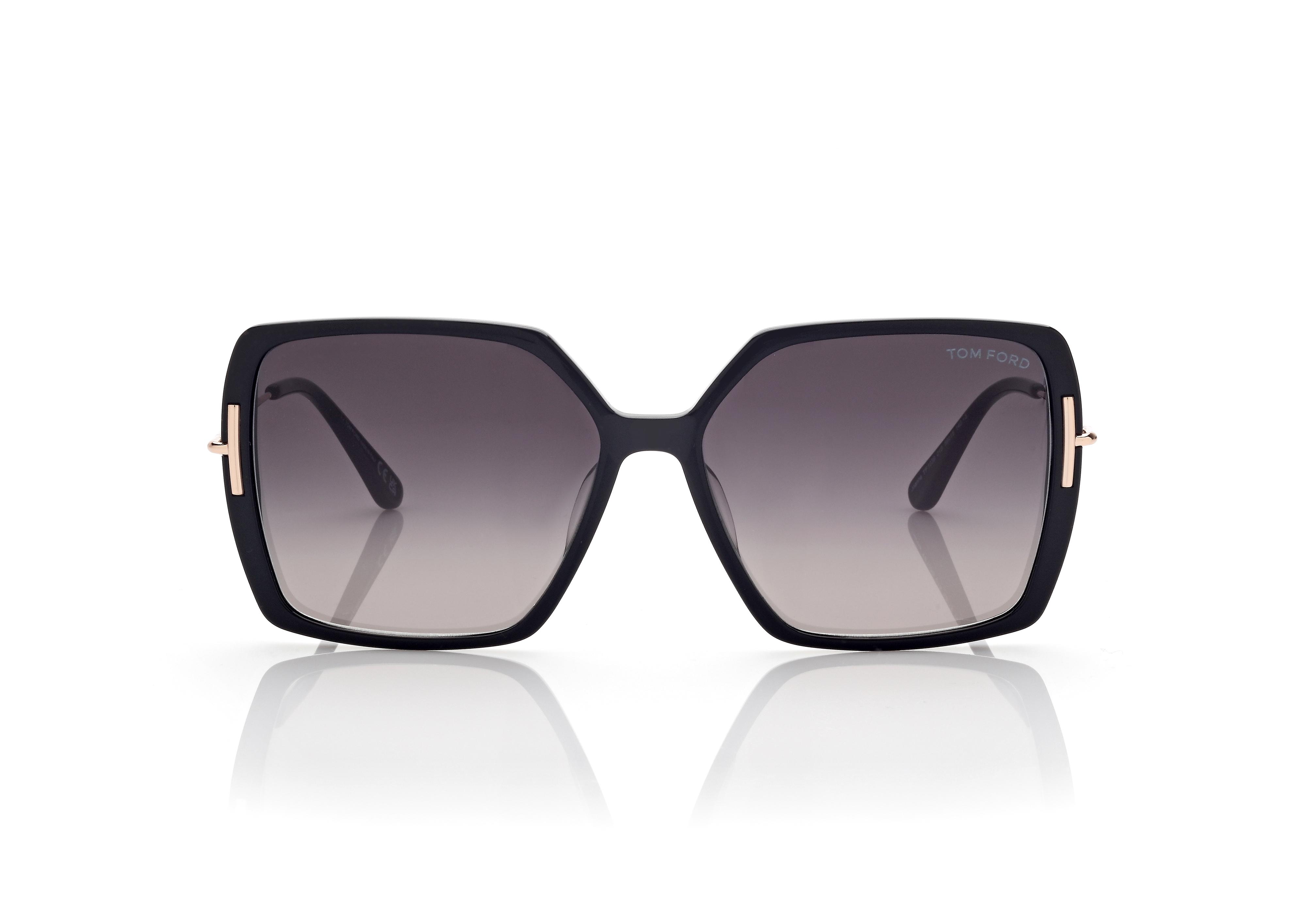
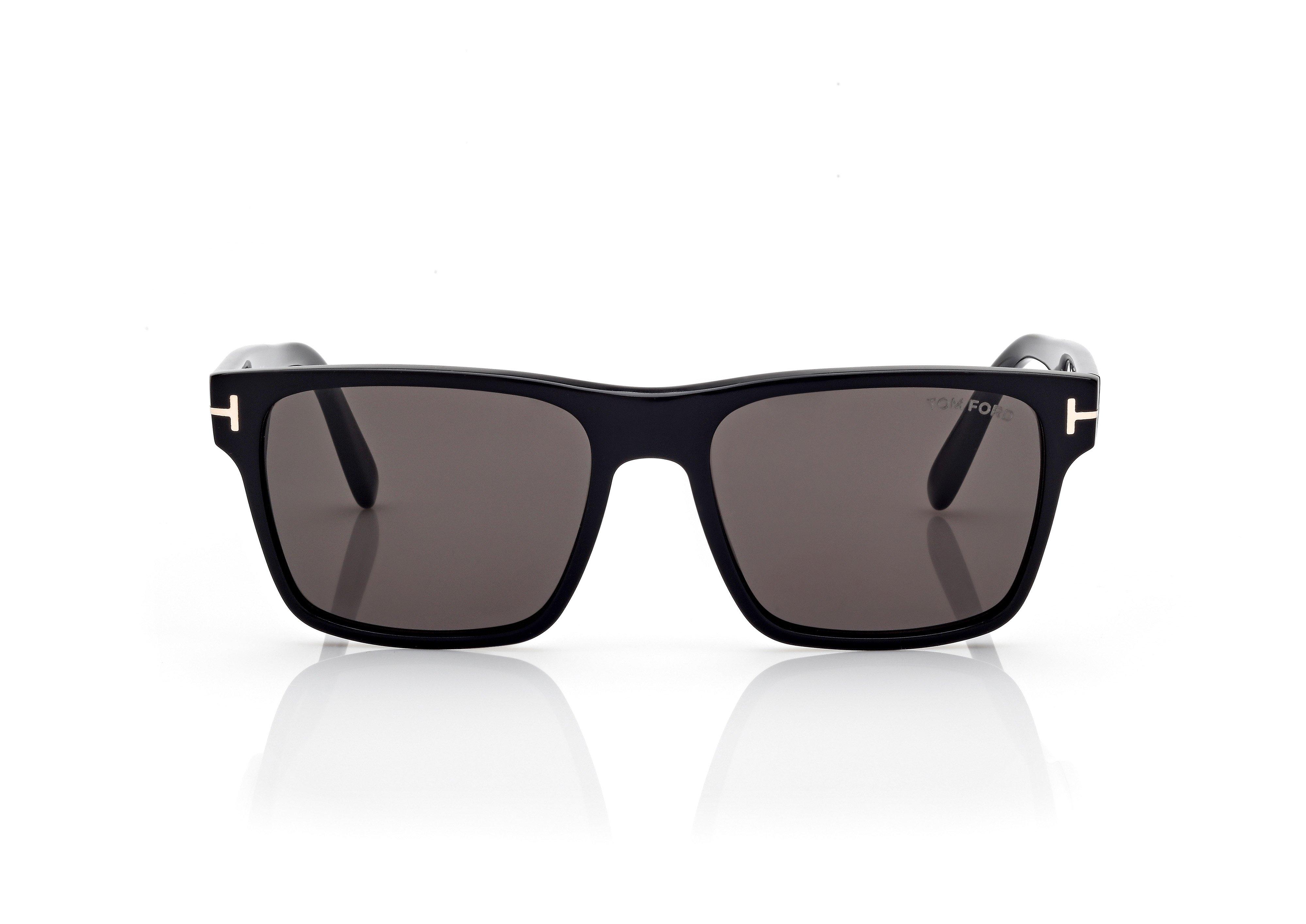
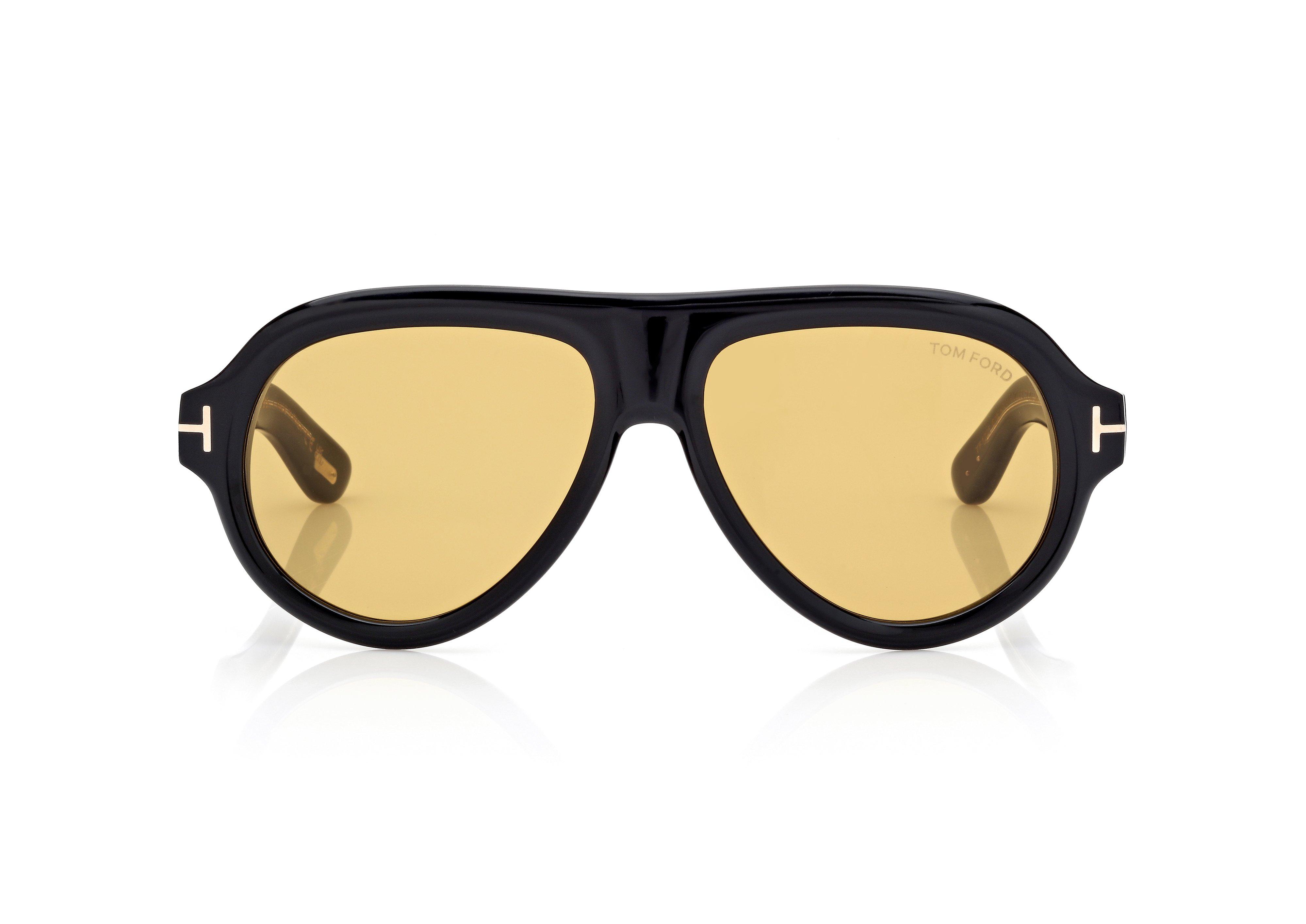
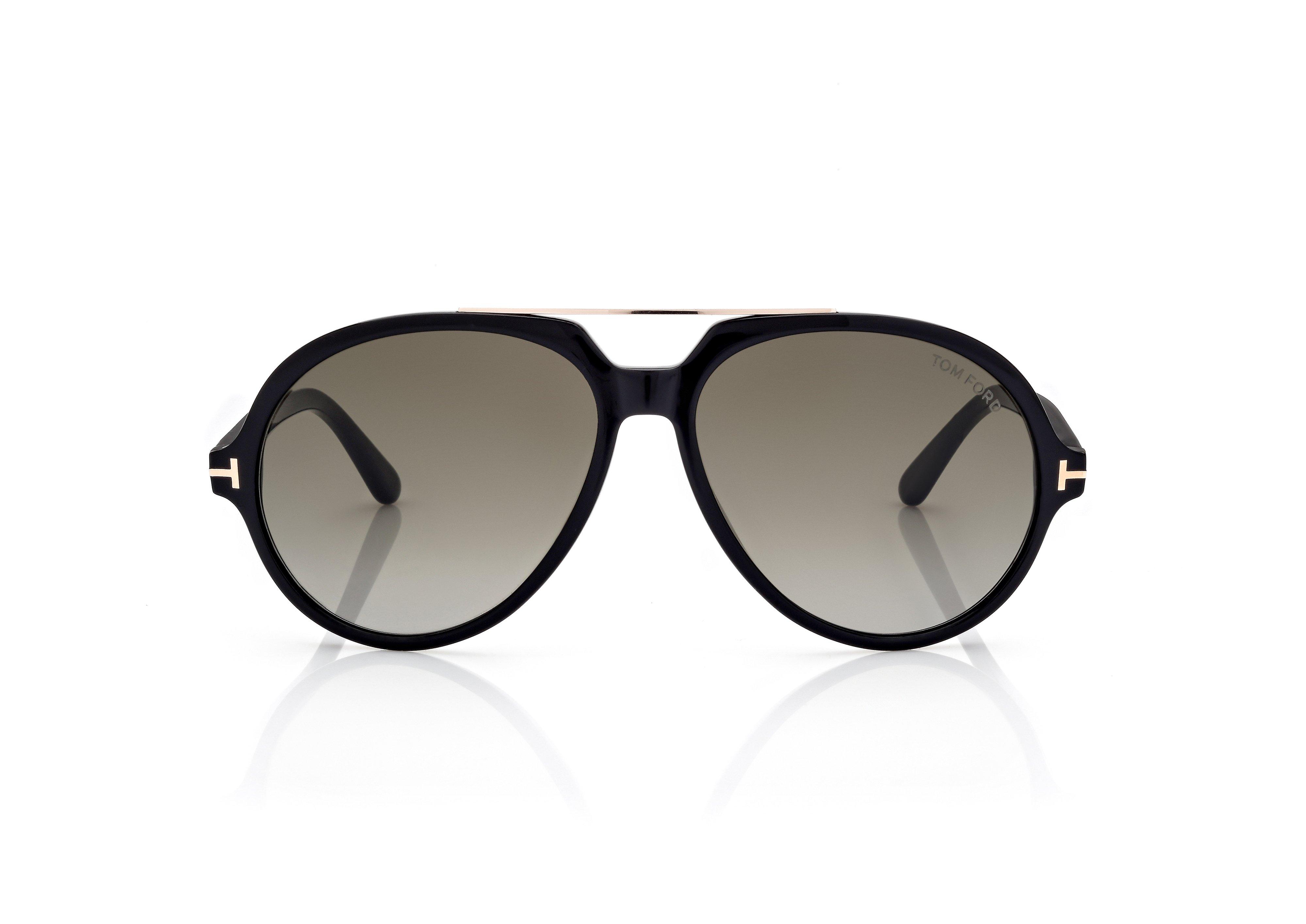
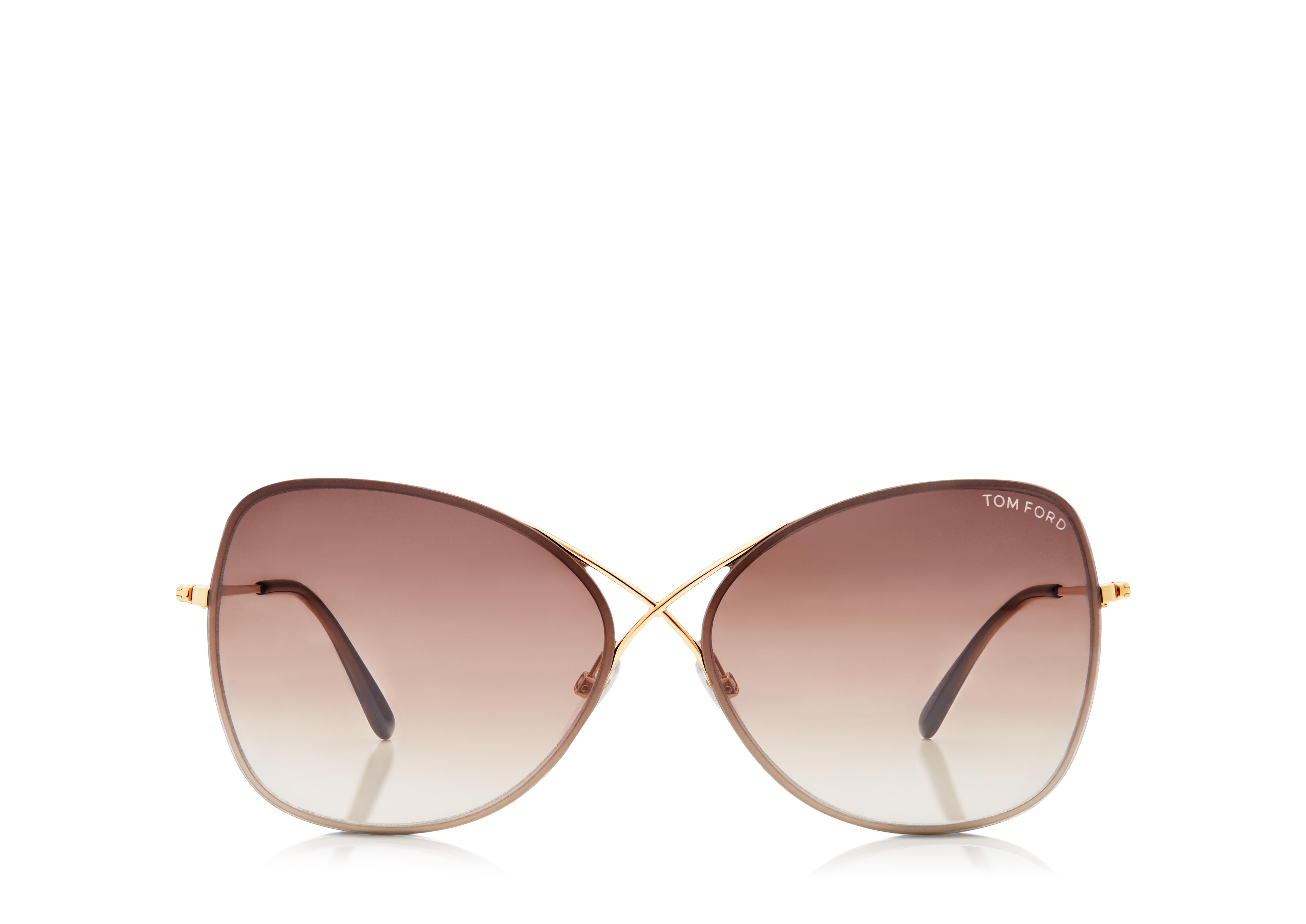
The velvet jacket still sells
The velvet jacket still sells. Not the one from the Gucci years — though those turn up at auction with five-figure estimates — but the contemporary Tom Ford evening jacket, cut narrow through the body, notched lapel faced in grosgrain, priced around three thousand dollars. It moves through the Madison Avenue flagship and the London store on Sloane Street at a pace that would surprise people who think of Tom Ford as a fragrance business that also makes clothes. It shouldn't surprise anyone who watched what happened between 2005 and 2023.
Tom Ford founded the house in his own name in 2005, eighteen months after leaving Gucci Group. He had spent a decade remaking Gucci into the most profitable luxury house in the world, then four years applying the same formula to Yves Saint Laurent. The new venture was privately backed by Domenico De Sole, his former Gucci CEO, with capital from Estée Lauder. The strategy was narrow at first: menswear, a handful of women's pieces, eyewear, and fragrance. No leather goods for the first two years. No shoes until 2007. The discipline was deliberate. Ford had watched too many designers stretch too thin.
The clothes worked because Ford understood something most American designers didn't: European tailoring wasn't about construction for its own sake, it was about sex for people who'd learned not to announce it. His suits were Milanese in shoulder but British in suppression, worn by men who worked in private equity and women who ran galleries. The evening shirts were Sea Island cotton, the tuxedo trousers sat just slightly lower than propriety allowed, and the whole line looked like what someone would wear if they'd actually read The Talented Mr. Ripley instead of just seen the film. It was costume for adults who'd outgrown costume.
By 2010, Tom Ford was doing $500 million in revenue, almost entirely on the back of beauty. The Estée Lauder partnership gave the house its fragrance and cosmetics infrastructure, and Black Orchid — launched in 2006 — became the kind of scent people wore to be noticed wearing it. The clothes remained a smaller business, but they did something revenue doesn't measure: they gave the brand a face that wasn't just Ford's own. The ad campaigns, shot by Inez and Vinoodh, featured models who looked like they'd just walked out of a room you weren't invited into. The retail build-out was slow. Twelve stores by 2012. Twenty-seven by 2022. No franchises, no department store concessions, nothing that would dilute the image.
The Estée Lauder buyout and what it meant
In November 2022, Estée Lauder acquired Tom Ford for $2.8 billion. The deal transferred ownership of the brand name, the beauty business, and the fashion operation to Lauder, with a licensing agreement that sent the fashion business to Ermenegildo Zegna Group. Ford himself stayed on as creative director through the end of 2023, then stepped away. Peter Hawkings, who'd worked as Ford's right hand for more than twenty years, took over design.
The structure is worth parsing. Lauder owns the brand and controls the beauty side directly — fragrance, cosmetics, skincare. Zegna manufactures and distributes the fashion collections under license, paying Lauder a royalty. It's the same model Puig uses with Prada fragrances or LVMH uses with Tiffany eyewear, but it means Tom Ford now operates as two businesses with different priorities. Beauty wants ubiquity within the prestige channel. Fashion wants scarcity and margin. They're not incompatible, but they're not naturally aligned.
Hawkings showed his first collection as creative director in February 2024. The menswear was clean: double-breasted blazers in navy cashmere, flat-front trousers with a slight flare, outerwear that referenced the 1970s without directly quoting it. The womenswear was more cautious. Slip dresses in silk charmeuse, tailored separates, evening pieces that felt like they were designed not to alienate the existing client. The reviews were polite. The clothes looked expensive, well-made, a little hesitant. No one expected revolution, but some people expected more point of view.
The question isn't whether Hawkings can design. He can. He spent two decades translating Ford's sketches into garments that worked on a body, managing the atelier, overseeing production. The question is whether the house can hold its position without the man whose name is on the door and whose face was, for nearly twenty years, the most visible part of the brand. Ford didn't just design for Tom Ford. He was the client, the model, the narrative. Hawkings has to build a vocabulary that works without that.
Where the money is
Tom Ford Beauty is now one of Estée Lauder's largest prestige brands, sitting alongside La Mer and Jo Malone in the portfolio. In fiscal 2024, Lauder reported that Tom Ford contributed meaningfully to its fragrance and makeup categories, though the company doesn't break out individual brand revenue. What's clear from retail checks: the counter space has expanded. Tom Ford is in more Sephora doors than it was three years ago, the shade range in the cosmetics line has doubled, and the brand has started doing limited-edition collaborations — a capsule with Bloomingdale's, a holiday set exclusive to Harrods. That's not how Ford ran things when he controlled the business. It's how Lauder runs a beauty brand at scale.
The fashion business is smaller and harder to read. Zegna doesn't report Tom Ford figures separately, but the license agreement disclosed in the acquisition documents suggests the fashion operation was doing somewhere between $300 million and $400 million annually pre-sale. The retail footprint hasn't expanded much since the acquisition. The Madison Avenue flagship was renovated in early 2024 — new fixtures, same location. The Milan store on Via Verri remains the European anchor. There are no plans, as far as anyone has said publicly, to open in Shanghai or Seoul, which is where most luxury houses would go if they wanted to grow the fashion side.
What Tom Ford has instead is margin. The clothes are expensive, the client is narrow, and the brand hasn't tried to chase a younger demographic the way Gucci or Saint Laurent has. A women's blazer starts around $3,500. A leather jacket runs closer to $7,000. The evening gowns, when they're actually in stock, price above $10,000. It's a business built on people who already have money and aren't looking for aspiration. They're looking for a very specific cut and a label that doesn't require explanation.
The image problem that isn't quite a problem yet
Tom Ford's advertising has always been more explicit than most luxury houses allow themselves to be. The early campaigns were famous for it — models in states of undress, lighting that suggested a hotel room at three in the morning, an atmosphere that was more louche than elegant. Ford could get away with it because he was in the images himself half the time, and because the whole thing was so obviously constructed that it didn't feel exploitative. It felt like cinema.
Since Ford's departure, the campaigns have pulled back. The spring 2025 imagery, shot by Steven Meisel, is more polished, less provocative. The models are beautiful, the clothes are visible, the setting is a studio, not a narrative. It's the kind of advertising that works for a heritage brand trying to communicate quality. It's not the kind of advertising that made Tom Ford feel like Tom Ford.
The risk isn't that the new work is bad. The risk is that it's forgettable. Luxury brands can survive without a famous designer — Hermès has proven that, Loro Piana has proven that. But those houses have product categories that carry their own authority. Hermès has the Birkin and the Kelly and two centuries of leather. Tom Ford has tailoring and fragrance and an image that, for twenty years, was indistinguishable from one man's face. Hawkings has to build something that holds without that face, and he has maybe three years to do it before Lauder starts asking harder questions.
The velvet jacket still sells, and it will probably keep selling, because the people who buy Tom Ford don't buy it for the designer. They buy it because it fits and because the label means something in the rooms they move through. Whether that's enough depends on what Zegna and Lauder want the fashion business to be. If they want it to stay small, profitable, and precise, Hawkings has room to work. If they want it to grow — and at some point, they will — then the house has to become something it hasn't been yet: a brand that works without its founder. The clothes are there. The question is whether anyone's still watching.