The white stitching is still there
The white stitching is still there. Four loose threads at the back of every garment, hand-tacked, left raw. They serve no structural purpose. You could snip them off the moment you get home. Most people do. But they remain the house's most consistent signature, quieter than any logo could ever be.
Maison Margiela has always been a house of codes. Not the kind shouted from a handbag clasp or embroidered across a chest, but the kind you notice only if you're looking. The kind that, once seen, reorder how you read a sleeve or a seam. For 35 years, the maison has built its reputation on refusal — no advertising, no designer interviews, no face to the brand until Martin Margiela left in 2009. What remains is a vocabulary of gestures so specific they function as a kind of in-house grammar. And the most interesting ones have nothing to do with the Tabi boot.
The blank label and the four stitches
The white label itself is the first code, though it's become so ubiquitous it's easy to forget how strange it was. A cotton rectangle, no name, no logo, just four numbers in a circle to indicate the line. Margiela introduced it in 1989 as a deliberate rejection of branding. Garments would speak for themselves. The label was sewn in with those four white threads, visible on the outside, a mark of construction made ornament. It was a way of saying: this is how it's put together, and we're not hiding that from you.
The stitching remains. It's on every piece, from a 180-quid T-shirt to a four-figure coat. It's the quietest thing the house does, and the most enduring. You can spot a Margiela garment across a room by the back of the neck alone.
The oversized and the undersized
Proportion at Margiela has always been slightly off. Not dramatically — this isn't costume. But sleeves run long. Shoulders drop past the natural line. Trousers pool at the ankle, or stop two inches above it. It's a house that treats the body as a starting point, not a template.
This comes directly from Martin Margiela's training at the Royal Academy of Antwerp and his years at Gaultier. He learned pattern-cutting as a technical discipline, which meant he knew exactly how to undo it. The early collections played with scale in ways that felt almost medical — sleeves extended past the hand, collars that sat too high, waistbands worn at the hip or the rib. The effect was to make you aware of the garment as a separate object, something you wore rather than something that wore you.
John Galliano, who took over as creative director in 2014, has kept this. His Artisanal collections — the haute couture line, essentially — push proportion to theatrical extremes. But the ready-to-wear maintains that original strangeness. A blazer from the current men's line has sleeves that break at the wrist and keep going. It's not an error. It's house style.
The reclaimed and the remade
Margiela's most radical work has always involved taking something finished and pulling it apart. The 'Replica' concept — garments based on vintage pieces, reproduced exactly — started in 1994 and became a full line in 2012. But the real innovation was earlier, in the Artisanal shows, where the house would deconstruct military coats, wedding dresses, leather gloves, and reassemble them into something new.
A 1997 collection featured waistcoats made from vintage silk scarves, each one a patchwork of Hermès squares. Another show presented coats constructed entirely from reclaimed socks. These weren't gimmicks. They were studies in material and memory, in how an object carries its history even when it's been remade into something else.
The house still does this. The Artisanal line consistently features garments that look like they've been through several previous lives. A recent coat appeared to be made from upholstery fabric, complete with button tufting. A jacket was constructed from what looked like a deconstructed duffle bag. The technique is the same as it was in 1995: take something with a known function, undo it, and rebuild it as clothing.
The flat shoe and the split toe
Everyone knows the Tabi. Split-toe boot, based on a traditional Japanese sock, introduced in Margiela's first collection in 1989. It's become the house's most recognisable silhouette, which means it's also the least interesting thing to talk about. What's more revealing is the house's ongoing obsession with the flat.
Margiela has always preferred shoes with no heel. Not low heels — no heel at all. The Tabi comes in a flat version. So does nearly every other shoe the house makes. Ballet flats, loafers, sandals, boots. The effect is to keep the body's centre of gravity low, to refuse the lifted posture that a heel imposes. It's a small decision, but it runs through the entire output.
Galliano has kept this, even as he's introduced more decorative elements elsewhere. His runway shows feature heels, often extreme ones. But the main line, the pieces that actually sell, remain resolutely flat. It's a quiet insistence that the house's codes don't bend, even under a creative director known for spectacle.
The blank and the numbered
Margiela's early shows were held in abandoned spaces — car parks, metro stations, empty lots. Models walked in silence. No music, no commentary. Invitations were blank white cards. The press received no notes, no explanation. It was a refusal of the fashion system's usual theatre, and it worked because the clothes were strange enough to carry the silence.
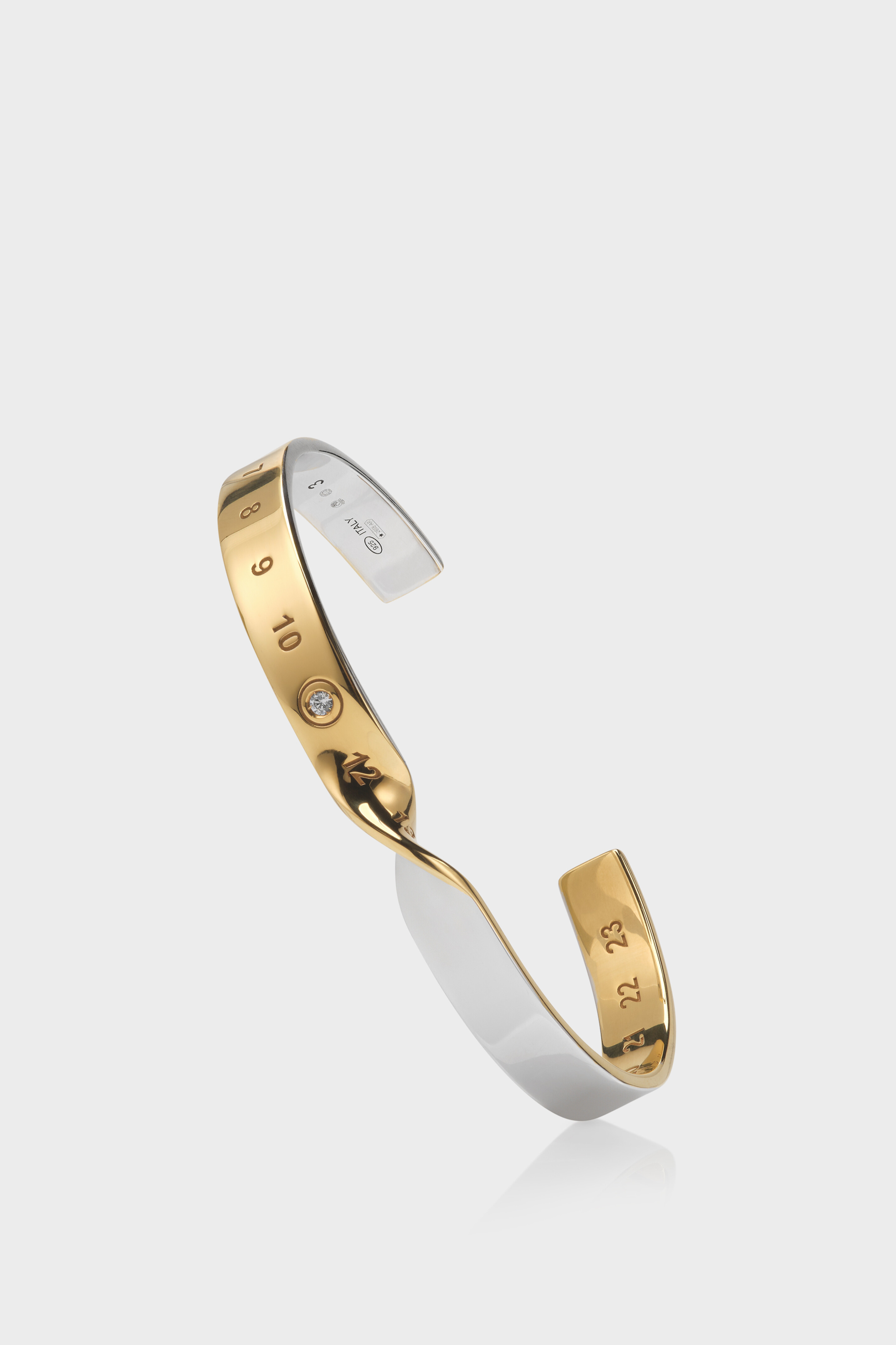
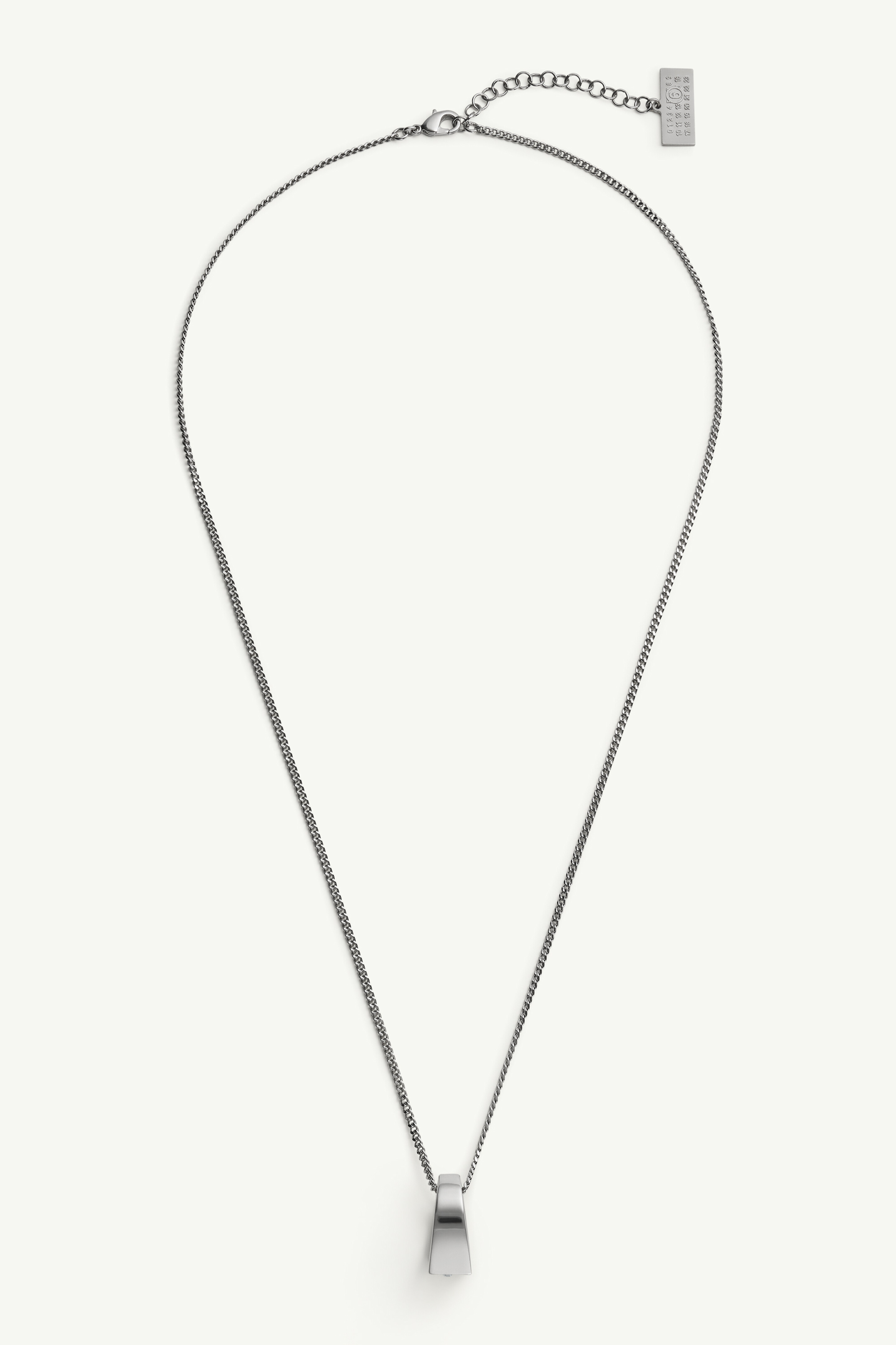
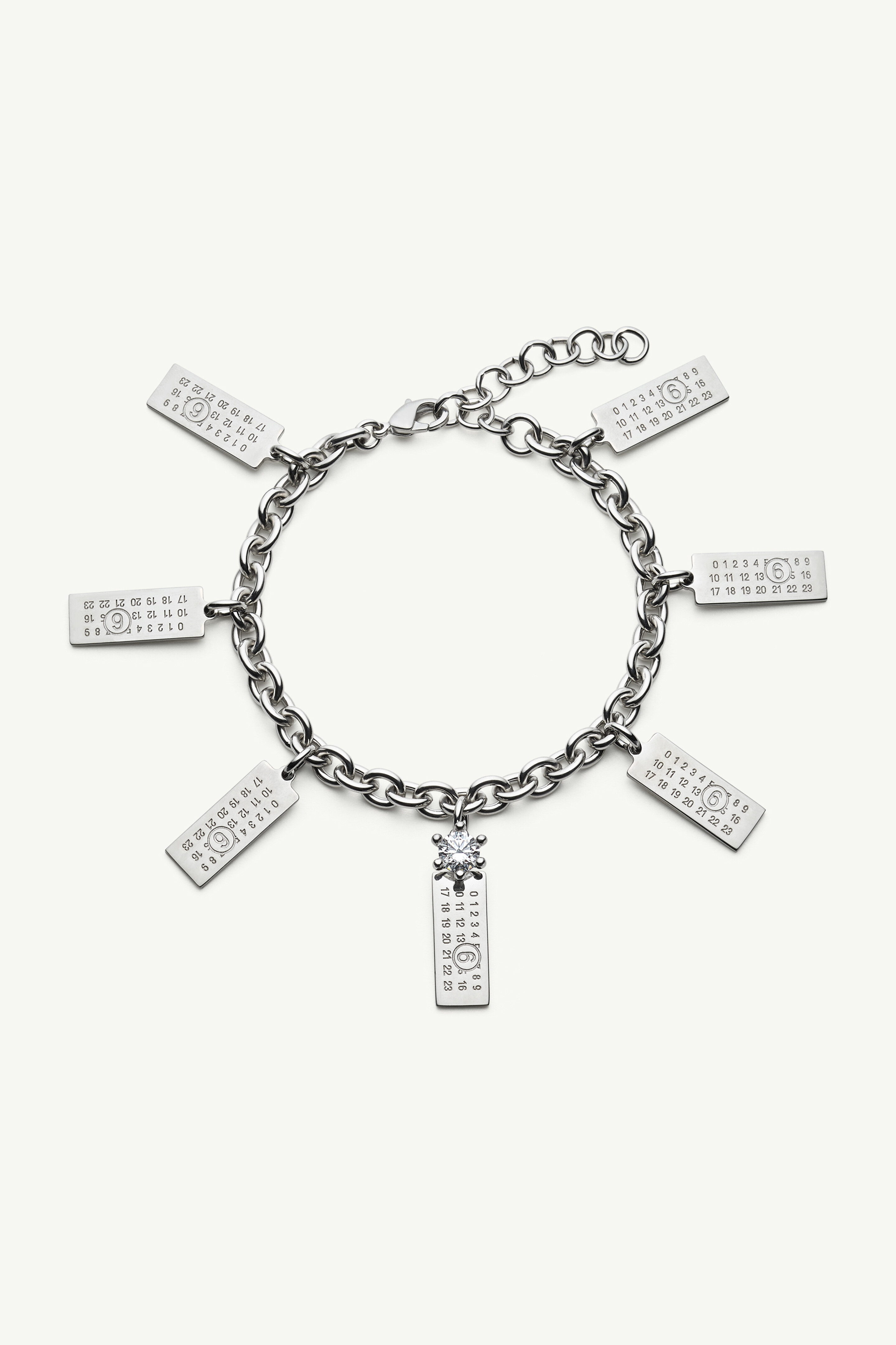
That blankness has persisted. The house still uses plain white carrier bags. Packaging is minimal. The website, even now, is almost aggressively spare. And the numbering system — those circles with digits, indicating which line a piece belongs to — remains unchanged. Line 1 is womenswear. Line 10 is menswear. Line 6 is the basics. Line 0 is Artisanal. It's a system so internal it barely registers as branding, which is exactly the point.
Where it stands now
Galliano's tenure has been the longest since Margiela himself. A decade in, the house is in a strange position. It's more visible than it's ever been, more commercially successful, more embedded in the broader fashion conversation. The Tabi has gone from insider signifier to mass-market reference. The Replica line is in its second decade. The Artisanal shows are some of the most anticipated of the Paris calendar.
But the quieter codes remain. The white stitching, the dropped shoulder, the flat shoe, the blank label. These aren't things that shift with creative direction. They're structural. They're what makes a Margiela garment legible as such, even when everything else around it has changed.
The house has always been about absence as much as presence. What's left out, what's refused, what's kept deliberately blank. In an industry that runs on visibility, on logo and name and face, Margiela built a vocabulary of refusal. And the strangest thing is that it worked. Thirty-five years later, those four white stitches are still there, still raw, still serving no purpose except to say: this is how it's made, and we're not hiding it from you.
You can still cut them off, of course. But most people don't.