There is a photograph from 1978 of a woman boarding a flight to Milan
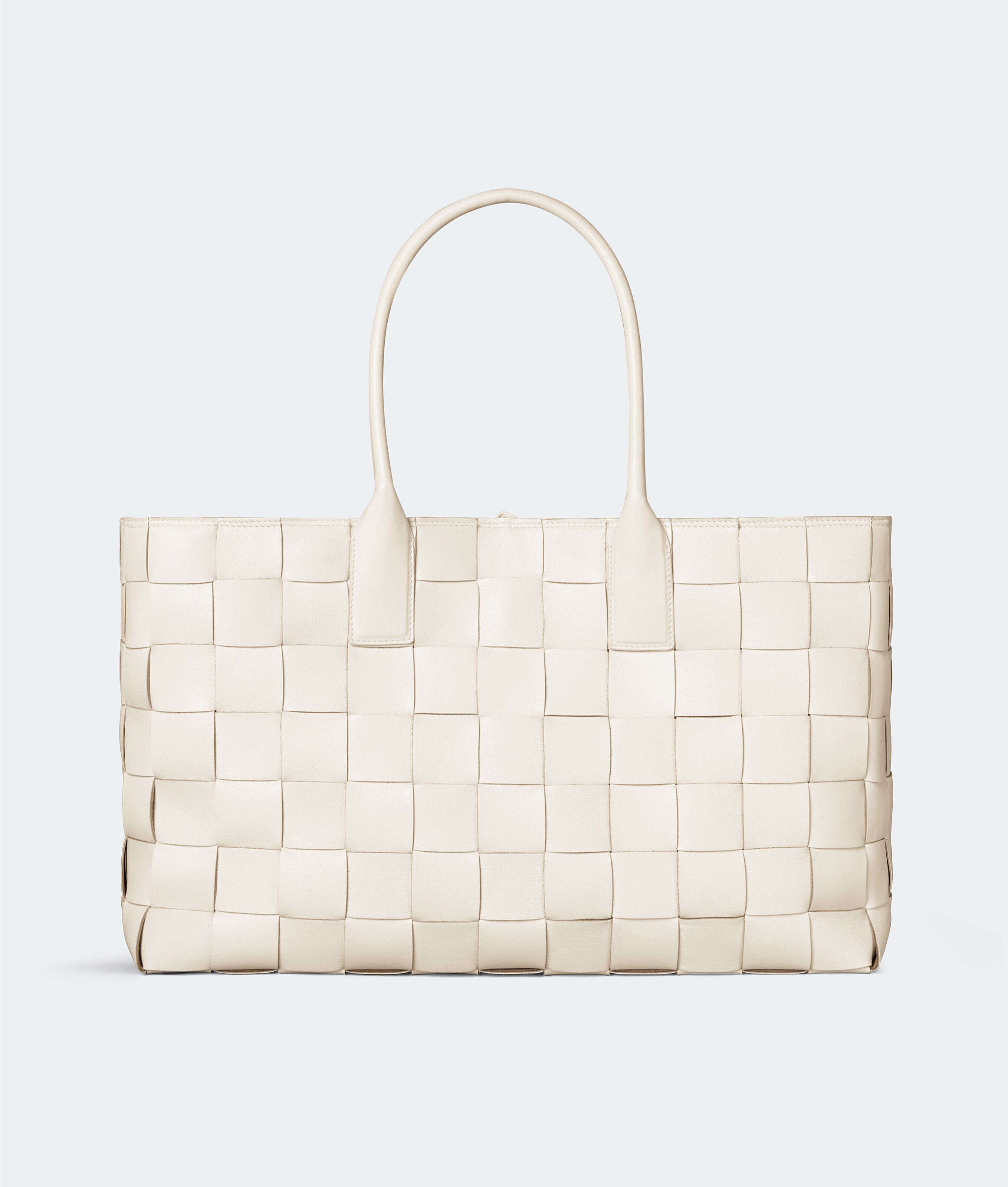
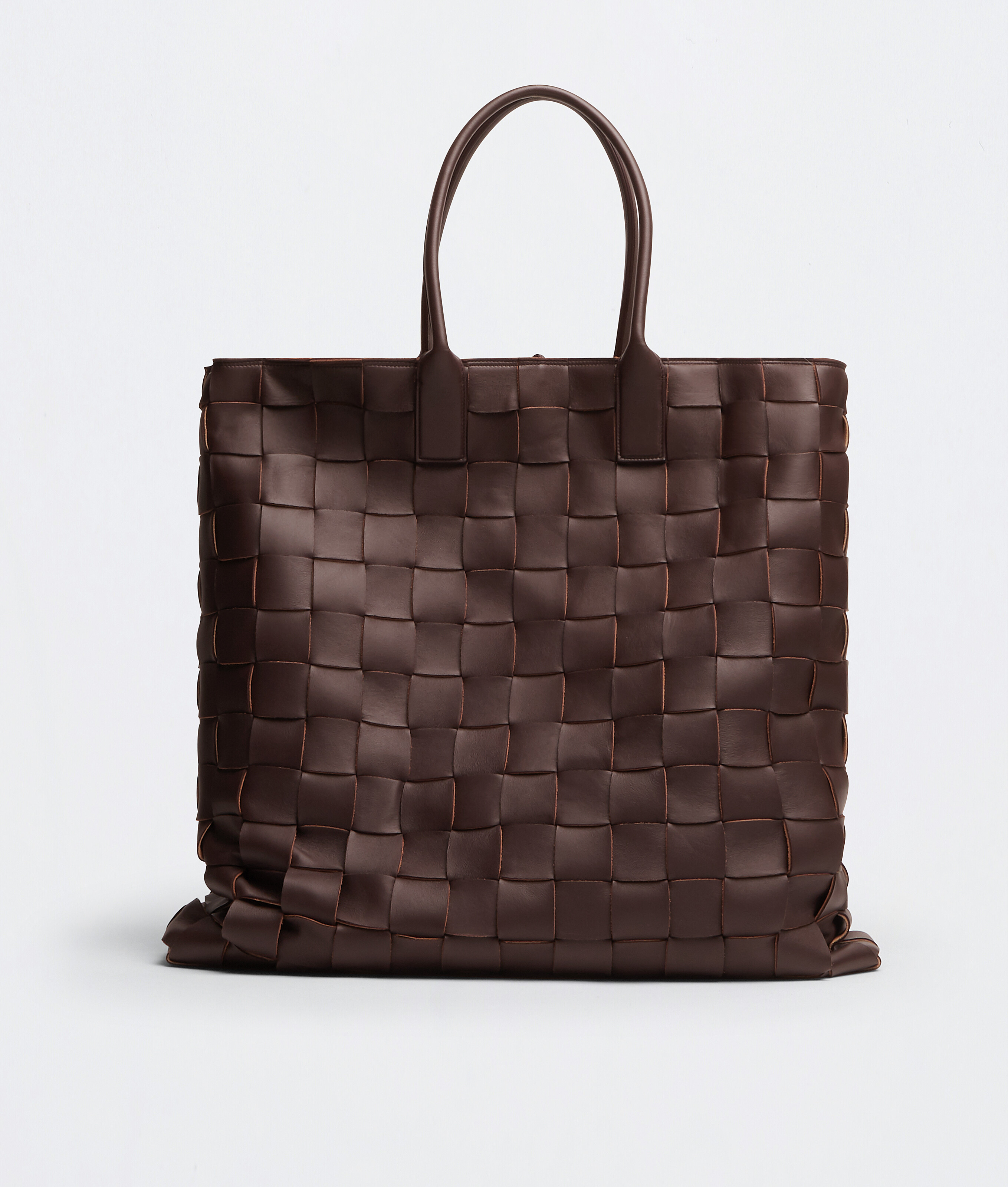
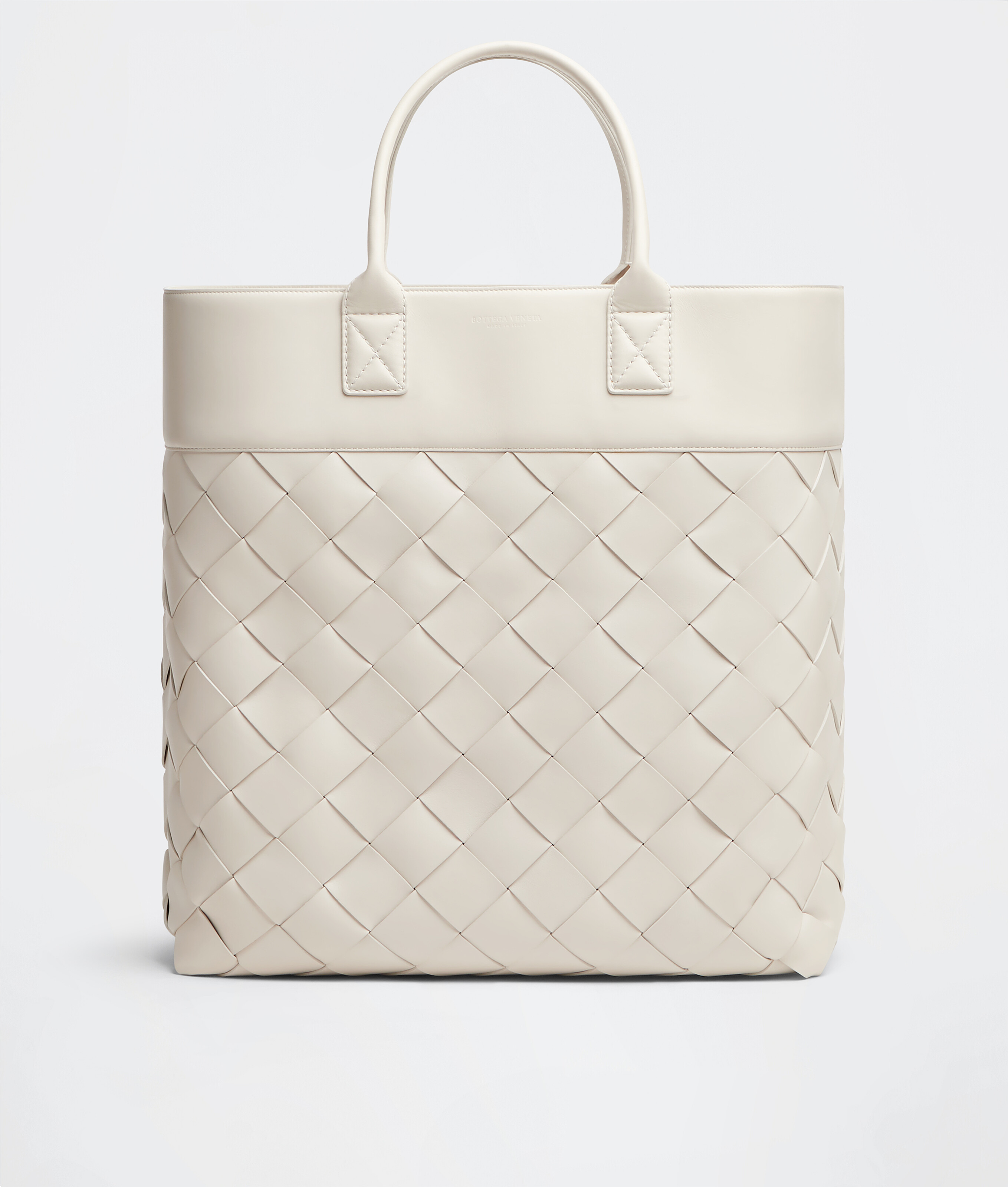
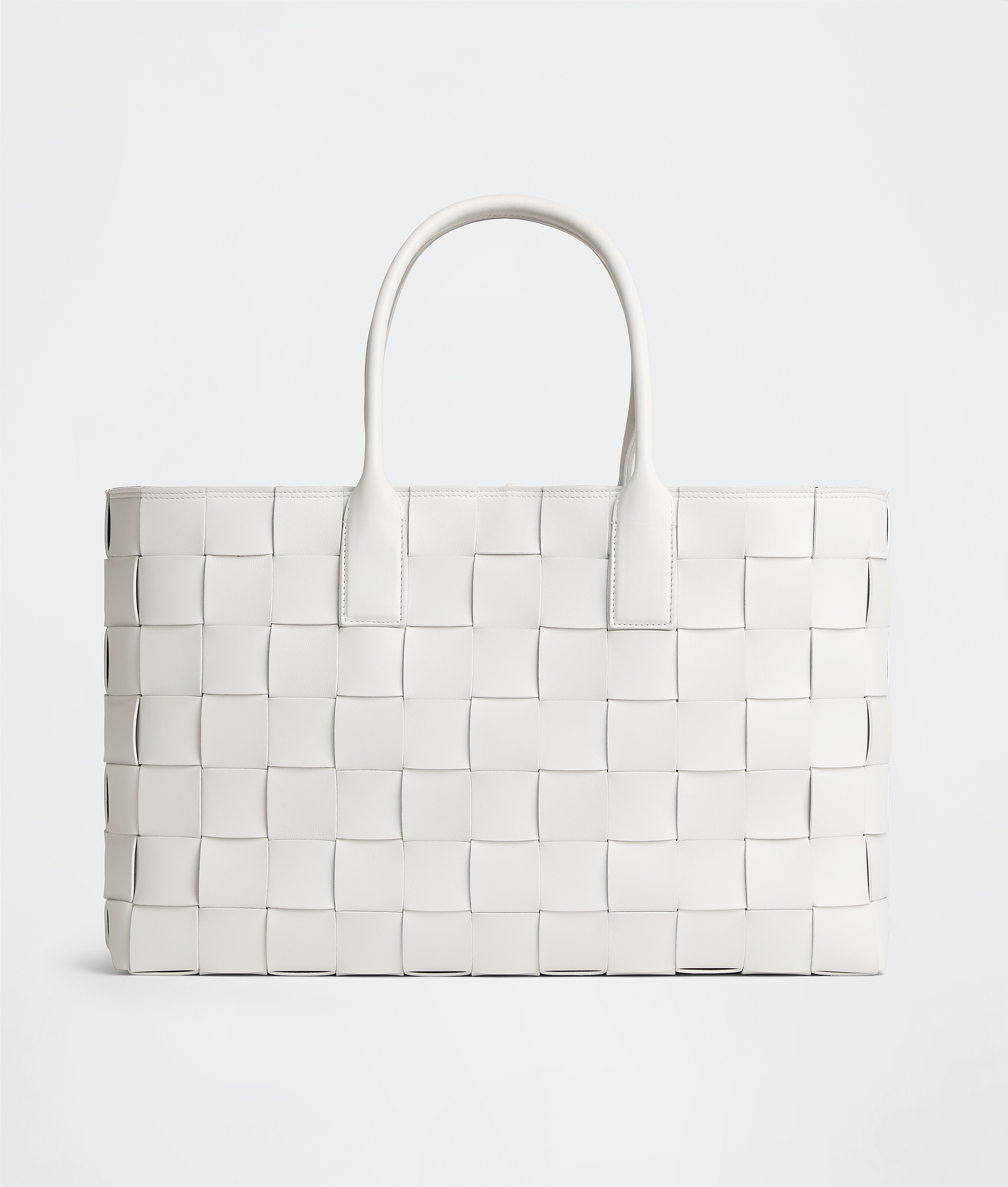
There is a photograph from 1978 of a woman boarding a flight to Milan. Her bag is soft, woven, cognac-coloured, and carries no logo. The leather is Nappa, the construction is intrecciato — a tight basket weave that requires a skilled hand and doubles the material cost — and the whole thing looks like it has already lived a life. It hasn't. That is the point. Bottega Veneta built a house on the idea that luxury could be quiet, that craft could speak louder than a monogram, and that a bag should look better after five years than it did on the shop floor.
The maison was founded in Vicenza in 1966 by Michele Taddei and Renzo Zengiaro, two leather artisans who opened a small workshop and sold to American department stores. The intrecciato weave came early, born from necessity — woven leather is stronger, more supple, and less prone to stretching than a single panel. It also required more labour, which meant higher margins and a built-in barrier to imitation. By the mid-Seventies, Bottega had developed a reputation among a particular type of client: the woman who didn't need to announce anything, who understood the difference between calf and kid, and who kept the same bag for a decade.
The house moved through the Eighties without chasing trends. While the rest of Milan doubled down on logos and shoulder pads, Bottega stayed small, stayed expensive, and cultivated a kind of knowing discretion. The tagline — "When your own initials are enough" — appeared in American Vogue in 1980 and became the closest thing the brand had to a manifesto. It was not, strictly speaking, true. Plenty of Bottega clients also carried monogrammed luggage. But it named something real: the desire to be read by people who knew, and to be invisible to everyone else.
Tomas Maier and the reconstruction of restraint
By the time Tomas Maier arrived in 2001, Bottega Veneta had spent a decade in decline. The house had been sold to Gucci Group in 2001 for $156 million, a figure that reflected more potential than performance. Maier, a German designer who had worked at Hermès and Sonia Rykiel, was brought in to rebuild. What he did instead was subtract.
He kept the intrecciato. He kept the Nappa. He kept the cognac and the moss green and the dark chocolate that had defined the house in the Seventies. Then he removed everything else. No logos, no hardware, no visible stitching unless it was structural. The bags looked like they had been made by someone who had never heard of a trend cycle. The clothes — when they came, slowly — looked like they had been designed for a woman who spent August in Pantelleria and owned one very good watch.
Maier's Bottega was not minimal. Minimalism suggests reduction for aesthetic effect. This was reduction for clarity. A woven leather coat weighs more than it looks like it should. A Cabat bag, woven entirely by hand with no internal frame, takes two days to make and costs five figures. The runway shows were held in the maison's Milanese headquarters, not during fashion week, because Maier did not believe in spectacle. He believed in cloth.
The strategy worked. By 2012, Bottega Veneta's revenue had grown to €1 billion, up from €100 million when Maier started. The house had become the third-largest brand in what was now the Kering group, behind Gucci and Saint Laurent. More importantly, it had re-established a position that no one else was occupying: the luxury house for people who were bored of luxury.
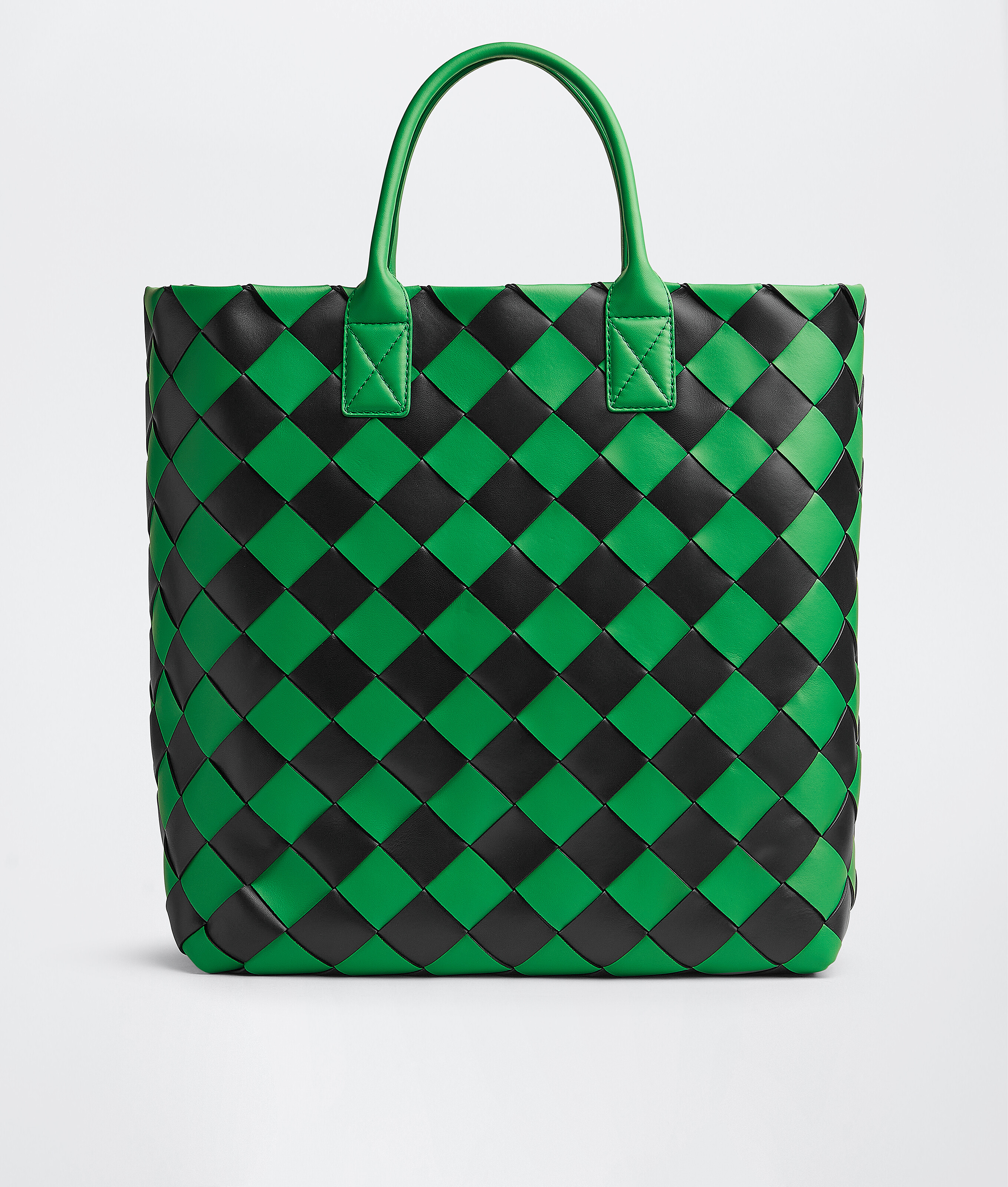
Maier's shows were studied, cerebral, and entirely without irony. A men's collection might open with a double-breasted coat in heavyweight wool, cut with a soft shoulder and a longer skirt, worn over a cashmere rollneck and wide-cut trousers. No logo. No styling tricks. Just cloth and cut and a model who looked like he had somewhere to be. The women's collections worked the same way. Knits were oversized but never sloppy. Leather was everywhere — woven into skirts, pleated into trousers, draped into blouses that moved like silk. The intrecciato appeared on everything from evening bags to ankle boots, always executed with the same tight, uniform weave that the house had been doing since 1966.
By the time Maier left in 2018, Bottega had become its own reference point. Other houses copied the weave. No one could copy the restraint.
Daniel Lee and the return of desire
Daniel Lee arrived in 2018 with a different problem. Bottega was respected, profitable, and — among a certain audience — slightly inert. Maier had built a house for clients who already understood the codes. Lee's job was to make people want in.
He kept the intrecciato. He kept the lack of logos. Then he changed the proportions. The Pouch, released in his first season, was a soft, pillow-shaped clutch with a single gathered seam and no hardware. It looked like something you could make at home, which was precisely why you couldn't. The leather was Nappa, butter-soft, and the construction required a level of control that only a handful of ateliers could manage. It became the most copied bag of 2019.
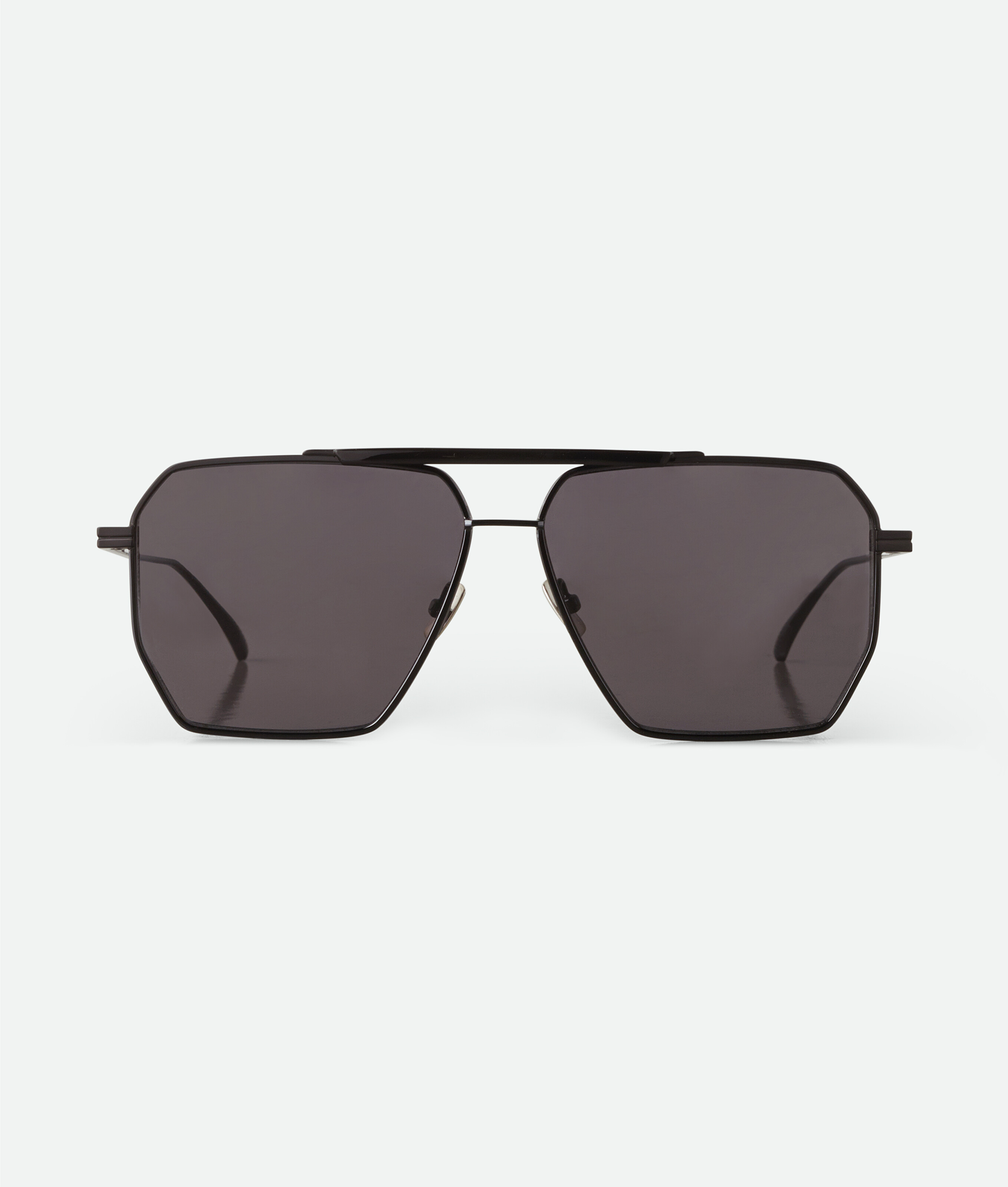
Lee's Bottega was faster, louder, and more interested in fashion as a social language. The shows were still in Milan, but they were no longer cerebral. Models wore square-toed boots with exaggerated shafts, padded leather jackets that looked like they had been inflated, and trousers cut so wide they moved like skirts. The intrecciato appeared on everything — sandals, sunglasses, tyres for a limited-edition bicycle — but it no longer felt like a house signature. It felt like a logo that wasn't a logo, which is a different thing.
The strategy worked, again. Bottega's revenue grew by double digits. The waiting list for the Pouch stretched into months. A new client base arrived, younger and more interested in being seen. Lee left in 2021, and the house appointed Matthieu Blazy, his former deputy, as creative director.
What remains
Blazy's Bottega is quieter than Lee's, but not as quiet as Maier's. The intrecciato is still there, but so is a willingness to play. A recent men's show opened with a leather trench coat, woven in panels, worn over a simple white shirt and jeans. The jeans had been treated to look worn, the shirt was cotton poplin, and the whole thing felt like someone had walked out of a studio in Vicenza and onto a runway by accident. It was the best thing in the collection.
The house is still in Vicenza. The atelier still trains apprentices in the intrecciato weave, which takes six months to learn properly. The Cabat is still made by hand, still takes two days, still costs more than most people spend on a sofa. Bottega Veneta has spent nearly 60 years figuring out how to be desirable without being loud, how to grow without losing the thing that made growth possible. Not every era has succeeded. But the bag from 1978 still works.