Tom Ford now: where the house stands
The white shirt at the Milan flagship still carries the original placket width — seven centimetres, not six-and-a-half like most of the market drifted toward in the mid-2010s. It's cut from Swiss poplin, finished with mother-of-pearl, and priced at €890. It hasn't changed since Ford himself was signing off on samples. What has changed is that most people walking past the Montenapoleone windows no longer know his name, or think of him as someone who made films.
Tom Ford the house now exists in a strange interregnum. The man left in 2023, selling to Estée Lauder years before that, and the house has been without a named creative director for over a year. Runway shows continue. Product ships. The brand still makes money — a lot of it, mostly from beauty and eyewear. But the question hanging over the entire operation is whether Tom Ford can exist as Tom Ford without Tom Ford, or whether it becomes another alphabetised luxury holding with good distribution and no centre.
How it started, and what it was for
Tom Ford the person built Tom Ford the brand in 2005, after his exit from Gucci Group. He had spent a decade turning Gucci from a Florentine leather goods house with declining cachet into the single most profitable luxury brand of the late '90s. The work was precise: narrower lapels, deeper V-necks, hip-slung trousers, a kind of controlled sleaze that photographed like power. He did the same at Yves Saint Laurent, which Gucci Group acquired in 1999. When his contract wasn't renewed in 2004, he had leverage and cash and started his own house the following year.
The early Tom Ford collection was menswear only, produced in partnership with Zegna Group. It was not trying to be Gucci. It was narrower, more tailored, built around suiting and shirtings and a specific idea of American formality inflected through Italian making. The aesthetic was controlled: dark wool, grosgrain facings, silk foulards, black patent evening pumps. Ford had spent years dressing actors and understood how a man in a tuxedo reads differently depending on the button stance and the width of the silk facing. He made clothes for that reading.
Womenswear came in 2010, shown in New York rather than Milan or Paris. The first collection featured a white tuxedo jacket over a black silk bra, cigarette trousers, and an ivory evening coat. It was received as Ford's return to the kind of overt sexuality he'd done at Gucci, but the construction was different — more architectural, less about the body spilling out of the garment. By then the brand had added beauty, fragrance, eyewear, and a small leather goods line. The business model was clear: use ready-to-wear as image, make money everywhere else.
The Tom Ford era, in full
What Ford built between 2005 and 2023 was a house that looked like a person. The advertising was almost always him or someone he cast personally. The stores were designed to his specifications — low lighting, dark wood, no music. The fragrance bottles were bevelled glass with gold-stamped labels, designed to look like something from a 1970s pharmacy. Everything carried the same aesthetic position: controlled, expensive, vaguely cinematic, addressed to adults.
The runway shows were small, held in New York or Los Angeles, often at private estates. Guests sat on gilt chairs. The collections were tight — thirty to forty exits, mostly black, white, ivory, navy, with one or two pieces in jewel tones for the finale. Ford didn't do streetwear or irony or collaborations. He didn't do sneakers until 2018, and when he did they were leather low-tops that looked like driving shoes. The brand aged into its own reference point.
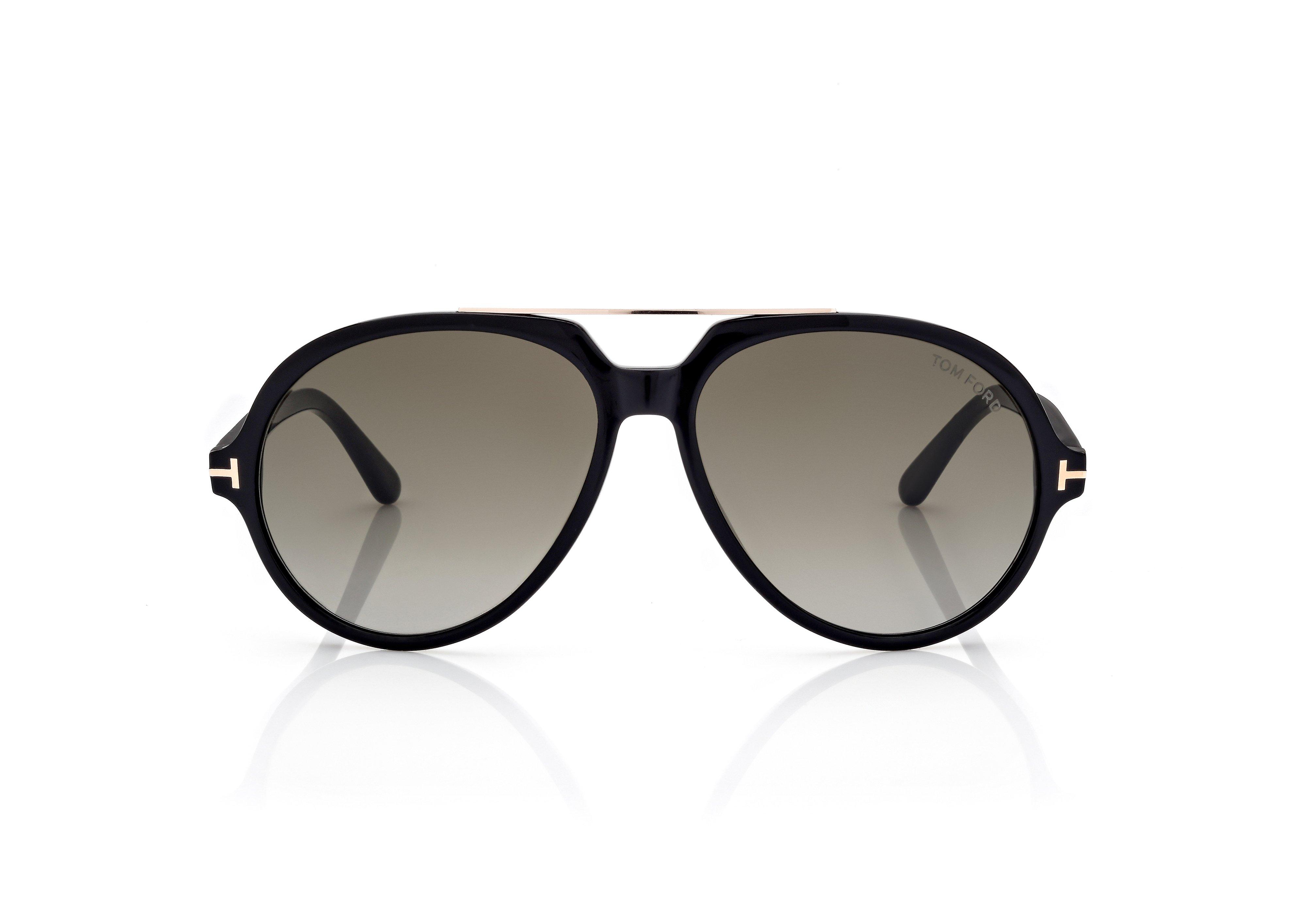
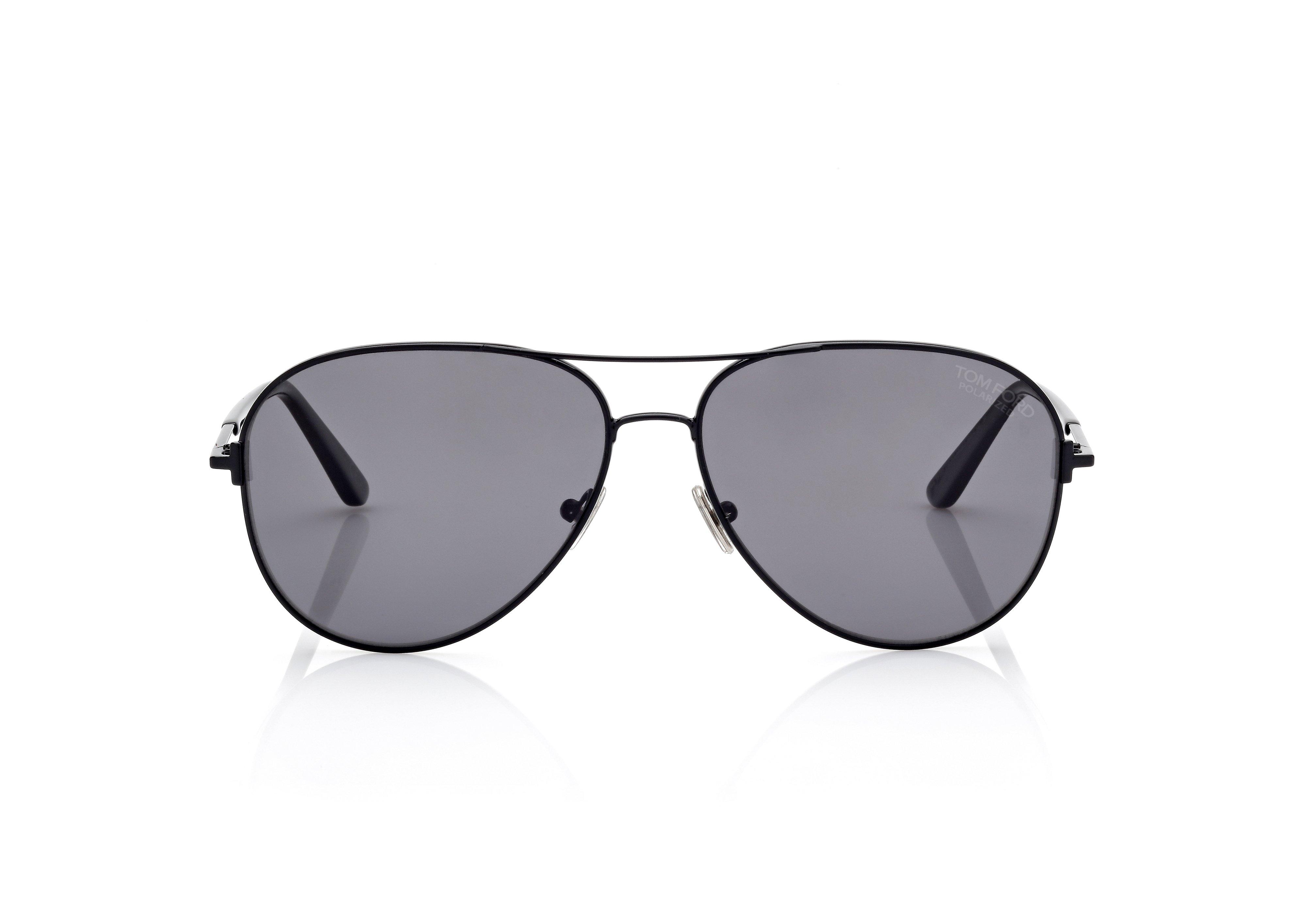
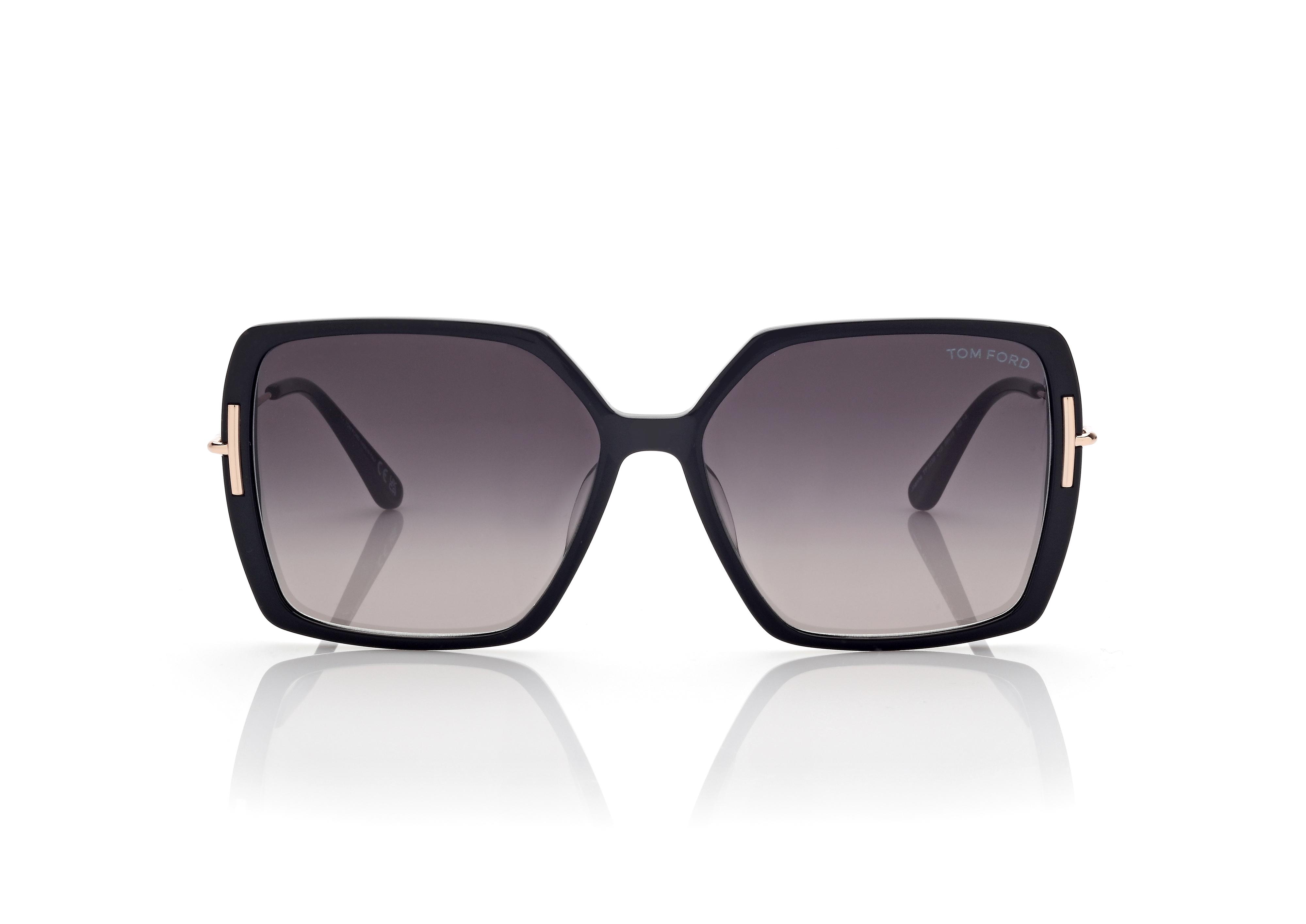
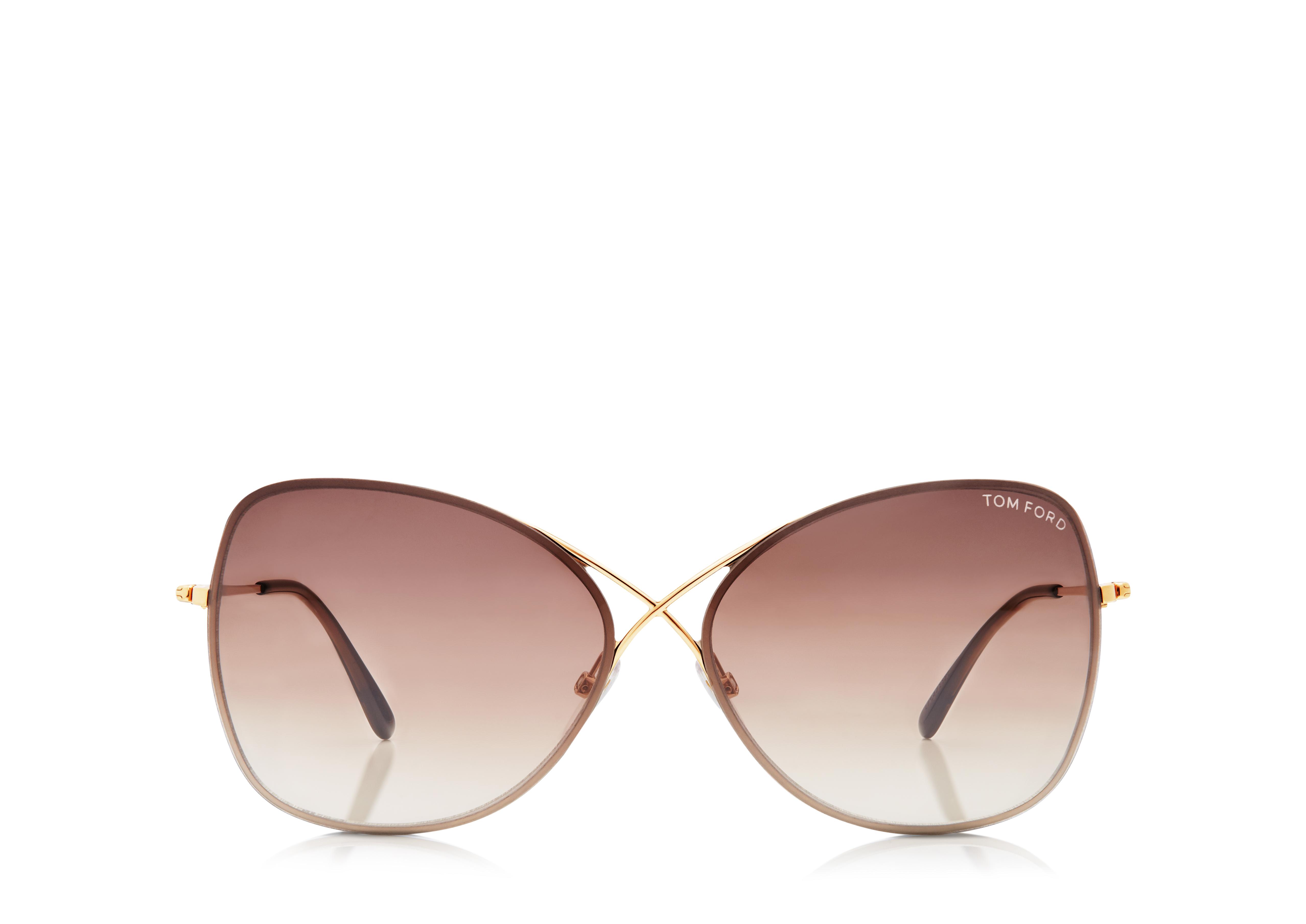
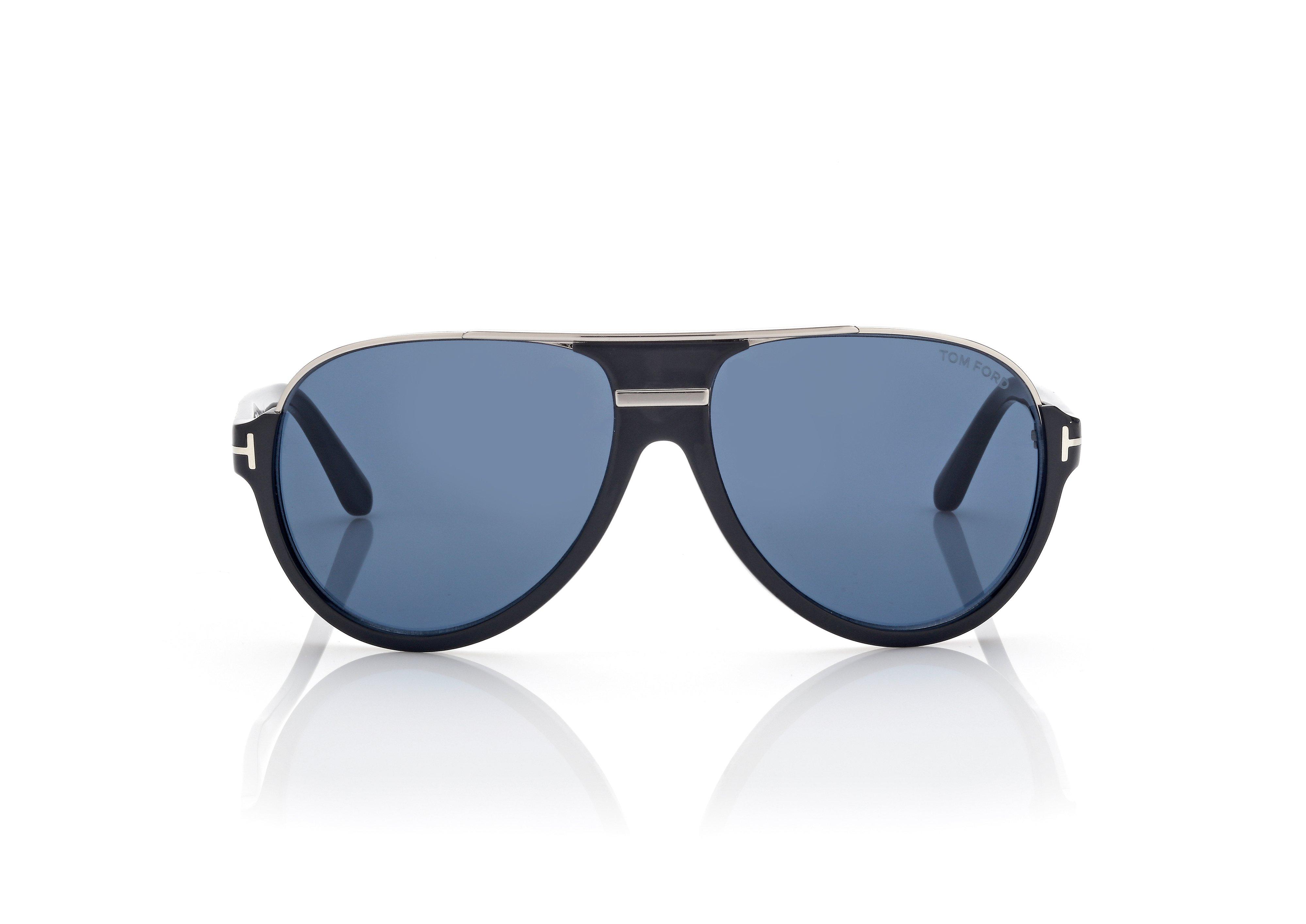
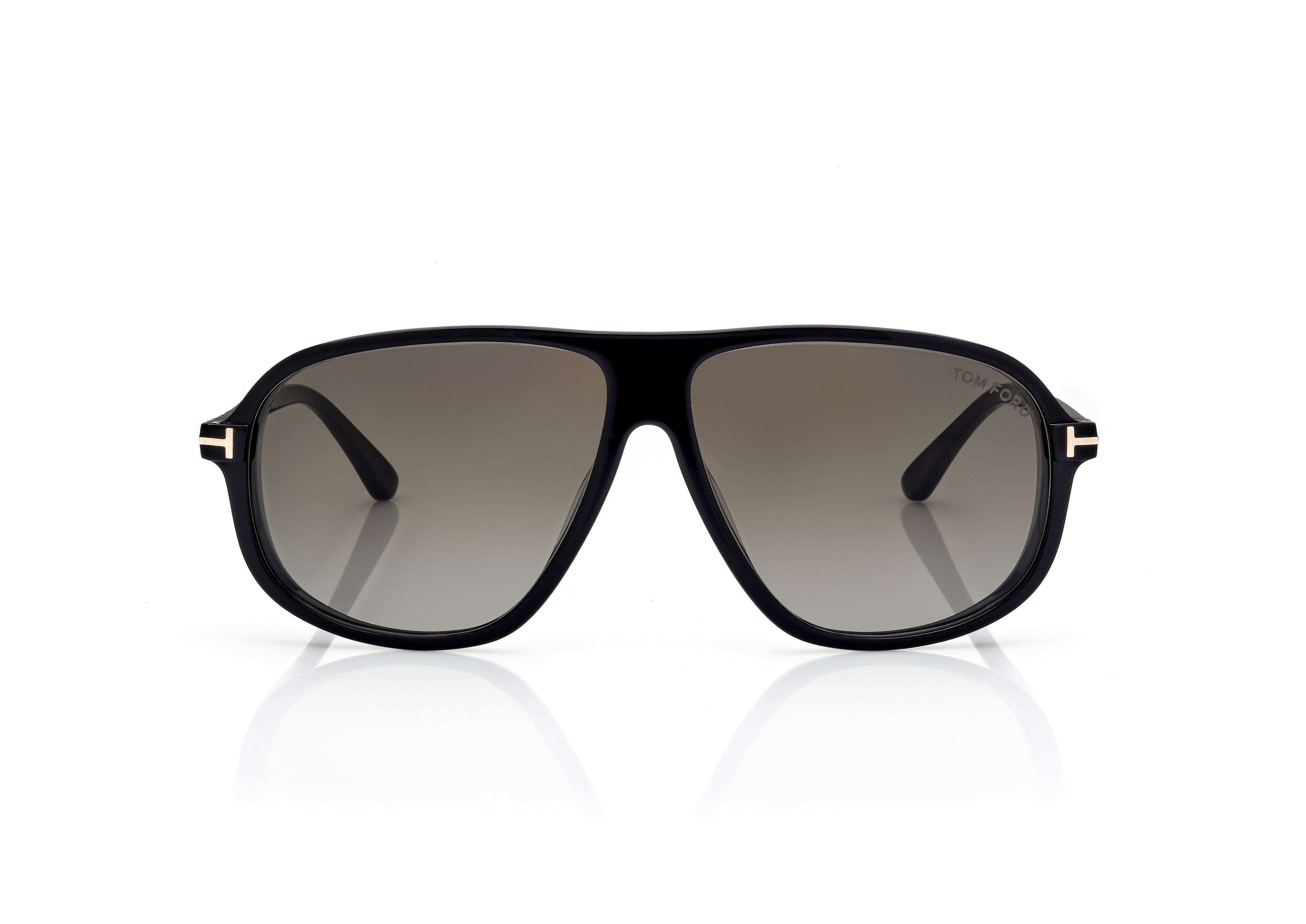
The accessories were where the house made its margins. The Jennifer bag, introduced in 2012 and named after Jennifer Aniston, was a structured top-handle in calf or crocodile with a turn-lock closure. It retailed from $2,800 and moved consistently. The eyewear — oversized, acetate, often with a gold T hinge — became a category leader. Fragrance did even better. By the time Estée Lauder acquired the brand in 2022 for $2.8 billion, beauty and fragrance accounted for roughly 85 per cent of revenue. Ready-to-wear was the image. Everything else was the business.
Ford himself left in 2023, staying on briefly as a creative advisor before stepping away entirely. The house has continued under an in-house design team. There is no singular vision now, no face. The autumn 2024 collection, shown in Milan, included wide-leg trousers, oversized blazers, and shearling bomber jackets — all well-made, all slightly less specific than what came before. The clothes looked like Tom Ford, but in the way a cover version sounds like the original.
What's there now
The current Tom Ford operates as a house without a person. The design team, led internally but not publicly named, continues to produce two main collections a year plus pre-collections. The aesthetic has softened slightly — more daywear, fewer evening pieces, broader shoulders, a bit more colour. The tailoring is still impeccable. The prices have climbed: a wool tuxedo jacket now starts at $4,800, up from $3,600 three years ago. The quality hasn't dropped, but the authority has.
Sales remain strong in beauty and eyewear. The fragrance line has expanded to over fifty SKUs, including a private blend tier that retails from $300 for 50ml. Oud Wood, Tobacco Vanille, and Black Orchid continue to move. Eyewear is stocked in over seventy countries. The brand's leather goods — still anchored by the Jennifer, the Natalia shoulder bag, and the Whitney tote — perform steadily but aren't growing. There's no new bag making noise.
The runway shows have stayed in the same format: New York, small venues, tightly edited collections. But without Ford in the room, the shows feel less like events and more like product presentations. The press still covers them. Buyers still write orders. But the cultural weight has shifted. Tom Ford is no longer setting the terms; it's following them, carefully.
Retail remains concentrated. The brand operates around fifty directly owned stores, mostly in the U.S., Europe, and Asia. There are no outlet locations. The stores still carry the original design language — dark interiors, minimal signage, velvet seating — but they feel increasingly like museum vitrines for an aesthetic that was specific to one person's taste. Which they are.
Where it goes from here
The obvious move would be to name a creative director. Estée Lauder has the capital and the infrastructure to recruit someone significant. But the risk is that any new designer either tries to replicate Ford's vision — which makes the house a copy of itself — or diverges too sharply and alienates the existing customer base. Tom Ford buyers are not looking for disruption. They're looking for the thing they already know.
The other option is to continue as-is: a house without a face, producing collections that reference the archive, supported by beauty and eyewear revenue. It's a viable model. Estée Lauder is good at managing brands as portfolios. But it also means Tom Ford becomes a logo rather than a point of view, and eventually the logo is just a serif T on a pair of sunglasses.
The question isn't whether the house survives — it will, financially. The question is whether it remains Tom Ford in any meaningful sense, or whether it becomes another well-distributed brand trading on a name that no longer refers to anything specific. Right now, it's somewhere in between.
The white shirt is still there, still seven centimetres at the placket, still €890. It's made the same way it was in 2006. But the man who decided that width, who understood what it did to the proportions of a dinner jacket, who could tell you why it mattered — he's gone. And the house hasn't yet figured out how to be a house without him.