Alexander McQueen does not do safe
Alexander McQueen does not do safe. The house built its name on tailoring that carved new silhouettes from old codes, on leather that looked like it had survived something, on shoes that made walking a deliberate act. That reputation persists, even as creative director Sarah Burton has spent two decades translating Lee Alexander McQueen's confrontational energy into pieces you can actually wear more than once. The question for a first-timer is not whether McQueen is worth the outlay—it demonstrably is—but which piece gives you the sharpest introduction to what the house does well. You want craft, not theatre. Structure, not spectacle. Something that holds its line after a year of wear and still reads as McQueen across a room. That narrows the field considerably. At three budgets, here is where to begin.
Under £500: The Oversized Sneaker
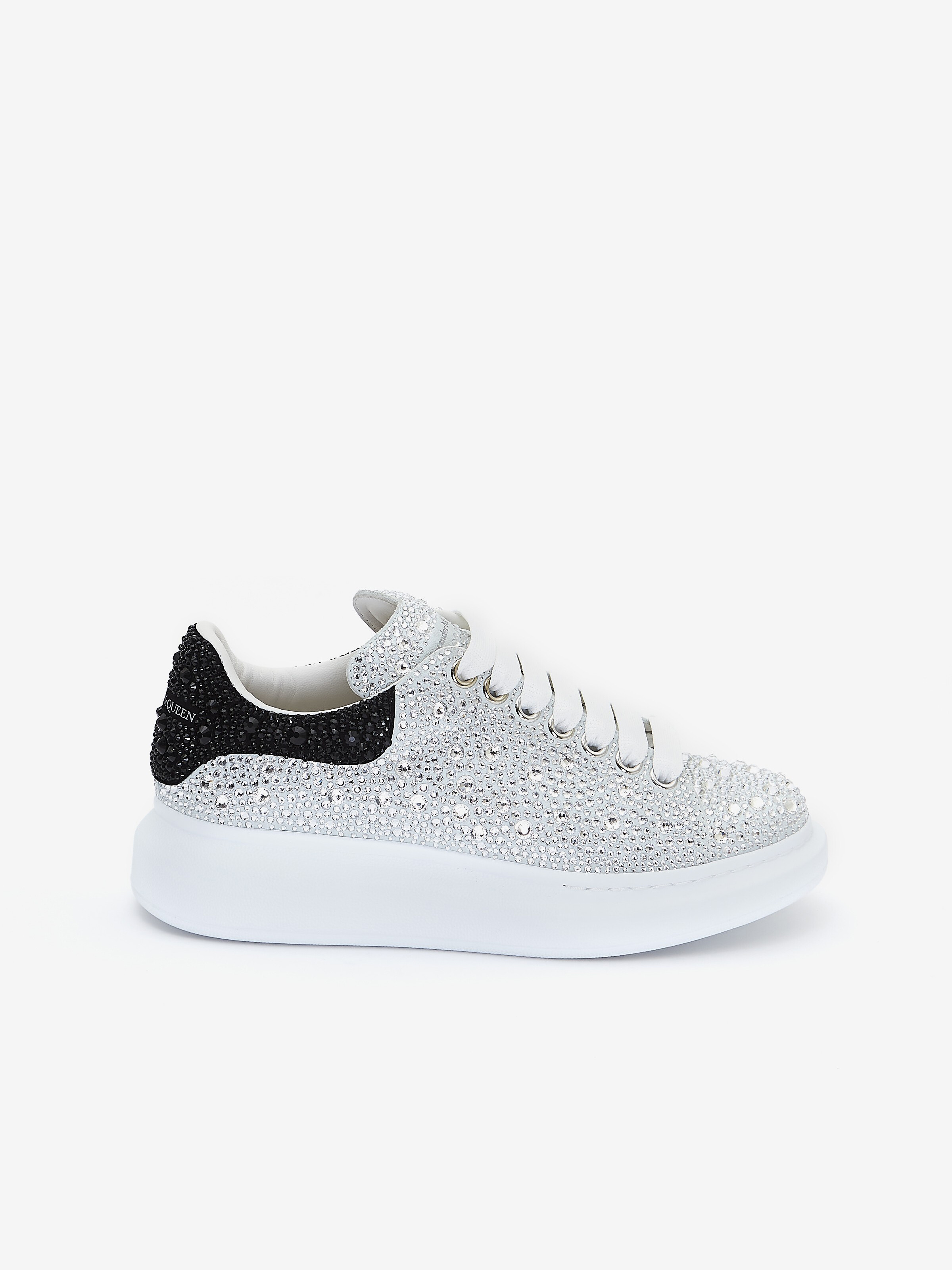
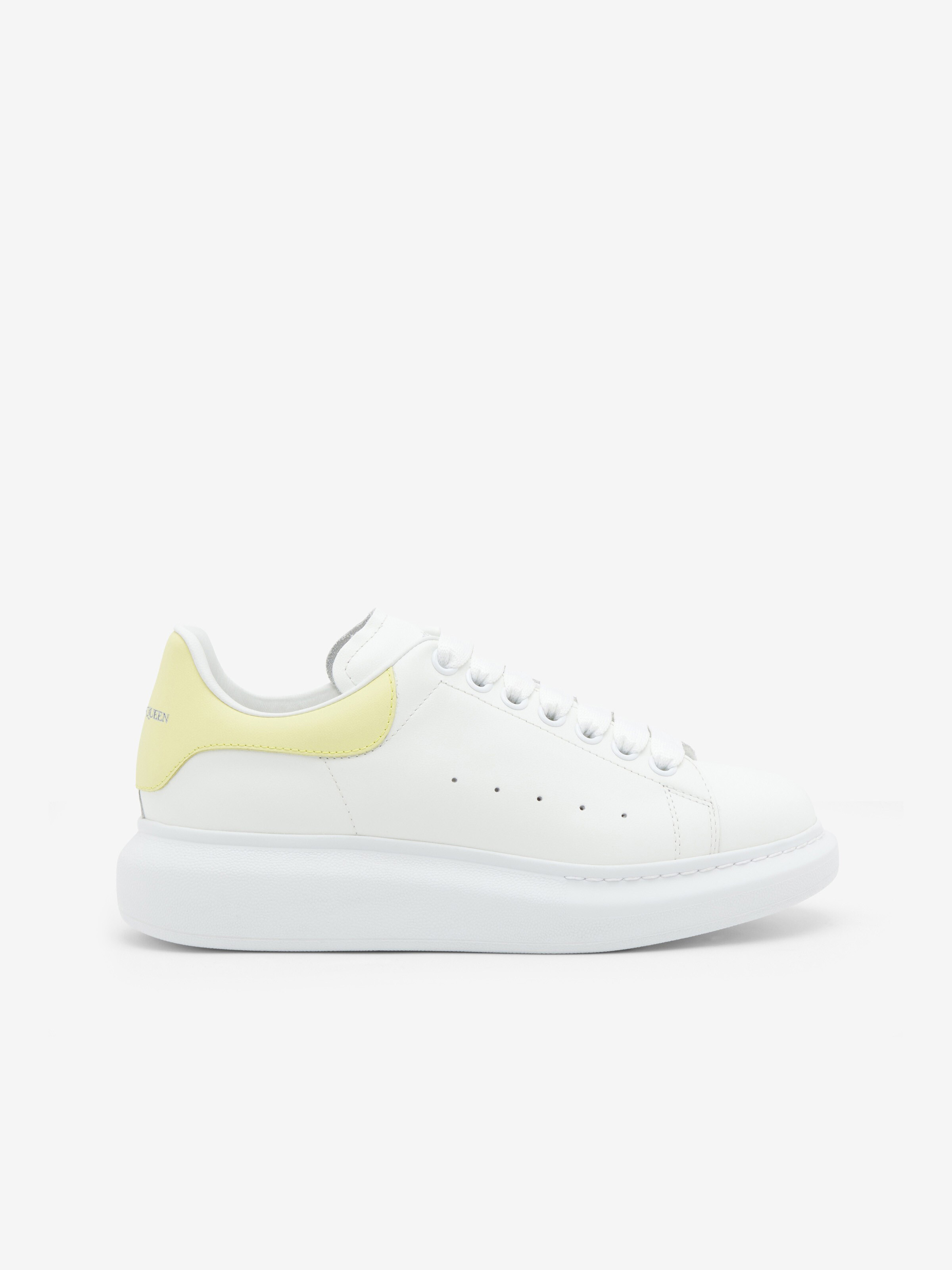
The Oversized sneaker is the house's most accessible entry point, and it earns that position honestly. Launched in 2015, it became ubiquitous without becoming disposable. The profile is clean—low-top, rounded toe, exaggerated rubber sole—but the proportions do the work. The sole extends a full centimetre beyond the upper, which gives the shoe a planted, almost brutalist stance. It is not minimal. It is not trying to be.
The leather is smooth calfskin, typically Italian. The heel counter is padded and structured enough that the shoe does not collapse after six months of wear. McQueen embroiders the house name across the heel tab in a serif typeface that manages to feel both archival and contemporary, which is a harder balance than it sounds. Colourways range from the expected white-on-white to black uppers with contrast soles, plus seasonal editions in suede or patent.
Expect to pay £390 to £450, depending on material. That sits below Balenciaga's Triple S and well below anything Maison Margiela puts a Tabi toe on. For that price, you get a shoe that works with cropped trousers, raw denim, and tailored wool without looking like you are trying to make any of those combinations happen. It simply does.
The sole will last. McQueen uses a dense rubber compound that wears slowly and can be replaced by a cobbler who knows what they are doing. The upper creases at the vamp, as all leather does, but the structure underneath keeps the shoe from sagging. After a year, it looks worn in, not worn out. That is the difference.
£800–£1,200: The Knuckle Box Clutch
The Knuckle clutch arrived in 2010 and became one of the house's most recognised silhouettes. It is a hard-shell box clutch with a brass knuckleduster clasp that doubles as the handle. The provocation is obvious, but the execution is restrained. The clasp is cast, not stamped. The shell is lacquered wood or structured leather, depending on the edition. The interior is suede-lined, with a single slip pocket and a chain strap that tucks inside when you do not need it.
This is not a piece that pretends to be practical. It holds a phone, cards, keys, and not much else. But it does what evening bags are supposed to do: it finishes a look without requiring explanation. The knuckle clasp reads from across a room. Up close, the detailing—the way the clasp hinges, the weight of the hardware, the hand-painted lacquer on certain editions—justifies the price.
Current retail runs from £895 for a small leather version to £1,195 for the lacquered box or embellished editions. Resale is strong. A well-kept Knuckle from five years ago still commands 60 to 70 per cent of its original price, which tells you something about how the piece holds its relevance.
The construction is solid. The clasp mechanism is brass, not plated zinc, and it will not snap under normal use. The lacquer can chip if you drop it on tile, but leather versions age more forgivingly. This is a piece you keep in its dust bag and pull out when the occasion calls for it. It will outlast most of your wardrobe.
£1,500–£2,500: The Tailored Blazer
If you want to understand what Alexander McQueen does at the level of cut and construction, buy a blazer. The house built its reputation on tailoring that exaggerated the shoulder, nipped the waist, and lengthened the torso in ways that felt architectural rather than decorative. That approach has softened under Sarah Burton, but the fundamentals remain. A McQueen blazer still has more structure than most of what you will find at the same price point.
The shoulder is built, not natural. The canvas is full, not fused. The lapel is cut on the bias and pressed by hand, which is why it rolls cleanly and stays put. The waist suppression is pronounced—often a four-inch drop from chest to waist—but the skirt flares slightly at the hip, so the silhouette does not read as constricting. The result is a jacket that looks sharp on the hanger and sharper on the body.
Cloth varies by season, but expect mid-weight worsteds, wool-mohair blends, or occasionally a textured hopsack. McQueen does not do unstructured linen. The house works in fabrics that hold a line. Linings are typically viscose, sometimes silk. Buttons are horn or corozo, never plastic.
Retail starts around £1,595 for a single-breasted wool blazer and climbs to £2,400 for double-breasted styles or seasonal fabrications. That places it above Givenchy and below Celine or The Row. You are paying for British tailoring, executed in Italy, with a silhouette that does not exist anywhere else at this price.
This is a piece that requires care. Dry-clean it sparingly—twice a season at most. Brush it after each wear. Store it on a shaped hanger, not a wire one. The shoulder pads will flatten if you hang it poorly, and the canvas will lose its spring if you press it too often. Treat it correctly, and it will last a decade without looking dated. McQueen's tailoring does not follow trends. It sets a line and holds it.
A Note on Longevity
Alexander McQueen builds for permanence, not for a season. The leather is full-grain. The hardware is solid brass or stainless steel. The construction—whether on a sneaker, a bag, or a tailored jacket—assumes you will keep the piece and wear it hard. That durability is part of the value proposition, but it requires some effort on your end. Store leather in breathable dust bags, not plastic. Rotate shoes so the insoles dry between wears. Have tailoring checked by someone who understands structured garments, not your local alterations shop. McQueen does not need coddling, but it does need respect. Give it that, and your first piece will not be your last.