Bottega Veneta makes shoes that cost what shoes cost when they're built to last
Bottega Veneta makes shoes that cost what shoes cost when they're built to last. That's the premise, anyway. The house doesn't advertise durability — that would be gauche — but the construction implies it. Intrecciato woven leather. Blake-stitched soles. Vegetable-tanned calfskin that develops a patina instead of cracking. These are materials and methods that predate planned obsolescence.
But premise and practice don't always align. Plenty of expensive shoes fall apart after a season of regular wear. Stitching pulls. Heels separate. Leather creases in ways that look like damage, not age. So the question isn't whether Bottega Veneta shoes are expensive — they are — but whether they're expensive in the way a good coat is expensive. Something you buy once and wear for years, not once and baby for years.
I've worn three models hard over the last eighteen months. A loafer, a boot, a sandal. Different constructions, different leather weights, different levels of structure. I wore them to work, to weddings, to a funeral, on cobblestones in Lisbon and salted sidewalks in Brooklyn. I didn't treat them gently. I wanted to know what holds up when you don't perform care like a ritual, when you just wear the shoes.
Here's what I found.
The Intrecciato Loafer
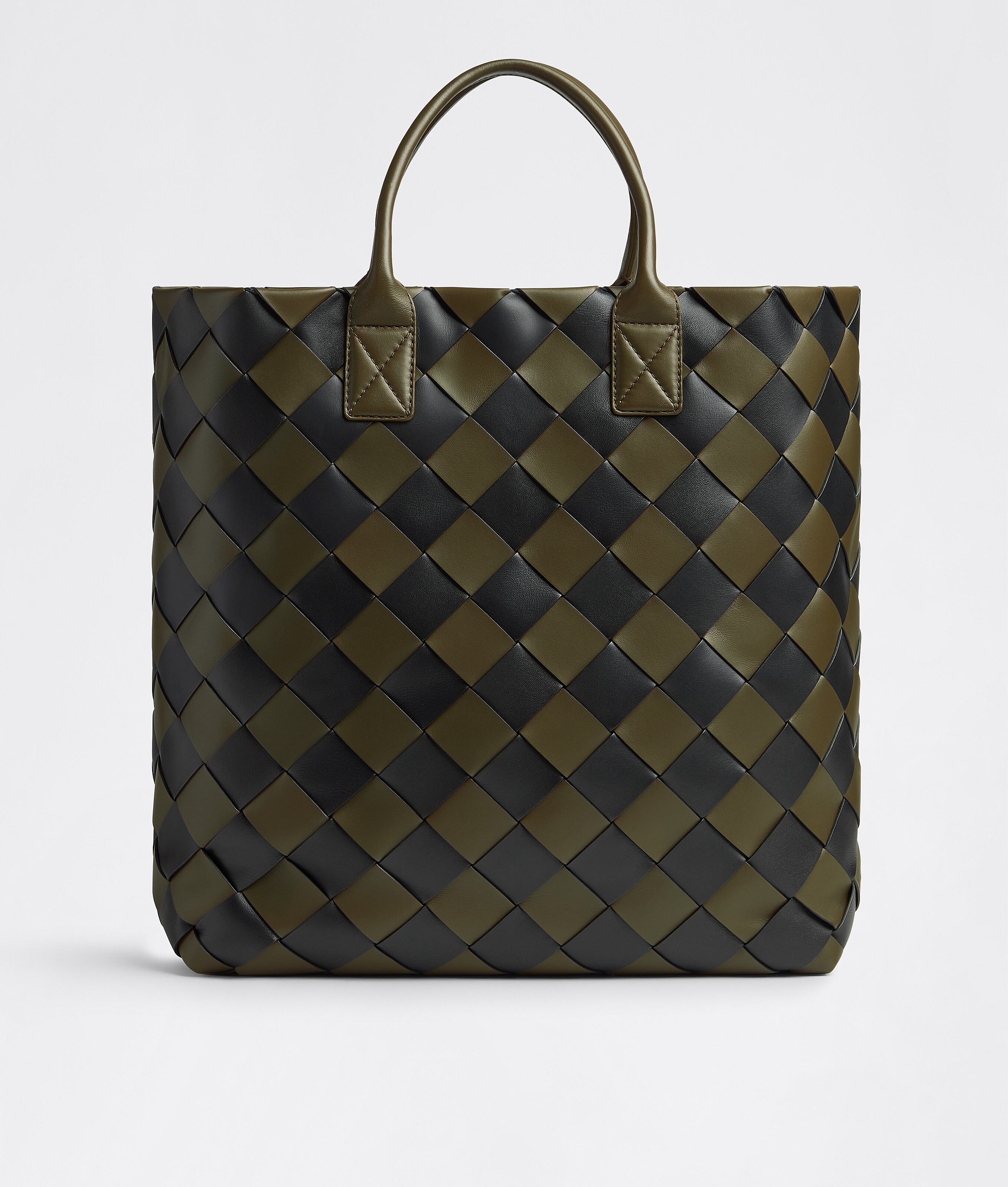
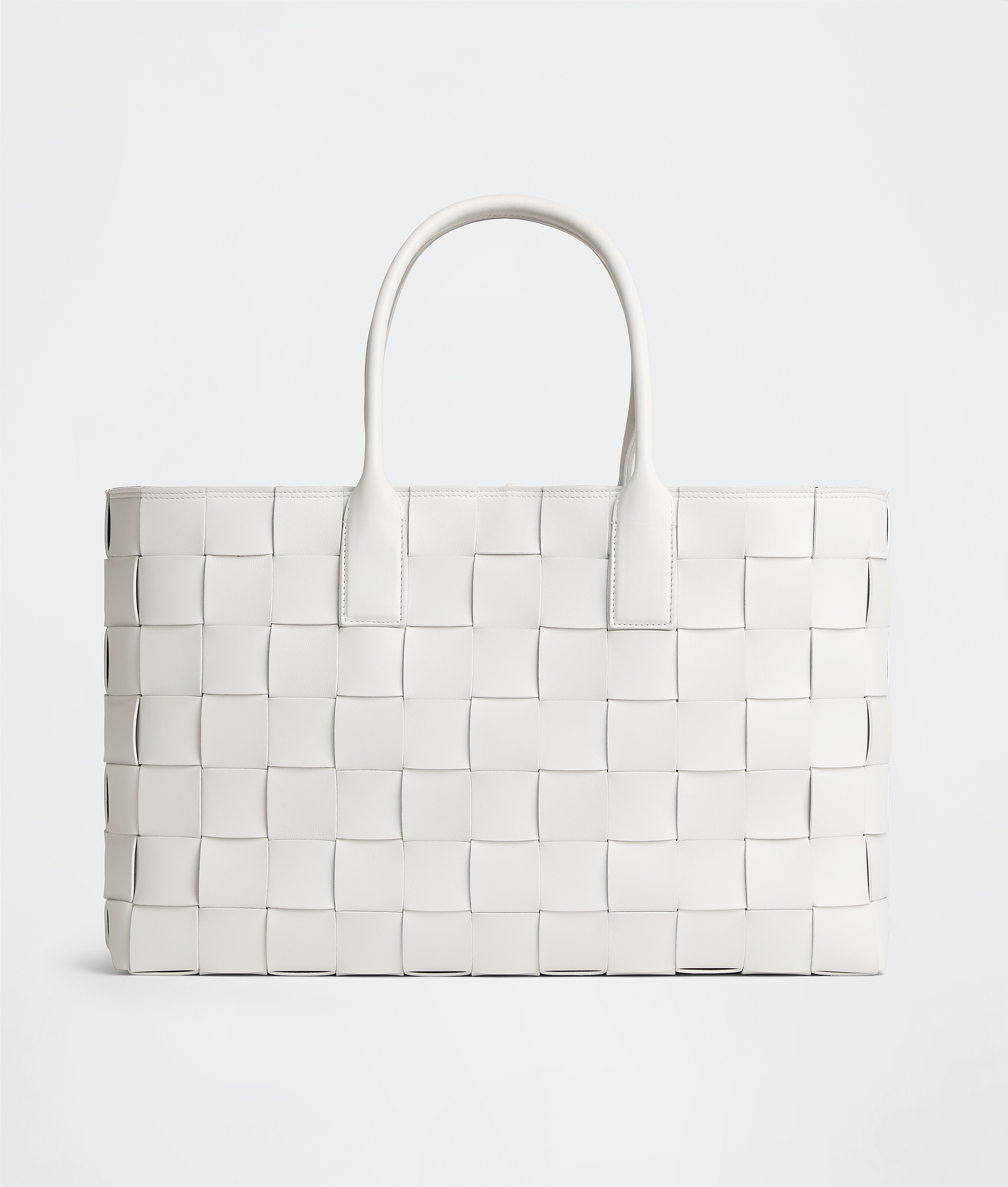
The woven loafer is Bottega Veneta's most recognisable silhouette. It's also the one people assume is delicate. All that braided leather looks like it would snag, stretch, lose its shape. It doesn't.
I bought a pair in black nappa in March of last year. Wore them three, sometimes four days a week through spring and summer. They broke in fast — two wears, maybe three — and the leather softened without going slack. The weave tightened as it aged. That's the opposite of what happens with most woven goods, which loosen and distort. Bottega's intrecciato is sewn onto a backing, so the braid holds its geometry even as the surface leather relaxes.
The sole is Blake-stitched, which means it's sewn directly to the upper without a welt. That makes the shoe sleeker but theoretically less durable — there's no buffer between the stitching and the ground. In practice, the sole has held. I've had it replaced once, which any cobbler can do, and the upper showed no stress from the process. The leather around the topline has creased where my foot flexes, but it's the kind of crease that reads as character. The shoes look worn in, not worn out.
One note: these run narrow. If you're between widths, size up.
The Lug-Sole Chelsea Boot
Bottega's lug-sole Chelsea came out in Fall/Winter 2020, part of Daniel Lee's first full collection. It was everywhere for a season, then became quieter. That's usually a good sign. The things that last aren't the things that scream.
I bought a pair in chocolate suede in October two years ago. Suede is a test. It stains, it scuffs, it holds water in ways that smooth leather doesn't. If a suede boot is going to fail, it fails fast.
These didn't. The suede is thick — you can feel the weight of it when you pick up the boot — and it's been treated with something that makes water bead instead of soak. I've worn them through two New York winters, which means salt, slush, and the occasional full submersion in a crosswalk puddle. The nap has flattened in places, mostly at the heel counter and across the vamp, but it hasn't worn through. A suede brush brings most of it back.
The lug sole is the real engineering here. It's Vibram, which matters. Bottega doesn't make its own soles — almost no one does anymore — but they spec the compound and the tread pattern. This one is softer than a Dainite sole but harder than the foam wedges you see on fashion sneakers. It grips in weather without feeling spongy underfoot. I've had no separation, no cracking, no heel lift. The elastic gussets are still taut.
The boot's silhouette is clean enough to wear with tailoring, but the sole keeps it from looking too precious. That balance is harder to strike than it seems.
The Stretch Sandal
This one surprised me. I bought the stretch sandal in off-white leather last June, expecting it to be a single-season thing. Sandals don't usually hold up. Too much exposed stitching, too much flex, too much sweat.
But the stretch sandal is built differently. The upper is a single piece of leather with a knit backing that lets it move with your foot. There's no topstitching to fail, no straps to separate. The footbed is cork and leather, which moulds to your arch over time, and the sole is rubber with enough give to feel comfortable but enough density to last.
I wore these constantly last summer — to the studio, to dinner, on a trip to Mexico where I walked miles on uneven pavement. The leather has darkened where my foot sits, and the edges have softened, but the structure is intact. The elastic hasn't bagged. The sole hasn't compressed. They still fit the way they did new, which is snug without being tight.
The off-white was a mistake in terms of maintenance — they show everything — but even that has worked in their favour. The patina is even, not splotchy. They look like they've been worn, which is what you want from a sandal that costs this much.
On Care and What Lasts
Bottega Veneta shoes don't require obsessive care, but they do require some. I keep a horsehair brush for the suede, a soft cloth for the smooth leather, and a cobbler's phone number for when the soles wear through. That's it. No special creams, no shoe trees that cost as much as the shoes.
What makes these shoes last isn't the care routine. It's the materials and the construction. Leather that's tanned slowly. Soles that are stitched, not glued. Intrecciato that's backed and sewn, not just braided and hoped for. These are methods that take longer and cost more, and they're methods that hold up.
The shoes look better now than they did new. That's the test.