Fendi doesn't do quiet
Fendi doesn't do quiet. The house built its reputation on fur, then pivoted to leather goods that announce themselves from across a room. That shift happened in 1997, when Silvia Venturini Fendi introduced the Baguette—a small, tucked-under-the-arm bag that became the first true It bag of the modern era. Since then, the Roman maison has operated at the intersection of craft and spectacle: impeccable leatherwork, often rendered in colours that have no business working together but somehow do.
The challenge with Fendi isn't quality. It's focus. The house produces dozens of bag styles, several shoe lines, ready-to-wear that ranges from wearable to unwearable, and enough logo treatments to fill a semiotics seminar. Your first piece needs to do two things: hold value, and work beyond the season you bought it in. That means prioritising leather goods over runway pieces, and choosing either a signature style that's been in production for years or a neutral execution of a newer design. Fendi's strength is leather—tanned in-house, often in techniques the maison developed—so that's where your money should go.
What follows are three entry points, scaled to budget. Each represents a different way into the house, but all share the same logic: buy the thing Fendi does better than its competitors.
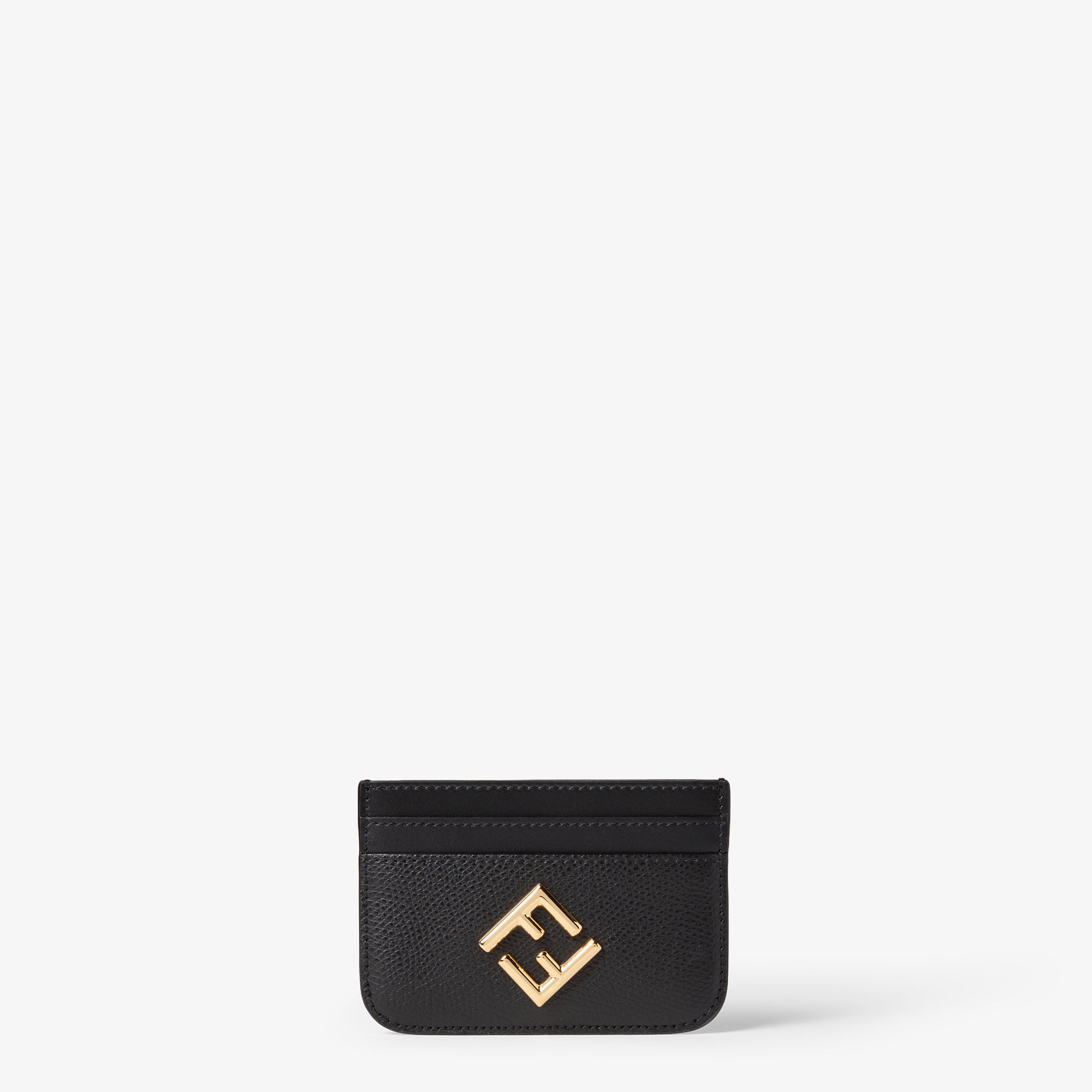
Under £500: The Peekaboo Card Holder
The full Peekaboo bag costs north of £3,000 and weighs enough to qualify as strength training. The card holder costs £370, fits in a jacket pocket, and demonstrates the same frame construction that made the original Peekaboo a cult piece when it launched in 2008. Two rigid panels open like a book, revealing a central compartment. It is, functionally, a miniature version of the bag—which means you're holding Fendi's signature architecture in your hand, not a logo slapped on a leather rectangle.
The frame construction matters. Most card holders are heat-pressed or glued. This one is built around a metal skeleton, then wrapped in leather. You feel the difference when you open it: a clean snap, no sag. The leather itself is typically calf, occasionally in the house's softer nappa, and it wears in rather than out. Expect a patina after six months of daily use, particularly at the corners.
The card holder works as a test piece. If you carry it for a year and find yourself wanting more from Fendi, the full Peekaboo is the logical next step. If you don't, you've spent £370 instead of £3,400.
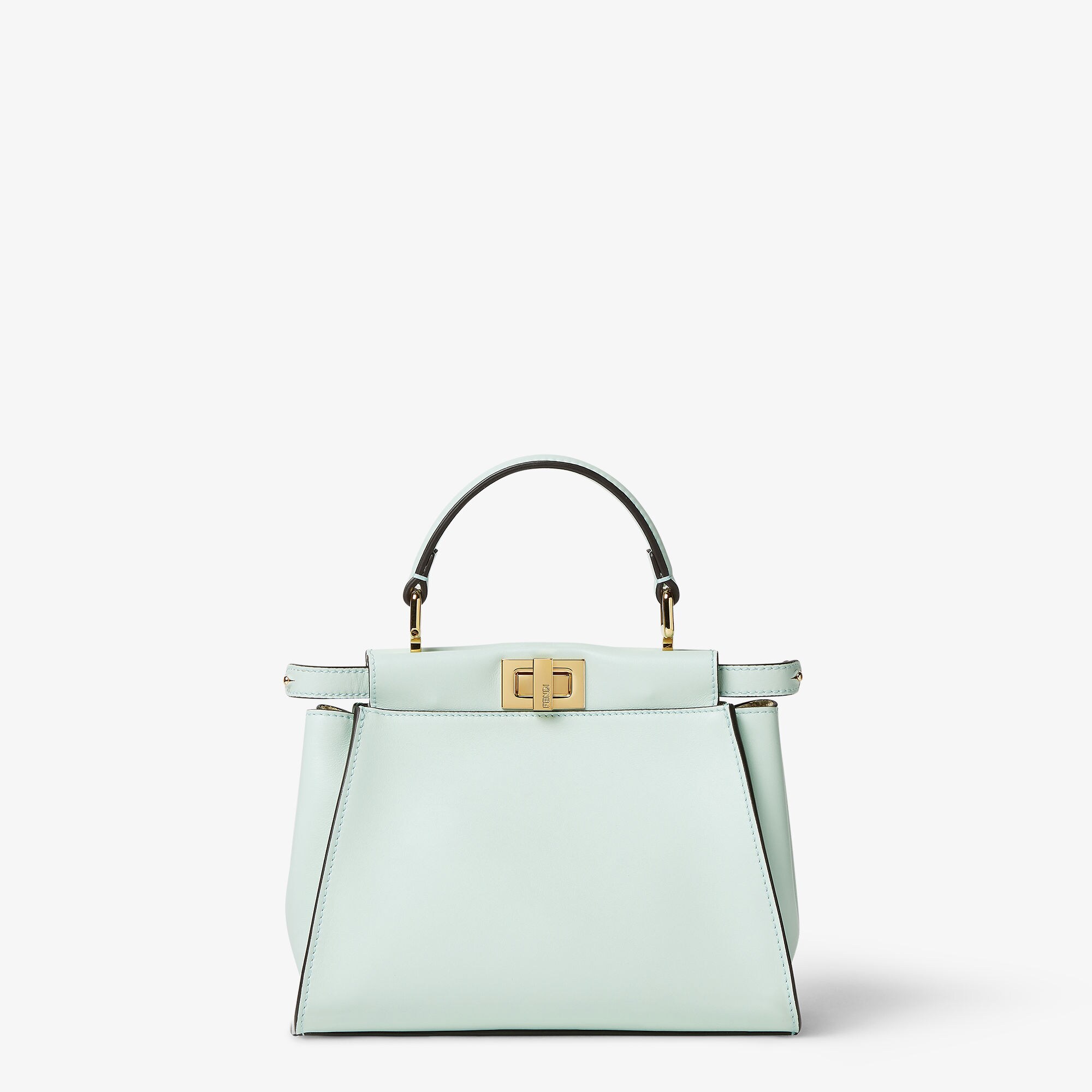
£800–£1,200: The First Baguette
The Baguette is the reason Fendi's leather goods division prints money. It is also one of the few bags from the Nineties that still looks current, largely because Silvia Venturini Fendi has refused to let it fossilise. The shape stays the same—a compact, horizontal rectangle with a short shoulder strap—but the house releases it in new materials every season. Sequins, shearling, jacquard, embroidered canvas. Some of these are collectible. Most are not.
Your first Baguette should be leather, and it should be plain. Black calf, tan calf, or—if you can find it—the tobacco-brown nappa that Fendi periodically brings back. The current retail price for a standard leather Baguette sits around £2,200, but the pre-owned market is deep and well-stocked. You can find clean examples from the early 2000s for £800 to £1,000, often in better leather than what's in stores now. Look for versions with the double-F clasp in aged gold or silver, not the newer logo treatments. The original hardware has more weight to it.
The Baguette's proportions are unforgiving. It is not a practical bag. It holds a phone, a cardholder, keys, and not much else. The strap is too short to cross-body and too long to tuck comfortably under your arm if you're over six feet tall. None of this matters. The bag's value is in its shape, which is instantly recognisable and has been for 25 years. That kind of longevity is rare.
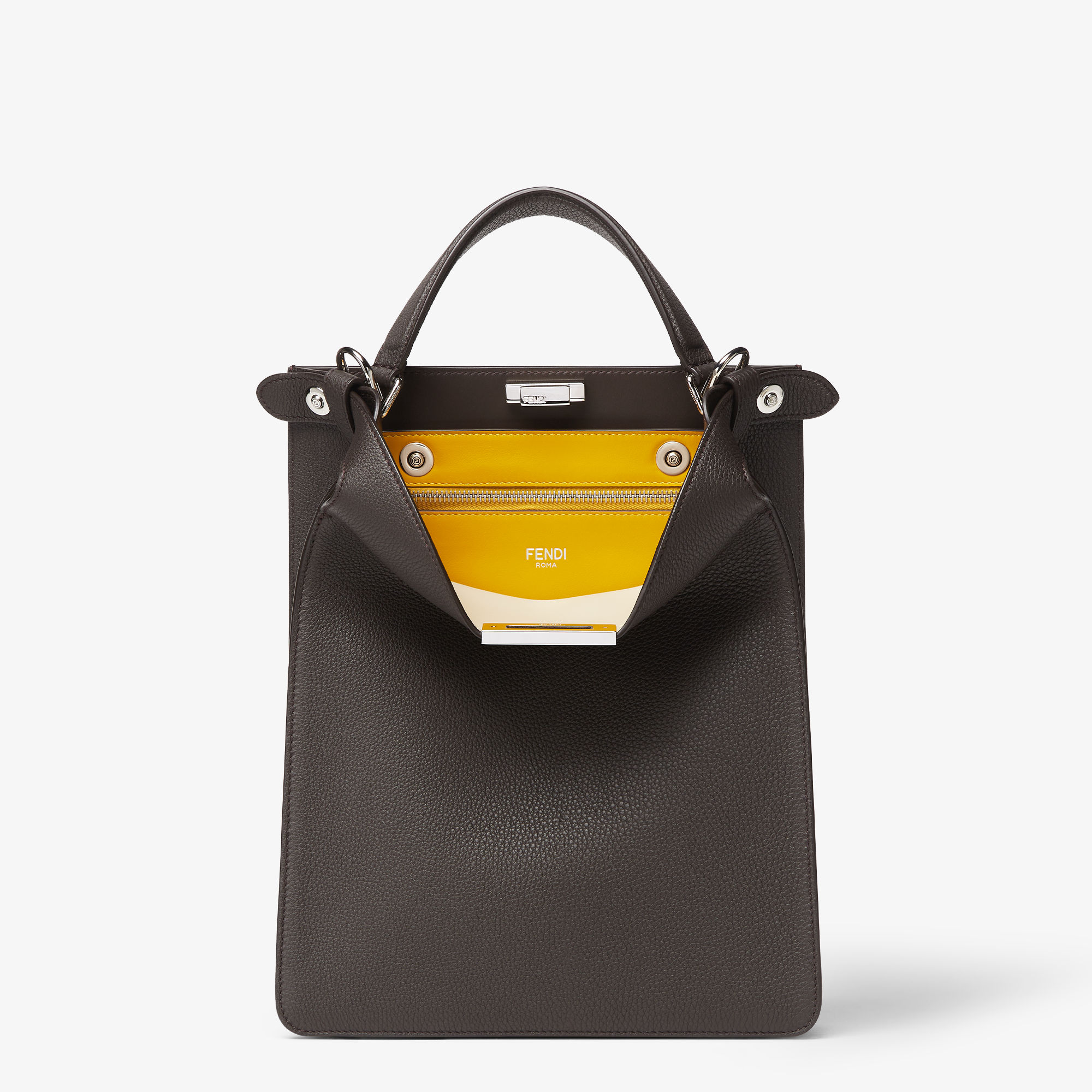
£2,000–£3,000: The Peekaboo ISeeU Medium
If you have the budget, skip the intermediate steps and go straight to the Peekaboo ISeeU in medium. This is Fendi's flagship bag, the one that appears in every brand campaign and sits in the centre of every boutique window. It is also the most functional piece the house makes.
The ISeeU is a structured tote with two compartments separated by a rigid divider. Each side opens independently, via a twist-lock mechanism that doubles as the bag's visual signature. The frame is metal, the body is calf, and the interior is typically suede or calf lining. The medium size—roughly 13 inches wide—holds a laptop, a change of shoes, and the accumulated debris of a working day. The bag stands upright when you set it down. It does not collapse.
Fendi produces the Peekaboo in more than 30 colours each season, but the smart buy is black, grey, or tan. The house's dye work is exceptional—particularly the slate grey, which reads as almost charcoal in low light—but unusual colours limit resale value. If you're spending £2,800, buy something you can sell in five years for £1,800.
The ISeeU's construction is where Fendi justifies its pricing. The leather panels are edge-painted, not raw, and the stitching is tight enough that you won't see individual thread lines unless you're looking for them. The twist-locks are machined metal, not cast, which means they'll still turn smoothly in a decade. This is a 20-year bag, provided you treat it correctly.
Care and Longevity
Fendi's leather is durable, but it isn't indestructible. Calf will scratch. Nappa will scuff. The hardware will tarnish if you live somewhere humid. None of this is a defect. It's what happens when you use the thing you bought.
Clean your bag every six months with a damp cloth—no soap, no conditioner. If the leather dries out, take it to a cobbler who works with high-end goods. Fendi's own aftercare service is available through boutiques, but it's slow and expensive. A good independent restorer will do the same work for half the cost.
Store the bag stuffed with tissue, in its dust cover, away from direct light. The colour will fade if you leave it on a windowsill. The frame will hold, but the leather won't.