Fendi's shoes occupy a strange corner of the market
Fendi's shoes occupy a strange corner of the market. They're rarely the first thing you see in a campaign—bags lead, ready-to-wear follows, footwear anchors. But walk through any stockroom during pre-season and you'll find buyers circling the same three or four styles, season after season. Not because they're safe. Because they last.
What makes a shoe hold up isn't just construction, though that matters. It's whether the design can absorb wear without looking tired. Whether the sole compound grips after six months of marble floors and tarmac. Whether the upper material develops character or just creases badly. Fendi's best models do something most luxury footwear doesn't: they look better at month eight than week two.
This isn't about heritage cobblers or Goodyear welts. Fendi isn't Northampton. But the house understands material science in a way that shows. The technical boots use a vulcanised sole that doesn't yellow. The Peekaboo heels—named after the bag, introduced three years later—have a heel pitch that doesn't punish your metatarsals by hour three. The FF-jacquard sneakers use a canvas weight that doesn't pill.
What follows are three models I've tracked across multiple seasons and wearers. Not the flashiest. The ones that work.
Fendi Flow Sneaker
The Flow launched in 2020, which makes it young by house-shoe standards but old enough to have a second-hand presence. That's where you learn what holds. The originals—white calf with tonal FF mesh—are showing up on resale platforms now, and the ones that saw real rotation look worn in, not worn out.
The upper is where Fendi made the call that matters. Instead of full leather, they used a technical mesh inset across the midfoot and tongue. It's the same jacquard they run on certain Peekaboo linings, which means it's designed to take friction. The calf panels are treated, not raw, so they don't darken unevenly when wet. The sole is a cupsole construction—less arch support than a running shoe, but the rubber compound doesn't compress into a wafer after a year.
Sizing runs true, possibly half a size generous if you're between. The toe box is wider than most Italian sneakers, which makes them wearable past hour six. No break-in period. The heel counter is padded but not so much that it creates a pressure point.
Where they falter: the laces are waxed cotton, and the aglets crack if you pull hard during the first few wears. Replace them early or just live with it. The Flow isn't trying to be technical in the performance sense—it's a luxury sneaker that happens to use some performance materials. That's a different thing.
Current retail sits around $750. Resale for lightly worn pairs hovers near $450, which tells you the depreciation curve is gentler than most sneakers at this tier. Fendi's been rotating colourways each season—the black-on-black version from pre-fall 2023 is the one to get if you want something that doesn't broadcast.
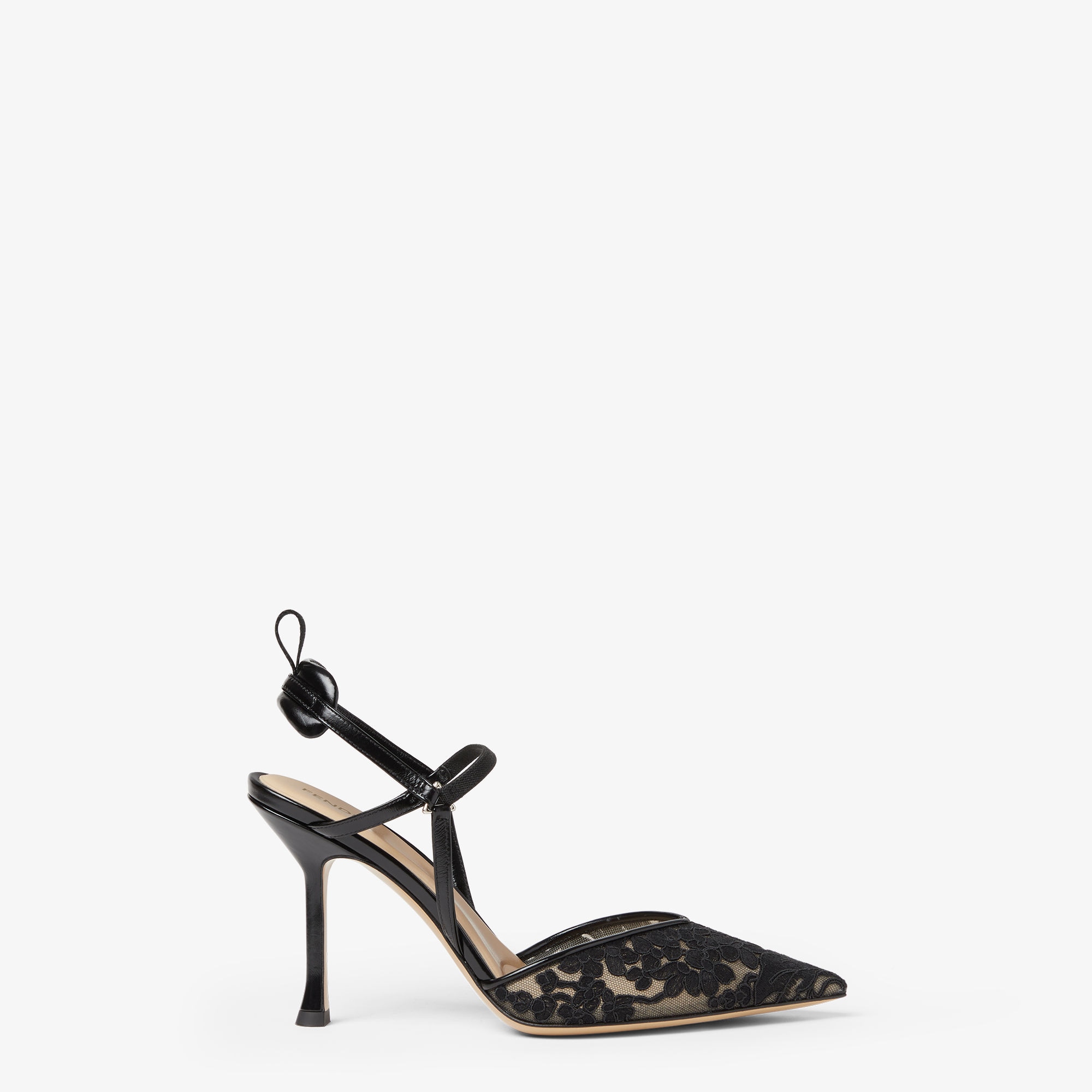
Peekaboo Slingback Pump
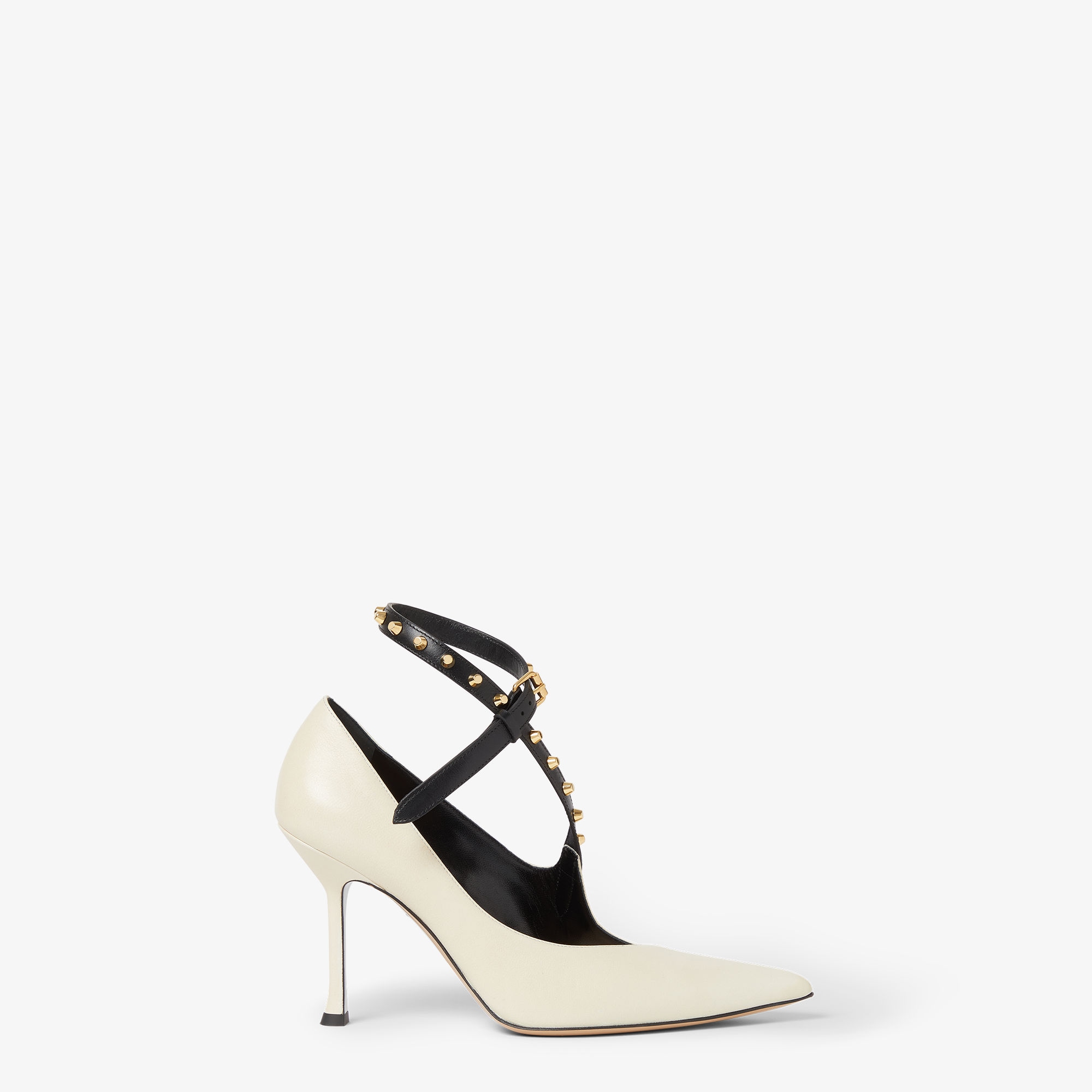
Named after the bag, released in 2017, still in the line because it works. The Peekaboo slingback has a 75mm heel—not quite mid, not quite high—and a pitch that keeps your weight centred. Most slingbacks pitch you forward. This one doesn't.
The upper is smooth calf, usually in a single colour, sometimes with a contrast FF clasp at the ankle strap. That clasp is functional, not decorative. It's a hook-and-loop system under a metal plate, which means you can adjust tension without dealing with a buckle. Small detail, large difference when you're wearing these past cocktail hour.
The insole is leather-covered foam, about 4mm thick, which compresses slightly over the first month and then holds. Fendi doesn't advertise this, but the footbed has a slight arch contour. Not orthotic, just enough to keep the shoe from feeling flat. The sole is leather with a rubber toplift at the heel. The toplift will wear down—plan to have it replaced after six months of regular use. Any cobbler can do it. The leather sole will scuff, but that's the point. A resin sole on a slingback this light would feel wrong.
Where they excel: the ankle strap doesn't dig. The elastic inset at the back of the strap does the work, so the clasp stays put without tightening across the Achilles tendon. I've seen these on women who rotate them weekly for two years, and the elastic hasn't stretched out.
Retail is $950. Resale is thinner because people hold onto them, but when they do surface, expect $550–$650 for good condition. The black and the nude rotate through the permanent collection. Seasonal colours—last year's sage, this season's bitter chocolate—are worth considering if the tone works for you, but they won't restock.
First High Boot
The First boot showed up in 2019, a knee-high pull-on style in soft calfskin with a block heel and a squared toe. It's not a riding boot. It's not a slouch boot. It sits somewhere between, which is why it works.
The calf is supple but backed, so the shaft doesn't collapse around your ankle when you sit. The block heel is 50mm, covered in the same leather as the upper, with a rubber inset at the base. The toe is squared but not severe—it reads modern without looking dated in three years.
What makes the First boot hold up is the shaft construction. There's a hidden elastic panel at the back of the knee, which means the boot flexes when you walk but doesn't bag out when you don't. The leather is vacchetta, which develops a patina that looks intentional. Creasing happens at the ankle, but it's controlled—no accordion folds.
Fit runs narrow through the calf. If you're between sizes, go up. The shaft circumference is about 36cm at the widest point, which accommodates most proportions but not all. Fendi offers a wider-shaft version in certain markets, though it's not always stocked.
Retail is $1,650. Resale depends on condition and season—expect $900–$1,100 for pairs with minimal wear. The boot works because it's not trying to be anything other than a clean, well-made knee-high. No hardware, no contrast stitching, no logo beyond a small emboss at the heel.
On Care and What Lasts
Fendi's footwear isn't resoleable in the traditional sense—these aren't Goodyear-welted brogues. But the materials are chosen to age well if you maintain them basically. Smooth calf takes polish. Suede takes a brush and protector spray. The technical fabrics on the Flow don't need much—wipe with a damp cloth, air-dry.
Store shoes with trees or stuff the toes with tissue if the forefoot is unstructured. Rotate styles so the insole foam has time to decompress between wears. Replace toplifts and edge dressing as needed. A good cobbler can extend the life of these by years, even if they can't rebuild them from scratch.
The models that last are the ones that weren't designed to be noticed first. They were designed to be worn.