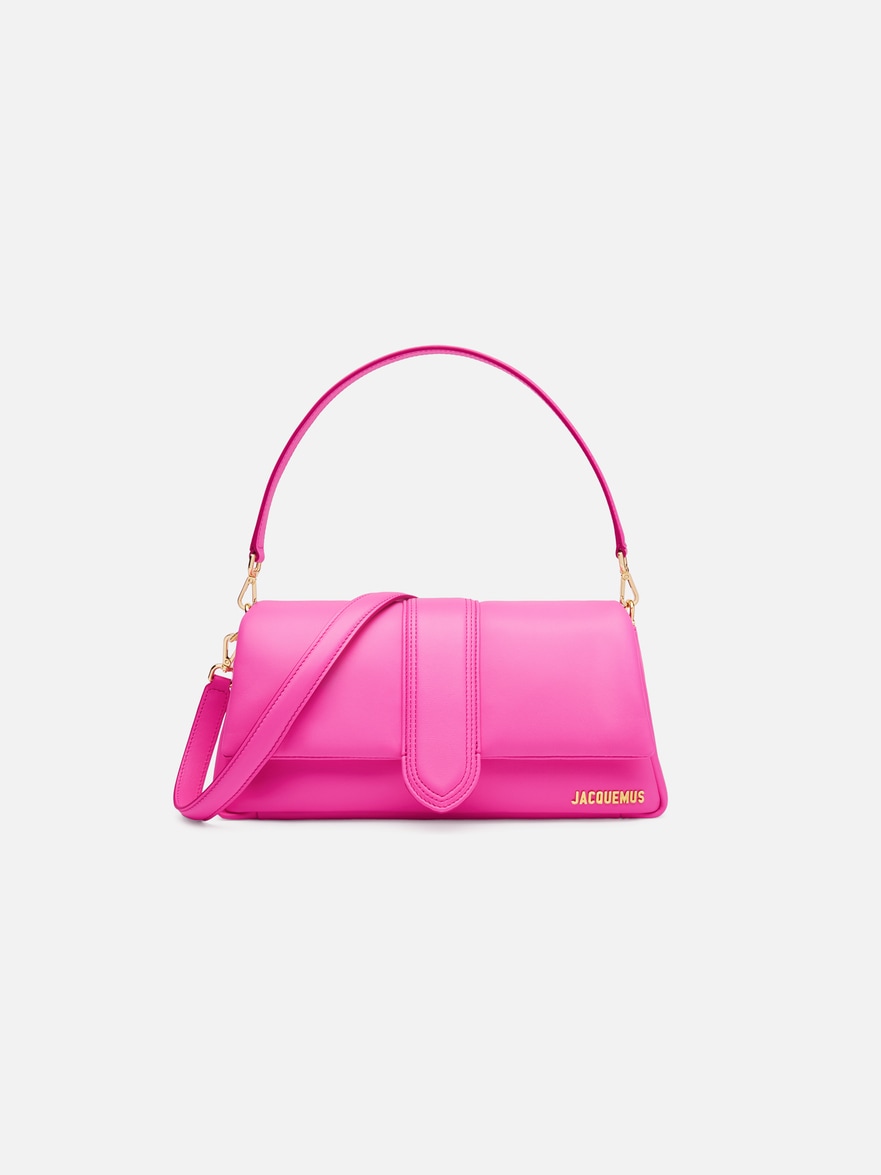
Jacquemus built its name on linen slip dresses and straw hats the size of bicycle wheels
Jacquemus built its name on linen slip dresses and straw hats the size of bicycle wheels. The shoes came later, and when they did, they arrived with the same proportion games: tiny bags, enormous brims, heels that looked structurally unsound. The Le Chiquito became a meme. The shoes, less so, because they actually had to work.
Three years of rotating through the same models will tell you what holds. A leather sole wears through in six months if you walk on pavement daily. A covered heel scuffs less than patent but shows every knock. The question isn't whether Jacquemus makes a pretty shoe—it does, routinely—but whether that shoe survives a summer in Lisbon or a winter of gallery openings without looking like it belongs in a donation bin.
What follows isn't a survey of the current collection. It's a report on three styles that have been worn, resoled, cleaned, and worn again. The Rond Carré mules in calfskin. The Les Mules Carino in nappa. The Bambino slingbacks in suede. Each represents a different silhouette, a different material approach, and a different durability threshold. None of them are indestructible. Two of them are worth the cost per wear. One surprised me by lasting longer than boots I paid twice as much for.
Good, in this context, means a shoe that doesn't collapse after twenty wears, that can be resoled without the upper splitting, and that doesn't require a specialist cobbler to keep functional. It also means a shape that doesn't date itself in a single season. Jacquemus moves fast. Not all of it sticks.
Rond Carré Mules
The Rond Carré—round toe, square heel—is the closest Jacquemus has come to a house code in footwear. It debuted in 2020, reappeared in rotating colourways, and now exists in enough iterations that you can find it secondhand without much effort. The pair tested here is black calfskin with a 6cm block heel, purchased in spring 2021.
The leather is mid-weight, not particularly supple, but structured enough to hold the vamp's curve without internal stiffening. That matters. Mules rely on the upper's grip to stay on your foot, and a floppy vamp means constant adjustment. These don't flop. The fit is snug across the instep without cutting in, and the squared heel gives enough surface area that you don't feel precarious on uneven pavement.
After three years, the calfskin shows creasing at the flex point but no cracking. The heel toplifts have been replaced twice—once at 18 months, again at 30. Both times, a standard cobbler handled it in fifteen minutes. The leather sole wore through predictably at the ball of the foot around month eight. A half-sole in rubber fixed that and improved traction. Total cost of upkeep: £45.
The weak point is the heel's covered finish. Black calfskin scuffs pale, and there's no easy fix beyond edge dressing, which only works if you catch it early. By year two, the heels looked tired. A cobbler re-covered them in matching leather for £60. Worth it, given the uppers were still intact.
These have been worn to dinners, on trains, through airport terminals, across cobblestones in Porto. They've outlasted two pairs of Mansur Gavriel slides and a set of Toteme mules that split at the topline after a season. If you wear a 38 and see a pair under £200, buy them.
Les Mules Carino
The Carino mules are softer in every sense. Nappa leather, a lower vamp, a 4cm heel that's wider and more stable than the Rond Carré's. They're also less forgiving. Nappa doesn't hold structure the way calfskin does, and after six months of regular wear, the vamp stretched enough that my foot slid forward with each step. By month nine, I'd added a half insole to take up the slack.
The leather itself has aged well—minimal creasing, no scuffing beyond normal wear at the edges. Nappa's suppleness is an advantage here. It doesn't crack under flex, and it takes polish without stiffening. The heel, wrapped in the same nappa, has held up better than the Rond Carré's covered finish, possibly because the lighter colour (a beige the maison called 'lin') hides scuffs more gracefully.
The sole is where these falter. Jacquemus used a thinner leather than on the Rond Carré, and it wore through in five months. The resole cost £50, but the cobbler warned that the upper's attachment was marginal—thin nappa doesn't give much to stitch into. A second resole might not hold.
These are beautiful shoes. They photograph well, they feel expensive in hand, and they suit a wider range of outfits than the more architectural Rond Carré. But they're not built for volume. If you walk three miles a day, skip them. If you drive to dinner and wear them twice a week, they'll last.
Bambino Slingbacks
Suede in a slingback is a gamble. Suede stretches, slingbacks depend on tension, and the combination usually means a shoe that fits perfectly for a month and then slides off your heel. The Bambino slingbacks—navy suede, 7cm heel, almond toe—have defied that.
The elastic slingback strap is the key. It's substantial, nearly a centimetre wide, and stitched at both sides rather than just one. That distribution of tension keeps the suede from bearing all the load. After two years, the strap has relaxed slightly but still holds my heel without adjustment. The suede itself has worn predictably: some nap loss at the toe, a few scuffs along the counter, but no bald patches or colour fade.
The heel is wood-effect resin, not actual wood, which means it doesn't dent when you knock it against a chair leg. It also means it can't be refinished if it chips, but so far it hasn't. The sole is leather with a rubber toplift at the heel, a sensible choice that's extended the time between resoles. First resole at 14 months, second pending.
These are the pair I reach for when I need a heel that works. They've been worn to weddings, on press trips, through two seasons of Milan. They don't photograph as strikingly as the Rond Carré, but they're more versatile and, oddly, more comfortable. The almond toe gives your toes room. The heel height is just shy of too much. If Jacquemus made these in black, I'd own two pairs.
Longevity Notes
None of these shoes will survive neglect. Suede needs brushing after every third wear. Leather soles need rubber toplifts or half-soles within the first month—don't wait until they've worn through. Nappa stretches, so if a pair feels slightly snug in the shop, that's correct. They'll give.
Store them with shoe trees. Cedar if you have it, plastic if you don't. The vamp on a mule will collapse without support, and once it creases wrong, it won't recover. If the heel toplifts wear unevenly, replace them immediately. Walking on a canted heel destroys the upper's balance.
Find a cobbler before you need one. Jacquemus construction is straightforward—no exotic materials, no bonded soles—but not every high-street repair shop will touch a £400 shoe. A specialist costs more but won't ruin the topline with clumsy stitching. Budget £50 to £80 per resole, £60 to £100 for heel work.