Tom Ford is not a house that whispers
Tom Ford is not a house that whispers. It arrived fully formed in 2005 with a point of view that had already remade Gucci and Yves Saint Laurent, and it has spent the last two decades refusing to soften. The tailoring is sharp, the evening wear unapologetic, the accessories engineered to last longer than the trends they ignore. It is, in the most literal sense, a luxury brand that behaves like one.
The question most people ask is where to start. The answer depends less on budget than on honesty. Tom Ford rewards clarity. If you wear a suit twice a week, begin there. If your life is casual and your occasions few, a evening jacket or a pair of sunglasses will serve you better than an orphaned blazer. The house does not do basics. It does considered pieces that happen to work five days a week.
What follows are three entry points, each representing a different financial threshold. None of them are subtle. All of them are correct.
Under $1,000: The Whitney Sunglasses
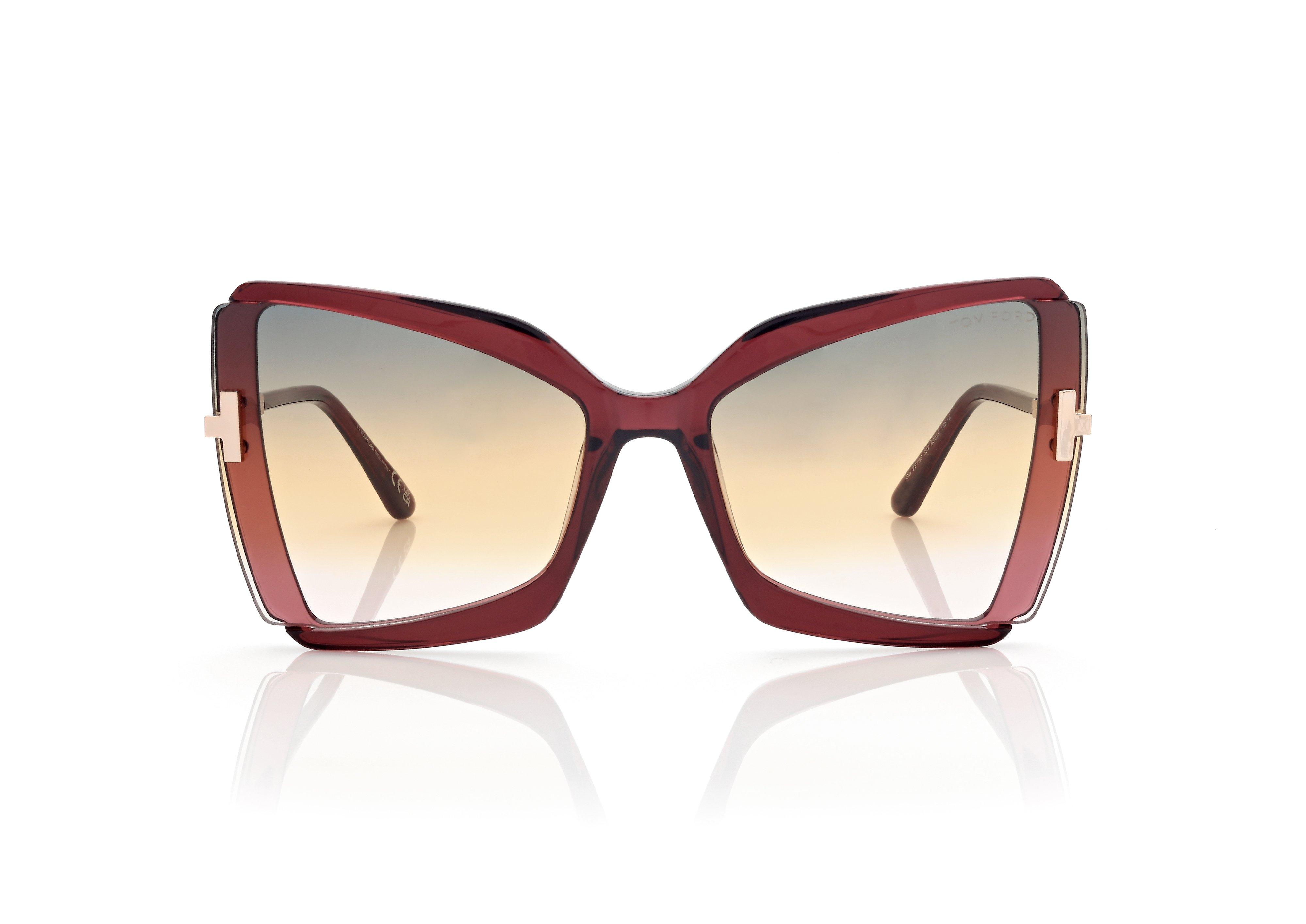
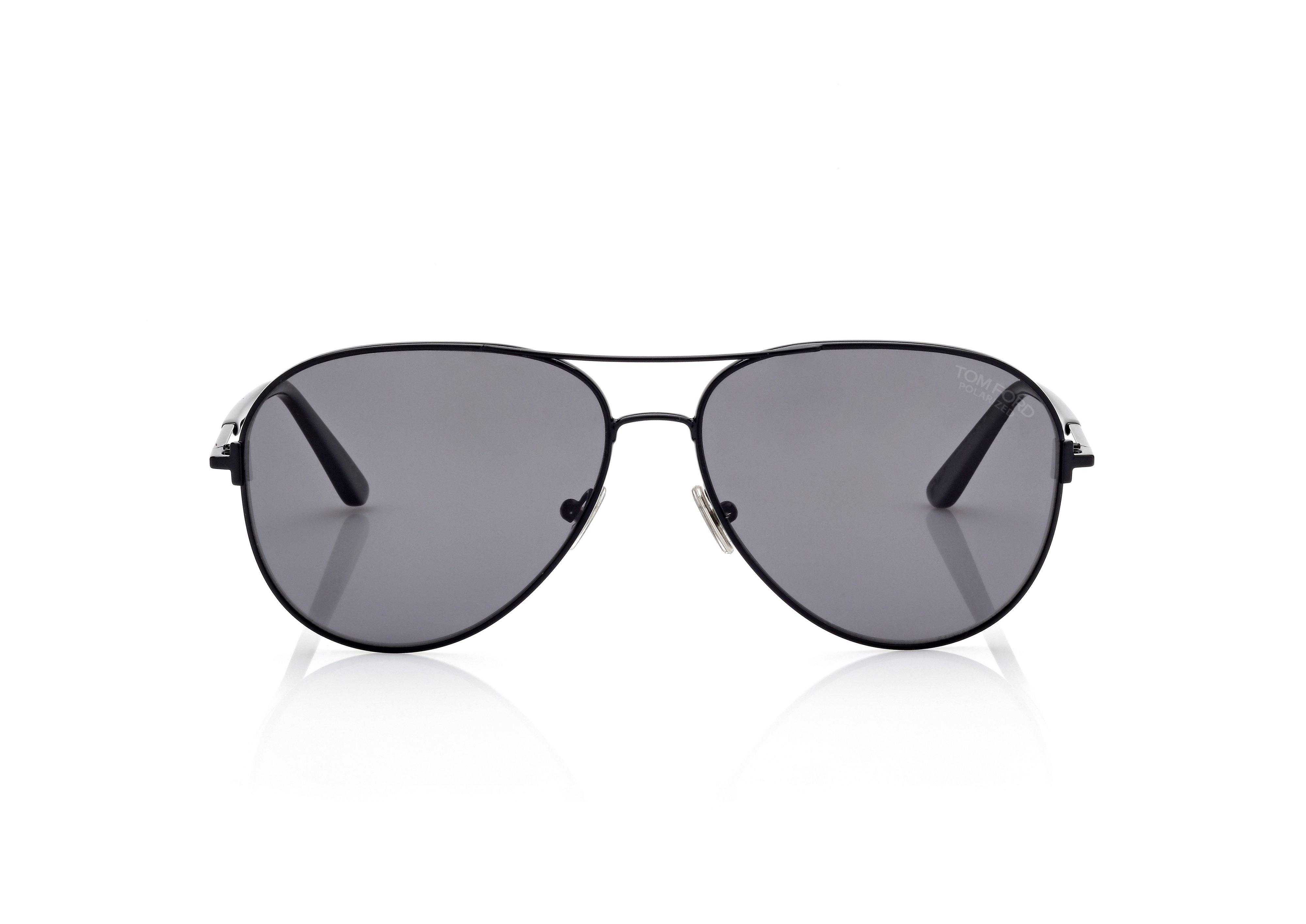
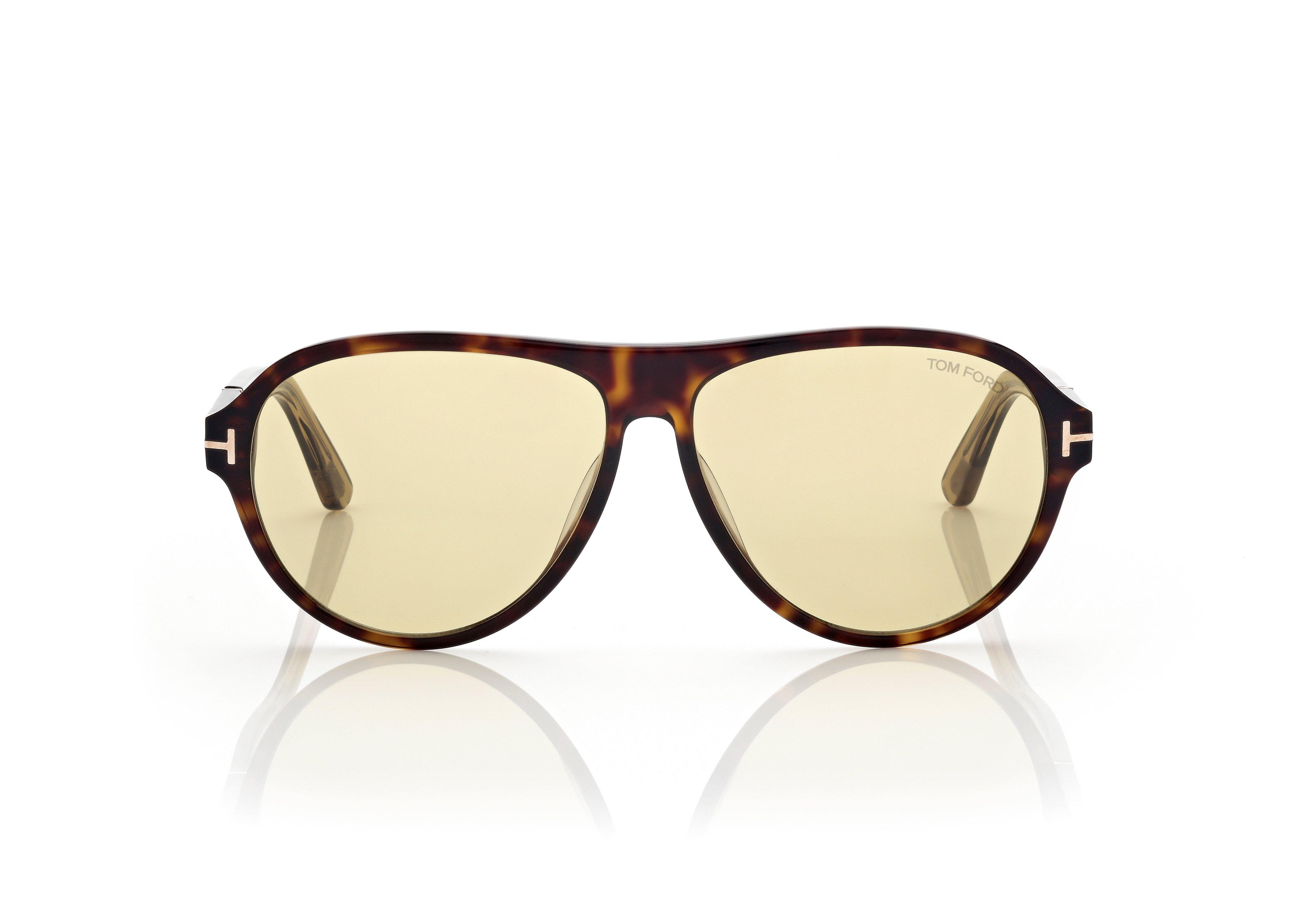
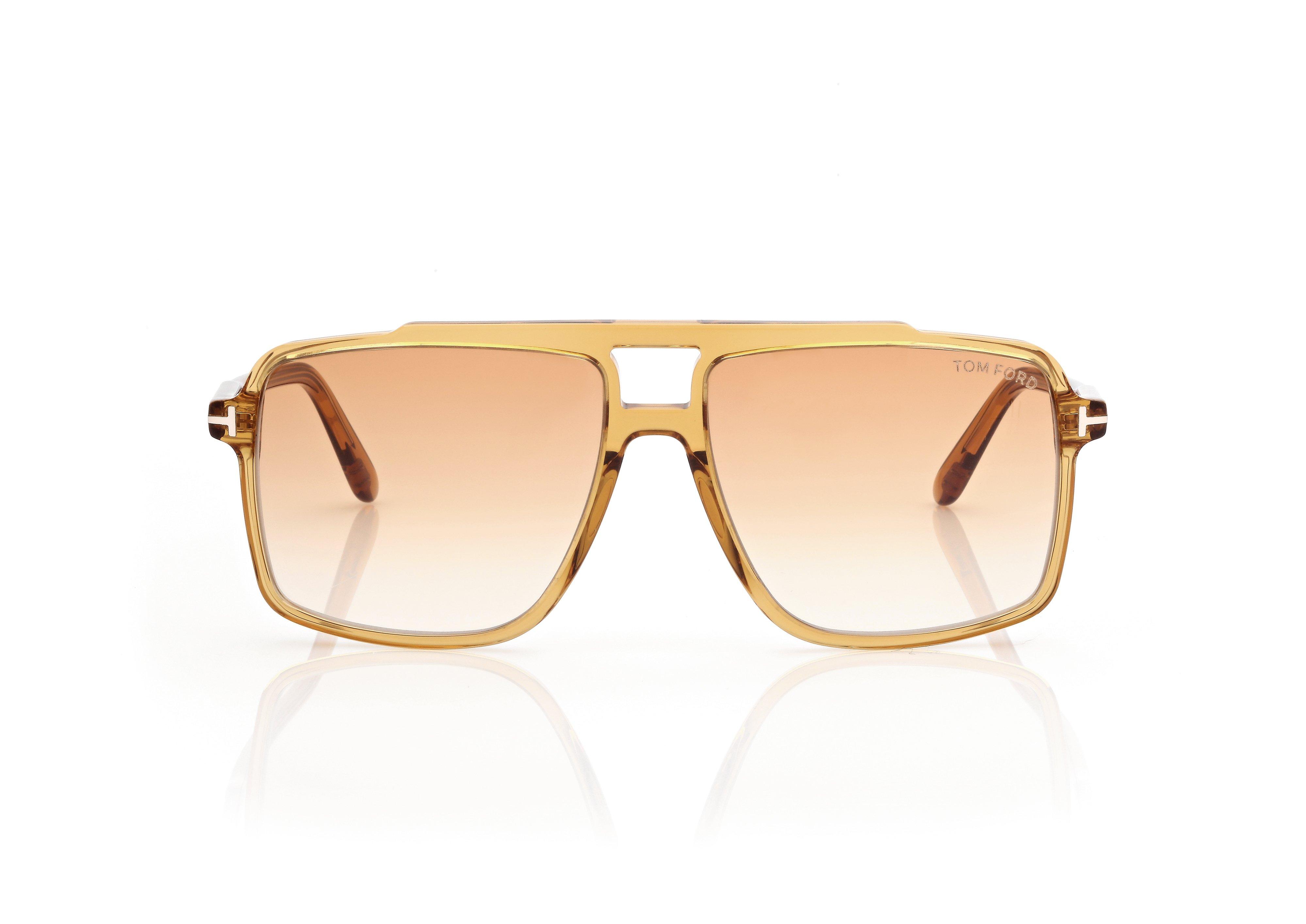
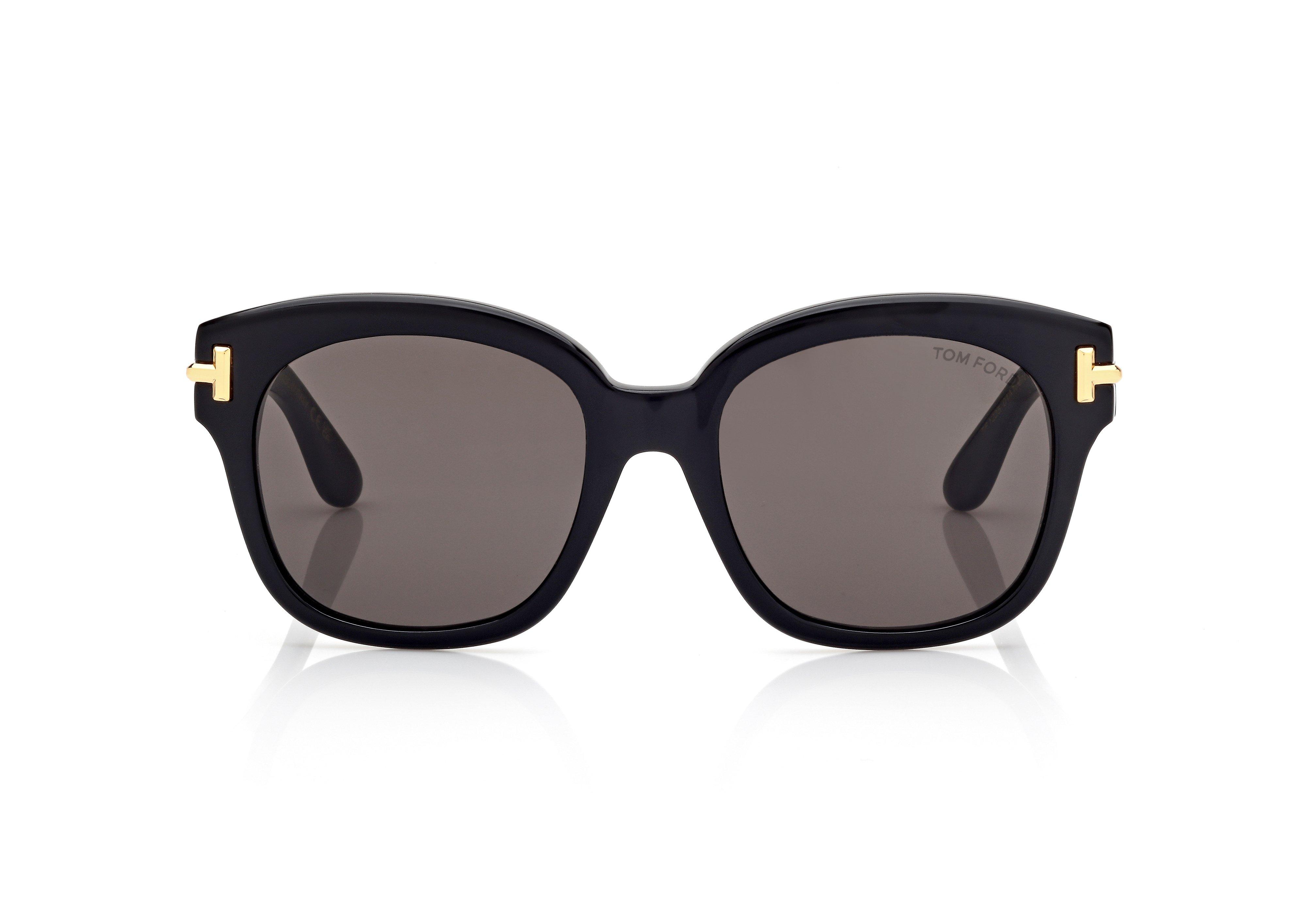
The Whitney is not Tom Ford's most famous frame—that would be the Snowdon, which has been photographed on enough actors to qualify as a trope. But the Whitney is better. It is a softly squared acetate frame with enough presence to register from across a room and enough restraint to work under a coat collar. The proportions are right for most faces. The build quality is better than it needs to be at this price, with five-barrel hinges and lenses that do not distort at the edges.
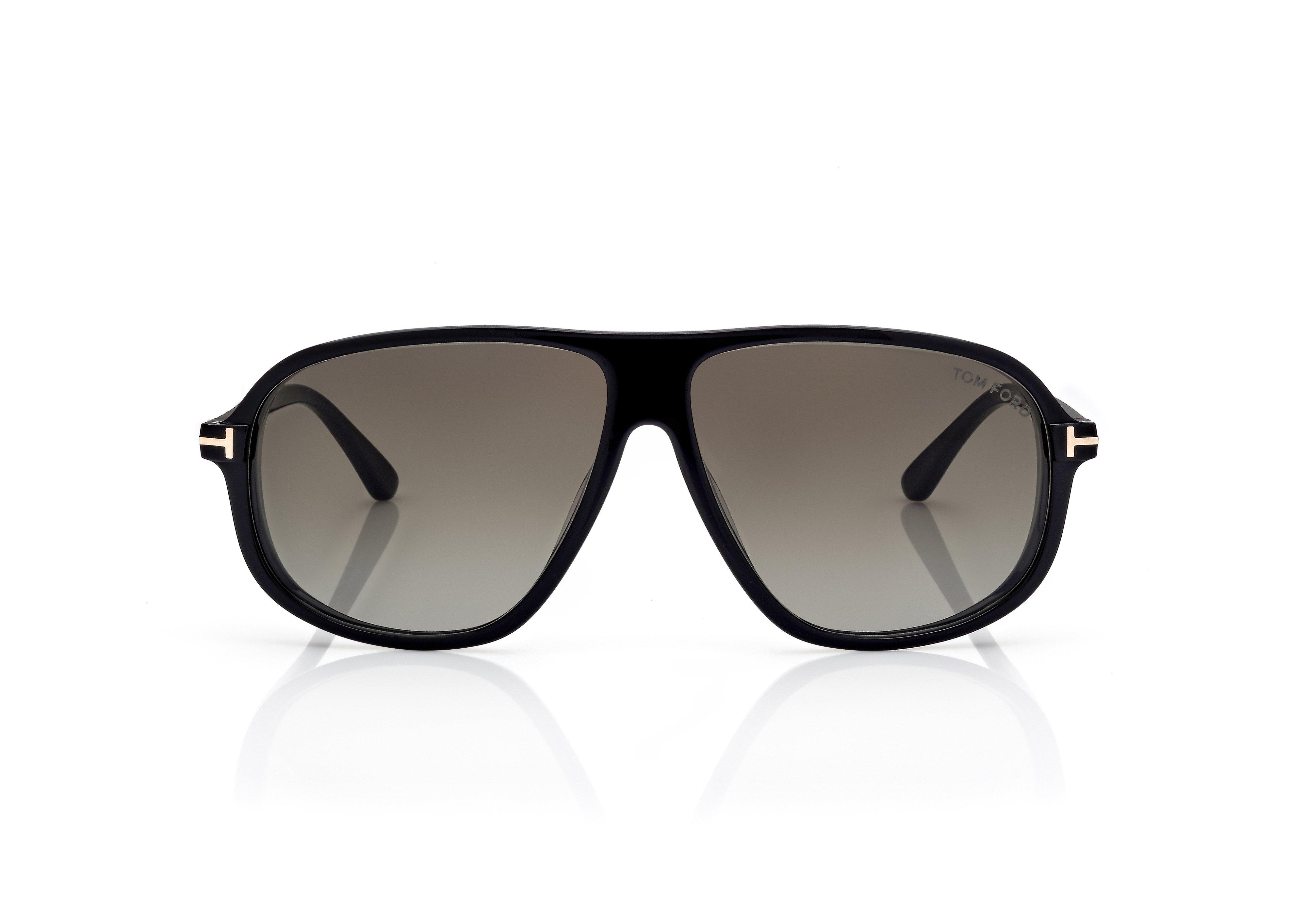
Tom Ford sunglasses are made in Italy under licence by Marcolin, a arrangement that tends to raise eyebrows until you handle the product. The acetate is dense, hand-polished, and thick enough that the arms do not flex when you fold them. The temple tips are metal-cored. The logo is a small T-bar at the hinge, visible only in profile. You are not buying branding. You are buying a frame that will not need replacing for a decade.
The Whitney runs $490. It comes in classic tortoiseshell, black, and a rotating selection of seasonal colours that should be ignored in favour of the former two. Tortoiseshell works with grey, navy, brown, and olive. Black works with everything else. If you are unsure, default to black.
$1,000–$3,000: The Silk Knit Tie
Tom Ford's tailoring is the obvious choice in this band, but a suit is a commitment that requires alteration, occasion, and a wardrobe that can support it. A tie requires a collar. The silk knit tie—technically a knitted silk square-end tie in a semi-matte finish—requires only that and a willingness to wear something that improves a shirt without announcing itself.
The construction is straightforward. Seven-fold is a myth Tom Ford does not bother with. These are three-fold ties, machine-knit in Italy from a mid-weight silk that holds a four-in-hand knot without bulk. The texture is faintly ribbed, which means they work under a tweed jacket in November and a cotton blazer in June. The width is 6cm, narrow enough to fit inside a contemporary lapel but not so slim that it reads as a relic of 2009.
The house offers them in a core palette of midnight navy, charcoal, dark brown, and black. Avoid the seasonal colours unless you are certain. A navy knit tie is the single most versatile piece of neckwear you can own. It works with a grey flannel suit, a blue Oxford shirt, a white linen jacket. It dresses down formalwear and dresses up everything else. It does not wrinkle in a suitcase.
They are $250. Buy two.
Over $3,000: The Shelton Suit
The Shelton is Tom Ford's signature silhouette, and it is not for everyone. The shoulder is padded, the waist is suppressed, the trousers are slim without tipping into narrow. It is a shape that requires a certain amount of confidence and a body that does not actively resist structure. If you are broad in the shoulder and narrow in the hip, it will fit like it was made for you. If you are not, it will still fit, but you will need a tailor who understands how to let out a side seam without killing the line.
The house cuts the Shelton in a range of cloths, from 10oz summer worsteds to 13oz year-round worsteds to heavier flannel and tweed for autumn. The safest choice is a 12oz sharkskin in charcoal or navy. Sharkskin is a tight twill weave with a faint surface texture that resists shine and wears harder than plain worsted. It works in a meeting, at a wedding, on a plane. It is not a business suit in the London sense, but it is a suit that handles business without looking like that is all it does.
The jacket is half-canvassed with a full floating chest piece, which is more than adequate at this price. The lapels are notched, mid-width, with a clean gorge line. The pockets are jetted. The vents are side, which some people object to and most people do not notice. The trousers are flat-front with a mid-rise that sits where trousers are meant to sit, an inch below the navel.
A Shelton suit starts at $4,500 and climbs depending on cloth. Alterations are complimentary at Tom Ford boutiques, competent elsewhere. Expect to spend another $200 on a proper hem, waist adjustment, and sleeve pitch if you are buying off the peg. The result is a suit that will look correct in 2035.
On Care
Tom Ford does not require special treatment, but it benefits from basic discipline. Sunglasses live in their case when not on your face. Ties hang on a rack or roll loosely in a drawer—never knotted, never folded sharp. Suits rest on wooden hangers with broad shoulders, and they see a brush after every wear. A horsehair brush pulls dust and surface dirt before it settles into the weave. A steamer erases creases without flattening the cloth.
Dry cleaning is a last resort. Twice a year is plenty for a suit that rotates properly. Find a cleaner who uses hydrocarbon solvent, not perchloroethylene, which strips natural oils and shortens the life of wool. If something spills, blot it and walk away. Most stains are panic, not permanence.