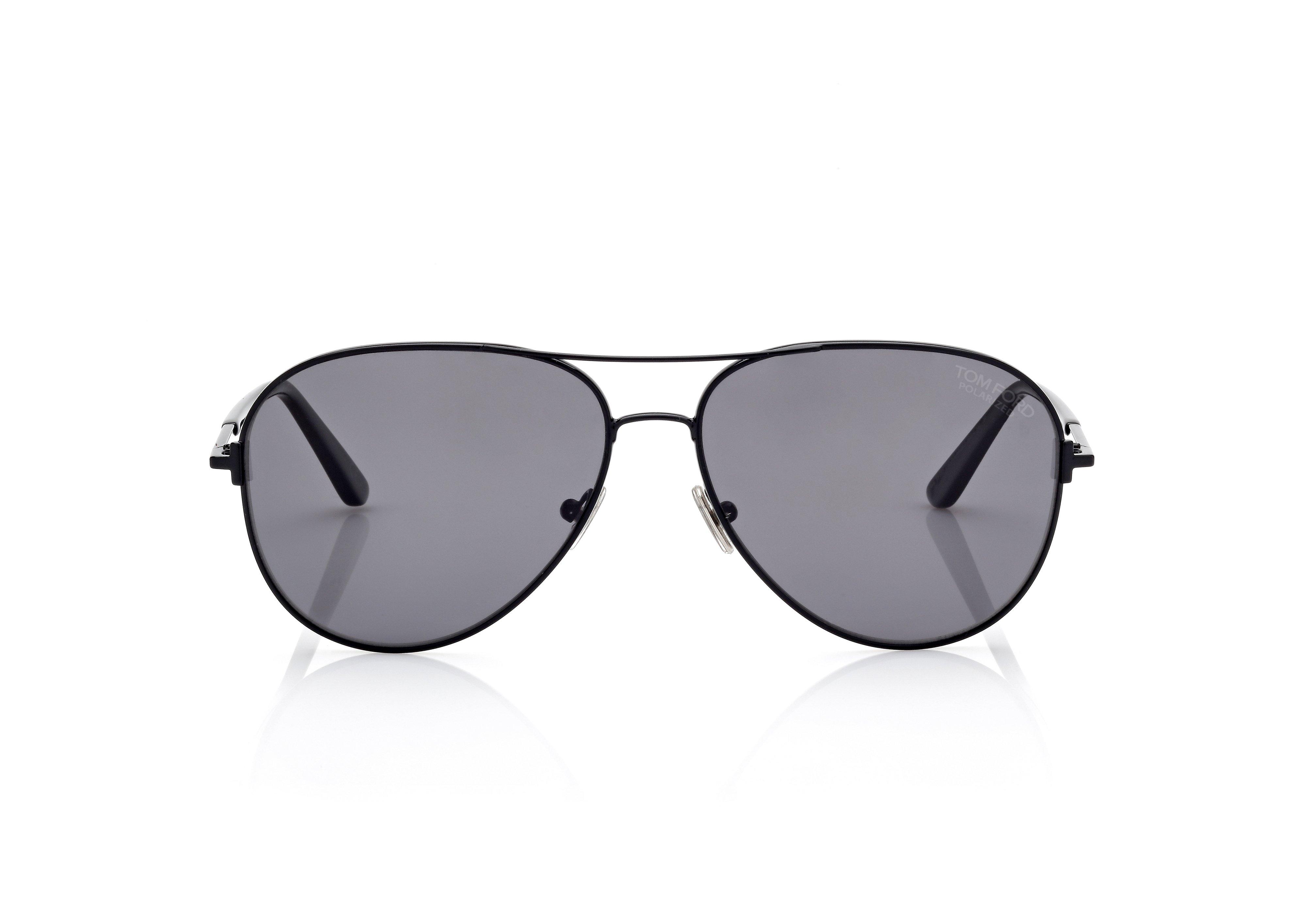
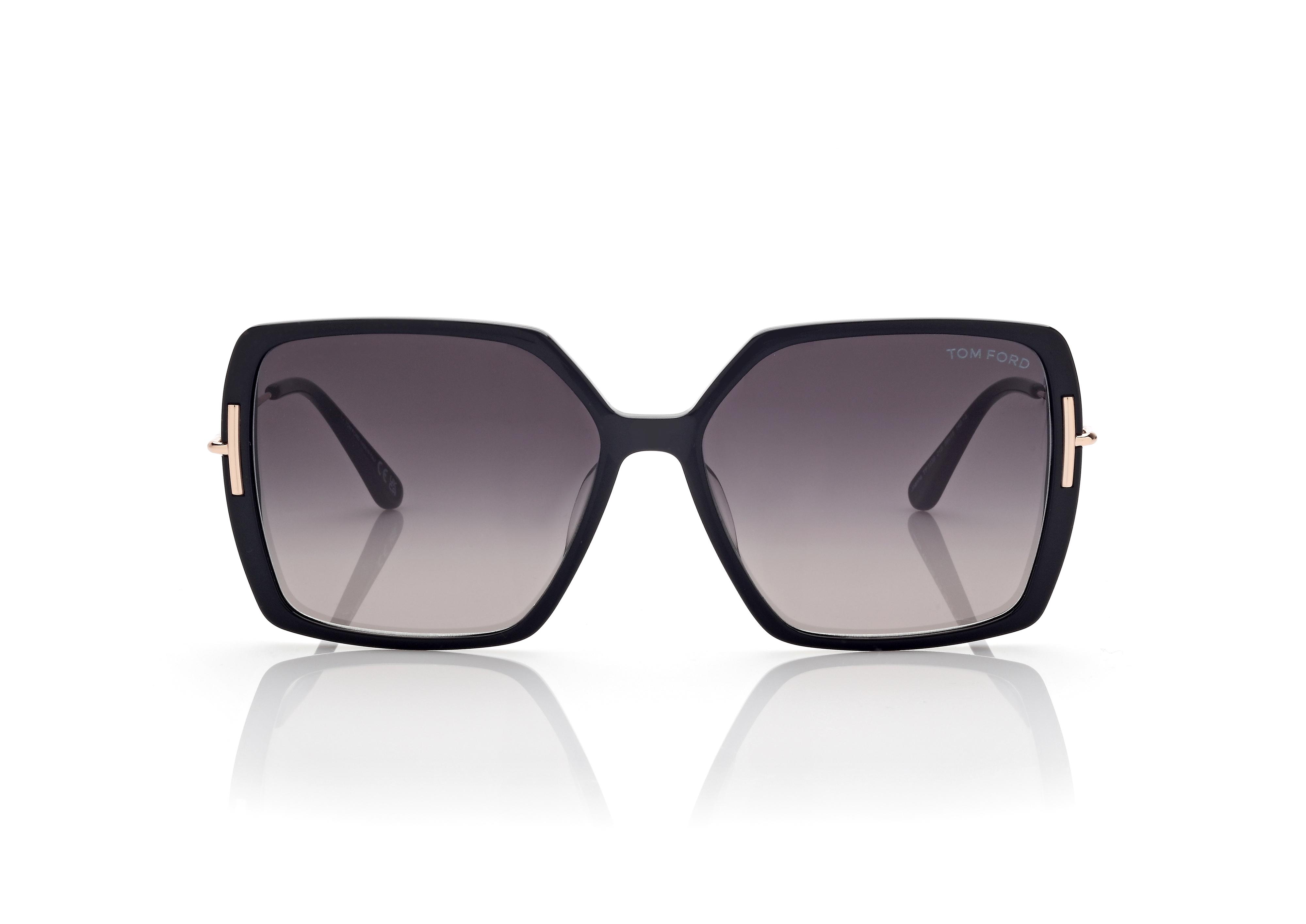
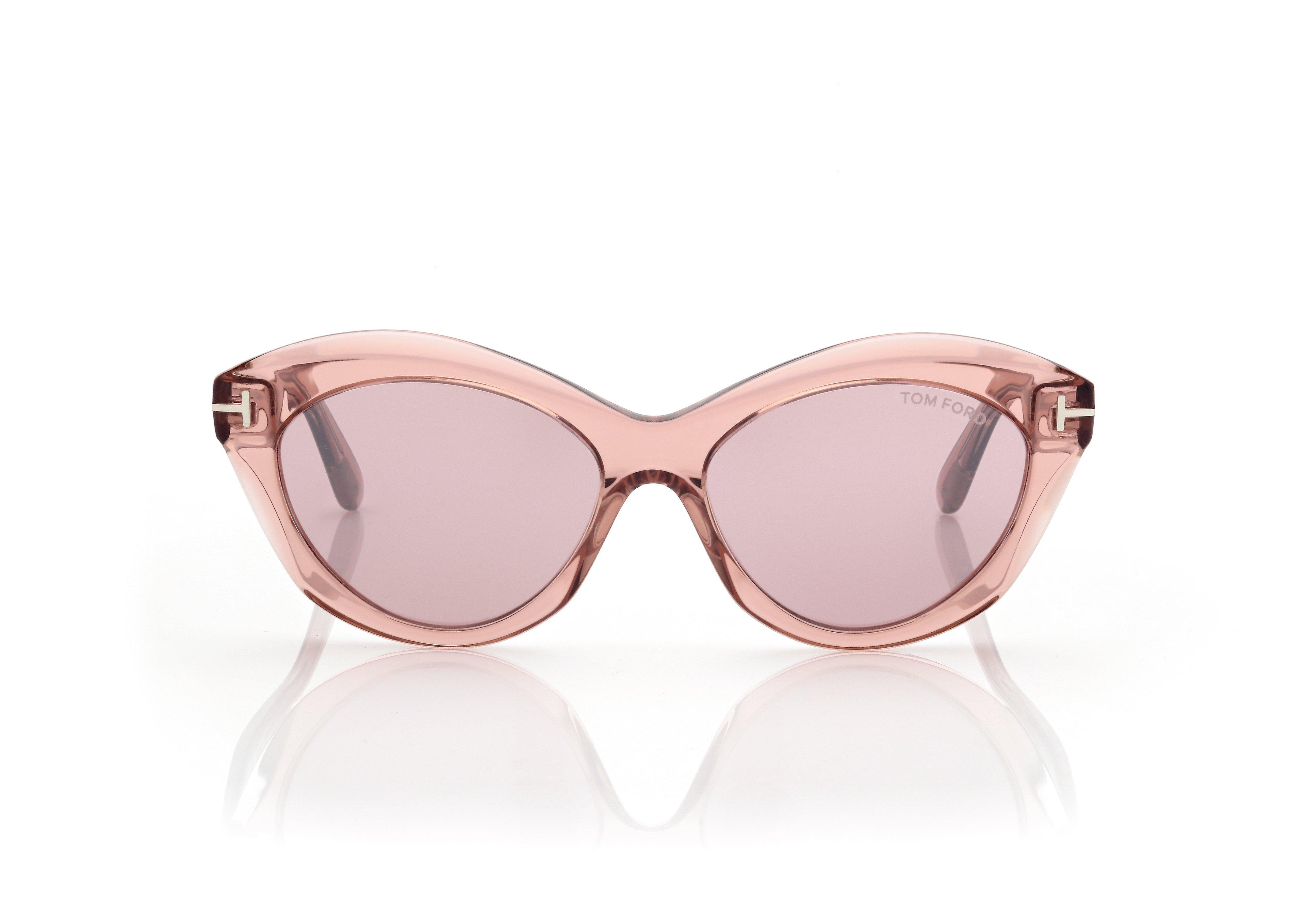
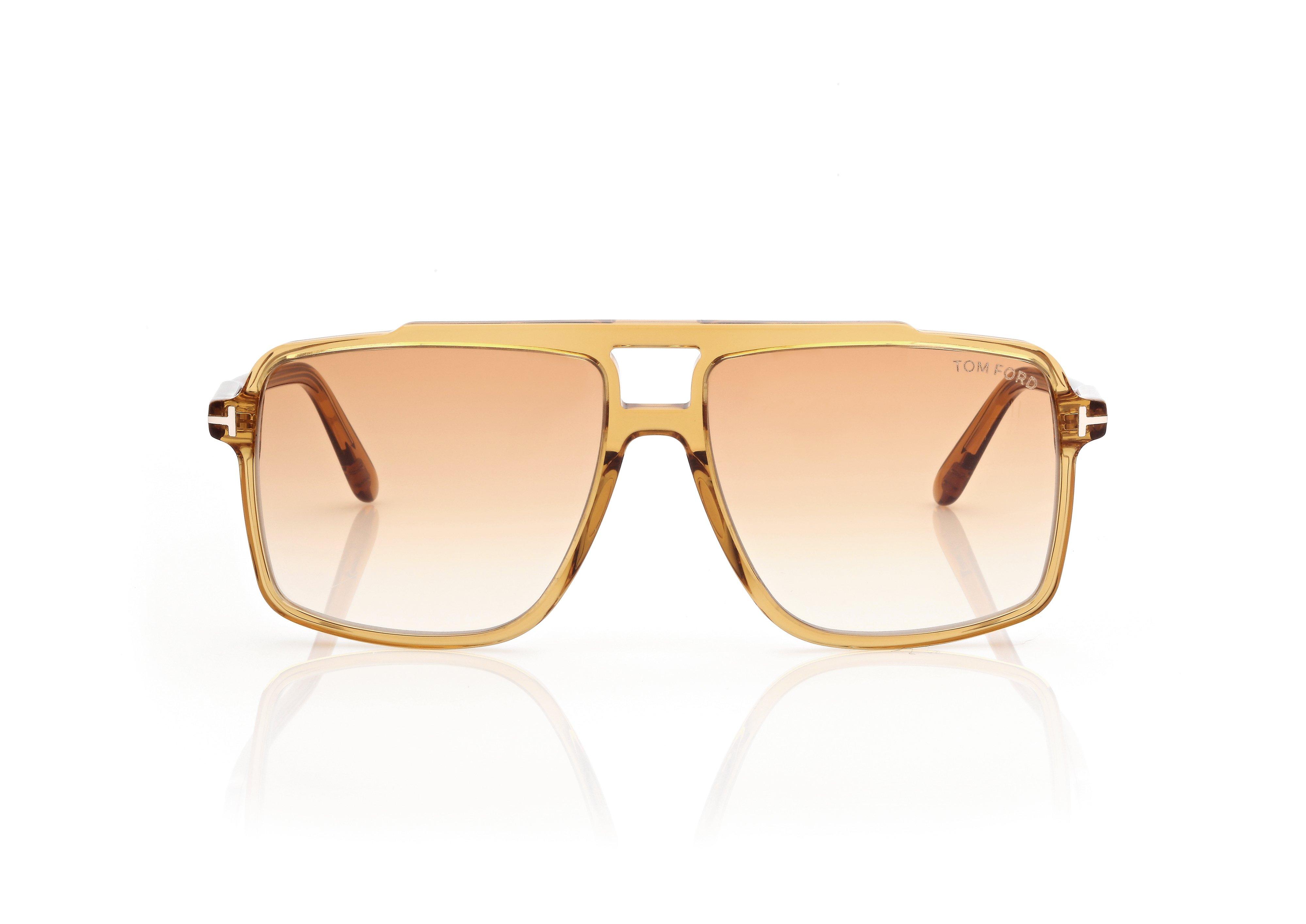
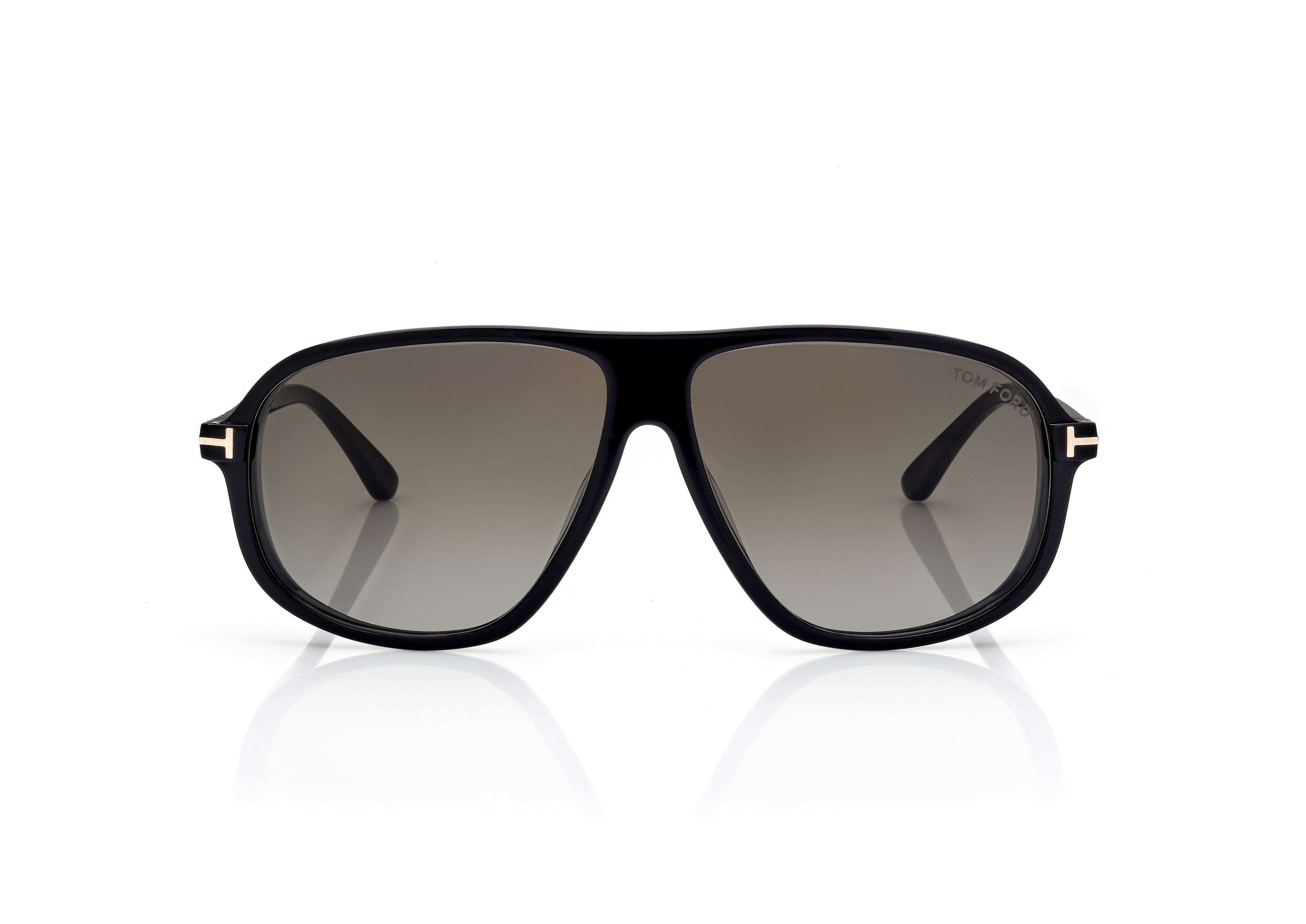
Tom Ford operates at a remove from most fashion houses
Tom Ford operates at a remove from most fashion houses. There is no archival resurrection, no creative director carousel, no decade of vintage to mine on Grailed. What you buy now is what Tom Ford decided you should buy now, designed by a team that understands his aesthetic vocabulary so thoroughly that the work feels singular. The house makes clothes and accessories that register as expensive before you check the price, which is both the point and the problem for anyone trying to enter at the lower end of the range.
A first piece from Tom Ford should do two things. It should announce itself without leaning on a logo, and it should last long enough to justify the initial wince at checkout. That rules out the logo-forward bags and the seasonal knits that pill after a winter. It points you toward tailoring, eyewear, and leather goods built with enough material heft that they age instead of decay. The house's tailoring, in particular, remains one of the few places in menswear where a contemporary cut feels neither nostalgic nor trendy. The shoulder sits naturally, the waist suppresses without costume, and the trousers break where you tell them to.
Three budgets follow. All assume you are buying to keep.
Under $1,000: the O'Connor suit trouser
Tom Ford's separates programme is where the house becomes accessible, and the O'Connor trouser is the entry point that makes sense. It is a mid-rise, flat-front trouser in a 10oz wool that holds a press and recovers from a day at the desk. The leg is trim through the thigh, straight from knee to hem, with enough room that it does not look sprayed on but enough taper that it photographs cleanly.
You can wear these with a navy blazer, a grey rollneck, or the kind of knit polo that works in July when the office aircon fails. They cost around $890, depending on the season and the cloth. That is expensive for trousers. It is not expensive for trousers you will wear twice a week for three years.
The construction is fused, not canvassed, which is the compromise you accept at this price. The pockets are stayed, the waistband is clean, and the hem is left unfinished so your tailor can break them to your preference. Buy them in charcoal or navy. Avoid anything with a sheen unless you work somewhere that sheen is expected.
$1,500–$2,500: the Whitney bag
Tom Ford's leather goods tend toward the formal, which makes the Whitney an oddity. It is a soft-structured shoulder bag with a single compartment, a magnetic closure, and a chain strap that can be worn long or doubled. The leather is grained calfskin, supple enough to collapse when empty but firm enough to hold shape when loaded.
The bag works because it does not try to be anything other than a good leather bag. There is a discreet metal plaque on the front, but no monogram, no hardware theatre, no contrast stitching. It comes in black, chocolate, and a few seasonal colours that you should ignore unless you are very sure of yourself.
At $2,390, the Whitney sits in the middle of the Tom Ford bag range, below the structured top-handles and above the smaller crossbodies that do not hold a laptop. It is the size you can take to a meeting or a dinner without looking like you are trying to make a statement about your bag.
The chain strap is the detail that separates this from every other black leather shoulder bag on the market. It is chunky enough to register as jewellery, light enough that it does not dig into your shoulder, and finished in a way that does not tarnish after a month of contact with your coat. If you find the chain too much, Tom Ford sells a leather strap as an alternative, but that defeats the purpose of buying this bag instead of a Valextra or a Métier.
Over $3,000: the Shelton peak-lapel suit
If you are spending over three thousand on a first piece from Tom Ford, it should be the Shelton suit. This is the house's flagship silhouette, the cut that appears in every campaign and every red carpet appearance. It is a peak-lapel, two-button jacket with a defined waist, a high armhole, and a shoulder that extends just past your natural line. The trousers are flat-front, slim through the leg, and cut to sit at your natural waist, which is higher than you think.
The cloth is a 12oz worsted, usually from an Italian mill, with enough body that the jacket does not collapse when you take it off. The lining is Bemberg, the buttonholes are functional, and the construction is half-canvassed, which means the chest piece is sewn in but the lower panels are fused. Full canvassing would add another two thousand to the price, and most people cannot tell the difference after the jacket is on.
The Shelton costs between $4,500 and $5,200, depending on the fabric and the season. That is a significant amount of money for a suit, but it is also the price point where Tom Ford's tailoring starts to make sense. Below this, you are paying for the name and a fused construction that you can get elsewhere for less. Above this, you are paying for bespoke details on a ready-to-wear frame, which is a different conversation.
Buy the Shelton in navy or charcoal. Wear it to the events where you need to look like you spent money on a suit. Have it pressed after every third wear, and store it on a wooden hanger wide enough to support the shoulder. If you do this, it will last a decade.
A note on care
Tom Ford's leather and tailoring require the same maintenance as any other luxury goods, which is to say: more than you think. Suits should be brushed after each wear, steamed instead of dry-cleaned when possible, and rested on a proper hanger between outings. Leather bags benefit from a wipe-down with a dry cloth every few weeks and a professional conditioning once a year. The house offers a repair service for hardware and stitching, though the turnaround is slow and the cost is not trivial.
None of this is special to Tom Ford. It is simply what happens when you buy things made from materials that respond to use. The question is whether you are prepared to treat a $5,000 suit like a $5,000 suit, or whether you would be better served by something that tolerates neglect. Most people are not honest with themselves about this until after the first stain.