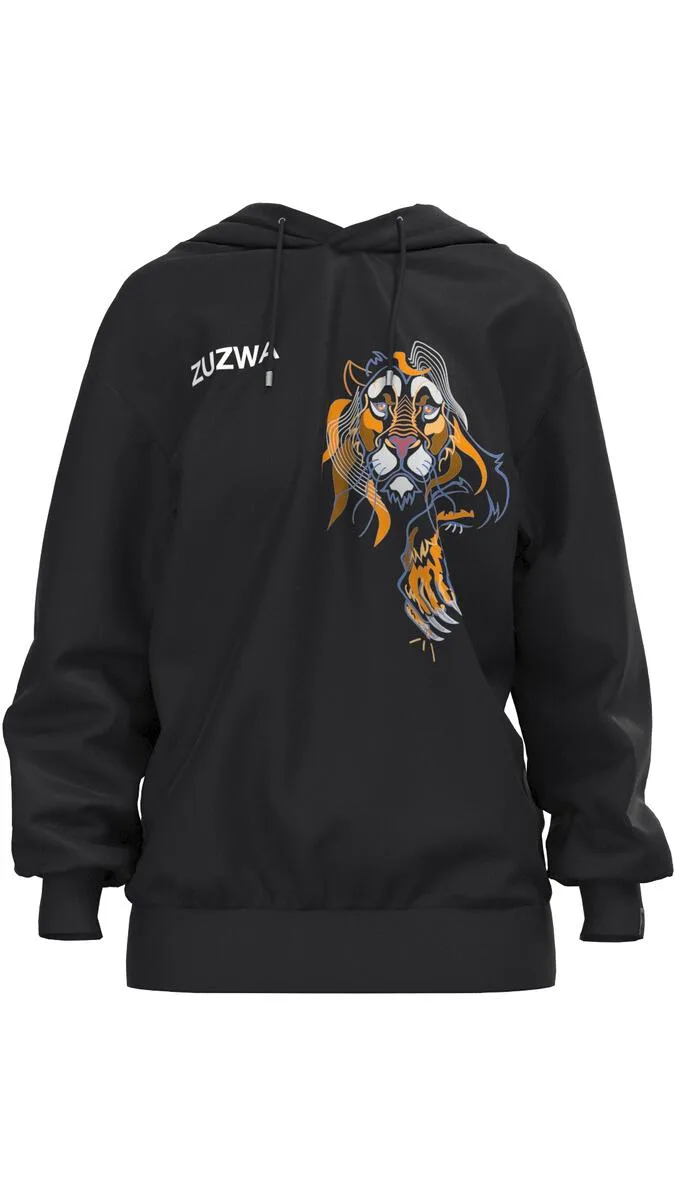
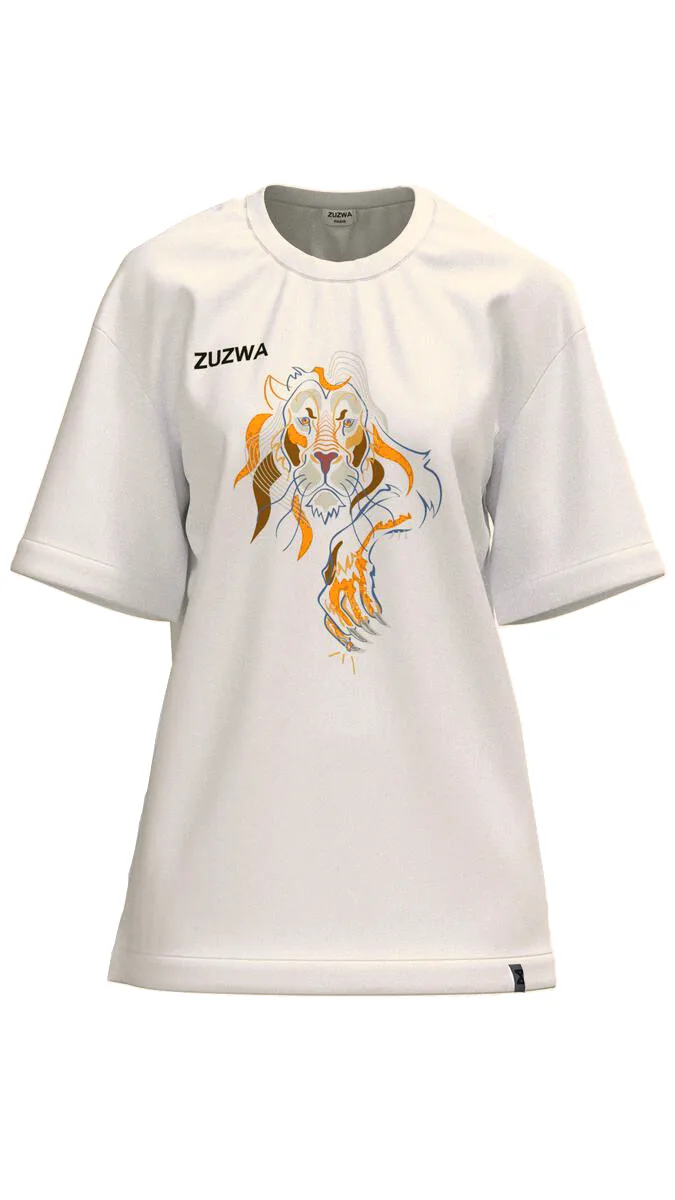
ZUZWA doesn't follow the seasonal calendar most houses live by
ZUZWA doesn't follow the seasonal calendar most houses live by. The maison works in cloth—linen from Normandy, wool from the Borders, cotton that comes in once a year from a single mill outside Kyoto—and releases pieces when the fabric arrives and the cut is right. This makes timing your first purchase slightly odd. You cannot simply wait for spring. You wait for the piece.
What defines a good entry point is clarity. ZUZWA's tailoring sits somewhere between the structure of a Neapolitan shoulder and the softness of an unlined blouson, and if that sounds like a contradiction, it is. The house makes clothes that look simple until you handle them. A jacket might have no canvas, but the collar still rolls without collapsing. A shirt closes with corozo buttons the size of your thumbnail. The trousers have no belt loops because the waistband is cut to sit exactly where your hip meets your waist, and a belt would ruin the line.
This is not minimal in the Jil Sander sense. It is pared back in the way a wooden spoon is pared back—crafted to do one thing well, with no decorative distractions. If you are looking at ZUZWA for the first time, you want a piece that demonstrates that philosophy without requiring you to rewire your wardrobe around it. The following three do exactly that, at different price points.
Under £400: The Poplin Work Shirt
ZUZWA's poplin work shirt is not, strictly speaking, a work shirt. It has the silhouette—boxy through the body, dropped shoulder, no darts—but the cloth is a 120-thread Egyptian cotton that wrinkles in a way that suggests you have just returned from somewhere warm, not that you slept in it. The maison cuts this in three colours: off-white, a pale grey that reads as blue in certain light, and a tobacco brown that works under everything.
The construction is straightforward. Flat-felled seams, a single chest pocket with a straight flap, and a collar that can take a tie but never looks like it expects one. The fit is generous without being oversized. If you normally take a medium, you take a medium here. The shirt is designed to be worn loose over a T-shirt or tucked into wide-legged trousers with the sleeves pushed up. It does not do smart-casual in the corporate sense. It does throw-on-and-leave-the-house.
At £320, this is the least expensive way into the house. It is also the most versatile. You will wear it more than you expect.
£600–£800: The Drawstring Trouser in Wool Flannel
ZUZWA's trousers are where the house's philosophy becomes most visible. The drawstring trouser—released twice a year in flannel or linen, depending on the season—has no fly, no belt loops, and no back pockets. What it does have is a waistband that sits slightly higher than modern convention, a gentle taper from thigh to ankle, and a hem that breaks once over a leather shoe or not at all over a trainer.
The flannel version, which appears in autumn, is an 11oz cloth milled in the Scottish Borders. It is softer than suiting flannel but denser than jersey. The maison offers it in charcoal, navy, and a mid-brown that sits somewhere between tobacco and rust. The drawstring is grosgrain, not cotton cord, and it is sewn into the waistband in a way that stops it from pulling through when you tighten it.
These trousers look wrong on the hanger. They look like something your grandfather wore to garden in 1978. On the body, they make sense. The high waist lengthens your leg. The lack of structure means they move when you move. The single break keeps them from pooling at the ankle. You can wear them with the poplin shirt above, a merino rollneck, or a tailored jacket that has seen better days. They cost £680, and they will last longer than most tailored trousers because there is nothing to break—no zip, no button fly, no waistband that stretches out after six months.
£1,200–£1,500: The Unlined Linen Jacket
If you are going to spend over a thousand pounds on a single piece from ZUZWA, spend it on the unlined linen jacket. This is the house's signature garment. It is cut with a soft shoulder, a three-button front that you leave undone, and patch pockets that sit low enough to be useful. The cloth is a heavyweight linen—around 280gsm—that comes from a mill in Normandy and arrives in the studio once a year, usually in February.
The maison makes this jacket in sand, a pale grey-blue, and occasionally a washed black that fades to charcoal after a season. There is no canvas, no padding, no lining except for a small strip of silk at the back vent to stop the seam from tearing. The lapels are narrow. The sleeves are cut long, so you can push them up without the cuff sliding back down. The whole thing weighs less than a cotton Oxford shirt.
This is not a blazer. It will not take you to a wedding or a board meeting. It will, however, go over a T-shirt and jeans, over the poplin shirt and drawstring trousers, over a linen camp-collar shirt and shorts in July. It works because it has no agenda. You can wear it until the elbows go shiny and the cuffs fray, and it will look better for it. At £1,380, it is expensive. It is also the only unlined jacket you need.
A Note on Care
ZUZWA's cloth improves with wear, but only if you treat it correctly. The poplin shirt can go in a machine on a cool cycle, though the maison recommends hand-washing if you have the patience. The flannel trousers should be brushed after each wear and dry-cleaned once a season, no more. The linen jacket should never see a dry cleaner. Spot-clean stains with water and a soft cloth. If it creases, hang it in a steamy bathroom for ten minutes. If it develops an odour, air it outside overnight.
None of these pieces will fall apart. The seams are double-stitched, the buttons are sewn on with a shank, and the cloth is dense enough to resist pulls and snags. What will happen, over time, is that the colours will fade slightly, the fabric will soften, and the garments will begin to fit you rather than a theoretical body. This is the point. ZUZWA does not make clothes that look best the day you buy them. It makes clothes that look best two years in.