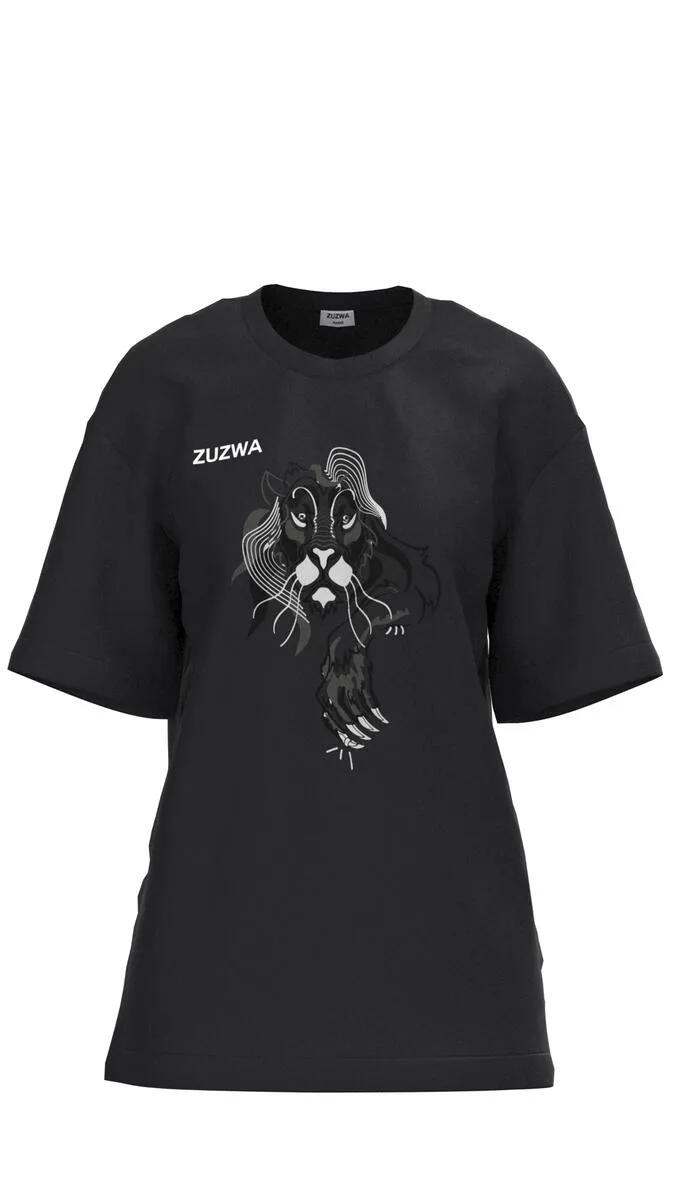
ZUZWA doesn't shout
ZUZWA doesn't shout. The house builds bags and small leather goods with a quiet intensity that recalls the ateliers tucked behind Via della Spiga more than the flagship spectacle of Bond Street. Founded in 2018 by former Hermès craftsman Laurent Beaumont, the maison operates from a single workshop in Lyon, where each piece is cut, stitched, and finished by hand. There are no seasonal drops, no collaboration announcements, no waiting lists engineered for hype. What you get instead is a considered lineup of shapes—structured totes, soft hobos, coin purses with hand-burnished edges—made from vegetable-tanned leather that will darken and soften over years of use.
Good here means a few things. First, the leather itself: full-grain hides from French and Italian tanneries, thick enough to hold form without internal stiffening. Second, construction that you can see—saddle-stitched seams, hand-set hardware, edges finished with beeswax and elbow grease rather than paint. Third, a shape vocabulary rooted in function. ZUZWA's silhouettes don't chase trend cycles. A tote from 2019 still looks correct today, and likely will in 2034.
If you're looking at the house for the first time, the question isn't whether to buy in—it's which piece makes sense as an entry point, and at what stretch of budget.
Under €600: the Coin Purse or Card Case
The smallest pieces in the ZUZWA lineup are also the most telling. The house's coin purse, a curved pouch roughly the size of a deck of cards, is stitched entirely by hand and closed with a single brass snap. It costs €420. That price makes sense only when you handle it: the leather is a 2mm vegetable-tanned cowhide that feels more like saddle leather than accessory stock, and the edges are bevelled, sanded, and burnished to a glassy finish that takes about forty minutes per piece.
This is the shape you buy if you want to understand what ZUZWA does before committing to a bag. It will fit in a jacket pocket, darken to a deep chestnut after six months of handling, and serve as a small, tangible argument for why anyone still makes things this way.
The card case, at €380, follows the same logic. Four pockets, no lining, edges finished to the same standard as the house's €2,000 totes. Both pieces come in three leathers: a natural vachetta that will patina aggressively, a black that stays matte, and a mid-brown pulled-up leather with a slight grain. The natural is the most dramatic, the black the most practical, the brown the safest if you're unsure.
If your budget stops here, stop here. A ZUZWA coin purse used daily for five years will look better at the end than most bags look at purchase.
€800–€1,200: the Hobo or Zip Pouch
At this band you're looking at the house's secondary shapes—bags large enough to carry daily but not so prominent they define an outfit. The Hobo, a soft shoulder bag with a single compartment and an adjustable strap, sits at €950. It holds a laptop, collapses flat when empty, and works as well with a wool overshirt as it does with tailoring. The leather here is a 1.8mm pull-up cowhide, supple enough to slouch but thick enough that the bag won't lose its loose crescent shape over time.
ZUZWA doesn't line its bags. This is a choice, not a cost cut. The interior is the reverse of the exterior leather, burnished smooth and left raw. You'll see the stitching from both sides, which means you'll also see if it's done poorly. It isn't. Each seam is saddle-stitched with waxed linen thread, a technique borrowed from saddlery that uses two needles and locks each stitch mechanically rather than relying on a machine's tension. If a thread breaks, the seam won't unravel.
The Zip Pouch, at €1,100, is the more structured option. It's a rectangular clutch large enough for a passport, phone, and paperback, with a brass zip that runs three sides and a wrist strap you can remove. This is the piece that works for travel—throw it in a larger bag during the day, pull it out at night. The leather is the same pull-up cowhide as the Hobo, available in the same three colours.
Both pieces will mark. A corner will scuff if you set the bag down on concrete. The leather will crease where it folds. This is what vegetable-tanned hides do, and it's worth noting up front: ZUZWA's aesthetic depends on use. If you want a bag that looks new forever, buy coated canvas.
€1,800–€2,400: the Tote or Satchel
This is where the house makes its case. The Tote, ZUZWA's signature shape, is a structured rectangle with two top handles, an open mouth, and a flat base wide enough to stand unsupported. It measures 38cm across, 30cm tall, and 12cm deep—dimensions pulled directly from the archival pattern of a 1960s French market bag. It costs €2,200.
The construction is blunt. Two panels of 2.2mm vegetable-tanned leather, stitched along the sides and base, with reinforced stress points at each handle join. The handles themselves are cut from a single strap, doubled over, and stitched down with the same saddle-stitch used everywhere else. There is no internal frame, no pocket, no zip. It is a bag that holds things.
What makes it work is the leather's hand. At 2.2mm, the hide is thick enough to give the tote structure without stiffness. It will hold shape when full, collapse slightly when empty, and develop a bend line along the base after the first month of use. The natural vachetta version will darken unevenly—faster where your hand grips the handle, slower along the base. The black will stay black, though the edges will burnish to a slight shine. The mid-brown is the middle path.
The Satchel, at €1,950, is the Tote's more formal sibling. Same leather weight, same construction, but with a front flap closed by two brass buckles and a single shoulder strap. It's modelled after the cartable satchels French schoolchildren carried in the 1950s, and it reads that way—slightly prim, slightly nostalgic, entirely functional. It fits a laptop, closes securely, and works under a coat.
Both pieces take about eighteen hours to make. Beaumont and his team of four produce roughly sixty bags a month, which explains the lead times (currently six to eight weeks) and the fact that ZUZWA has never discounted.
On care and years
Vegetable-tanned leather needs less than you think. Brush off dust with a dry cloth, avoid prolonged rain, and leave the patina alone. If the leather dries out—and it will, eventually—rub in a thin layer of neutral leather cream and let it sit overnight. Don't polish it. The house recommends doing this once a year, or whenever the surface starts to look chalky.
ZUZWA offers a lifetime repair service. Broken stitching, torn straps, and worn edges are all fixable, though you'll pay for materials and labour. The leather itself, if you've treated it reasonably, should outlast the hardware. Expect a ZUZWA bag used daily to look its best between years three and ten. Before that, it's too new. After that, it's a document.