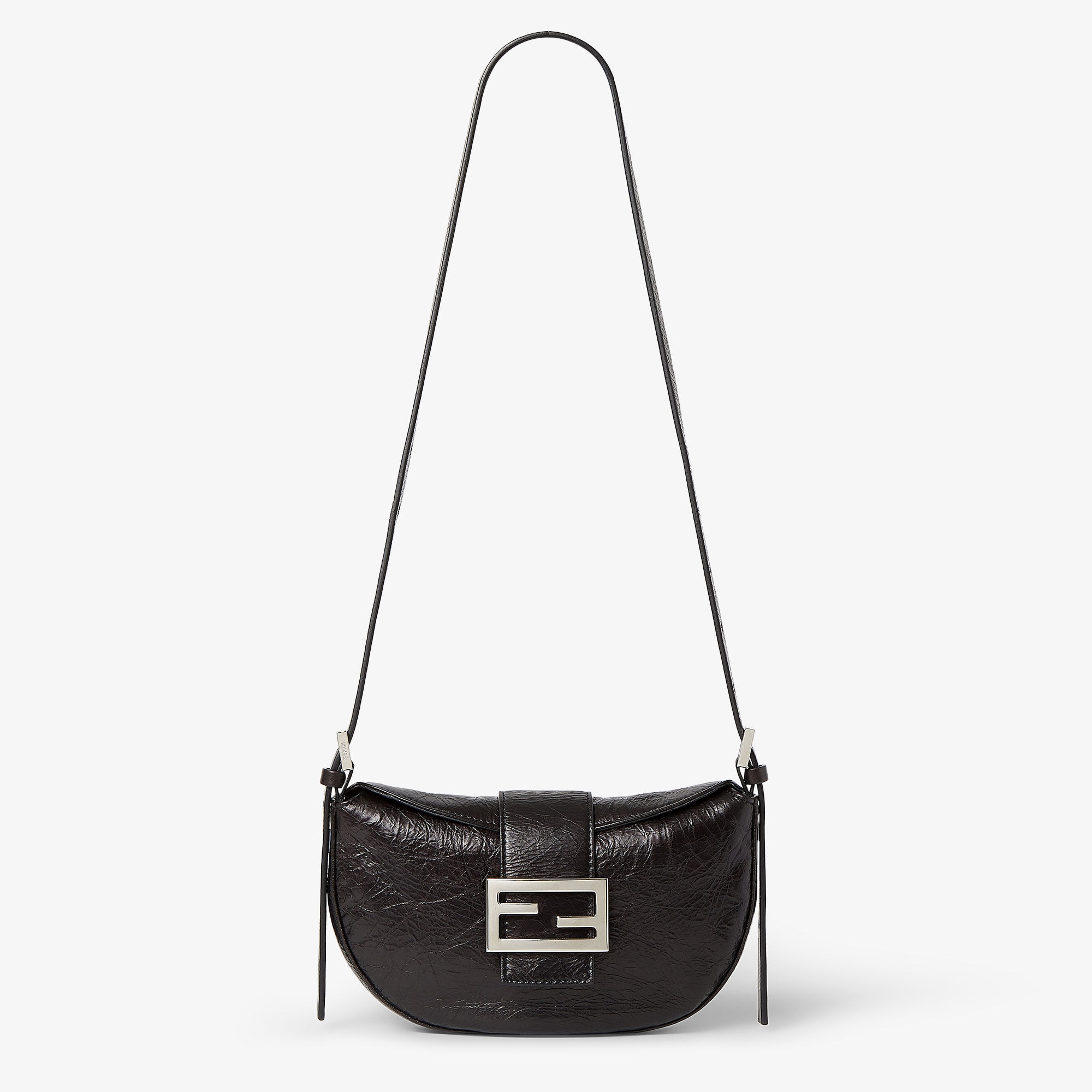
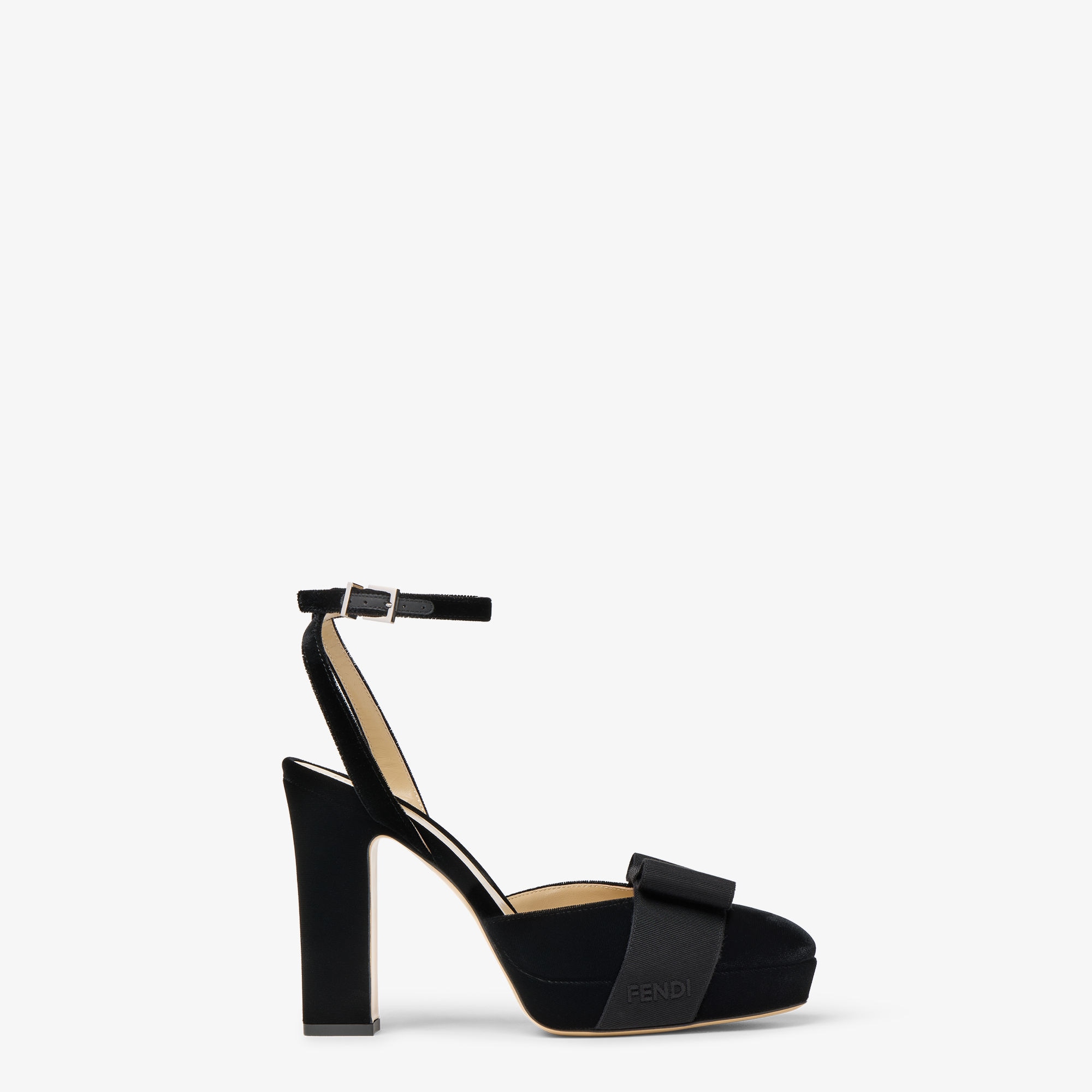
Portrait: the creative director at Fendi
The fitting room at Fendi's Via Solari headquarters runs long and narrow, with bolt upon bolt of fabric stacked floor to ceiling along one wall. Kim Jones stands near the far end, sleeves rolled, turning a sleeve head inside out to examine the way a seam allowance has been pressed. He says something in Italian to the première d'atelier beside him. She nods, makes a note. The toile comes off the form. He moves to the next one.
This is not the designer as auteur, sketching alone in a garret. This is the designer as orchestrator, embedded in the mechanics of a house that has been making fur coats and double-F hardware since 1925. Jones arrived at Fendi in 2020 to lead menswear and couture — an unusual pairing, but one that makes a certain sense when you consider that both require an obsessive attention to construction. He had spent the previous three years at Dior Men. Before that, Louis Vuitton menswear for seven years. The through-line isn't houses. It's process.
The Long Apprenticeship
Jones studied at Central Saint Martins in the late Nineties, during the McQueen-Galliano era, when a graduate collection could land you a contract before the champagne went flat. His own final show, in 2002, featured a collaboration with the illustrator David Downton and clothes inspired by his travels across Africa and South America. The press took notice. But instead of launching his own label immediately, he spent time at Umbro, then at Dunhill, learning how to work within the constraints of a brand with legacy and distribution and quarterly targets.
By the time he launched his eponymous line in 2003, he understood that a good idea on paper and a good idea in production are two different animals. His early collections leaned on technical fabrics and utility details — the kind of thing that reads as streetwear now but felt closer to expedition wear then. He wasn't chasing trends. He was building a vocabulary.
Louis Vuitton hired him in 2011. The menswear studio there gave him access to the maison's ateliers, its leather workshops, its archive of trunks and travel cases dating back to the 1850s. He spent seven years learning how a heritage house operates at scale: how to design for global markets without diluting the message, how to collaborate with artists and musicians without turning the runway into a billboard, how to make a show feel like an event and a product feel like an object worth keeping.
When he moved to Dior Men in 2018, the brief was narrower but no less demanding. Dior's menswear had been a secondary concern for much of the house's history. Jones was tasked with making it consequential. He did, in part, by treating tailoring as sculpture — sharp-shouldered, high-waisted, full-legged — and in part by staging shows that felt less like fashion theatre and more like collaborative art projects. The Hajime Sorayama robots, the KAWS florals, the Raymond Pettibon prints: each one a conversation between the house codes and a living artist's visual language.
Three years in, Bernard Arnault offered him Fendi.
The Pivot
Fendi is not Dior. It is smaller, more specialised, and its reputation rests on two pillars: fur and the Baguette bag. The latter, designed by Silvia Venturini Fendi in 1997, became the accessory that launched a thousand waiting lists. The former is now, depending on where you stand, either an irreplaceable craft tradition or an ethical minefield. Jones inherited both.
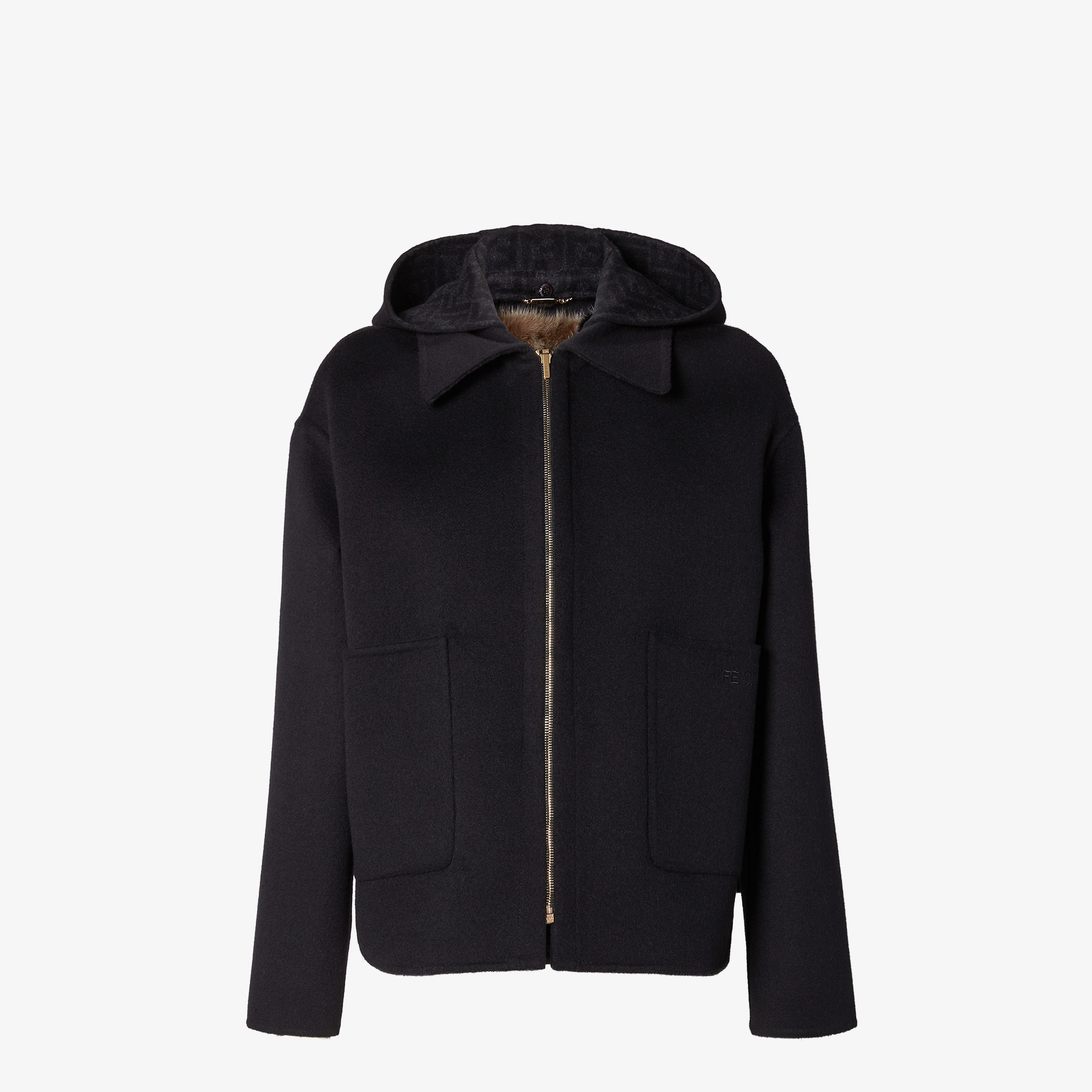
His first couture collection for Fendi, shown in January 2021, opened with a coat in sheared mink dyed the colour of wet sand. The silhouette was clean, almost monastic. The fur itself had been worked until it resembled wool felt. One suspected this was deliberate — a way of signalling that fur, here, was not about opulence but about material knowledge. Whether that argument holds depends on your tolerance for nuance in a medium that increasingly resists it.
What became clear over the next few seasons was that Jones had no intention of making Fendi louder. If anything, he made it quieter. The palette stayed neutral. The cuts stayed close. The embellishments — when they appeared — were small and precise: a line of topstitching in contrast thread, a pocket flap cut on the bias, a belt worked in intrecciato leather that took an artisan six hours to complete.
This is not the kind of work that photographs well on Instagram. It requires proximity. You have to see the garment in person, preferably in motion, to understand what's happening. In an industry that increasingly prioritises the screen over the stage, this is either a brave stance or a commercial miscalculation. The sales figures suggest the former.
The Signature
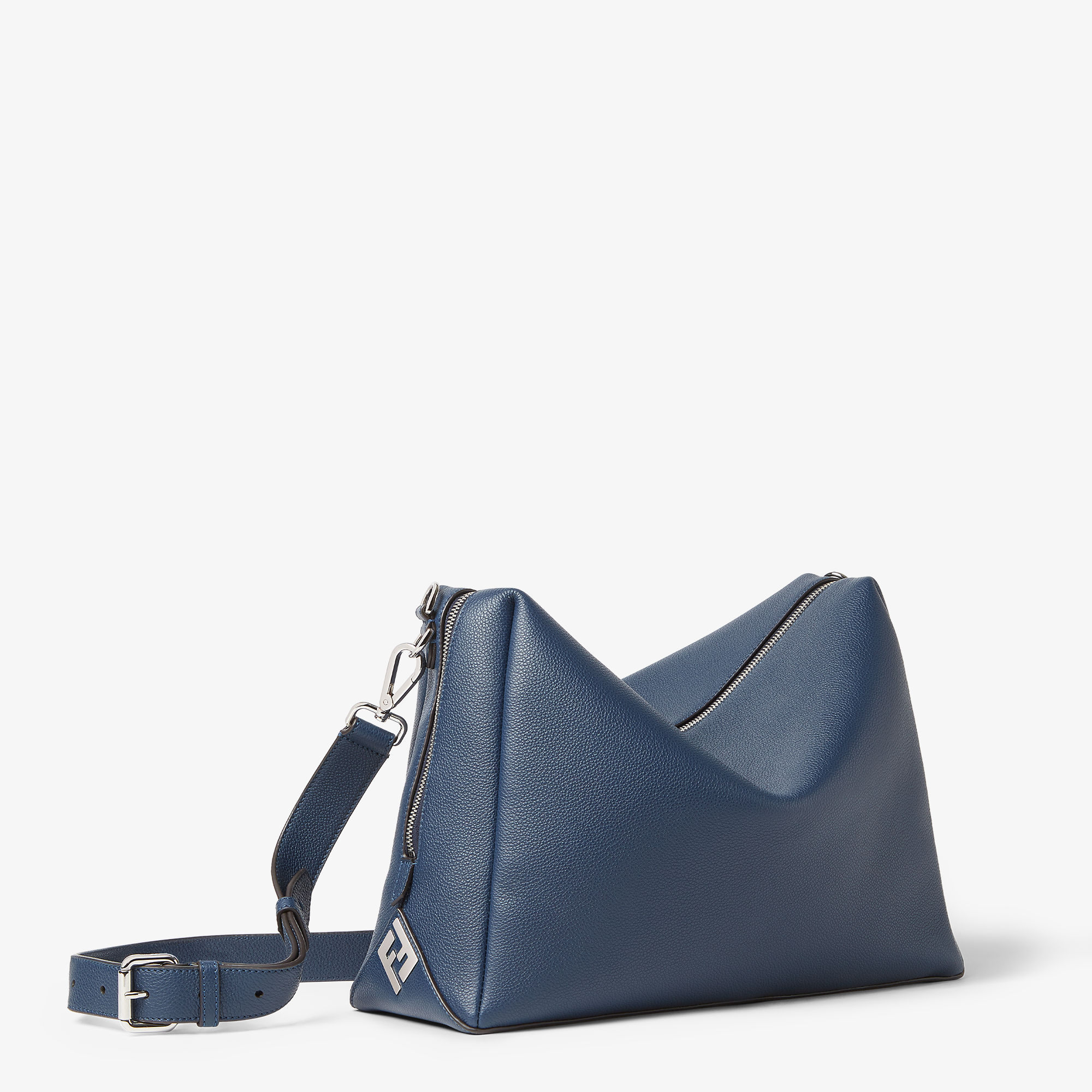
If there is a signature to Jones's work at Fendi, it is restraint married to complexity. A coat that looks simple from three metres away reveals, up close, a sleeve set with four separate pattern pieces and a collar that stands without interfacing. A bag that reads as minimal carries a lining hand-stitched in silk twill and a closure mechanism borrowed from a 1960s Fendi trunk.
He has also leaned into collaboration, not as spectacle but as method. The couture collections have featured prints by artists including Cecily Brown and Porter Robinson, but the prints themselves are worked into the garments with a lightness that keeps them from overwhelming the cloth. A floral motif might appear only on the lining of a jacket, or as a subtle discharge print on organza layered under wool suiting. The artist's hand is present, but it does not shout.
The same principle applies to his use of the Fendi archive. Rather than reproduce iconic pieces wholesale, he extracts a detail — the curve of a 1970s shoulder, the proportions of a 1980s clutch — and rebuilds it in a contemporary context. The result is not pastiche. It is a kind of material conversation, conducted across decades.
What Comes Next
Jones has said, in various interviews, that he does not think in terms of legacy. He thinks in terms of seasons. This is either modesty or strategy, and probably both. The fashion system does not reward long-term thinking. It rewards newness, and it rewards it every six months.
Still, there are signs that his approach at Fendi is beginning to shift the house's centre of gravity. The menswear, once an afterthought, now accounts for a meaningful share of revenue. The couture, relaunched under his direction, has brought a younger client base to a category that had begun to feel rarefied to the point of irrelevance. And the accessories — still anchored by the Baguette, now available in dozens of materials and finishes — continue to perform.
Whether this constitutes a new chapter for Fendi or simply a well-executed interlude remains to be seen. Houses, like people, reveal themselves slowly. What is clear is that Jones has no interest in making Fendi into Dior, or Dior into Vuitton, or any house into a reflection of his own initials. He is interested in the work itself: the fitting, the drape, the way a seam allowance lies flat when you press it just so.
In the Via Solari studio, the fittings continue. Another toile, another adjustment. The light is unforgiving. The standards are high. One garment at a time, the collection takes shape.