The fitting room on Via del Corso smells of espresso and Shalimar
The fitting room on Via del Corso smells of espresso and Shalimar. A model stands motionless in a half-pinned coat while Silvia Venturini Fendi circles, pins between her lips, adjusting a sleeve head by millimetres. On the wall behind her, three photographs: Anna Piaggi in a fur stole the colour of burnt sienna, Delfina Delettrez in silver cuffs stacked to the elbow, Adele Fendi herself in 1965, arms crossed, unsmiling. The women who shaped this house did not pose. They inhabited.
Fendi has never lacked for muses. But three figures stand apart — not because they wore the clothes best, but because they altered what the clothes could mean.
Anna Piaggi: The Archivist in Motion
Piaggi arrived at Fendi in the early Seventies, already established as Vogue Italia's most unorthodox voice. She did not dress to flatter. She dressed to argue. Her collaboration with Karl Lagerfeld, who had just joined the maison as creative director, was less partnership than mutual provocation. He would send her proto-samples — furs treated like jersey, leather cut into fringe — and she would wear them in combinations he had not imagined. A sable cape over a vinyl skirt. A shearling gilet with an Edwardian lace collar. She treated fashion as a living archive, and Fendi became her laboratory.
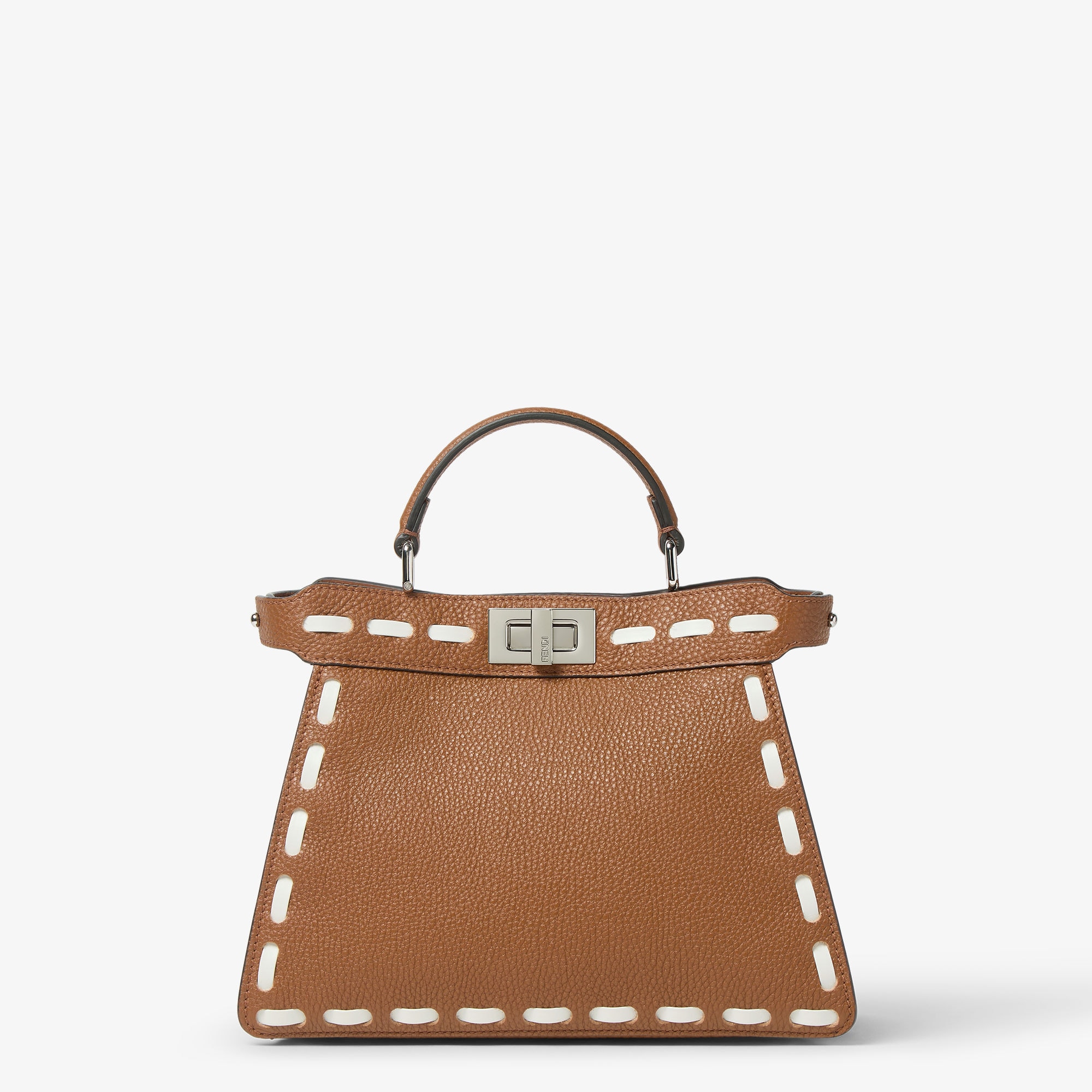
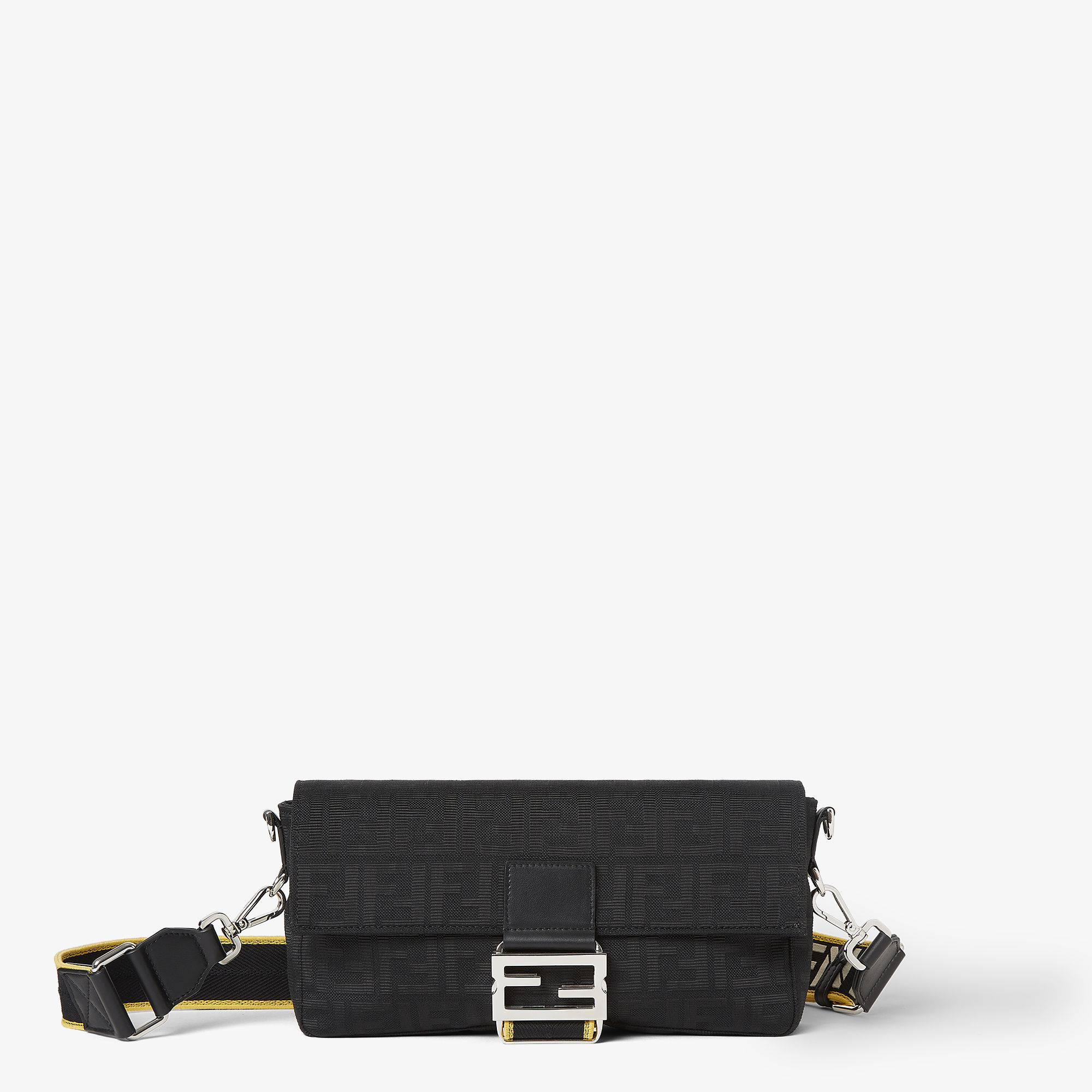
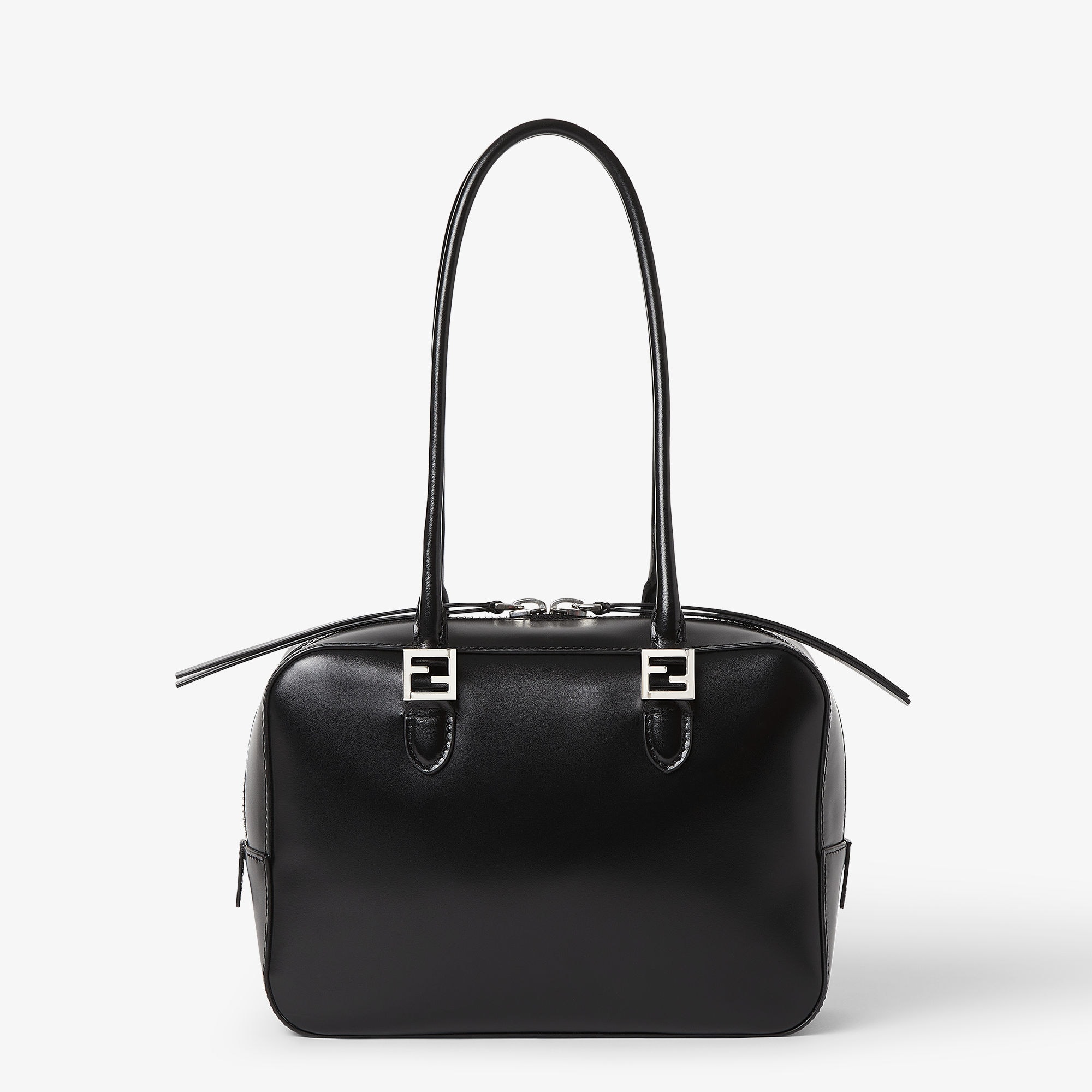
What Piaggi gave the house was permission to be strange. Before her, Fendi was known for impeccable fur technique, the five sisters running the business with Roman pragmatism. Piaggi introduced caprice. She appeared in Lagerfeld's campaigns not as an idealised customer but as herself — eccentric, intellectual, uninterested in youth. Her influence shows up in the house's willingness, even now, to pair the refined with the absurd. A Peekaboo bag in shearling and python. A baguette embroidered with cartoon eyes. Piaggi understood that luxury could afford to be playful, provided the facture was serious.
Lagerfeld spoke of her often, usually in exasperation. "Anna wears everything at once," he told WWD in 1983. "She makes me look conservative." He meant it as a compliment. Piaggi died in 2012, but her logic persists in the house's accessory line, where Silvia Venturini Fendi still designs with a collector's sensibility. The bags are not neutral. They have personalities.
Delfina Delettrez: The Inheritor Who Refused the Script
Delfina Delettrez Fendi was twenty-one when she launched her own jewellery line in 2007, and the fashion press did what it always does with dynasty children — they watched for failure. She had the name, the access, the atelier training. She also had the pressure of four generations behind her, each more formidable than the last. Her great-grandmother Adele founded the house in 1925. Her grandmother Anna ran it for decades. Her mother Silvia has been designing accessories since 1994. Delfina could have taken a safe position within the family structure. Instead, she made jewellery that looked like it had been excavated from a surrealist's grave.
Her early pieces — rings shaped like eyes, earrings with dangling anatomical hearts — were too strange for Fendi's mainline, but the house supported her anyway. Silvia gave her studio space. The family provided introductions. What they did not do, crucially, was absorb her. Delfina's line remained independent, and that distance allowed her to influence Fendi without being subsumed by it.
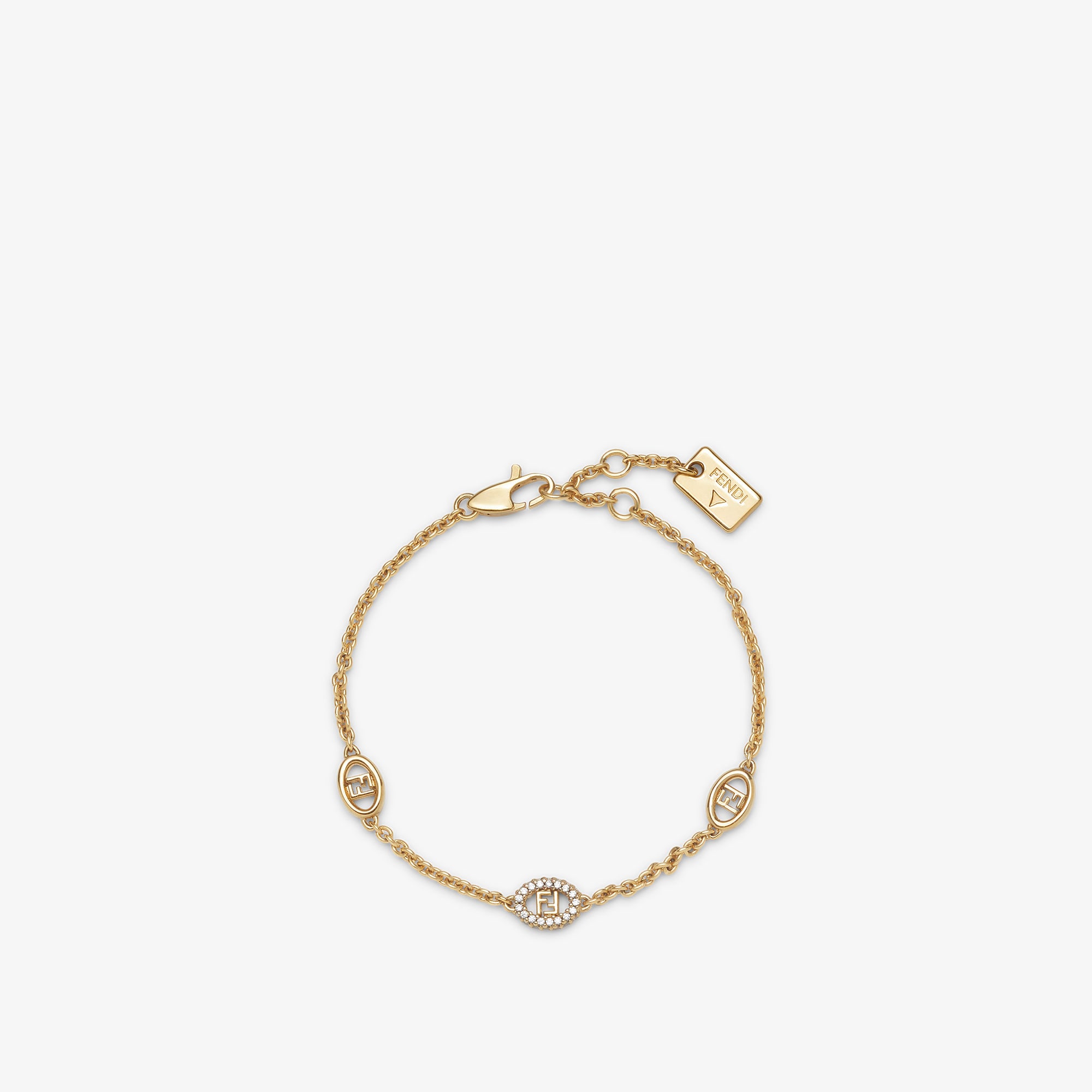
The influence runs both ways. Delfina's jewellery introduced a gothic sensibility that began appearing in Fendi's accessory details: skull-shaped bag charms, enamel eyes on leather straps, a certain taste for the macabre rendered in precious materials. At the same time, Fendi's discipline shaped her work. The craftsmanship is rigorous. The stones are set with the same attention to detail one expects from the house's saddle stitching. She learned to be strange within structure, which is arguably the Fendi way.
In 2021, she was named artistic director of jewellery at Fendi, a role created for her. The appointment formalised what had been true for years: she was not simply the next generation. She was a muse in the original sense — a figure who changes the terms of the conversation.
Adele Fendi: The Founder Who Stayed
It is easy to romanticise founders, to treat them as mythic figures rather than working women. Adele Casagrande married Edoardo Fendi in 1925, and together they opened a leather and fur workshop on Via del Plebiscito. When Edoardo died in 1954, Adele took over fully, raising five daughters while running the business. She was not interested in fashion as spectacle. She was interested in making things that lasted.
Her influence on the house is structural. Fendi's reputation for craft — the hand-stitching, the fur treatments, the refusal to cut corners even when corners would be cheaper — comes directly from her. So does the family governance model, which kept the business under the control of the five sisters (Paola, Anna, Franca, Carla, Alda) until LVMH acquired a stake in 2001. Adele believed in training from within. Her daughters learned every stage of production, from pattern-cutting to client relations. That knowledge base allowed them to hire Lagerfeld in 1965 without ceding creative authority. They knew what they wanted. He helped them articulate it.
Adele died in 1978, but her logic persists. Fendi remains a family-run house within a conglomerate structure, an unusual arrangement that works because the family members are not figureheads. Silvia Venturini Fendi has been designing the accessories line for three decades. Her son, Pietro Beccari, is now CEO of Louis Vuitton, but he spent years at Fendi before that. The fourth generation is already in the ateliers, learning the same way their great-grandmother did — by making.
What Muses Do
A muse is not a passive figure. The word has been degraded by decades of fashion copy, used to describe anyone who wears a designer's clothes well. But the original muses were deities of memory and inspiration, and their role was active. They shaped what could be remembered, what could be imagined.
Piaggi gave Fendi permission to be eccentric. Delfina gave it permission to be dark. Adele gave it the structural integrity to survive its own success. Three women, three forms of influence, none of them decorative.
The house continues, as houses do, with new faces and new pressures. Kim Jones took over the women's ready-to-wear line in 2020, the first designer from outside the family to hold that role. Silvia remains at accessories. The ateliers still train apprentices in saddle-stitch technique, still source leathers from the same tanneries Adele used. Whether the next muse is already in the building or still to arrive is unclear. But if Fendi's history suggests anything, it is this: she will not be who they expect.