## The Five Sisters and the Furrier's Daughter
The Five Sisters and the Furrier's Daughter
In 1925, Adele Casagrande married Edoardo Fendi. She was twenty-four, already running a leather-goods and fur workshop on Via del Plebiscito in Rome. He was a merchant. The business bore his name from that point forward, though the hands shaping pelts and cutting patterns remained hers. This detail — who did the work, whose surname appeared on the brass plaque — set a pattern that would echo through the next century.
By the nineteen-forties, Adele and Edoardo had five daughters: Paola, Anna, Franca, Carla, Alda. The workshop had moved to a larger premises on Via Piave. Furs were the stock-in-trade, but bags and small leather goods kept the atelier busy between seasons. Rome was not Milan. There was no industrial infrastructure, no ready supply of skilled pattern-cutters trained in the northern factories. What Fendi had was a family structure and a willingness to treat fur as fabric rather than trophy.
Edoardo died in 1954. The daughters, all in their twenties or younger, stepped in. Not one at a time — all five, simultaneously, each claiming a domain. Paola took furs. Anna handled leather goods. Franca managed customer relations. Carla oversaw production. Alda worked the business side. The arrangement was not especially romantic. It was a division of labor born from necessity, the kind that either fractures a company within three years or calcifies into doctrine.
They chose doctrine.
The Man Who Inverted the Pelt
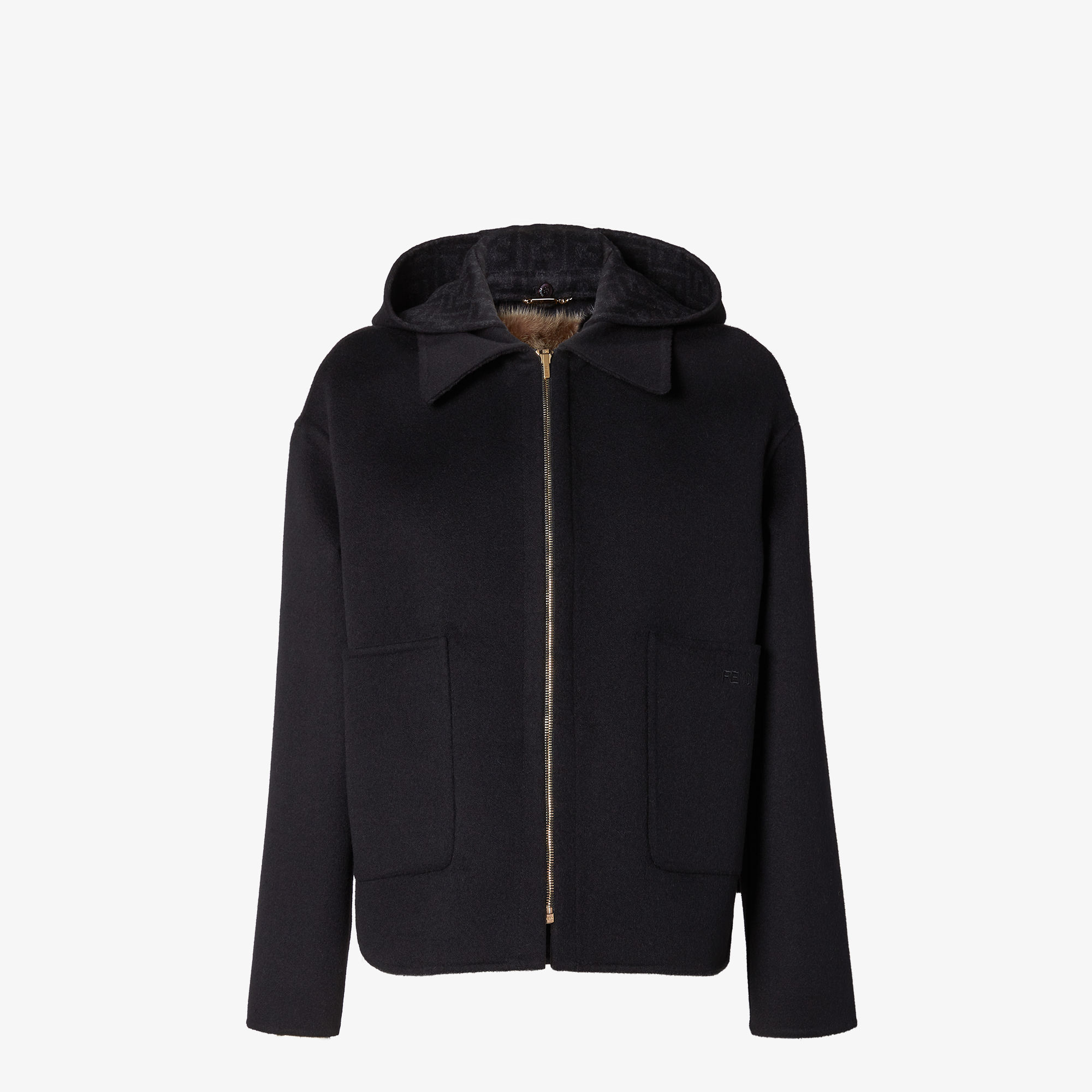
In 1965, the sisters hired Karl Lagerfeld. He was thirty-two, already established at Chloé, and he arrived with no particular reverence for fur as a noble material. This mattered. Italian furriers in the sixties treated mink and sable as precious substances to be displayed in their full, unaltered pelts — long coats, heavy stoles, linings that announced wealth in ounces. Lagerfeld looked at a mink skin and saw a textile. He began slicing pelts into strips, weaving them with leather, inlaying them into canvas. He dyed them in colours no animal had ever grown: acid yellow, cobalt, a particular shade of pink that photographs poorly but works in motion.
The 1966 collection featured a fur coat weighing less than a kilo. Journalists called it gimmickry. Customers, particularly American customers, called it wearable. The sisters called it strategy. Lagerfeld stayed for fifty-four years, longer than most marriages, and the relationship worked precisely because neither side romanticised it. He was not the house's auteur. He was a collaborator who understood that Fendi's centre of gravity was not in Paris but in a set of Roman ateliers where women named Fendi still argued over stitch tension.
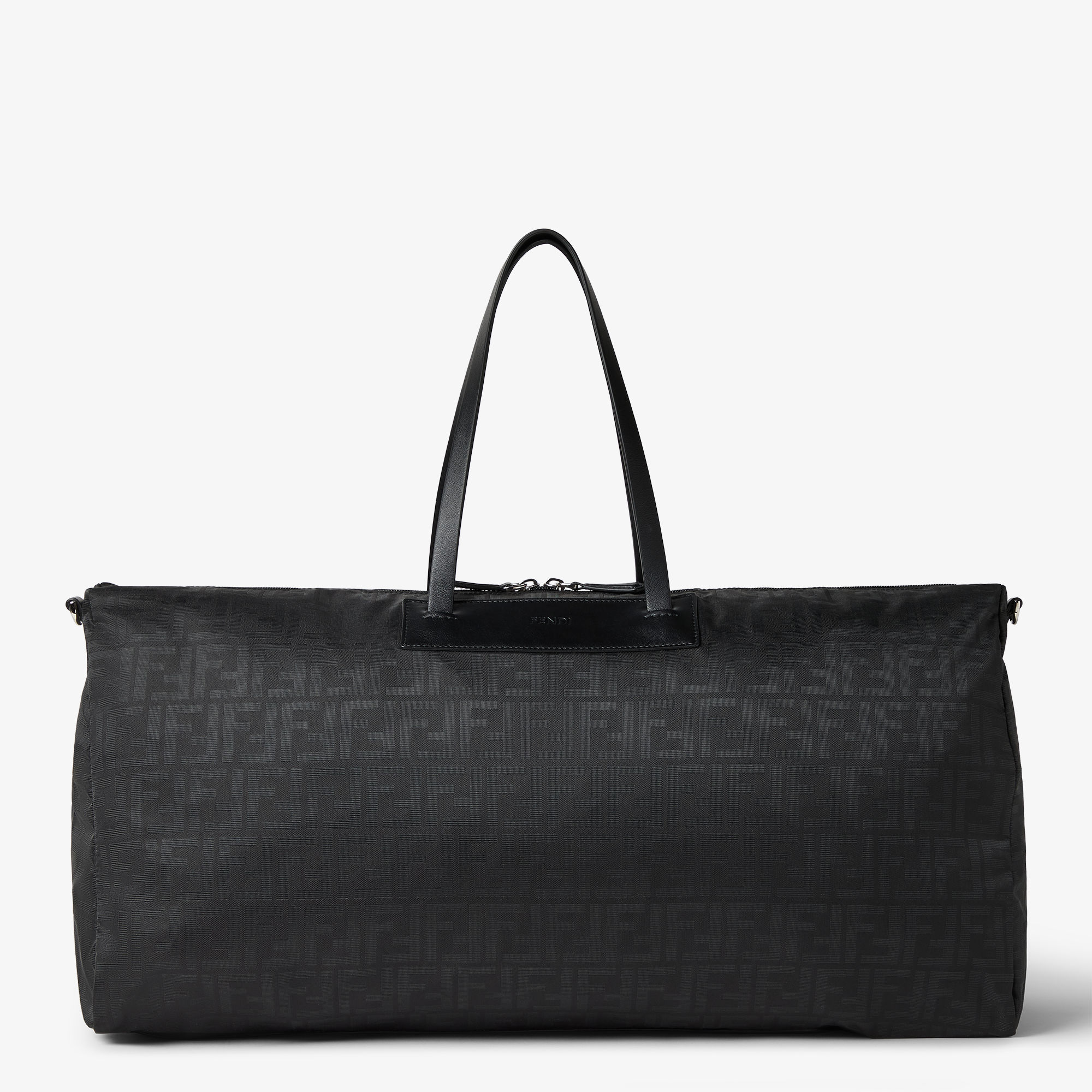
The Baguette arrived in 1997. Silvia Venturini Fendi — Anna's daughter, third generation — designed it. The brief was simple: a small bag, carried under the arm, the way one carries a loaf of bread in Rome. No status hardware. No monogram shout. The shape did the work. Within two years, it had appeared in Sex and the City, been copied by half the factories in Guangzhou, and entered the lexicon as a type rather than a model. You can still find women in their sixties who refer to any small shoulder bag as "a baguette," unaware they're citing a specific object from a specific house.
This is both victory and dilution.
What the Plaque Says Now
In 2001, LVMH acquired a controlling stake. The sisters retained influence but ceded operational control. Silvia stayed on as artistic director of accessories and menswear. The furs continued, though the proportion of revenue they represented had long since inverted — bags and leather goods now carried the business, with fur as a high-margin, low-volume halo. Lagerfeld kept his title until his death in 2019, though his final Fendi collections felt more like victory laps than provocations.
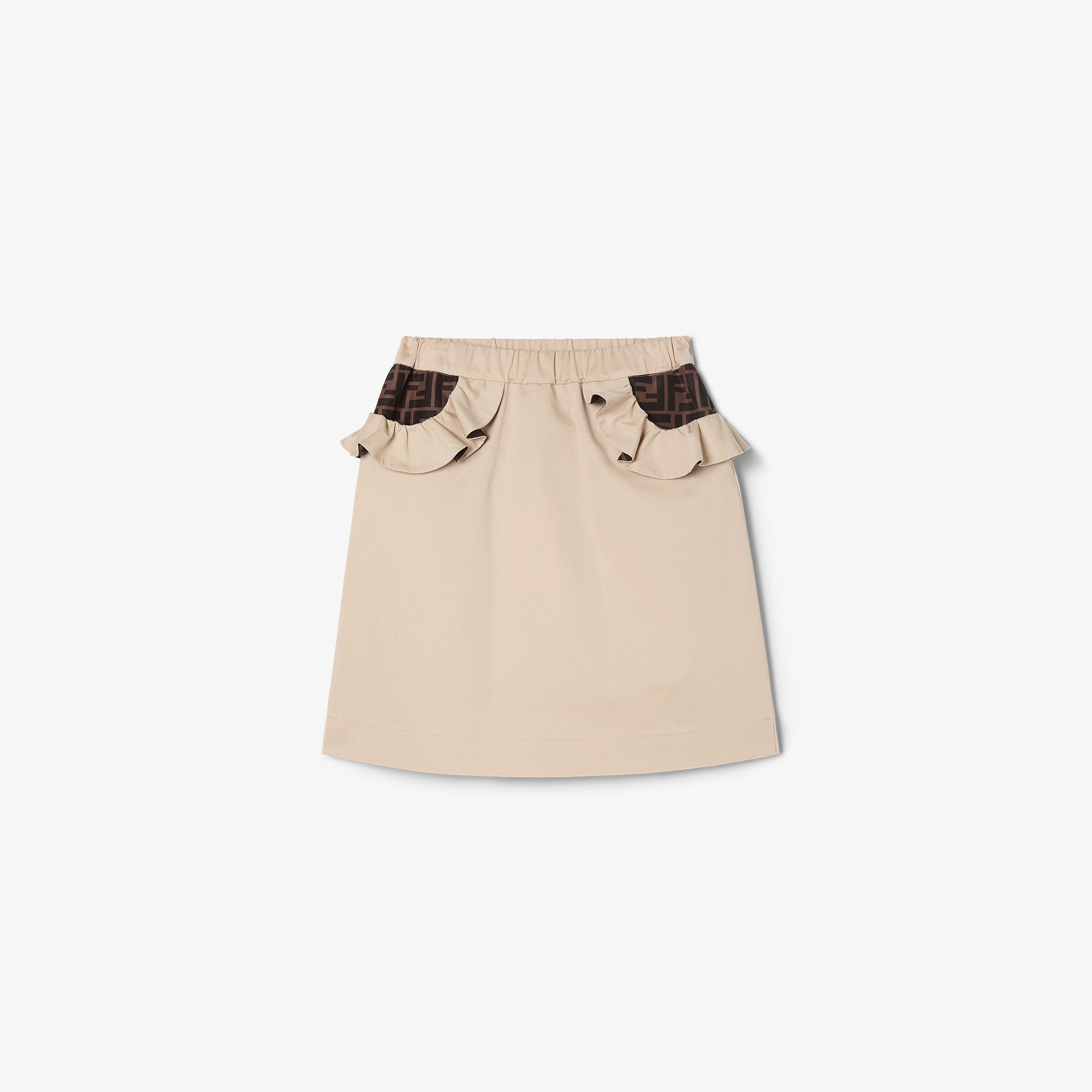
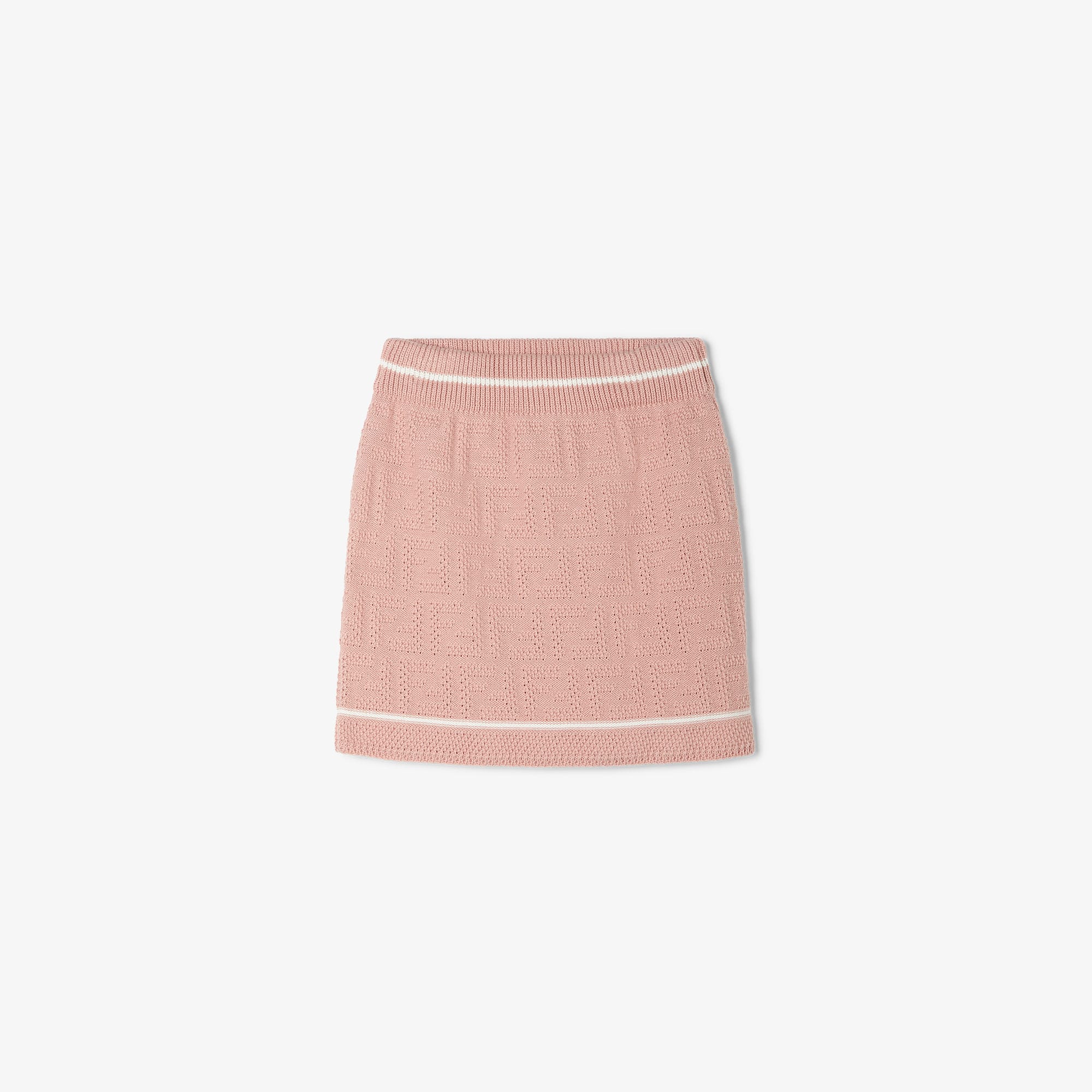
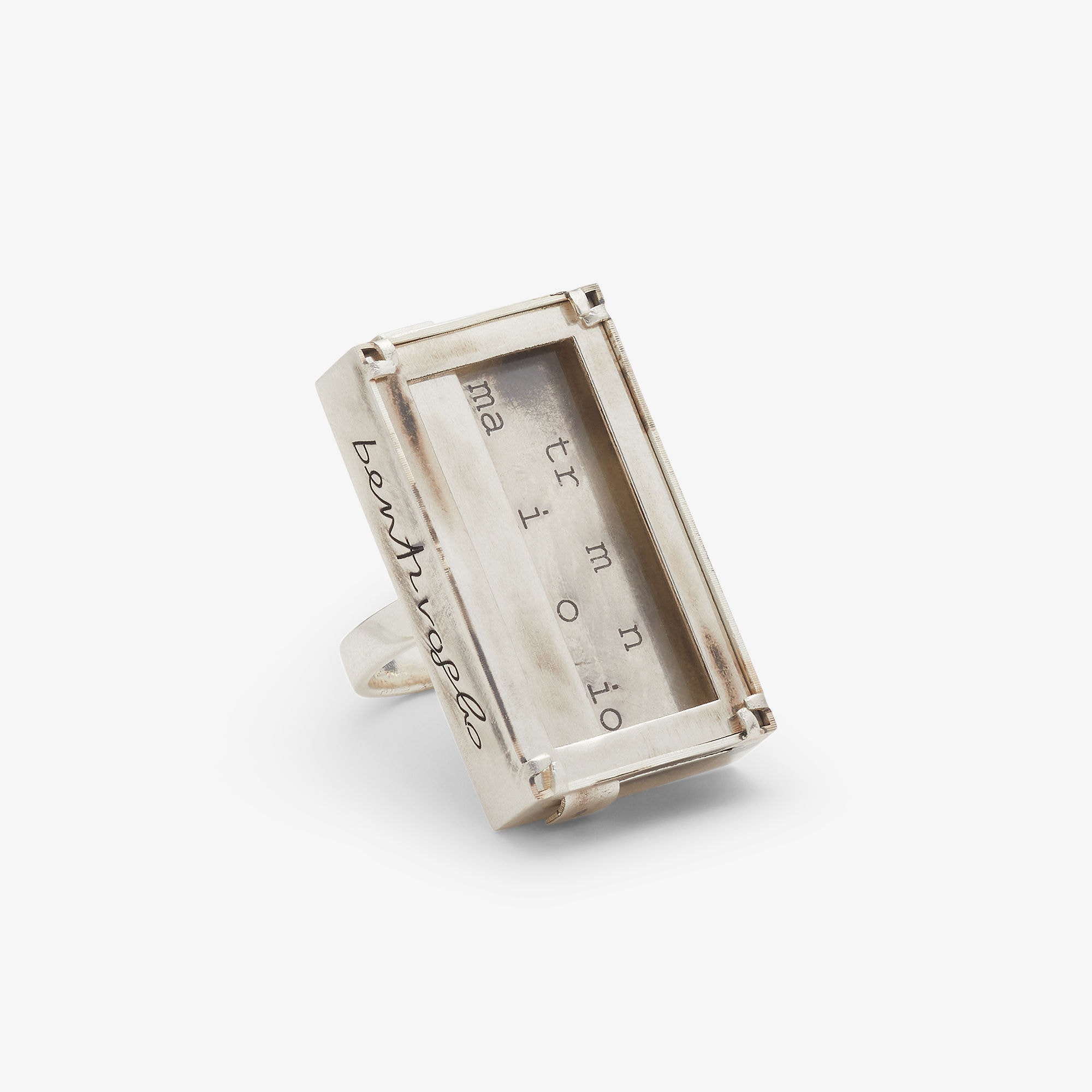
The current structure is this: Kim Jones handles women's ready-to-wear and couture. Silvia Venturini Fendi oversees accessories, menswear, and childrenswear. Delfina Delettrez Fendi, fourth generation, runs the jewellery line. The Via del Plebiscito workshop is now a boutique. The main atelier sits in the Palazzo della Civiltà Italiana, the square colosseum in EUR that Mussolini built and never finished. Fendi restored it, moved in, and turned it into the kind of headquarters that photographs well for Wallpaper magazine.
One suspects Adele would find the symbolism heavy-handed.
The Peekaboo Problem
In 2008, Silvia designed the Peekaboo. It is, on balance, a more interesting bag than the Baguette — a rigid frame, a twist-lock closure, an interior that reveals itself in flashes as the bag opens and closes. The name is literal. The construction is not simple. Each Peekaboo requires a full day of bench work, and the bag's structure means it cannot be easily scaled or cheapened. This is both a commercial liability and a point of pride.
The house now produces the Peekaboo in thirty-odd variations per season. Some work. Some feel like the design team was told to hit a quota. The original — plain calfskin, minimal hardware, the lock mechanism doing its job without theatre — remains the clearest argument for the bag's existence. When you see one carried by a woman in her fifties, structured and unadorned, you understand what Silvia was after. When you see one covered in floral appliqué and chain-link straps, you understand what the conglomerate was after.
These are not the same thing.
Fur, Reconsidered
Fendi stopped using animal fur in its collections as of 2023. The decision was framed as ethical evolution, though the economics were equally clear — fur had become a reputational cost that outweighed its revenue. The house now works with shearling, leather, and what the press materials call "eco-fur," which is to say acrylic pile fabric treated to mimic the weight and drape of mink.
The technical question is whether the atelier's skill set — the ability to splice, inlay, and weight a pelt so it moves like cloth — translates to synthetic materials. Early attempts suggest partial success. A faux-fur coat from the autumn 2023 collection, shown in Milan, had the right silhouette but none of the tactile depth that made Lagerfeld's nineteen-seventies work compelling. One can argue that this is a temporary gap, that the artisans will adapt. One can also argue that the gap is definitional, that what made Fendi's fur work cohere was the organic irregularity of the material itself.
The house has not yet settled that argument.
What Remains
Three things, arguably. First: a vocabulary of construction techniques — the way a handle is set into a bag's frame, the use of contrast stitching as a structural rather than decorative element — that other houses have borrowed but not surpassed. Second: a multi-generational continuity rare in fashion, where most family businesses either collapse or calcify by the third generation. Fendi is now on its fourth, and the women still argue in the atelier. Third: a willingness, not always honoured but never entirely abandoned, to treat luxury materials as problems to be solved rather than assets to be displayed.
Whether that is enough to carry a house through its second century is not yet clear. The Palazzo della Civiltà Italiana will still be standing. The question is whether the work inside it will justify the address.