## The Hands That Plait
The Hands That Plait
The workshop sits on the third floor of a nondescript building in Montebello Vicentino, twenty minutes outside Vicenza. No signage. The windows face a car park. Inside, Lucia Maran has been plaiting leather for thirty-one years.
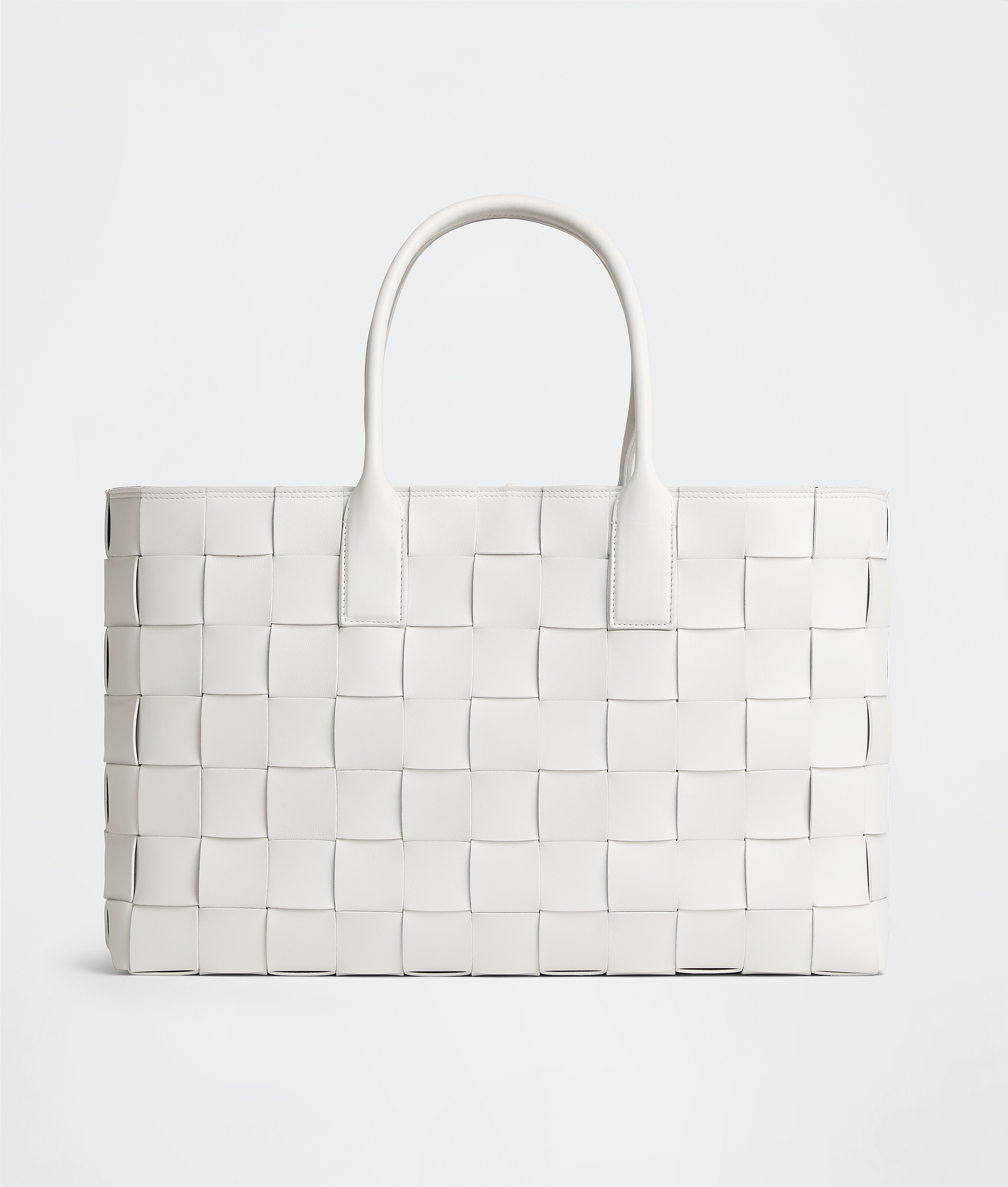
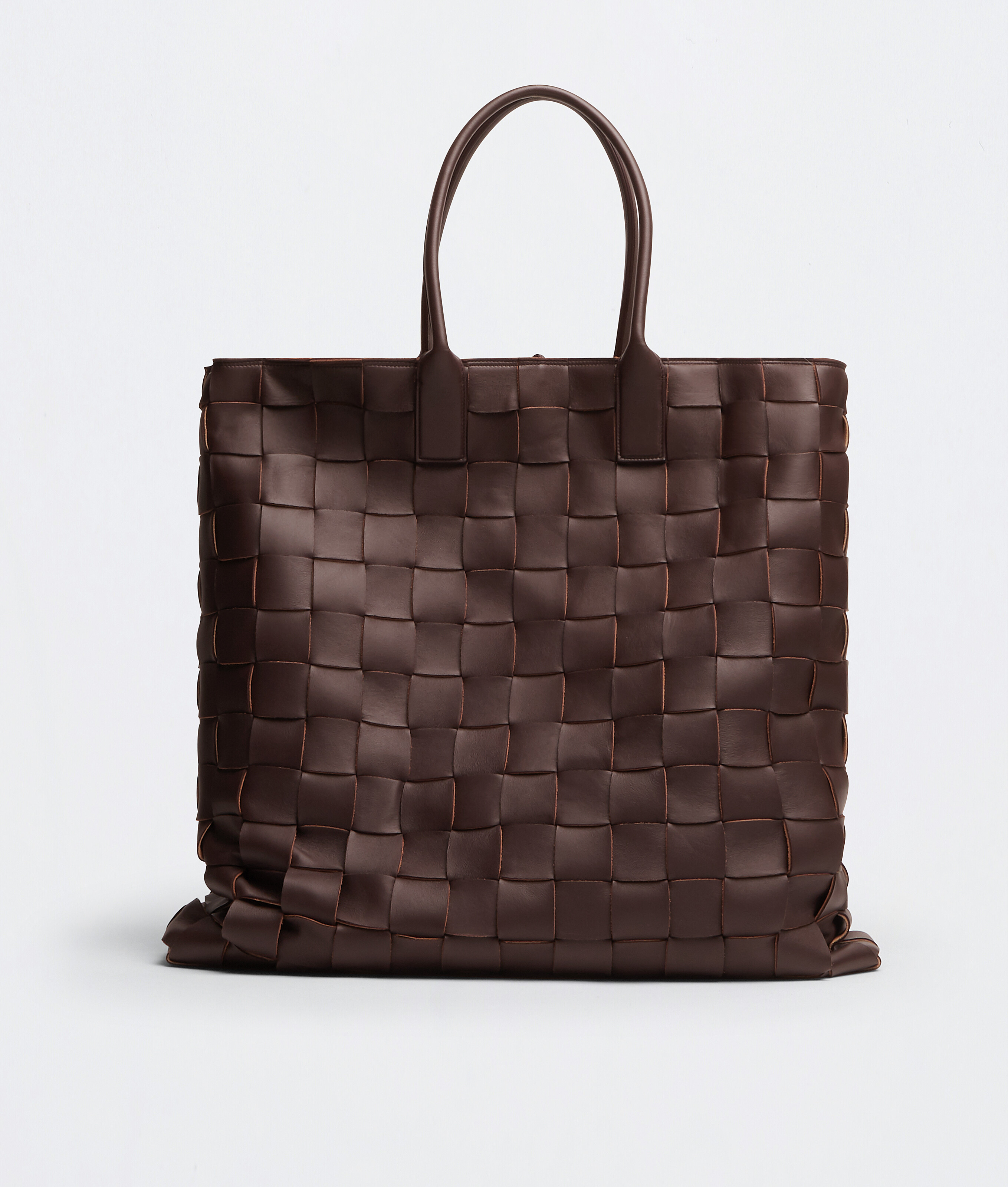
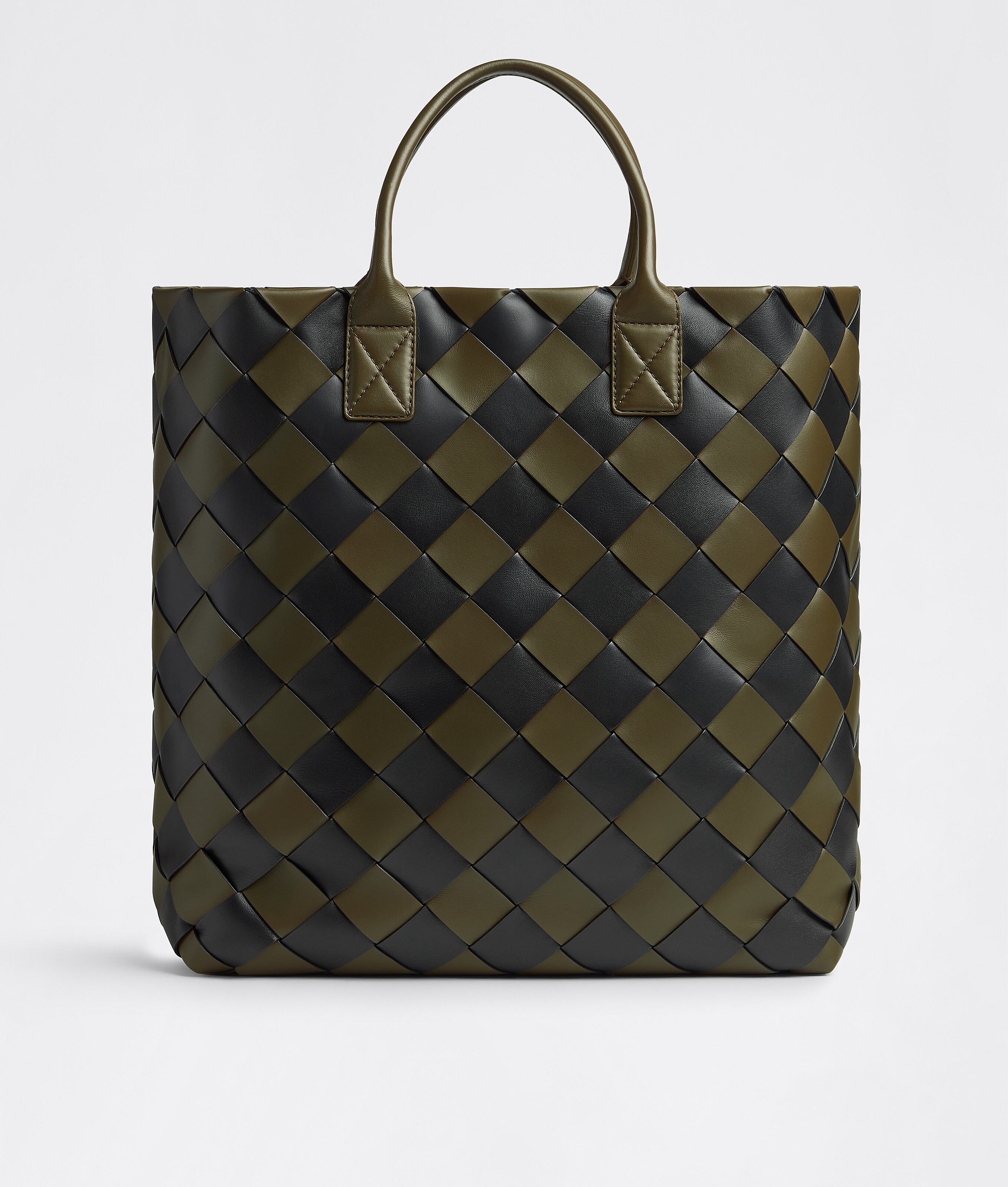
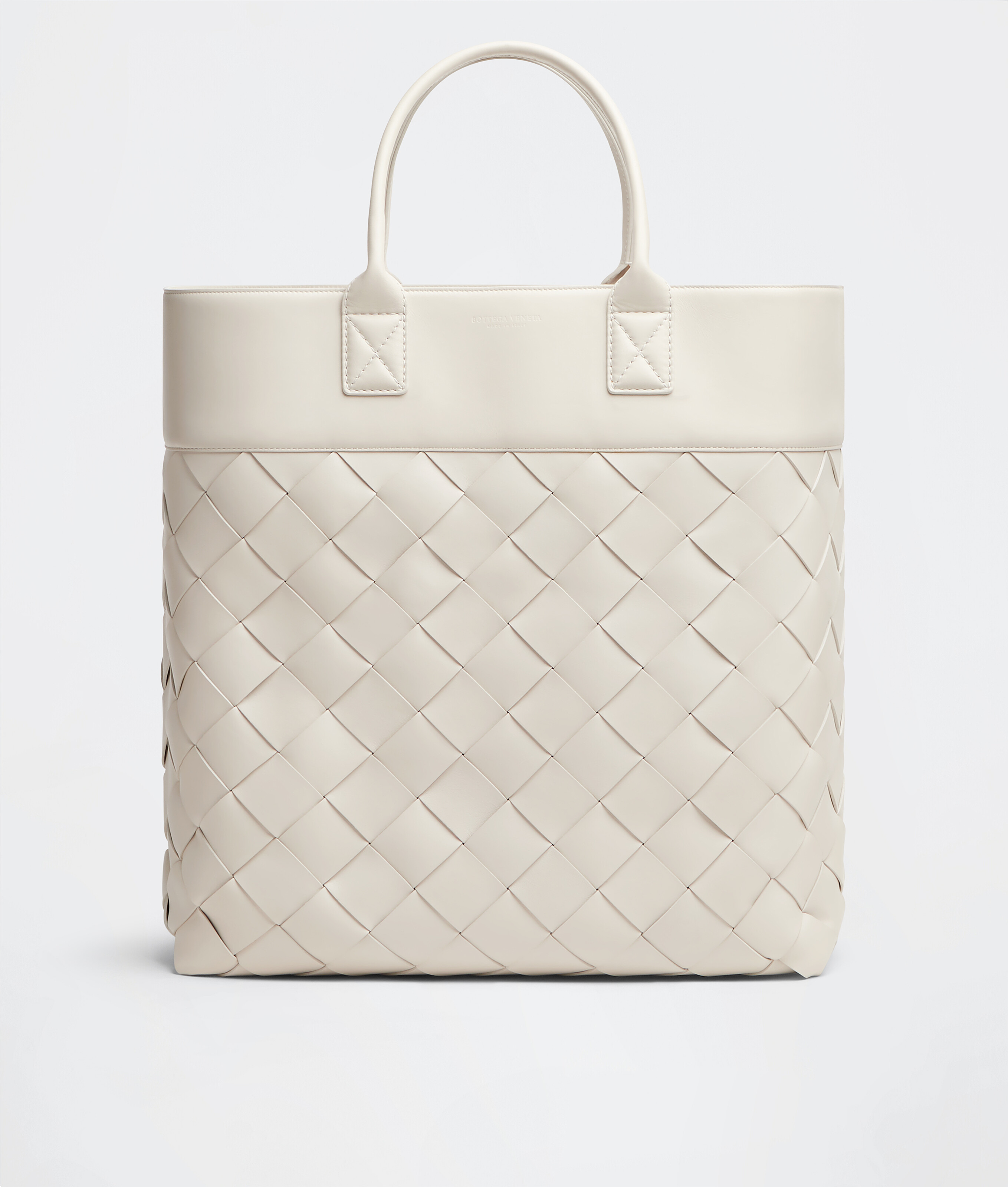
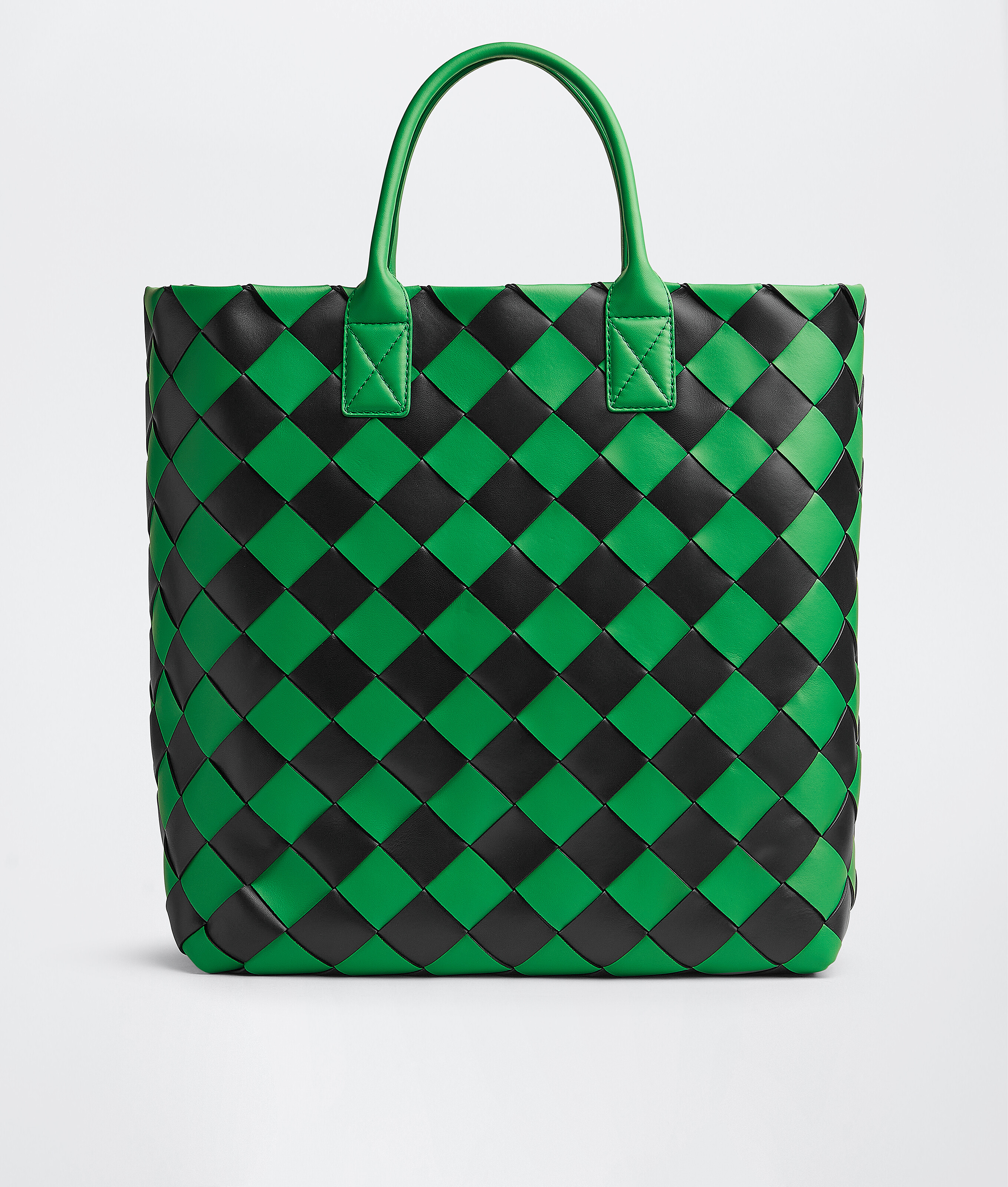
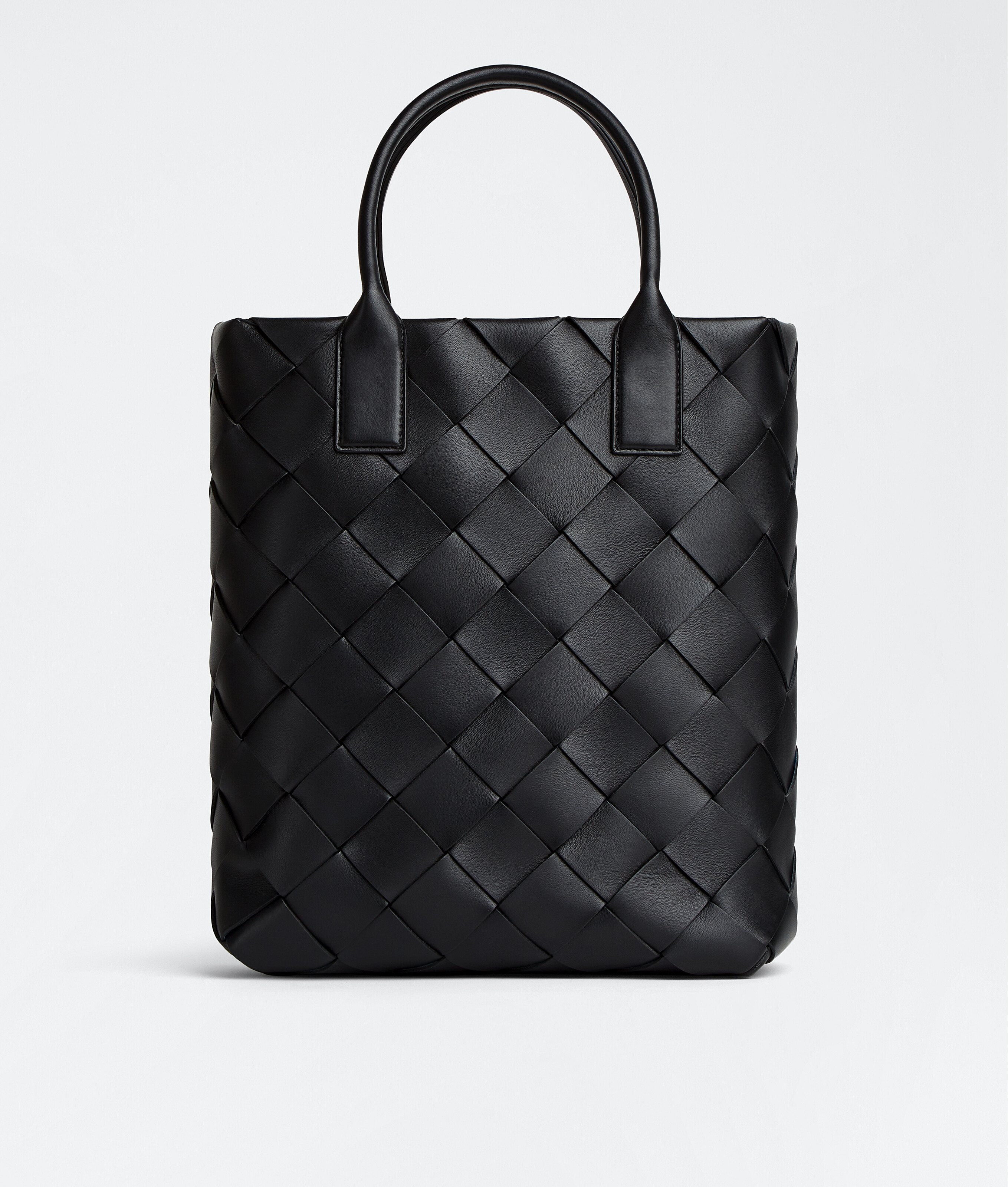
She does not work from a pattern. The intrecciato — Bottega Veneta's woven leather signature — exists in her hands before it exists anywhere else. Each strip is cut to 1.5cm, bevelled at the edge, and threaded over-under in a rhythm she no longer thinks about. A single Cassette bag requires four hundred and seventy-two individual crossings. She completes one every six hours.
Maran joined the atelier in 1993, when Bottega Veneta was still a Veneto secret and the intrecciato was something grandmothers recognised from their mothers' evening bags. She trained under Giannino Zennaro, who had trained under the house's founders in the seventies. Zennaro is retired now. Maran trains the next intake.
The maison does not advertise these names. You will not find Maran on Instagram. Bottega Veneta's creative directors — Tomas Maier, then Daniel Lee, now Matthieu Blazy — arrive, interpret, depart. The artisans remain.
This is deliberate. Bottega has never courted personality. Its founding principle, coined in the seventies, was quando la tua iniziale basta — when your own initials are enough. No logos. No monograms. The work speaks, or it does not.
But someone has to do the work.
The Atelier System
Bottega Veneta operates five ateliers across the Veneto. Montebello Vicentino handles leather goods. Dueville does ready-to-wear. A smaller site in Vicenza focuses on prototypes and special commissions. The total headcount is around 1,200. Most have been there longer than a decade.
Training takes three years. You do not touch a Cassette in year one. You learn to skive edges, match grain, and identify a dozen weights of nappa by feel. You plait sample strips until the tension is invisible. Then you plait them again.
Maran's first finished piece was a card holder. She remembers the model number — 113945 — and the fact that she plaited the front panel twice because the first attempt showed a quarter-millimetre gap at the third row. Her trainer binned it without comment.
"You learn not to guess," she said in a rare 2019 interview with Il Sole 24 Ore. "The leather tells you if it is right."
This is not romantic craft talk. Bottega's intrecciato relies on a specific give in the leather. Too stiff and the weave will not settle. Too soft and it collapses under its own weight. The artisan adjusts tension row by row, compensating for thickness, humidity, the stretch that comes two hours into a shift when your hands are warm.
There is no machine that can do this. Bottega has tried.
A Signature Piece, Deconstructed
The Cassette debuted in Daniel Lee's first collection for Bottega Veneta, spring 2019. It became the house's most recognisable shape since the Cabat tote — a padded, quilted shoulder bag with exaggerated intrecciato squares that read like upholstery.
Maran plaits the outer panels. Another artisan, Marco Stellin, handles the internal frame. A third, whose name the house declined to share, does final assembly.
Stellin has worked at Montebello for eighteen years. He came from a furniture workshop in Bassano del Grappa, where he learned to steam-bend wood and hand-stitch horsehair padding. Bottega recruited him for his understanding of structure, not leather.
The Cassette's internal frame is built from layers of vegetable-tanned cowhide, cut to template, glued, and left to cure for forty-eight hours. Stellin then sands the edges by hand to ensure the bag holds its shape under weight. A Cassette should not sag. The frame prevents it.
He works without music, without conversation. The workshop is not silent — you hear the slap of leather on cutting mats, the hiss of edge paint, the low hum of ventilation — but it is not social. The artisans sit four to a table. They do not look up.
"Speed comes from repetition," Stellin told Vogue Business in 2021. "But repetition does not mean you stop checking."
Every Cassette is inspected three times before it leaves Montebello. First by the artisan who plaited it. Then by a quality controller who checks stitch tension, edge finish, and alignment. Finally by a senior artisan who has worked at Bottega for a minimum of fifteen years. Rejection rate hovers around eight per cent. Rejected bags are disassembled. The leather is repurposed for samples or prototypes. Nothing is binned.
What the Maison Does Not Say
Bottega Veneta's marketing centres on anonymity. The advertising, especially under Lee and now Blazy, shows products in isolation — no models, no context, no aspirational lifestyle. Just a bag on a plinth.
This is easier to maintain when the people making the bag remain equally anonymous.
The house has never published a full roster of its artisans. It does not run behind-the-scenes content. When Matthieu Blazy took over as creative director in late 2021, he spent his first three months in Montebello, learning to plait. The maison mentioned this once, in passing, during a Business of Fashion interview. No photos. No documentary crew.
Compare this to Hermès, which names its saddlers and runs annual exhibitions of their work. Or to Chanel, which regularly profiles its petites mains in glossy featurettes. Bottega's silence is not modesty. It is brand strategy.
The risk, of course, is that silence becomes erasure. Maran, Stellin, and the others do not own equity. They are not credited in lookbooks. When a Cassette sells for £2,800, their names do not appear on the receipt.
They are paid well — Bottega's atelier wages are above Italian industry standard, and the house offers profit-sharing after five years — but compensation is not recognition.
The Next Intake
Bottega Veneta opened a training academy in Montebello in 2018. It runs two programmes: a three-year apprenticeship for school leavers, and a six-month intensive for mid-career artisans from other houses.
Maran teaches both. Her students are younger now — mid-twenties, often with design degrees, sometimes from outside Italy. They know Bottega from Instagram, not from their grandmothers.
"They arrive fast," she said. "They want to finish in four hours, not six."
She does not let them.
The academy's curriculum has not changed since Maran learned it in 1993. You still spend year one on card holders. You still plait sample strips until the tension is invisible. The only update is a module on sustainability — how to minimise waste, how to calculate yield from a hide, how to identify leather that can be composted versus leather that cannot.
Bottega Veneta is owned by Kering, which has committed to halving its environmental impact by 2030. The artisans are now responsible for logging waste, tracking offcuts, and ensuring that rejected bags are disassembled correctly for material recovery.
This is not what Maran trained for. But it is what she teaches.
Her current intake includes six apprentices. Four will finish the programme. Two will be offered permanent positions. One, maybe, will still be plaiting Cassettes in thirty years.
Maran does not speculate on who. "You see it in the hands," she said. "Or you do not."