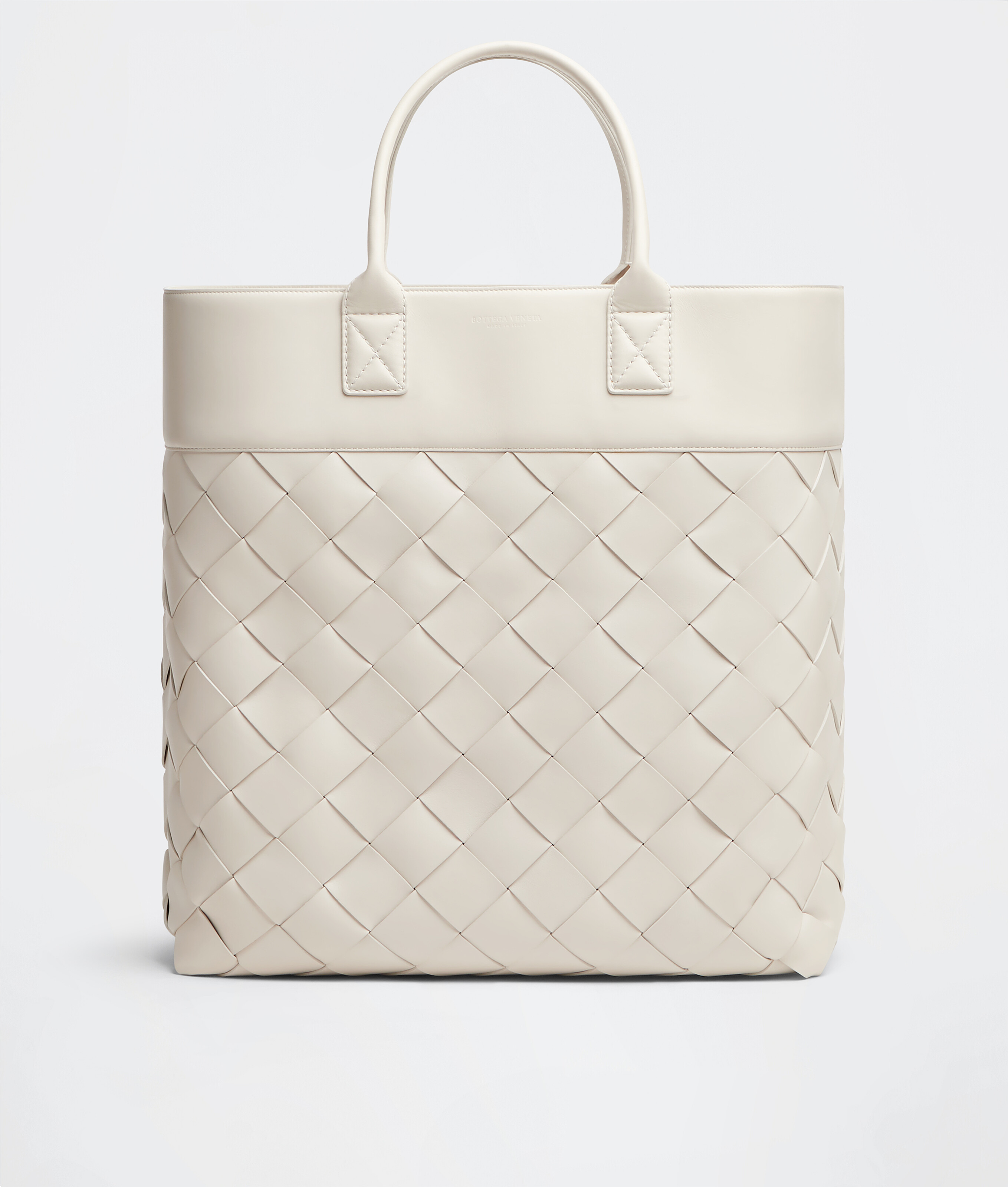
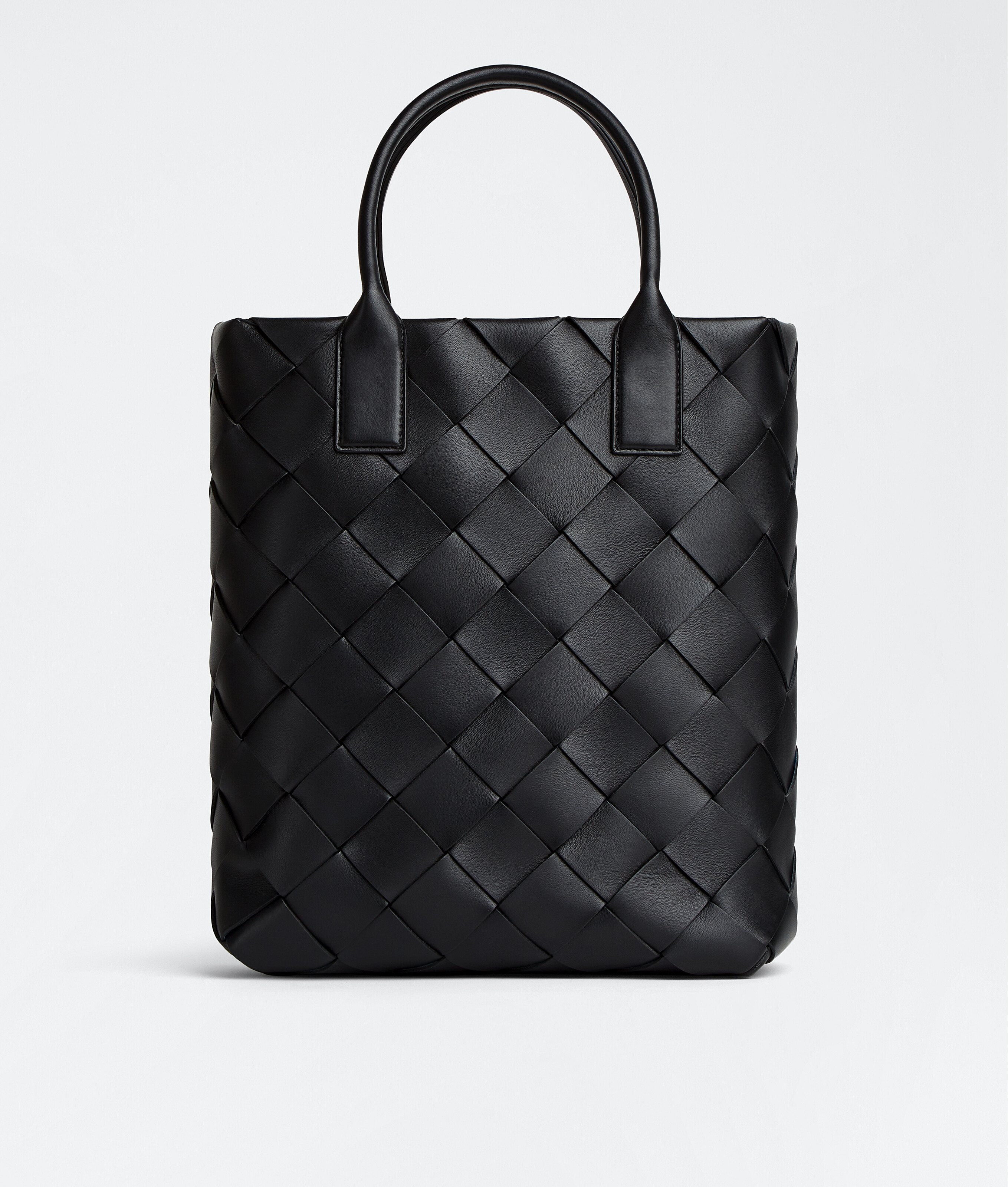
## The Women Who Made Bottega
The Women Who Made Bottega
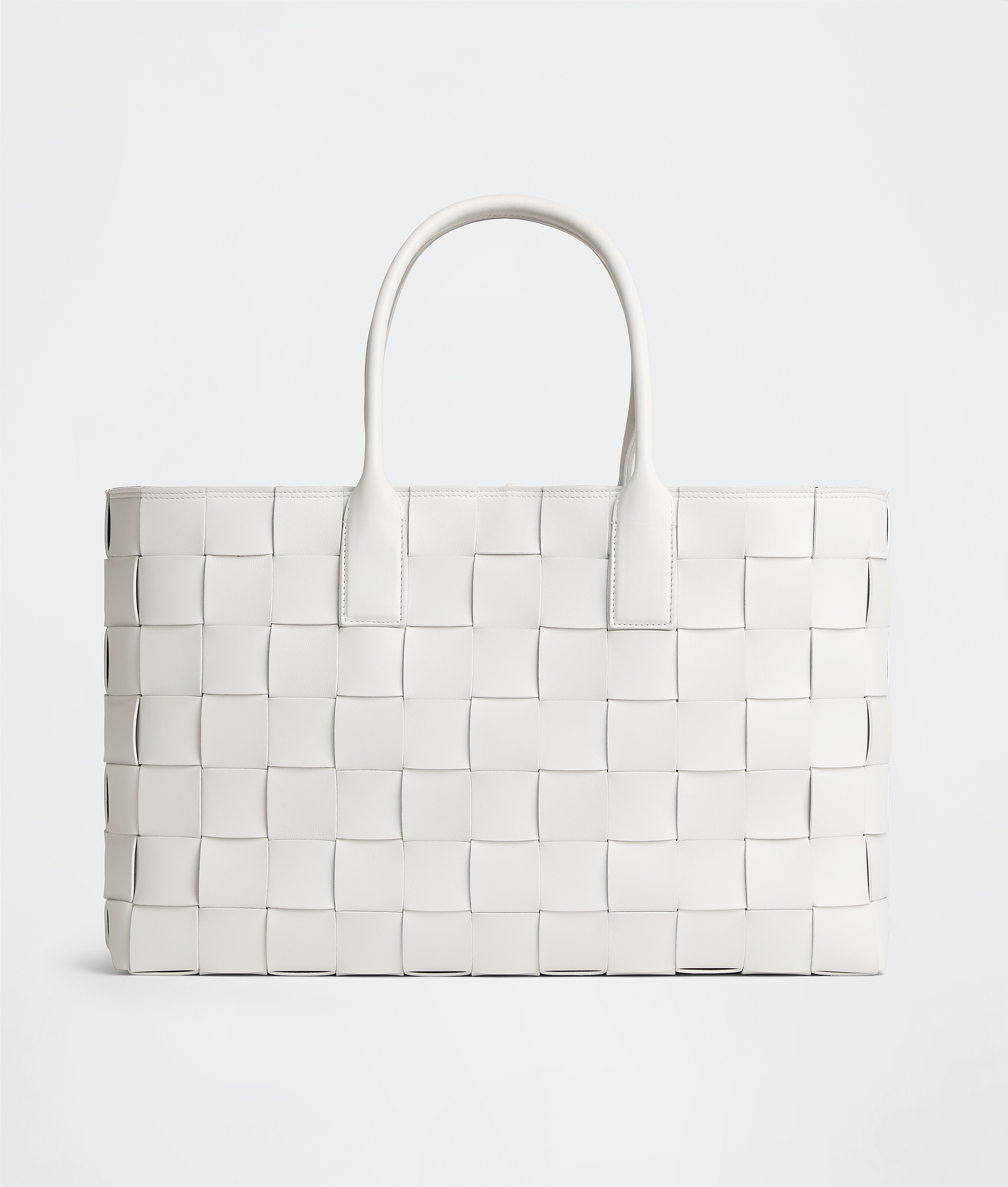
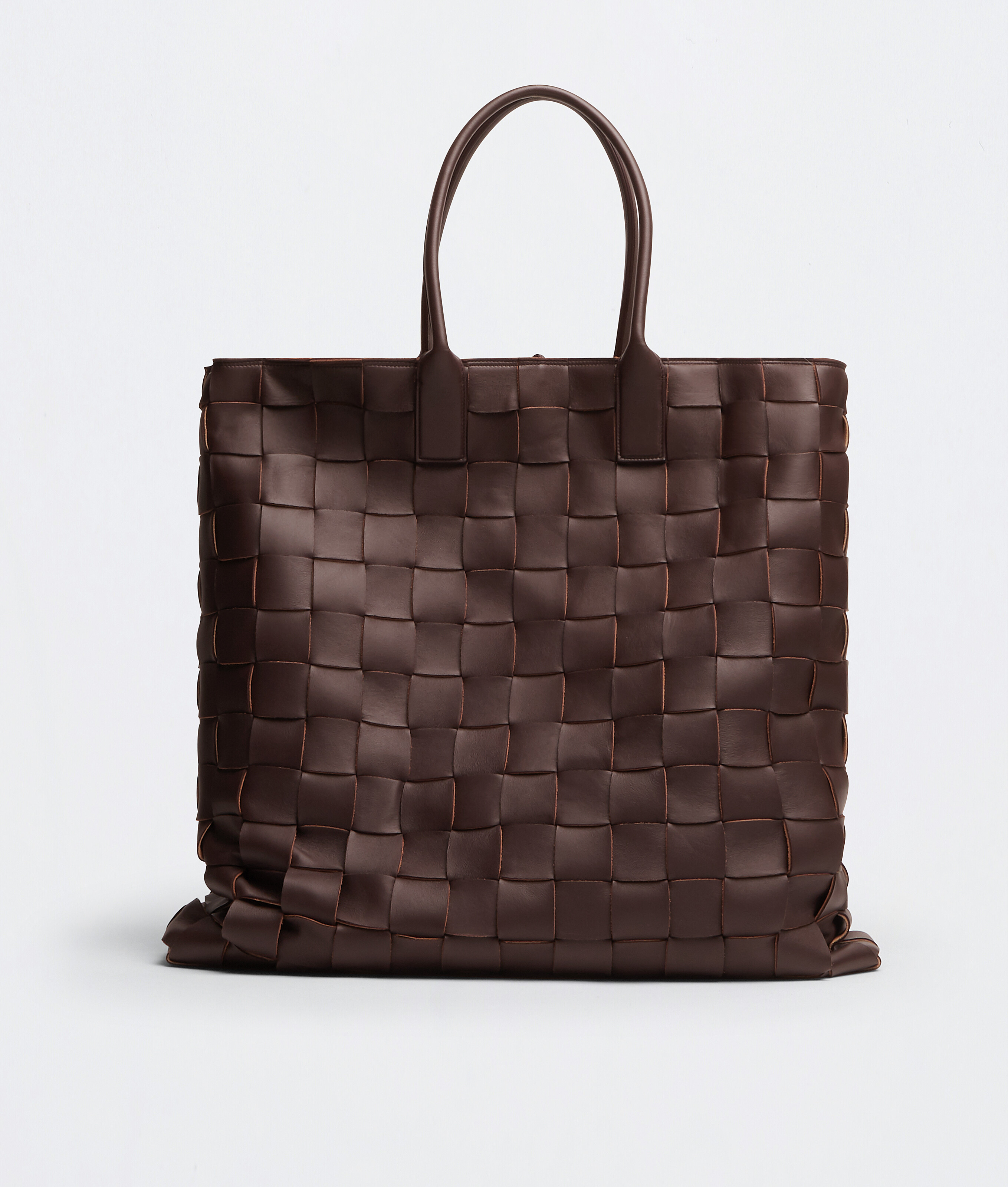
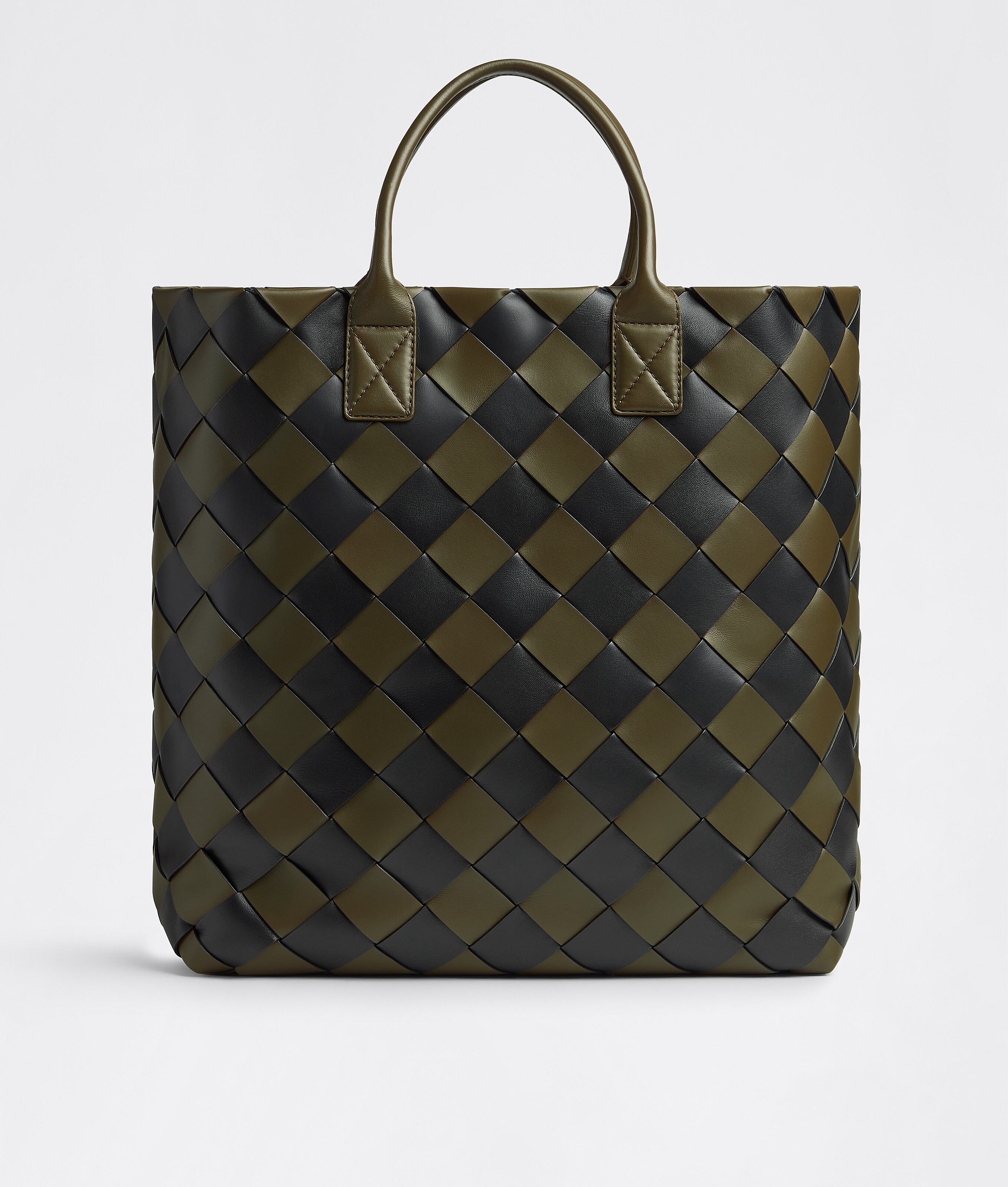
Lauren Hutton stood in a studio in Vicenza in 1980, watching a craftsman weave strips of leather through his fingers like ribbon. She was there to shoot a campaign, but the brief was loose. Bottega Veneta didn't advertise the way other houses did. There were no logos, no monograms, no hardware that announced itself across a room. Just the intrecciato, that woven leather technique the workshop had been refining since the sixties, and Hutton's face—sharp, American, entirely unbothered by the fact that no one outside northern Italy had heard of the brand.
The images ran in a handful of European magazines. Hutton carried a soft, slouched hobo in one frame, a structured tote in another. Her hair was pulled back. The bags did the talking. By the mid-eighties, Bottega Veneta had become the handbag you carried if you didn't need to prove anything. Hutton's presence—her refusal to perform luxury in the breathless, aspirational register of the time—set the tone. She wasn't selling a lifestyle. She was wearing a bag made by people who knew how to make bags.
That restraint became the house's calling card. But restraint, on its own, doesn't move product. It took another woman, two decades later, to prove that Bottega could be both quiet and unmissable.
The Architect
When Tomas Maier took over as creative director in 2001, the brand was in trouble. It had been acquired by Gucci Group, stripped for parts, and left with little more than the intrecciato and a reputation for expensive discretion. Maier's first collection was austere to the point of severity. Clean lines, muted tones, no embellishment. The press was polite. Sales were not.
Then, in 2005, he cast Tereza Maxová for the autumn campaign. Maxová was a working model, not a celebrity, and the images—shot by Nan Goldin—looked nothing like luxury advertising. She sat on a rumpled bed in a nondescript apartment, wearing a simple knit and holding a Veneta hobo. The bag was oxblood, soft as a glove, and it looked like something you'd had for years. Goldin's lens was intimate, almost uncomfortably so. Maxová wasn't aspirational. She was real.
The campaign didn't move handbags overnight, but it clarified what Bottega Veneta was becoming under Maier: a house that understood luxury as a private language, not a public performance. Maxová's presence—unglamorous, unvarnished—made that language legible. She wasn't there to seduce you. She was there to show you what the bag looked like when you actually lived with it.
Maier stayed for fourteen years. By the time he left, Bottega Veneta had become the thinking person's luxury brand, the one you bought when you were done with logos. Maxová's campaign became a reference point, cited in trend reports and creative briefs as proof that you could sell aspiration without spectacle. But the question, by 2018, was whether anyone still wanted that kind of restraint.
The Maximalist
Daniel Lee arrived at Bottega Veneta in the summer of 2018 and immediately started tearing things apart. He kept the intrecciato, but he stretched it, exaggerated it, turned it into sculpture. The Pouch—a clutch so soft it looked like a pillow—became the house's new signature within six months. It was everywhere. On Instagram, in street-style galleries, in the hands of women who would never have considered Bottega before Lee showed up.
And then there was Shu Pei Qin.
Qin had been modelling since her teens, a fixture of the Paris shows, but Lee cast her as the face of his first major campaign in 2019. The images, shot by Tyrone Lebon, were stark and strange. Qin wore a belted trench and square-toed boots, standing in a brutalist concrete landscape that looked like a car park in the former Soviet Union. The Pouch was there, but it wasn't the point. Qin was. Her face was impassive, almost severe. She looked like she was waiting for something, or deciding whether to leave.
The campaign was a provocation. Bottega had spent two decades cultivating an image of discreet, lived-in luxury. Lee's vision was louder, weirder, more confrontational. Qin embodied that shift. She wasn't warm. She wasn't selling you a fantasy of effortless elegance. She was wearing clothes that demanded attention, and she didn't care whether you liked them.
Lee's tenure lasted three years. He left in 2021, replaced by Matthieu Blazy, who has since pulled the house back toward craft, toward the atelier, toward the kind of quiet rigour that Maier championed. But the Pouch is still in production. The square-toed boots are still referenced in trend reports. And Qin's campaign remains the clearest articulation of what Bottega Veneta became under Lee: a house that could be both restrained and excessive, both discreet and impossible to ignore.
What They Built
Three women. Three decades. Three versions of the same idea: that luxury doesn't need to announce itself, but it does need to mean something.
Hutton established the grammar. She showed that you could build a brand around craft without spectacle, that the intrecciato was enough if the intrecciato was perfect. Maxová proved that you could sell that grammar to a new generation, that intimacy and aspiration weren't mutually exclusive. Qin broke the grammar open, turned it inside out, and showed that Bottega could be strange and sculptural and still unmistakably itself.
None of them were muses in the traditional sense. They weren't there to embody a designer's fantasy or validate a creative vision. They were there to show what the clothes looked like on a body, in a room, in a life. That's harder than it sounds. Most luxury campaigns are about desire, about the gap between what you have and what you want. Bottega's best work has always been about recognition, about seeing something you didn't know you needed until it was in front of you.
Blazy's Bottega is quieter than Lee's, more rooted in the atelier. The campaigns are still strange—models in empty fields, in half-lit studios—but the focus has shifted back to the garments, to the way a sleeve is set or a hem is weighted. It's too early to say who the face of this era will be, or whether Blazy even wants one. But the template is there. Three women who didn't perform luxury, who didn't sell fantasy, who just stood still and let the work speak.
That's the inheritance. Not the intrecciato, not the Pouch, not the square-toed boots. The idea that you can build a house around restraint, and that restraint, done right, is the loudest thing in the room.