## The Women Who Made Bottega Veneta Matter
The Women Who Made Bottega Veneta Matter
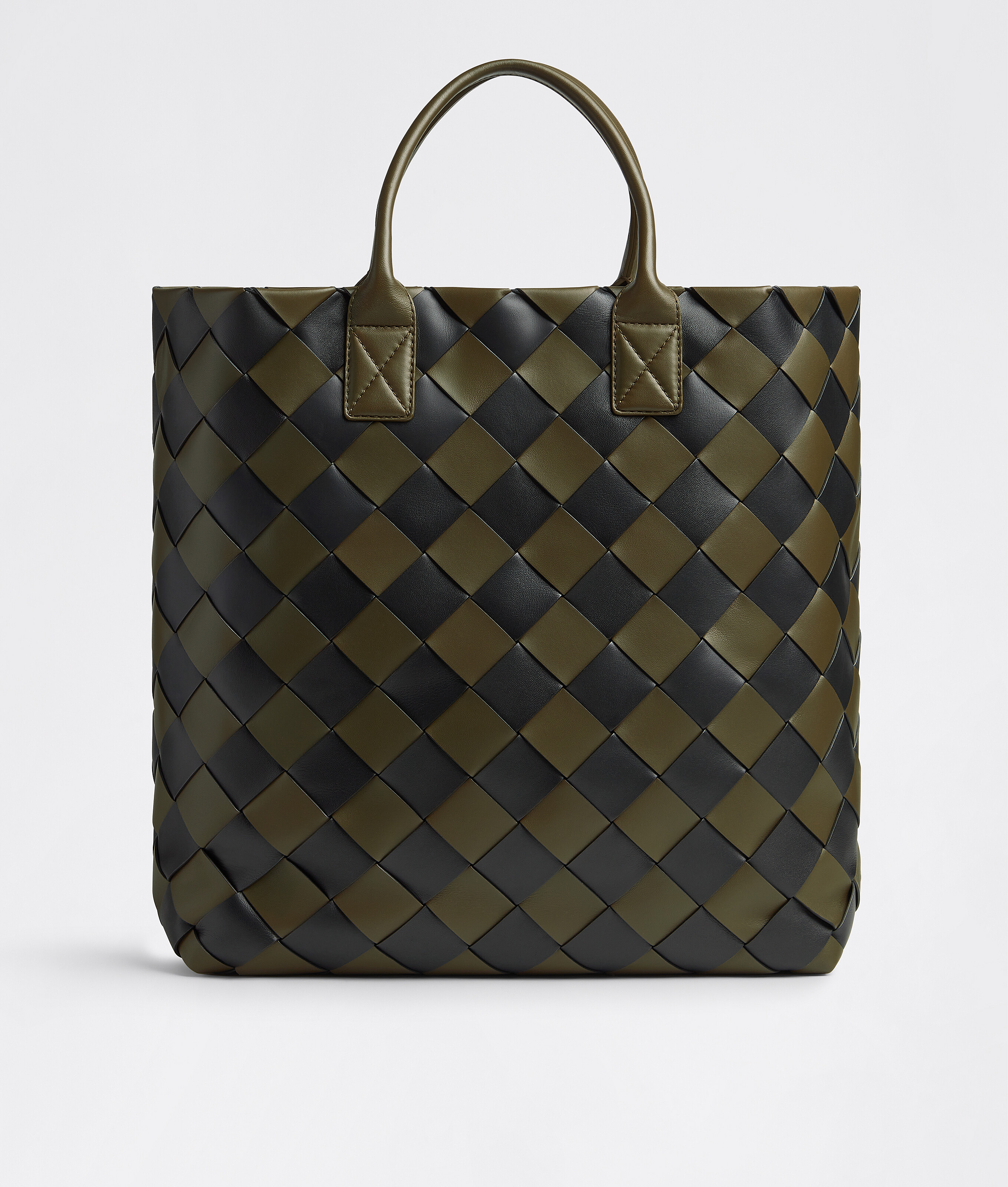
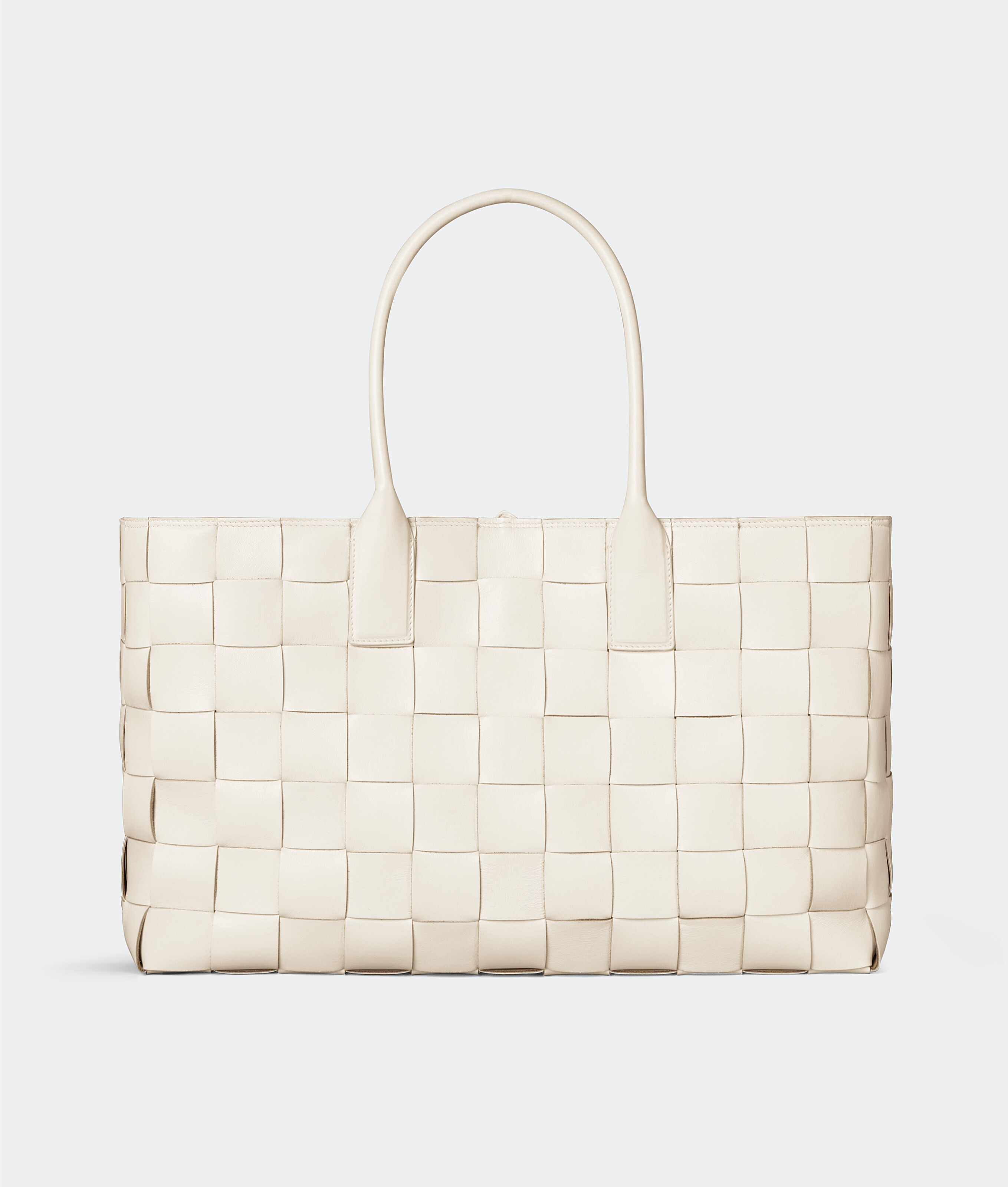
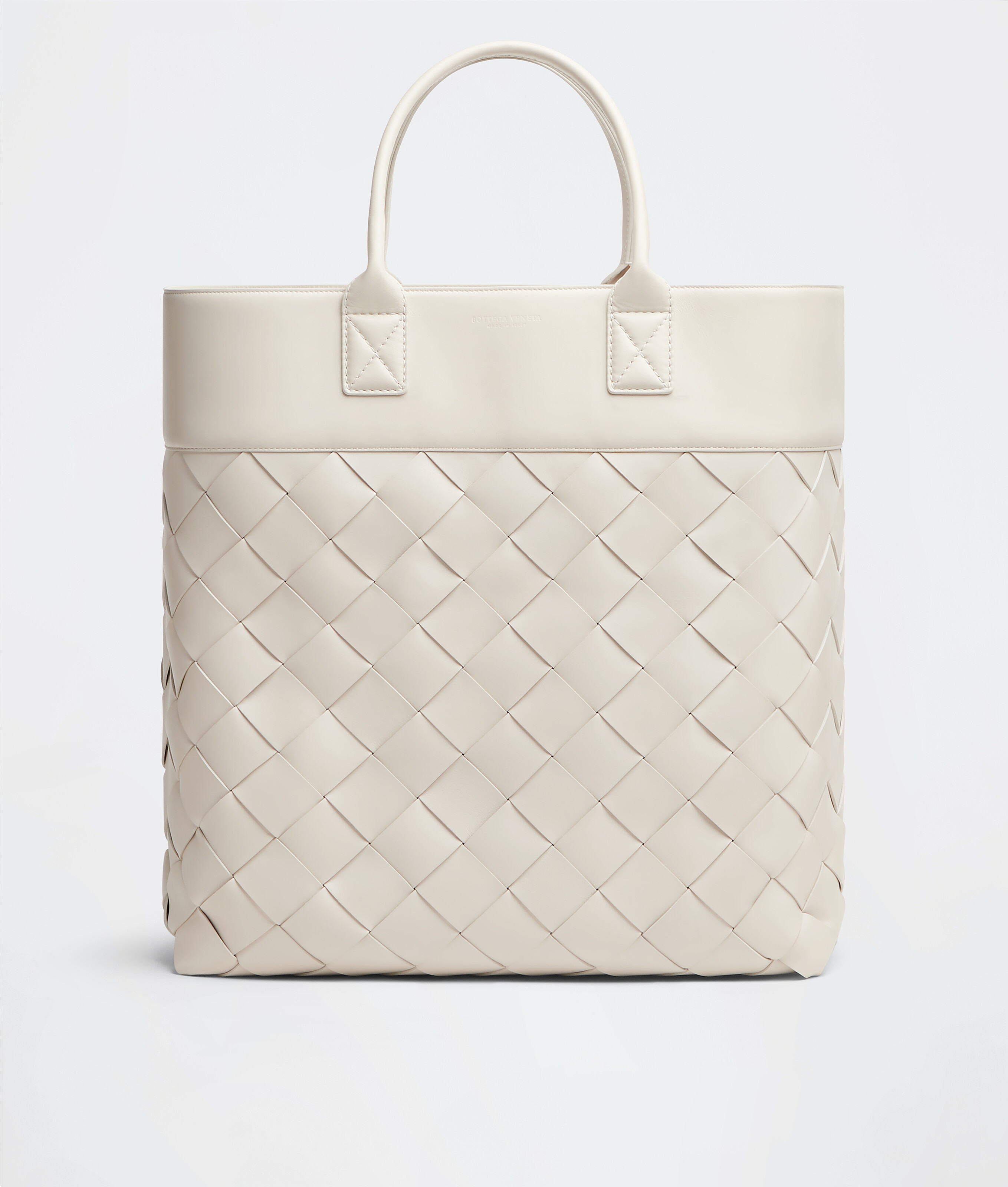
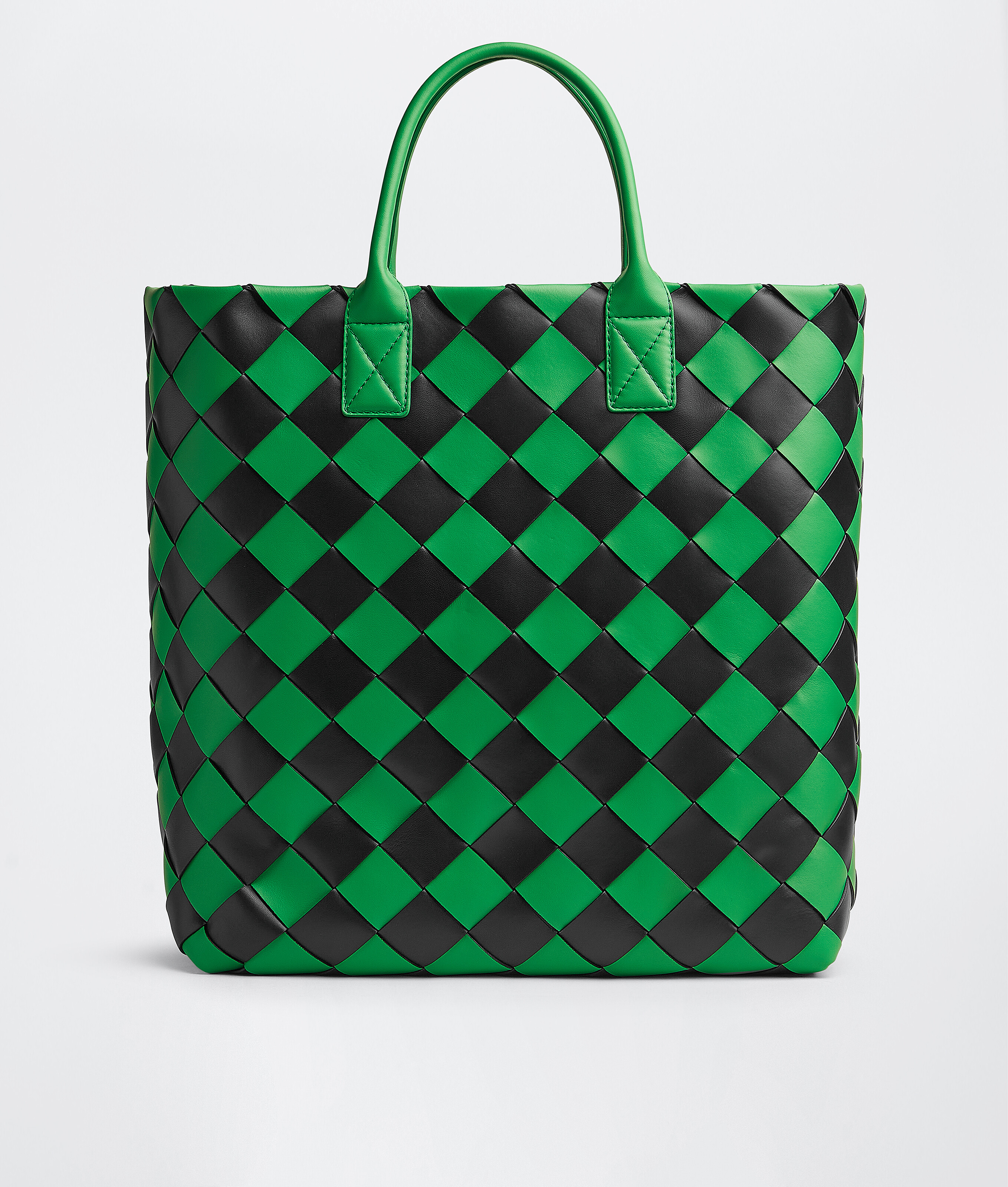
Lauren Hutton walked into the Bottega Veneta showroom in Milan in 1980 wearing a pair of jeans and a cashmere sweater she'd owned for eight years. She left with a woven leather bag the colour of burnt sienna and no plans to tell anyone where it came from. That was the point. Bottega had built its reputation on discretion—intrecciato weave so tight it required no logo, no hardware, no signalling. Hutton carried that bag until the handles wore through. By then, it had already become the template.
The house has always needed women like that. Not ambassadors in the contemporary sense, but figures who understood that luxury is a private language. Three in particular—Hutton, Tomas Maier's longtime collaborator and muse, and more recently, the actress and creative force who helped redefine the house under Daniel Lee—shaped what Bottega Veneta means when it refuses to shout.
Lauren Hutton and the First Refusal
Hutton was already forty-six when she became the face of Bottega's first major advertising campaign in 1980. She had spent the previous decade as one of the highest-paid models in the world, but she was also famously difficult to dress. She hated fuss. She hated anything that required explanation. The gap between her front teeth, which agencies had tried for years to fix, became her signature because she refused to close it.
Bottega's creative director at the time, Laura Moltedo, understood that. The campaign she built around Hutton wasn't about aspiration in the traditional sense. It was about women who had already arrived and no longer needed to prove it. Hutton appeared in black-and-white photographs, often in motion, the bag slung over her shoulder like an afterthought. The tagline, when it appeared at all, was minimal. The work did the talking.
What Hutton gave Bottega was permission to be quiet. The house had been making leather goods since 1966, but it was still a Veneto artisan brand with limited reach beyond northern Italy. Hutton's endorsement—unsolicited, unforced—made discretion desirable. The intrecciato weave, which had been developed as a way to reinforce soft leather without stitching, became a code. If you knew, you knew.
She carried the same bag for years. When it finally fell apart, she had it repaired twice before accepting a replacement. That kind of loyalty isn't something a marketing department can manufacture.
The Maier Years and the Woman Who Stayed
Tomas Maier arrived at Bottega Veneta in 2001, and he brought with him a vision that was both a return and a departure. The house had spent the nineties adrift, sold and resold, its identity diluted by licensing deals and a push toward logo-heavy accessories. Maier stripped all of that away. He brought back the intrecciato, refined the colour palette, and insisted on a level of craft that made most of the industry look sloppy by comparison.
He also brought a muse, though her name was rarely published. She appeared in lookbooks, in campaign imagery, and occasionally in the showroom during fittings. She was not a professional model. She was a friend, a longtime collaborator, someone who understood the kind of woman Maier was designing for: intellectual, unshowy, more interested in a perfect shoulder line than in being photographed.
Maier's Bottega was built for her. The clothes were cut with a precision that required no embellishment. A sleeveless dress in double-face cashmere. A coat in bonded nappa that moved like fabric but held its shape like armour. Trousers with a clean front and a waistband that sat exactly where it should. The work was so specific that it almost disappeared. You noticed the woman, not the garment.
She wore the same things season after season. Maier would adjust the cut slightly—a sleeve shortened by half an inch, a hem dropped to change the fall—but the vocabulary remained consistent. That consistency became Bottega's greatest asset. While other houses chased trends, Maier refined a single idea until it was undeniable.
He stayed for seventeen years. She stayed longer.
The Lee Era and the Actress Who Understood the Game
When Daniel Lee took over in 2018, he inherited a house that was beloved but quiet to the point of irrelevance. Maier's Bottega had been critically respected, commercially successful, but it didn't generate heat. Lee's first collection changed that. He kept the craft, the intrecciato, the refusal to logo, but he added volume, colour, and a kind of sculptural confidence that felt both new and entirely consistent with the house's history.
He also found his muse almost immediately. She was an actress, but not the kind who appeared on every red carpet. She had built her career on difficult roles, on characters who didn't explain themselves. She wore Lee's padded Cassette bag before it became ubiquitous, and she wore it the way Hutton had worn her woven tote forty years earlier—as if she'd owned it forever.
Lee's vision for Bottega was more assertive than Maier's, but it required the same kind of woman. Someone who could carry a coat with shoulders so broad they changed her silhouette, or a pair of square-toed boots that looked absurd on the hanger but perfect in motion. She understood that Lee's work was about presence, not decoration.
The actress appeared in campaigns, but sparingly. Lee was careful not to overexpose her, not to let her become the story. She was a reference point, not a spokesperson. When she wore a floor-length leather trench to a film premiere in 2019, the photographs circulated for weeks. Bottega didn't comment. They didn't need to.
Lee left in 2021, but the language he established remains. The house is quieter now under Matthieu Blazy, more focused on cloth and construction than on statement pieces. But the principle holds. Bottega Veneta still needs women who don't need Bottega Veneta. Women who wear the work because it makes sense, not because it makes noise.
Hutton is eighty now. She still doesn't wear logos.