## Alexander McQueen at Work, Without Overdoing It
Alexander McQueen at Work, Without Overdoing It
The friction with wearing McQueen to the office isn't that it's too much. It's that most people think it is, and then they don't wear it at all. The house built its name on drama — the bumster, the Armadillo boot, collections that felt like they were arguing with something. But Sarah Burton spent thirteen years smoothing that inheritance into something you could actually live in, and Seán McGirr's first collections have kept that line open. The tailoring is sharp without being rigid. The silhouettes have presence without requiring an audience. You can wear it to a Tuesday budget meeting and not feel like you're performing.
The trick is knowing which pieces do the work and which ones ask too much of a regular day. A skull-print blouse under a navy blazer is a tell, not a statement. A single-breasted jacket with a nipped waist and clean shoulders is a statement that doesn't need to announce itself. The difference matters.
The Jacket That Isn't Trying
Start with the tailoring, because that's where McQueen earns its keep. The house does a single-breasted jacket — usually wool or a wool-mohair blend — cut close through the body but not restrictive. The shoulders sit naturally. The sleeves are long enough that they break just past the wrist bone when your arms hang. The back has a single vent. It's a conservative shape until you put it on, and then the waist suppression does what it's supposed to: it gives you a line.
This isn't the same as an oversized blazer that you belt or pin. It's not a boyfriend cut. It's tailored in the European sense, which means it assumes your body has a shape and works with it instead of around it. You can wear this over a T-shirt or a fine-knit sweater. You can wear it with trousers or a pencil skirt. It doesn't care. The jacket is doing enough on its own.
The fabric matters. A mid-weight wool in charcoal or navy will carry you from September through April. A summer-weight wool-silk in pale grey or camel works for the rest. McQueen doesn't do flimsy. Even the lighter cloths have body.
The Trouser You Can Sit In
McQueen's trousers tend to sit high — just at or slightly above the natural waist — and break cleanly over the shoe. They're cut straight or very slightly tapered, never wide. The house isn't interested in volume for its own sake. The fit is about proportion, and the proportion assumes you're wearing a heel, even if it's a low one.
Look for a flat-front style in wool gabardine or a fine herringbone. The waistband should be structured enough that it doesn't collapse when you sit. There should be belt loops, but you don't need to use them. A side zip keeps the front clean.
These trousers work because they don't ask anything of the rest of the outfit. You can wear them with a tucked shirt, a cropped knit, a silk camisole under the jacket. They reset the baseline so that everything else can be quieter.
The Shirt That Isn't a Blouse
McQueen does a button-front shirt in cotton poplin or silk crepe that reads as formal enough for a meeting and easy enough for a working lunch. It's cut close but not tight. The collar is a spread, not a point. The cuffs are barrel, not French. There's no ruffle, no pussy bow, no extraneous detail. If there's a print, it's small-scale and tonal — a micro-check, a shadow stripe.
This is the shirt you wear when you don't want to think about what you're wearing. It works under the jacket. It works on its own with the trousers rolled once at the ankle. It works half-tucked if you're the kind of person who can pull that off without looking like you got dressed in the car.
The silk version is worth it if you run warm or if you're wearing this in summer. It doesn't cling. It doesn't wrinkle the way people think silk wrinkles. You can pack it.
The Knit That Holds Its Shape
A fine-gauge crewneck in merino or cashmere, fitted but not tight, with a hemline that hits just past the hip bone. McQueen's knitwear has structure. It doesn't puddle. It doesn't pill after two wears. The house uses a tighter knit than most, which means the sweater keeps its shape through the day.
This works under the jacket when the office air is set to arctic. It works on its own when you're in back-to-back calls and don't need to be seen from the waist down. The neckline sits flat, so it doesn't compete with a collar if you layer it over the shirt.
Stick to navy, charcoal, camel, or black. A stripe if it's narrow and the contrast is low. This isn't the piece that carries visual interest. It's the piece that lets everything else settle.
What Not to Do
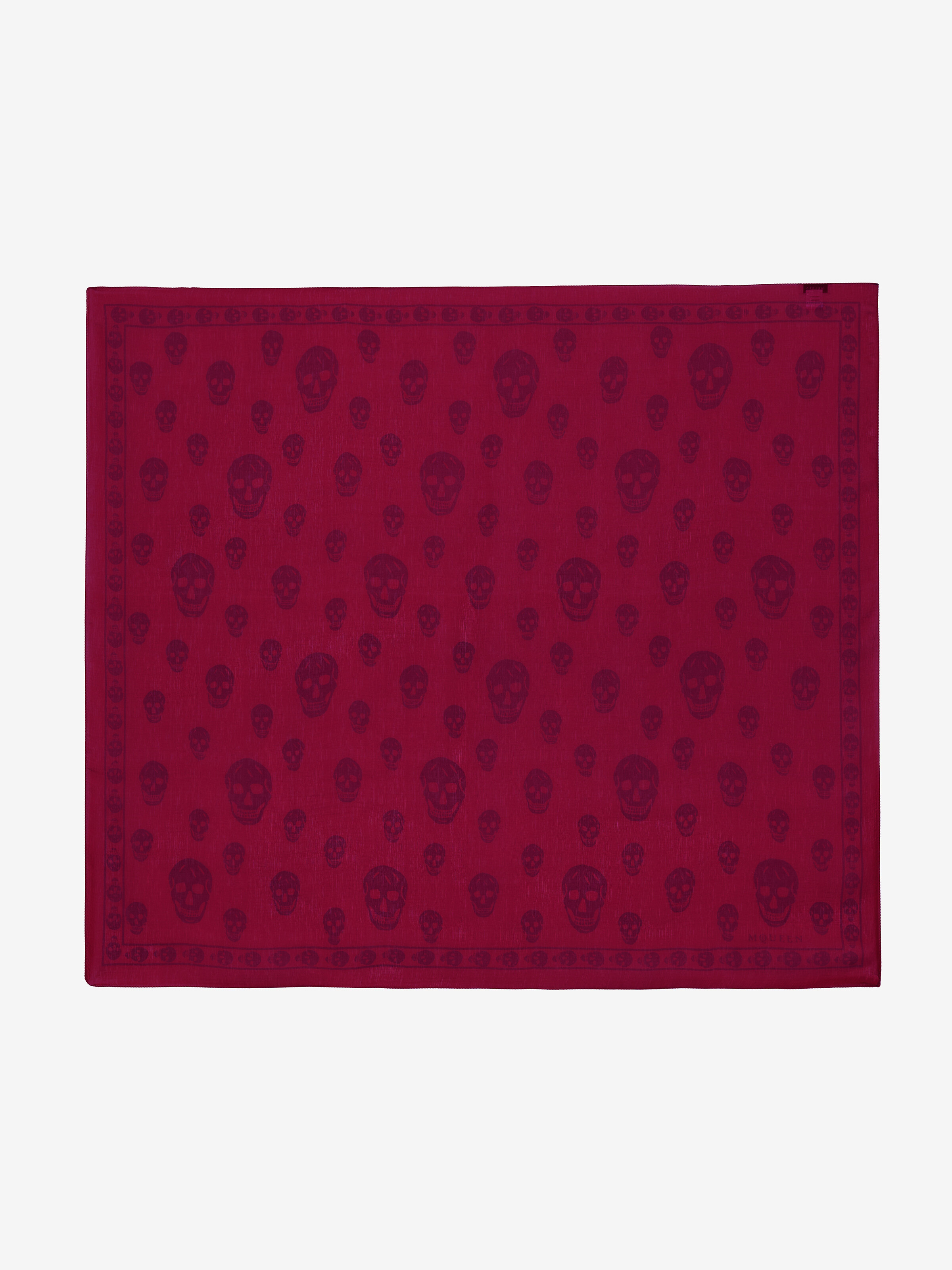
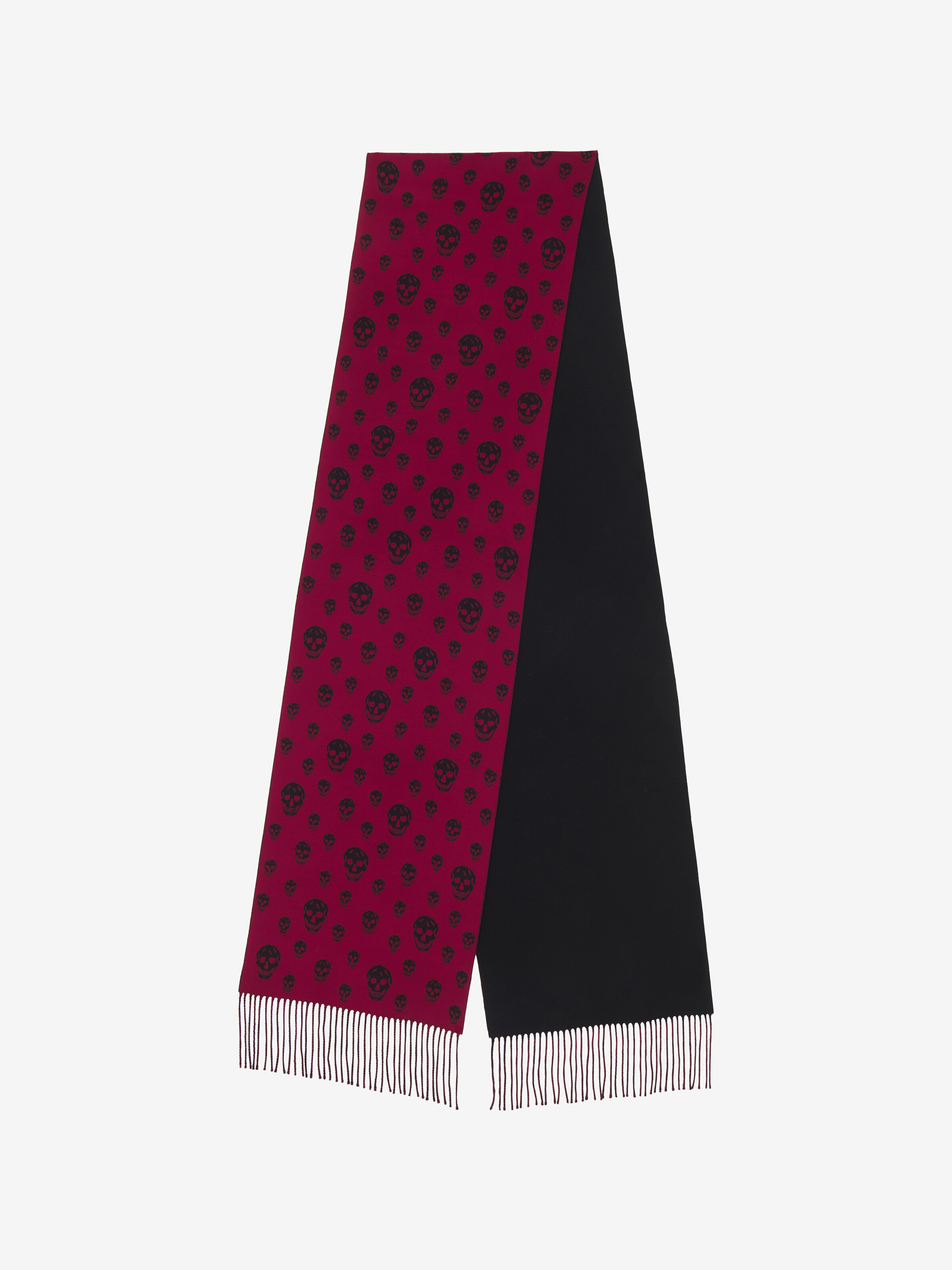
Don't wear the embroidered pieces to the office unless you work somewhere that considers embroidery neutral. Don't wear the Curve bag — it's too specific. Don't wear the Tread boots unless you're prepared for them to be the only thing people remember about the meeting. Don't mix more than one signature piece in a single outfit. The skull scarf and the knuckle ring and the logo belt all at once isn't a look; it's a costume.
And don't assume McQueen is too much because the runway was too much. The runway is supposed to be too much. Your desk is not.