## The Coat Problem
The Coat Problem
A winter evening requires warmth. It also requires a coat check, or at least the willingness to drape something over the back of a chair. This is the friction: you arrive padded, you stay sleek, and the garment that got you there becomes a liability. Fendi solves this by building warmth into pieces that hold their form when removed. The coat is not a shell you shed to reveal the real outfit. It is the first layer of the outfit, designed to be seen both on arrival and in absence.
The work is in the construction. Fendi's tailoring allows for insulation without bulk. Cashmere is dense enough to trap heat in a single layer. Shearling is shaved and backed with suede thin enough to move like fabric. The silhouette is controlled, never loose enough to read as outerwear once you are inside.
The Coat Itself
Start with the shearling car coat in tobacco. Fendi showed this in pre-fall, cut short enough to end at the hip. The shearling is reversed — suede on the outside, fleece against the body. This keeps the visual weight low. The coat fastens with a single hook at the collar, which means it can be worn open over knitwear without looking unfinished. The shoulders are set narrow, closer to a jacket than a topcoat, and the sleeve is slim enough that it does not bunch when you push it to the elbow.
This is warm enough for February in New York or Milan. It is not warm enough for Montreal, but Montreal is a different article. The length matters. A car coat does not puddle on a chair. It folds once and stays flat. When you stand to leave, you lift it without ceremony. The tobacco reads as neutral in low restaurant light, which means it does not announce itself the way black shearling does.
The Knit
Underneath, a high-neck cashmere in charcoal. Fendi's knitwear is not precious. The gauge is tight, almost jersey-weight, which means it sits close to the body without clinging. The neck is tall enough to show above the coat's collar when fastened, but it does not fold or bunch. This is twelve-gauge cashmere, dense enough to hold warmth and structured enough to look deliberate, not soft.
The charcoal does two things. It holds the line between the tobacco coat and whatever you wear below the waist, and it does not compete with jewellery or a watch if you wear either. Fendi cuts this pullover slightly long, which means it covers the waistband of trousers without needing to be tucked. The sleeve ends at the wrist bone. When you remove the coat, the knit is the silhouette.
The Trouser
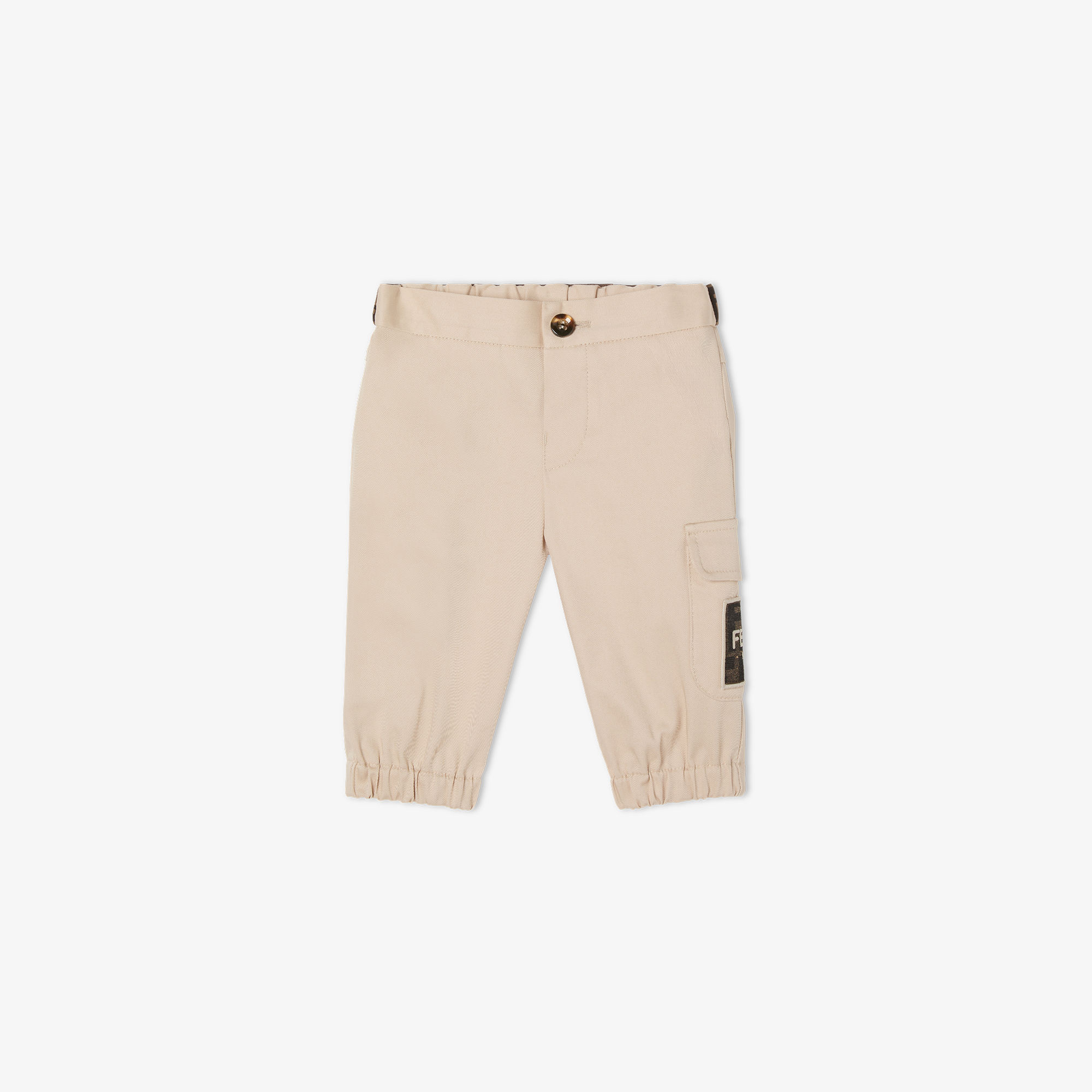
Fendi's wool cavalry twill in navy, cut with a flat front and a mid-rise. The fabric is the point here. Cavalry twill has a diagonal weave that resists creasing and holds a pressed edge longer than gabardine. The weight is substantial — fourteen ounces — which means the trouser has presence without requiring a break at the hem. Fendi tapers the leg from knee to ankle, stopping just before it reads as slim. The hem should hit the top of the shoe, no break.
Navy works because it is not black. Black trousers and a charcoal knit flatten into a single dark mass under low light. Navy separates, especially against the tobacco coat. The waistband is finished with a grosgrain facing, which is a detail no one sees but you feel when you sit. This is a trouser that does not need a belt, though Fendi's woven leather belt in dark brown is there if you want the break at the waist.
The Boot
The shearling-lined Chelsea in black calfskin. Fendi makes this boot with a rubber sole, which matters more in winter than any other season. The elastic gusset is set tight, so the boot does not gape when you cross your legs. The shearling lining is shaved thin at the ankle and denser at the foot, which keeps the opening narrow while insulating where you need it.
The Chelsea is not a statement boot. It is a boot that disappears below the hem of the trouser and reappears when you sit. The calfskin takes polish, which means it reads as formal enough for a restaurant with a wine list, but the rubber sole keeps it from looking too considered. This is a boot you can wear to walk six blocks in sleet and not think about.
The Bag
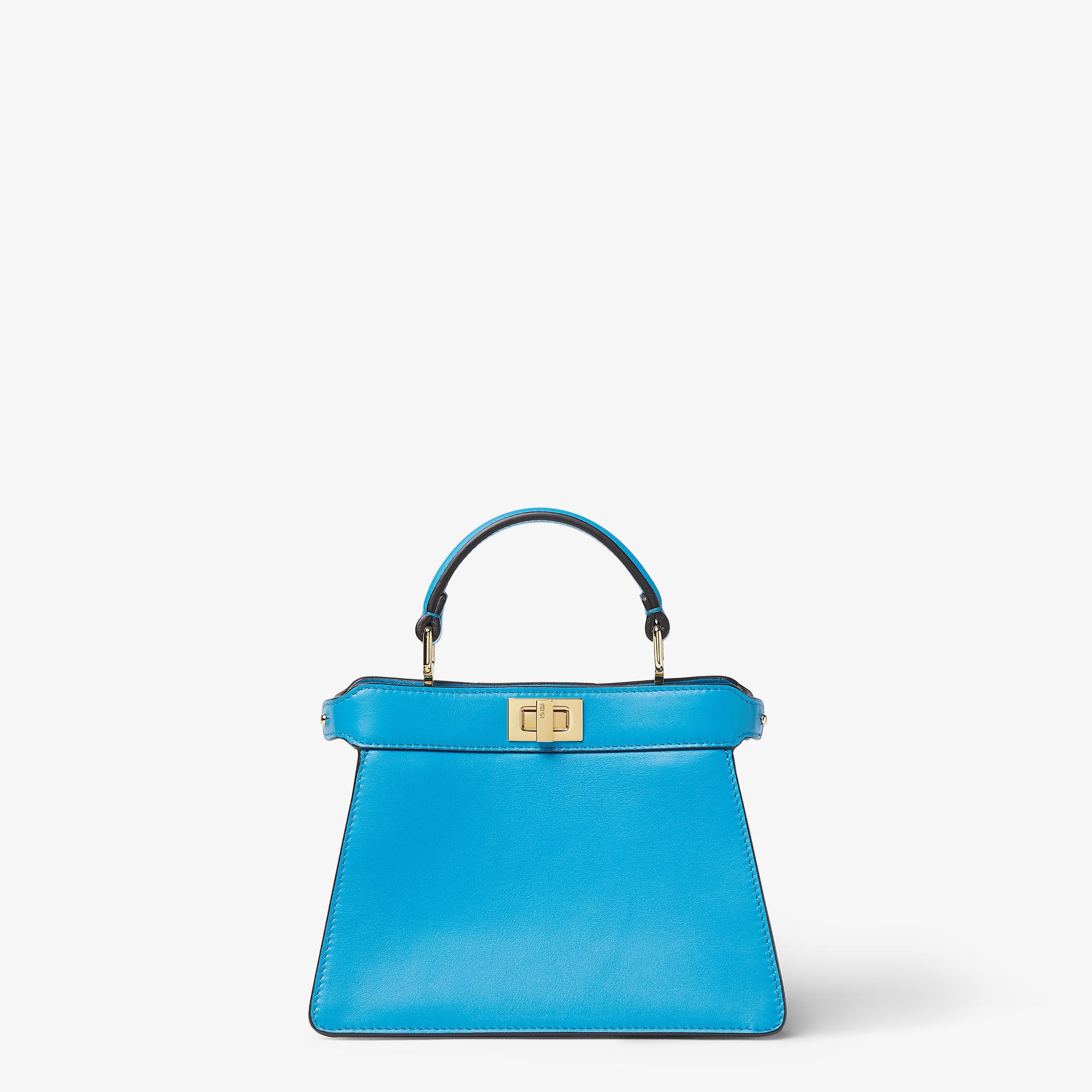
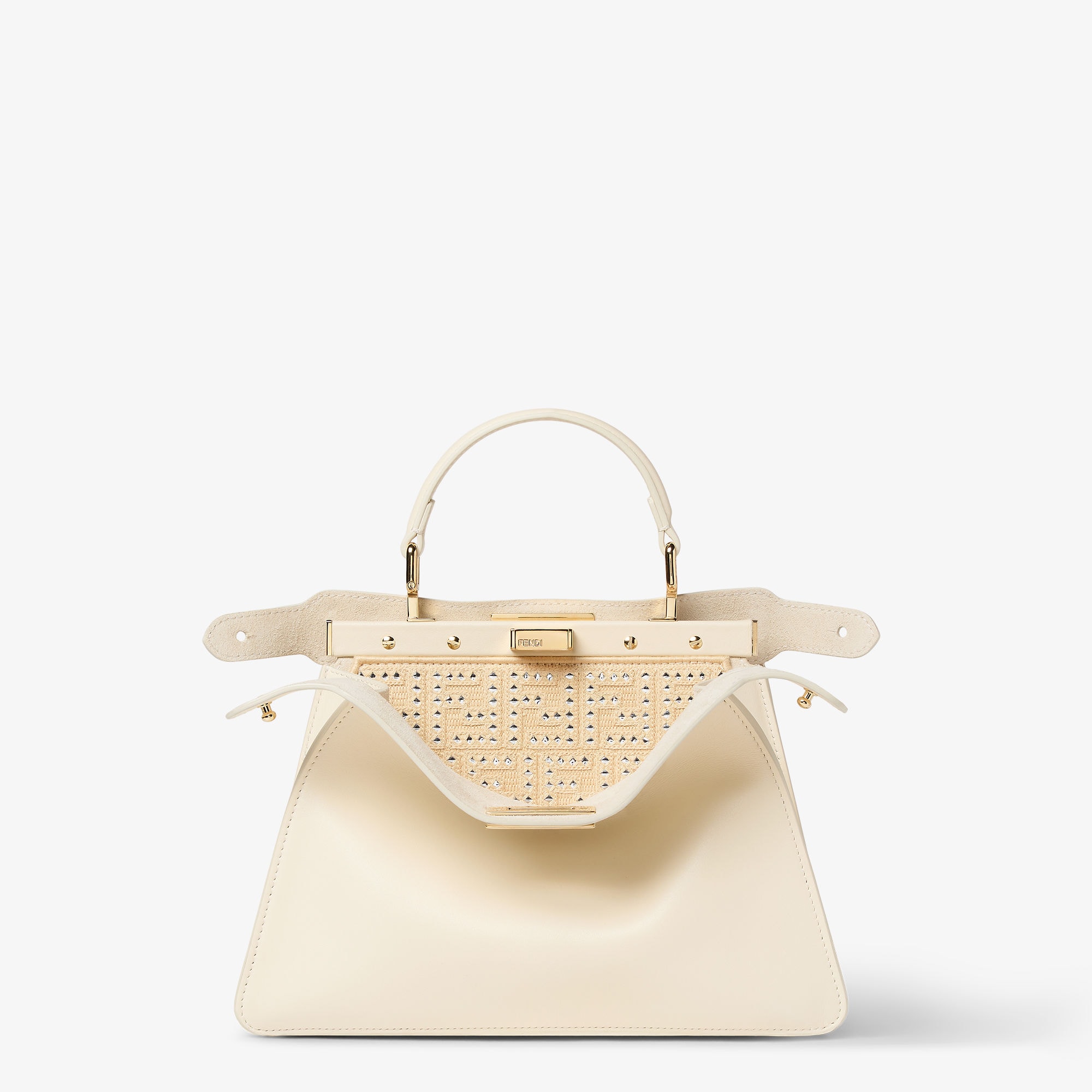
Fendi's Peekaboo in black leather, medium size. The Peekaboo is not seasonal, which is exactly why it works here. The bag is structured enough to stand on the floor beside your chair without folding. The frame keeps the shape rigid, and the double compartment means you can separate what you need at the table from what stays closed. The twist-lock closure is metal, not magnetic, which means it does not accidentally open when you lift the bag by one handle.
The medium size is wide enough for a book or a tablet, but not so large that it reads as a work bag. Fendi cuts the handles short enough that the bag does not hang when you carry it, which matters when you are moving through a narrow room. Black leather does not show wear the way grained or textured finishes do, and the bag does not need to match the boots. It needs to not compete with them.
What Not to Do
Do not wear a puffer, even a slim one. The moment you remove it, the outfit collapses into whatever you wore underneath, and that is rarely enough. Do not wear a scarf unless you are prepared to keep it on inside. A scarf is outerwear, and outerwear does not belong at the table. Do not wear suede boots in winter. Suede and salt do not coexist, and no amount of brushing will reverse the damage.
Do not rely on layering. Three thin pieces do not equal one warm one, and they create bulk at the waist and under the arms. Do not wear a coat that requires a belt. A belted coat must be unbuckled to sit, and then the belt hangs, and then you are managing fabric instead of wearing it.