## The friction
The friction
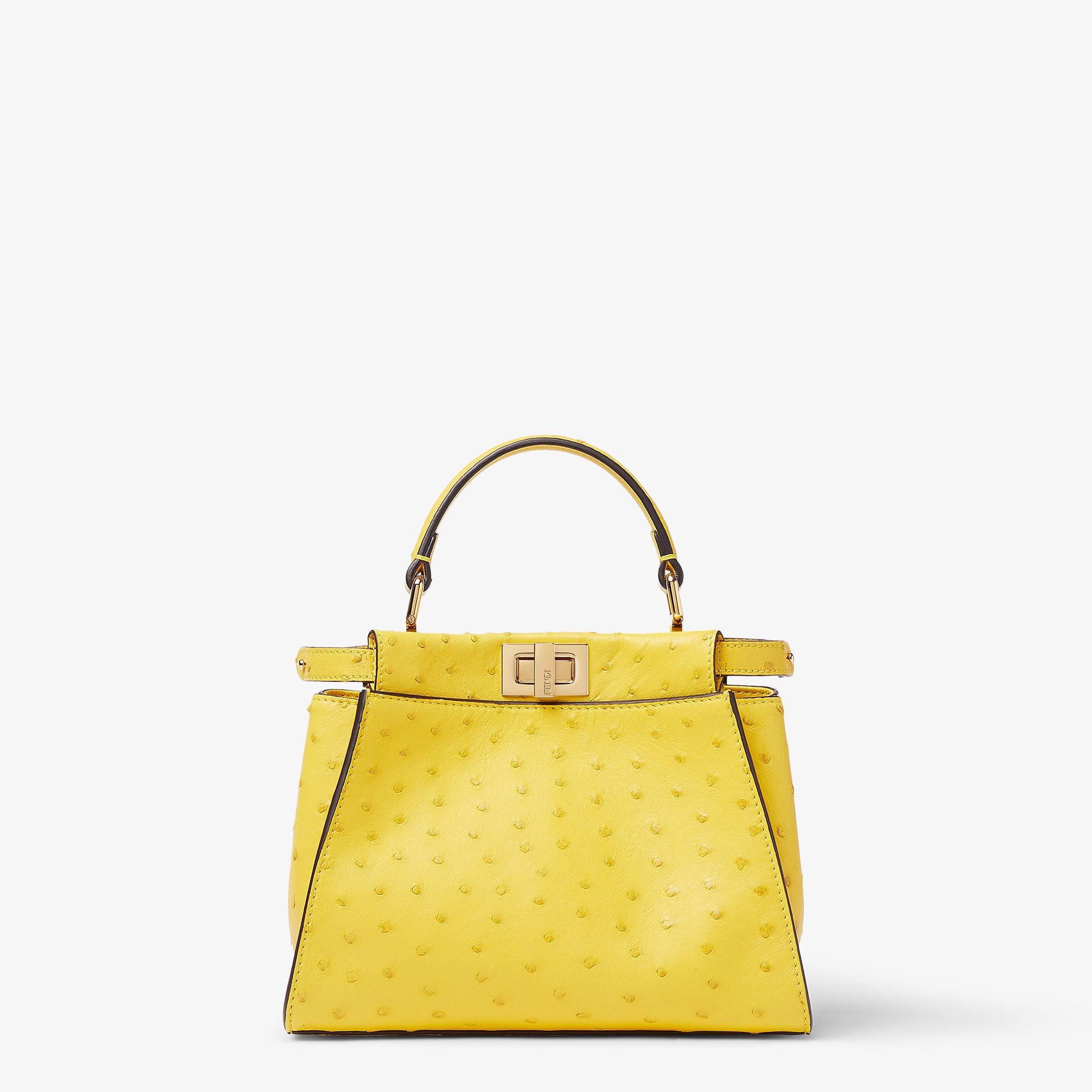
Work is not one thing. It is a morning meeting in air-conditioning and a lunch outside where the sun comes through plate glass. It is a client presentation followed by a train ride home. Fendi — more than most houses — knows this. The maison has always understood that daywear must move between rooms, between temperatures, between registers of formality. The risk is not that Fendi reads as too casual. The risk is that it reads as costume. A Peekaboo in a conference room can announce itself too loudly if everything else is trying just as hard.
The work, then, is to use Fendi as punctuation, not as the entire sentence.
The blazer
Start with the single-breasted wool blazer from the most recent pre-collection. No logo jacquard, no contrast stitching. Fendi makes these every season and they do not photograph well, which is why they work. The shoulder is natural. The lapel is narrow enough to stay out of the way. The cloth is a mid-weight wool that does not wrinkle on a chair back. This is not the piece that gets noticed first. It is the piece that makes everything else look intentional.
Wear it over a white poplin shirt or a fine-gauge knit in navy. The blazer does not need help. It needs to recede slightly so that when you do bring in a Fendi bag or a pair of logo-buckle loafers, the gesture lands as choice rather than as brand immersion.
The trousers
Fendi's tailored trousers have a higher rise than most contemporary cuts, which means they sit where trousers used to sit before athleisure rewired our expectations. This is useful. A higher rise allows the blazer to end where it should, and it allows you to tuck in a shirt without the waistband sliding down by midday.
Look for a straight leg in wool or a wool-linen blend. The maison's current trousers often feature a pressed centre crease, which is a detail that reads as formality without requiring a matching jacket. Avoid the wider-leg styles unless your office runs cold on dress codes. Wide trousers and a fitted blazer can work, but the proportions require commitment, and commitment at work can look like you are trying to make a point.
Hem them to break once at the shoe. No pooling, no flood.
The bag
The Peekaboo is the obvious choice, and if you already own one, use it. But if you are buying new, consider the medium Fendi First. It is structured enough to stand upright on a desk. It has a top handle and a shoulder strap, which means you can carry it two ways depending on whether you are walking six blocks or getting into a car. The First does not have the Peekaboo's frame-and-twist hardware, which makes it quieter. The logo is debossed into the leather rather than rendered in metal.
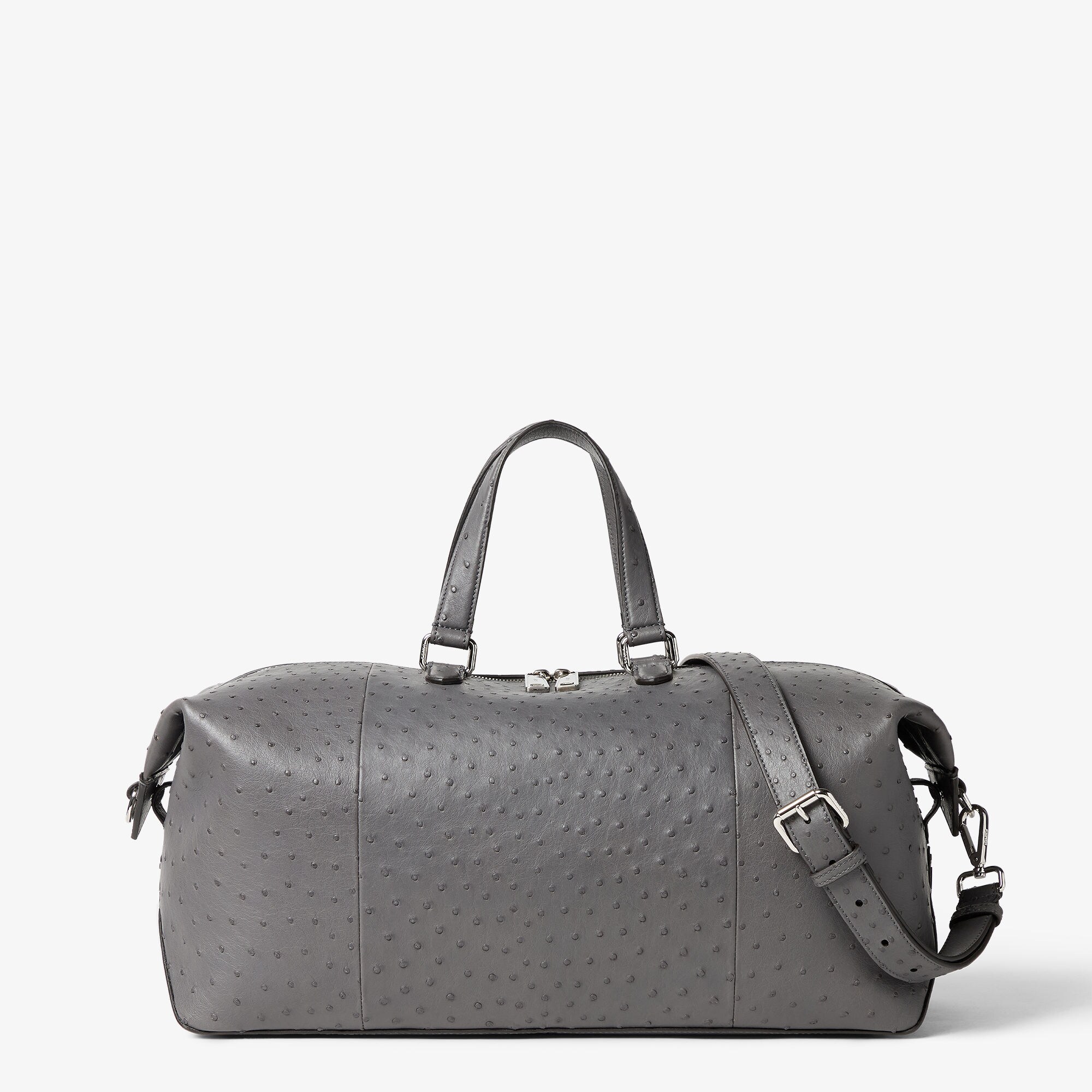
Choose a neutral — black, caramel, or grey. Fendi's seasonal colours are often very good, but a work bag in millennial pink or cobalt will date itself faster than the rest of your wardrobe. You will stop reaching for it within a year.
The bag should be large enough to hold a laptop sleeve, a wallet, and a water bottle. If it cannot do that, it is not a work bag. It is a second bag you will resent.
The shoes
Fendi's loafers have become quieter in recent seasons, which is a correction. The maison's logo-buckle loafer from three years ago was everywhere, and now it is too recognisable to feel like a neutral. The current loafers — smooth leather, almond toe, low vamp — are more useful. They work under cropped trousers and under full-length trousers. They do not require bare ankles.
If your office allows boots, consider a Chelsea in black or dark brown. Fendi's Chelsea boots have a sleeker profile than most British versions, and the elastic gusset is cut narrow enough that the boot does not gape when you sit. Pair them with the higher-rise trousers mentioned earlier. The boot should disappear under the hem when you stand, then reappear when you walk.
Avoid anything with a platform sole. Platforms are having a moment, but they are not having a moment at work.
The knit
Fendi's lightweight rollnecks and crewnecks are cut close to the body without clinging. This is harder to execute than it sounds. The knit should follow your frame but not map it. Wear one under the blazer in place of a shirt, or wear it alone on days when a jacket is not required. The maison's knits are often finished with a small tonal logo at the chest or sleeve, which is enough to register as Fendi without announcing it.
Choose merino or cashmere blends. Avoid anything with a loose knit or a chunky gauge. Texture at work should be subtle. If someone can see the knit from across the room, it is too much knit.
What not to do
Do not wear the logo belt. Do not wear the Baguette unless your office is in fashion or adjacent to it. Do not wear the FF jacquard anything — not the scarf, not the cardigan, not the tights. Fendi's logo work is some of the best in the industry, but it does not belong in a place where you are trying to be taken seriously for something other than your taste.
Do not match your bag to your shoes. Do not wear more than two Fendi pieces at once unless one of them is invisible to anyone who is not looking closely.
The goal is not to hide that you are wearing Fendi. The goal is to make it look like Fendi is simply what you wear.