## The Problem with February
The Problem with February
A winter evening in the city—say, February in London or New York—sets up a familiar trap. You're moving between heated interiors and wind that cuts through wool. You need genuine warmth, but the event itself (a dinner, a gallery opening, someone's forty-fifth at a restaurant with good lighting) doesn't allow for looking fortified. The puffer stays home. So does anything that reads as outerwear pretending to be a coat.
Alexander McQueen solves this better than most houses, partly because the tailoring comes from a place that understands structure as insulation. The pieces hold heat without adding visual weight. They sit close to the body where they need to and release where they don't. What follows is a wardrobe for leaving warm without looking padded.
The Coat That Doesn't Apologise
Start with the single-breasted wool coat—longer than car length, shorter than ankle. McQueen cuts these with a nipped waist and a slight flare through the skirt, which means the silhouette stays clean even over knitwear. The fabric is almost always a tightly woven wool, sometimes with a touch of cashmere, that blocks wind better than you'd expect from something this slim. Look for peak lapels. They frame the face and give the coat a reason to exist beyond function.
The colour matters here. Black works, but charcoal or deep navy photographs better and doesn't show every piece of lint between your door and the venue. Avoid camel unless you're prepared to have it cleaned after every second wear. The coat should feel like it weighs something when you pick it up. That's the wool content doing what it's supposed to do. If it feels like suiting fabric, it's not enough.
Knit That Holds Its Line
Underneath, a fine-gauge merino crewneck or rollneck. McQueen's knitwear tends to sit closer than other houses'—it's cut with darts or shaped through the body, so it doesn't balloon when you add a coat. This is not the moment for chunky cable knits or anything described as "cosy." You want a sweater that reads as a layer, not as the entire statement.
The sleeve length is worth checking. McQueen often finishes the cuff so it sits just past the wrist bone, which means it won't bunch under a coat sleeve or ride up when you reach for a glass. Black, charcoal, or deep forest green all work. Cream works if you're committed to looking like you don't take the subway, which is a choice. The knit should feel dense in your hands—more textile than fluff. If you can see through it when you hold it to the light, size up or keep looking.
Trousers That Don't Collapse
A straight-leg or slightly tapered wool trouser in a mid-weight flannel. McQueen's tailored trousers usually come with a flat front and a clean waistband—no pleats, no extra fabric at the hip. The leg should skim the thigh and fall straight from the knee. This is not the season for wide-legs that puddle at the ankle or anything slim enough to require a second thought before sitting down.
The hem should hit just above the top of your shoe, no break. A slight crop works if you're wearing a boot with a clean shaft, but don't let the ankle show. February doesn't care about your good intentions. The fabric should have some body to it—enough that the trouser holds its shape through the night. If it wrinkles across the lap after one drink, the cloth is too soft or the fit is too tight. Likely both.
The Boot That Means It
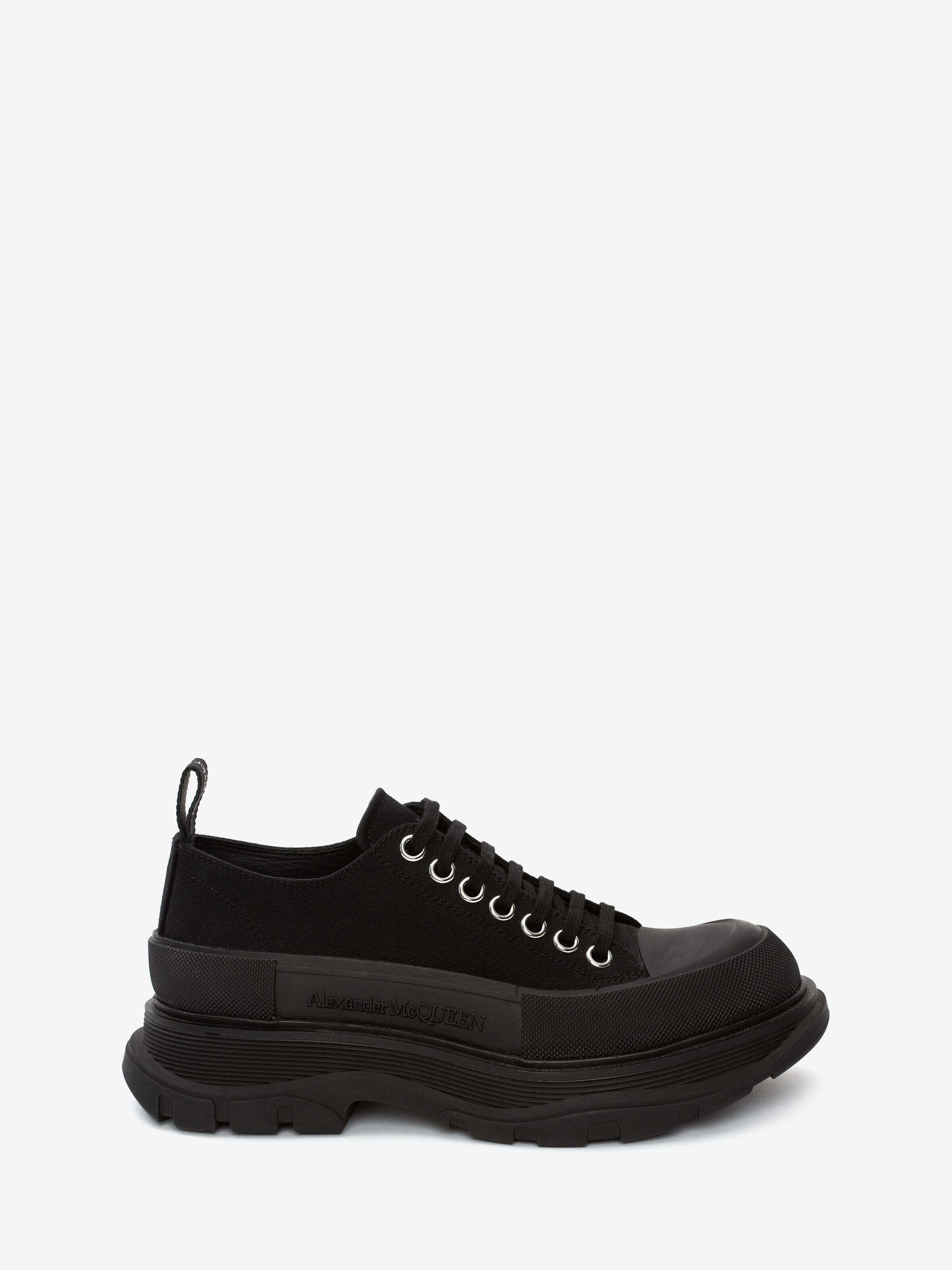
A Chelsea or lace-up boot in smooth leather or suede, depending on how much weather you're willing to navigate. McQueen's boots tend to run narrow through the shaft and sit close to the ankle, which is the whole point. You don't want volume at the foot when the rest of the outfit is this considered.
The sole matters more in winter than people admit. A leather sole looks cleaner, but a rubber Vibram sole keeps you upright on wet stone or salted pavement. McQueen often splits the difference—leather with a thin rubber insert or a stacked leather heel with a rubber top lift. The boot should feel substantial when you walk. If it's too light, it won't last the season. If it's too heavy, you'll resent it by March.
What to Leave Out
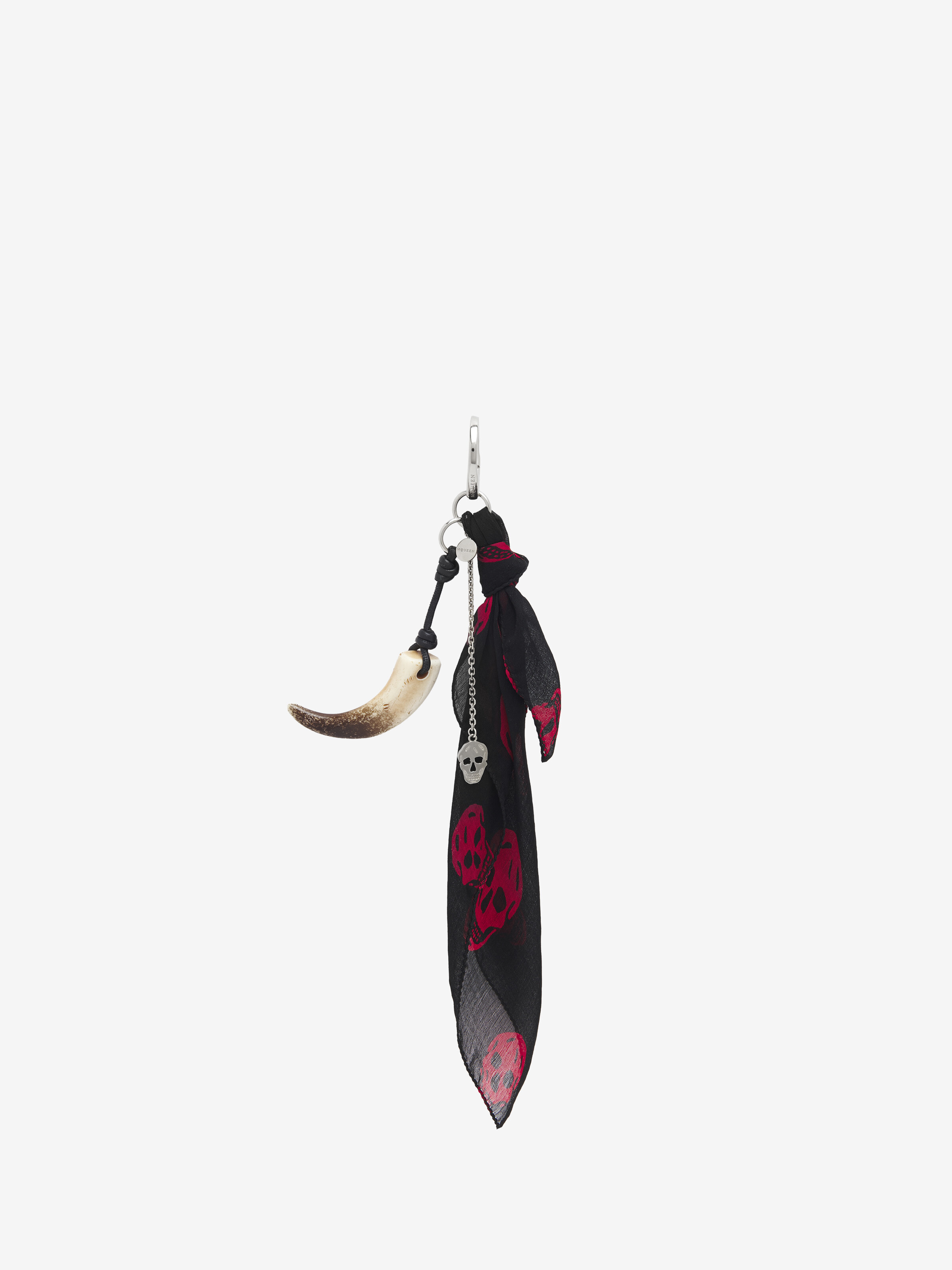
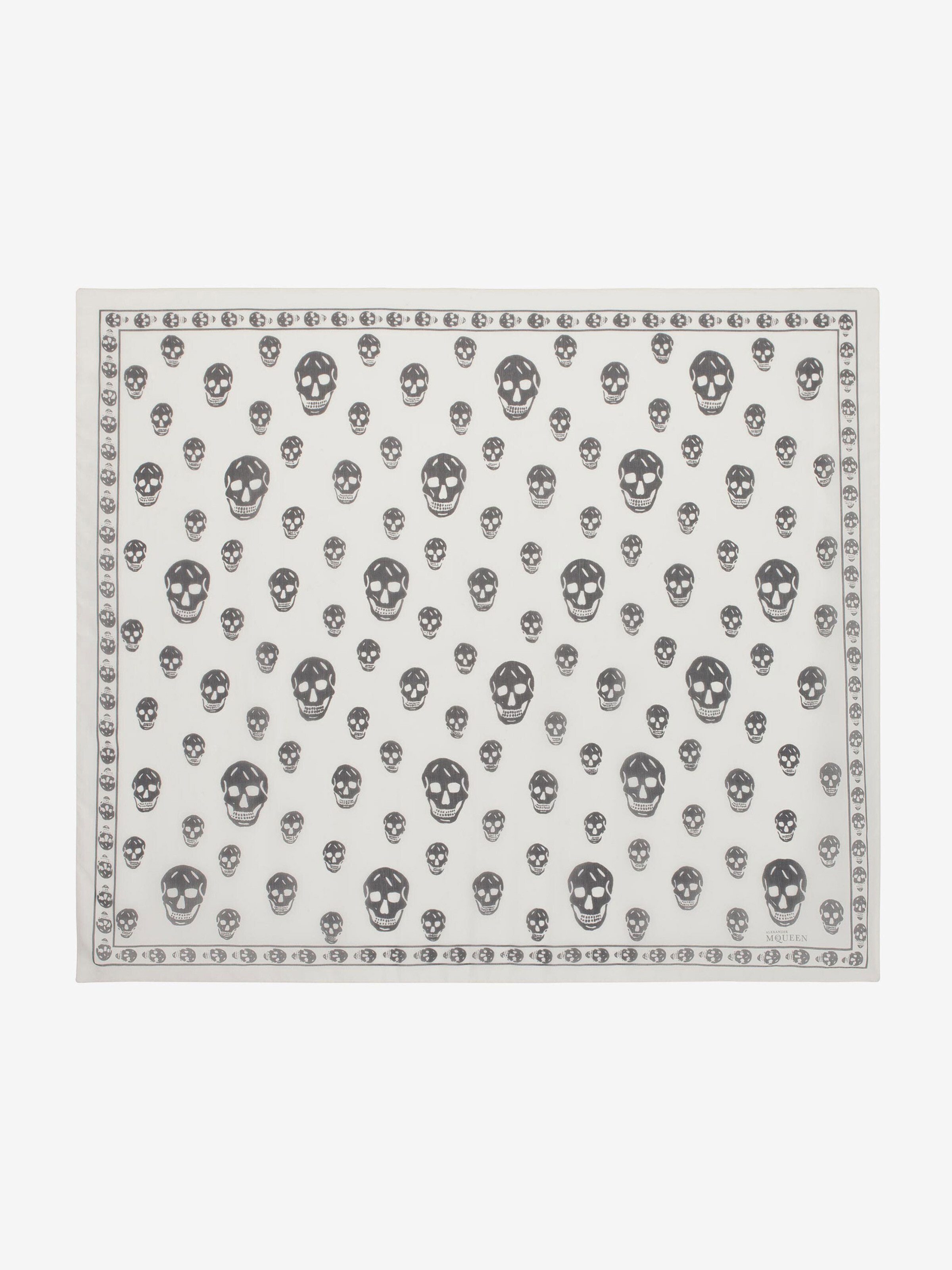
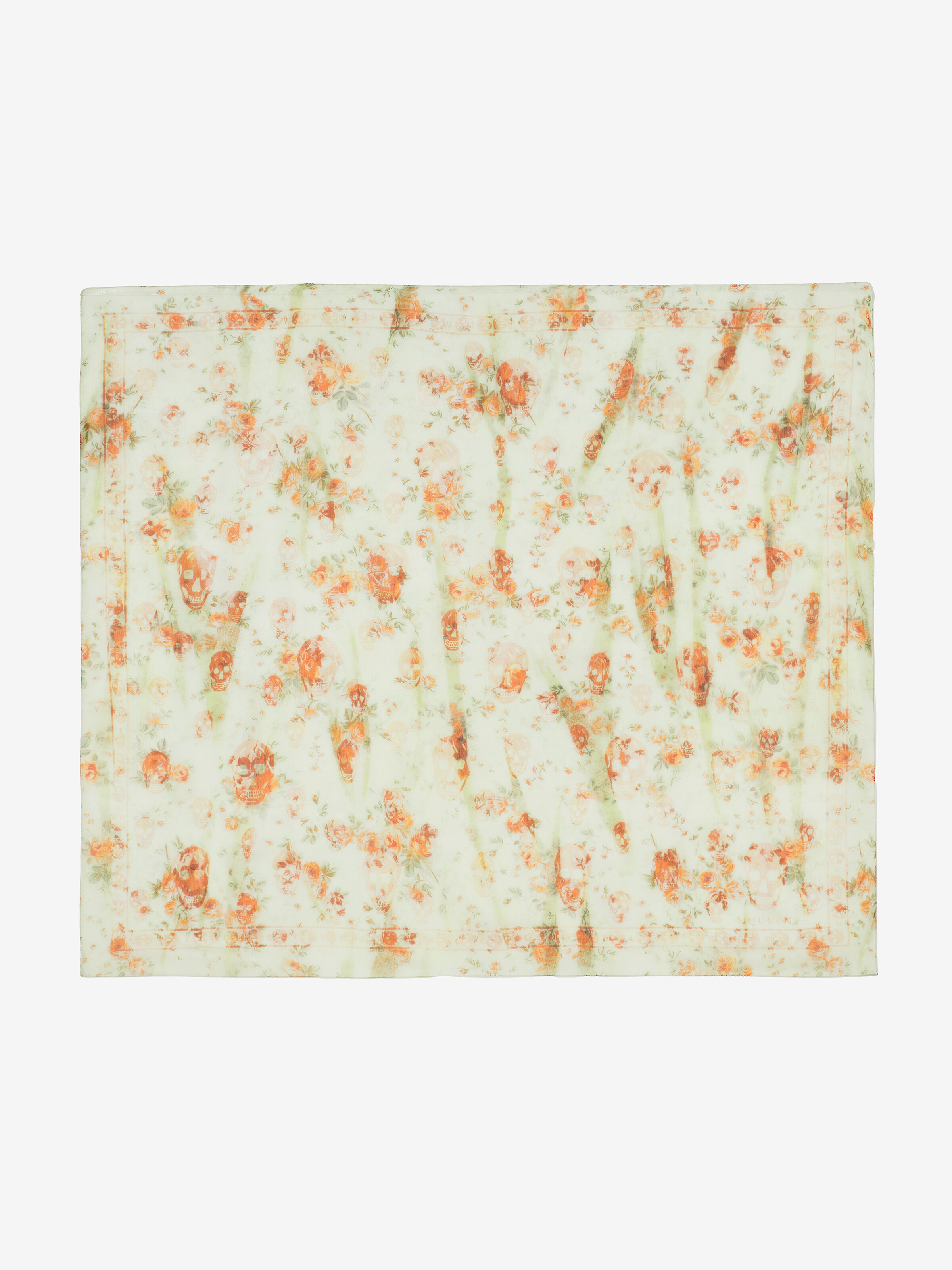
Don't add a scarf unless it's cold enough to see your breath. A scarf in a heated restaurant is a prop, not a layer. Don't wear gloves that you'll need to carry all night—if your coat pockets won't hold them, leave them home. Don't bring a bag unless it's small enough to sit on your lap or hang from the back of a chair without making the person next to you adjust. And don't wear a knit tie. This is evening, not a faculty mixer. The outfit works because it's warm, sharp, and doesn't ask anyone to forgive a single piece of it.