## The Winter Evening Problem
The Winter Evening Problem
A February dinner in London or New York presents a specific friction: you leave your flat at seven in something warm enough to survive the walk from the car or the station, but light enough that you won't spend the evening regretting every layer once you're inside. The room will be overheated. The wine will arrive. You'll want to have planned for this.
Burberry understands this tension better than most houses do, partly because they've been making weather-appropriate cloth for over a century, and partly because their tailoring assumes you have an actual commute. The solution isn't about adding bulk. It's about choosing materials that hold heat without announcing themselves.
The Foundation: A Wool Trouser That Moves
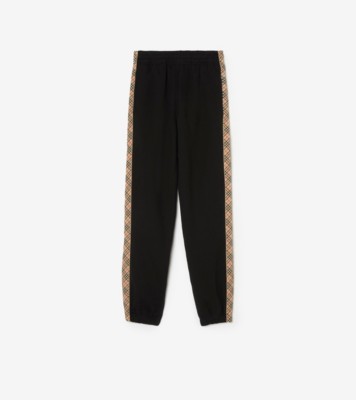
Start with a trouser in mid-weight wool gabardine. Burberry's house fabric sits around 280gsm — substantial enough to keep your legs warm on the street, fine enough that it doesn't feel stiff indoors. The cut should sit at your natural waist and break cleanly at the shoe. A flat front keeps the line lean; if you prefer pleats, keep them shallow.
This is not the moment for flannel. Flannel telegraphs "I dressed for a fireplace," and unless you're actually standing near one all night, it's too much. Gabardine breathes. It also presses well, which matters if you're taking a car and want to arrive without looking like you sat in your trousers for twenty minutes.
Colours: charcoal, navy, a brown so dark it reads almost black in low light. Avoid anything with an obvious texture — herringbone, birdseye — because the rest of the outfit will carry enough visual interest. Let the trouser be the thing that grounds you.
The Shirt: Silk or Fine Cotton, Nothing Heavier
A silk shirt solves the temperature problem cleanly. It sits close to the skin, holds warmth without weight, and doesn't wrinkle the way cotton does when you're moving between climates. Burberry's silk shirting comes in a 16-momme weight — enough body to hang correctly, not so much that it feels costume-like.
If silk feels too precious for the occasion, go with a superfine cotton poplin in white or ecru. The collar should be soft enough to sit under a coat without buckling, structured enough to look intentional when the coat comes off. No French cuffs unless you're wearing them with actual cufflinks and know why you're doing it. A barrel cuff is cleaner, and it won't catch on your coat sleeve.
Fit matters here more than anywhere else. The shoulder seam should sit at the edge of your shoulder bone, not past it. The body should skim, not cling. If you can see the outline of an undershirt, the shirt is too thin or too tight.
The Knit: Cashmere, Worn as a Second Skin
A fine-gauge cashmere crewneck goes over the shirt. Not a chunky cable-knit — that's for country weekends and log fires — but something in 12-gauge or finer that you could almost mistake for a shirt from ten feet away. Burberry's archive knitwear runs in this direction: elegant, slim, warm without bulk.
The knit does two things. First, it adds a layer of insulation that you can remove if the room gets too warm, which it will. Second, it gives the outfit a finish that a shirt alone doesn't have in winter. You're not trying to look like you just left the office.
Colours here can move slightly. A dark brown or olive knit over a white shirt creates contrast without jarring. Navy on navy works if the tones are slightly different. Avoid black unless you're committed to a full tonal look, and even then, it's a narrow line to walk without looking like you're in mourning.
The Coat: A Car Coat in Treated Wool
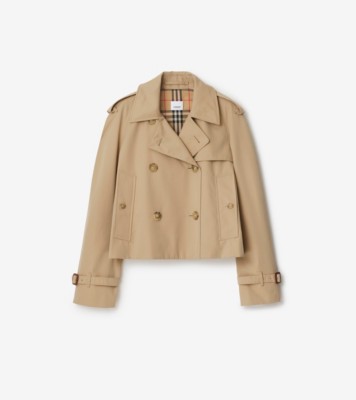
The coat is where Burberry earns its keep. A car coat — mid-thigh length, single-breasted, usually with a turned-back cuff — is warm enough for a February street and light enough that you don't feel absurd carrying it once you're inside. The house makes them in wool treated with a water-repellent finish, so light rain or snow doesn't become a crisis.
The silhouette should be relaxed through the body but not oversized. You want to be able to layer the knit and shirt underneath without the coat pulling at the shoulders. Raglan sleeves help here; they give you room to move without adding visual bulk.
A camel coat is traditional, but charcoal or navy works if you're not trying to announce yourself. The lining should be quilted — it adds warmth without changing the coat's drape. And it should have deep pockets, because you'll be carrying gloves, possibly a scarf, and you don't want to look like you're smuggling something.
What Not to Do
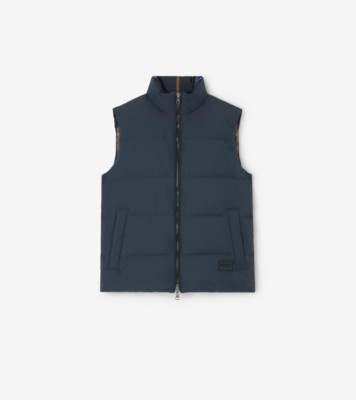
Don't wear a puffer, no matter how technical or expensive. It's the wrong silhouette for evening, and it makes you look like you're dressed for a different occasion entirely. Don't wear a cashmere overcoat that's so heavy you'll sweat through your shirt by the time you sit down. And don't show up in a blazer with no outer layer, planning to sprint from the car to the door — you'll look underdressed and cold, and neither is the goal.
The work is in the restraint. Dress warm, but don't dress like warmth is the only thing you thought about.