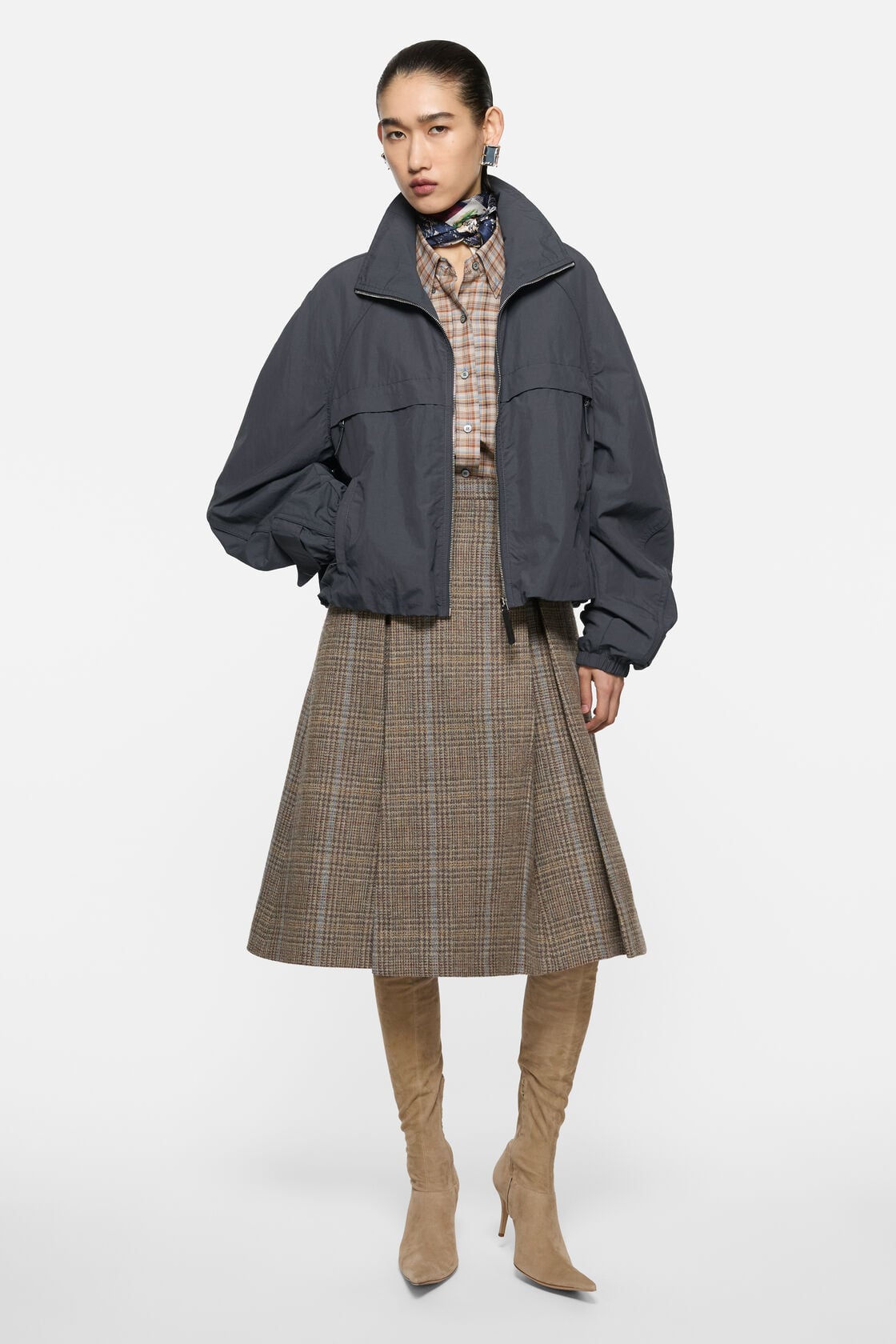
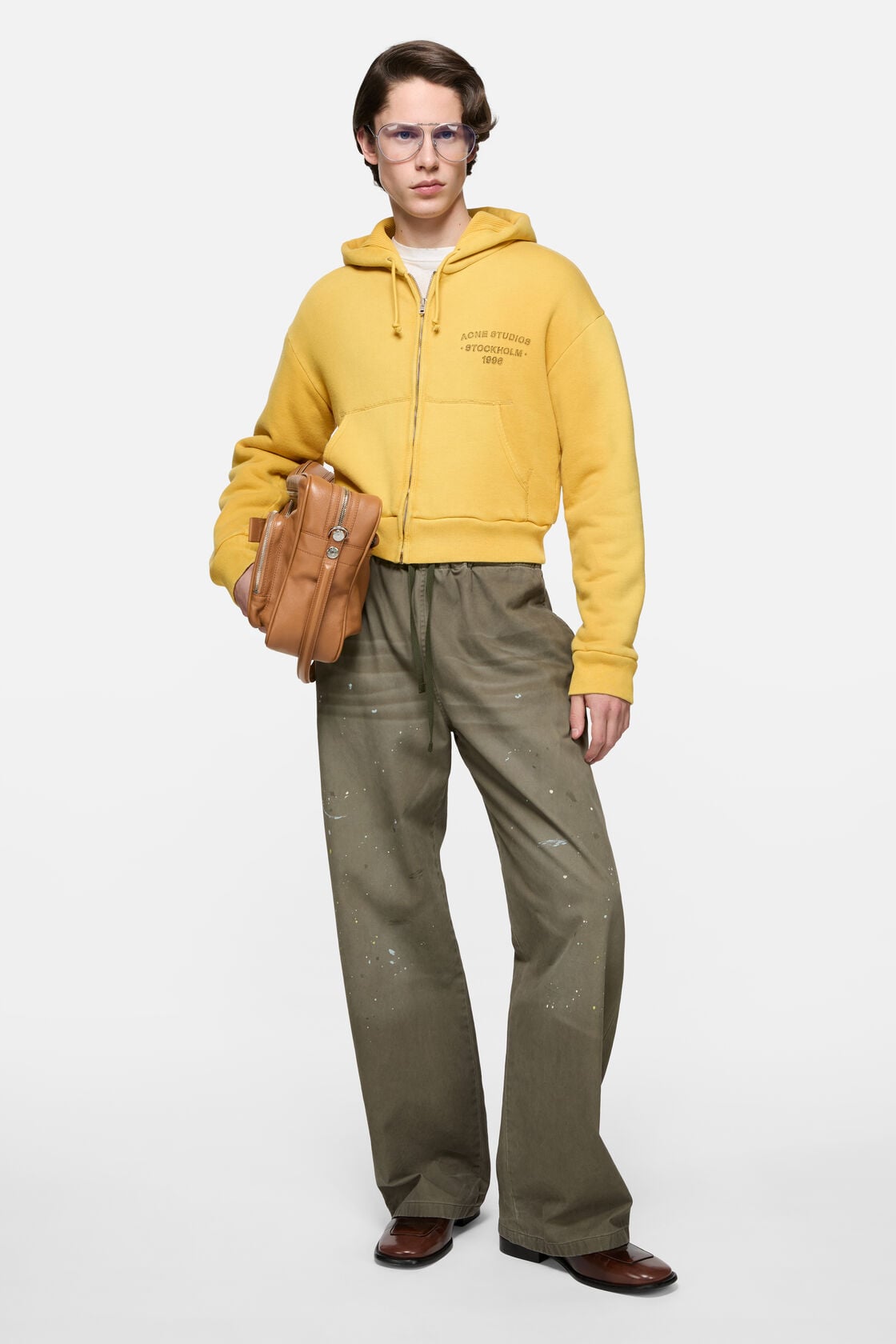
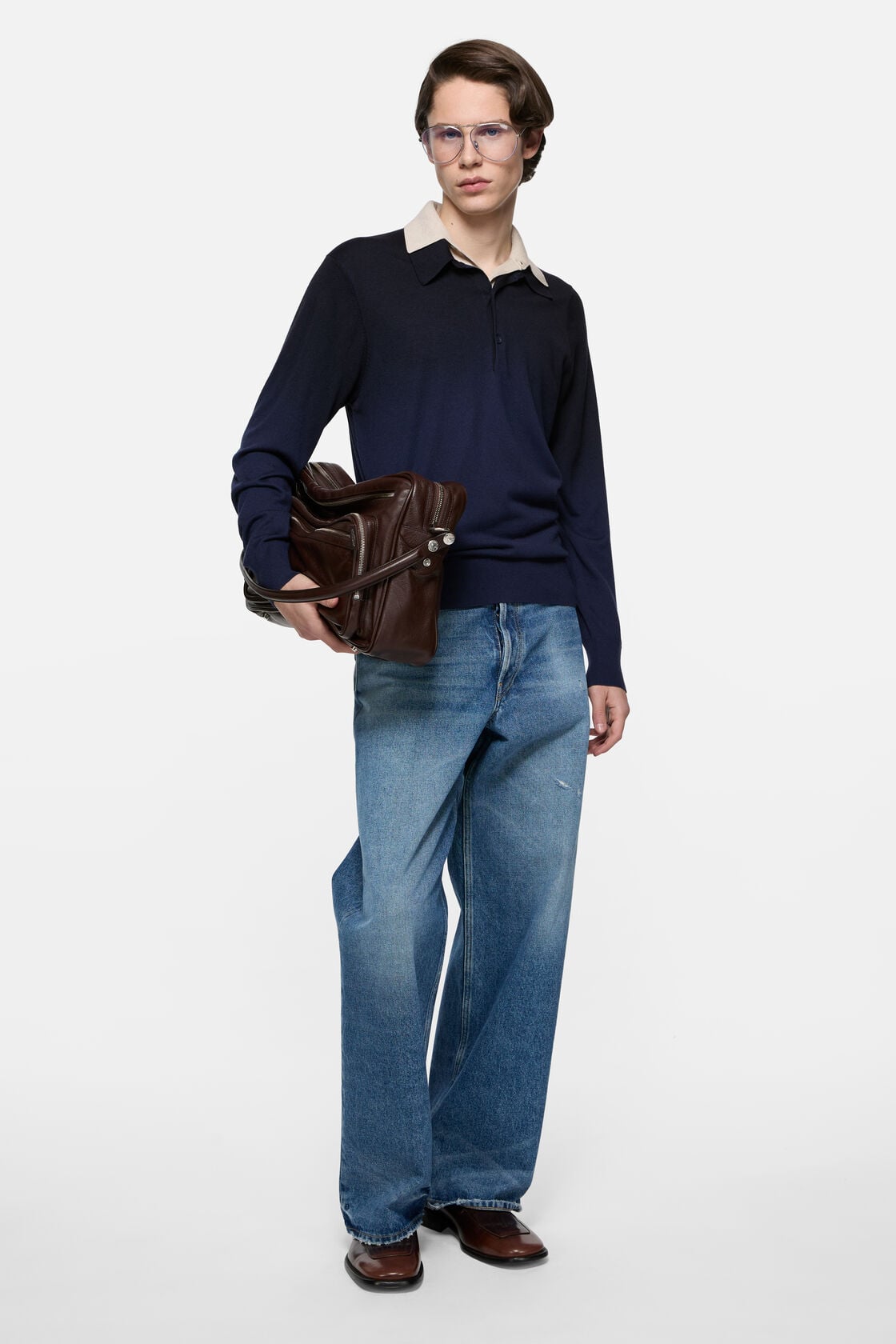
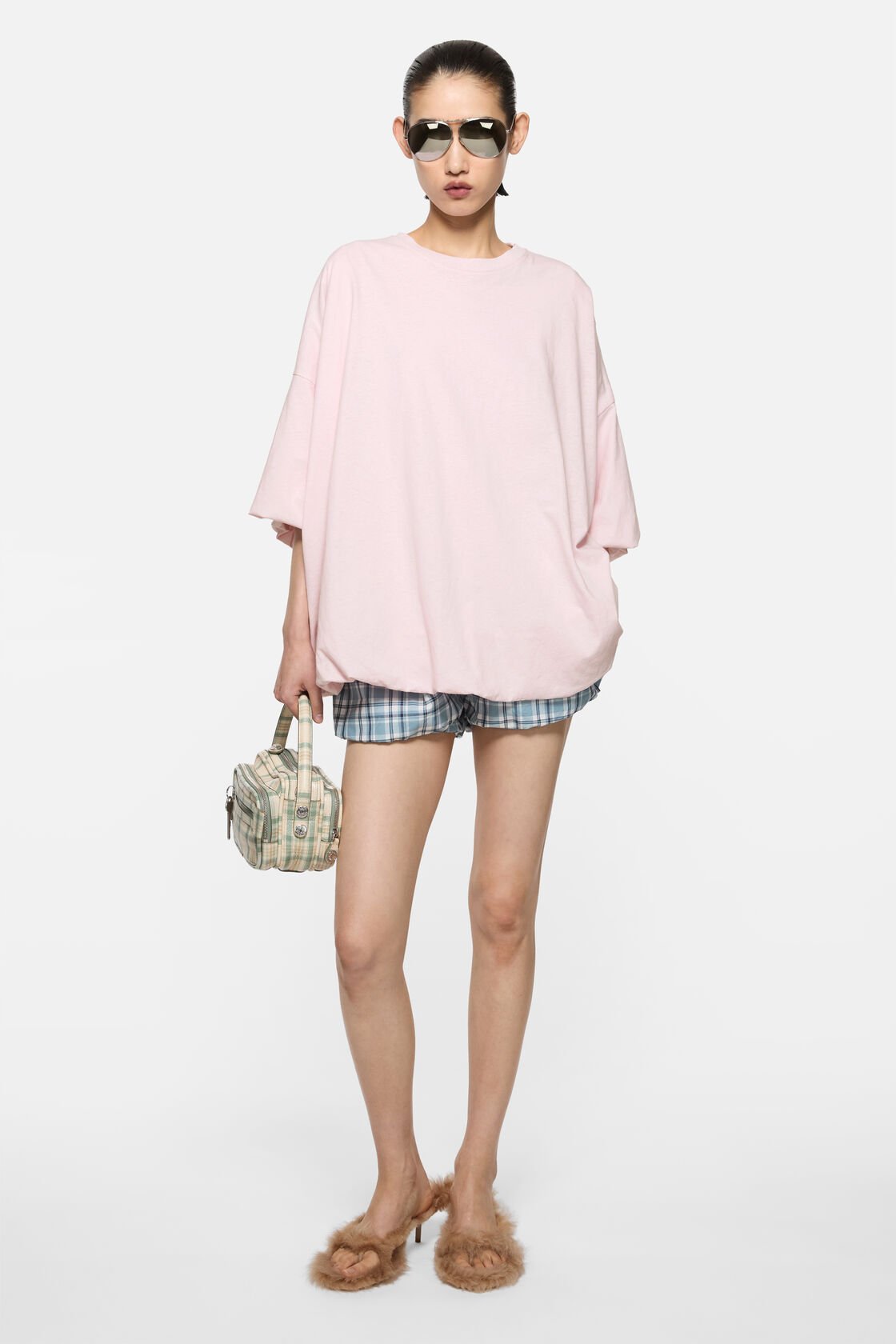
Acne Studios is reissuing pieces from its own archive
Acne Studios is reissuing pieces from its own archive. Not as capsule nostalgia—full seasonal runs, available through the studio's webshop and select stockists. The first drop landed in February: the 1996 raw denim jean, the 2006 Velocite shearling jacket, a 2012 oversized scarf in brushed mohair. By April, three more styles will follow. The studio hasn't called it a heritage programme. It's being filed under mainline, priced accordingly, and treated as though these garments never left.
This isn't Acne's first backward glance. The brand has periodically revived its own jeans—the house was founded on a hundred pairs of raw selvedge, after all. But this is the first time the archive has been mined with intent across categories: outerwear, knitwear, denim, accessories. And the first time reissues have been woven into seasonal buy plans rather than presented as limited collector bait.
The timing is commercial as much as sentimental. Acne's growth over the last five years has brought in a customer base that wasn't shopping the brand in 2006, let alone 1996. For them, the Velocite isn't a reissue—it's new. The shearling-lined biker jacket, originally shown in the studio's autumn/winter 2006 presentation, sold through its first allocation in under three weeks. Acne has since doubled the production run for the next delivery window. The jacket retails at €2,400, roughly 15 percent higher than the equivalent new-season leather piece, a margin the studio attributes to the cost of sourcing the original Italian shearling supplier and matching the weight of the hides.
The 1996 jean is more straightforward. Acne still produces raw denim in the same Portuguese mill it's worked with since 2004, so the reissue is less about reconstruction and more about cut. The original pattern—a straight leg, mid-rise, no stretch, unwashed—has been pulled without adjustment. It's narrower through the thigh than anything Acne currently makes, which is to say it fits like most jeans did before 2017. The studio is selling it at €290, identical to its contemporary raw selvedge style. Early sales data skews younger than anticipated. The assumption was that the reissue would appeal to longtime customers; instead, it's been picked up heavily by the 24-to-30 demographic, many of whom are buying Acne denim for the first time.
The scarf is the outlier. Oversized, brushed mohair, originally released as part of the autumn/winter 2012 accessories range. Acne is manufacturing it in the same Scottish mill, using the same blend: 70 percent mohair, 25 percent wool, 5 percent nylon. It's enormous—roughly 200 by 70 centimetres—and sheds for the first three wears. The studio is producing it in four colourways, three of which are lifted directly from 2012. The fourth, a deep rust, is new. Retail is €340. It's the kind of piece that photographs terribly and wears persistently.
Why now? Partly because Acne's design director Jonny Johansson has been vocal about fatigue with the newness cycle. In a December interview with System, he described the archive project as a way to 'stop pretending every season is a revelation.' There's also a pragmatic element: reissues don't require the same development lead time as new designs. A piece that's already been graded, tested, and produced can be turned around in four months instead of eight. For a studio that's been expanding its retail footprint—new flagships in Seoul, Miami, and Paris over the last eighteen months—speed to market matters.
But the broader shift is about what customers are willing to pay for. Acne's reissues aren't being marketed as vintage or archive in the heritage sense. There's no storytelling campaign, no lookbook with grainy film stills from 2006. The pieces are simply listed alongside current-season stock, often without noting the original release date. The studio seems to be betting that the garments will justify themselves on construction and fit alone, which so far they have.
Other brands have tested similar approaches—Helmut Lang's archive reissues in 2017, Margiela's Replica line, Raf Simons's periodic revisits to his own early work—but those have largely been positioned as special projects, distinct from the main line. Acne is doing the opposite: treating the archive as live inventory. It's a model that works if your back catalogue is strong enough to stand next to what you're making now. For most brands, it isn't.
The next twelve months will clarify whether this is sustainable or ceremonial. If Acne continues pulling from the archive at this pace, the line between reissue and mainline will blur further. If the studio pulls back after this initial wave, it will read as a moment rather than a method. Either way, dressing in an Acne reissue this year means wearing something that already proved itself once—and trusting that it will again.