Acne Studios's archive comes back
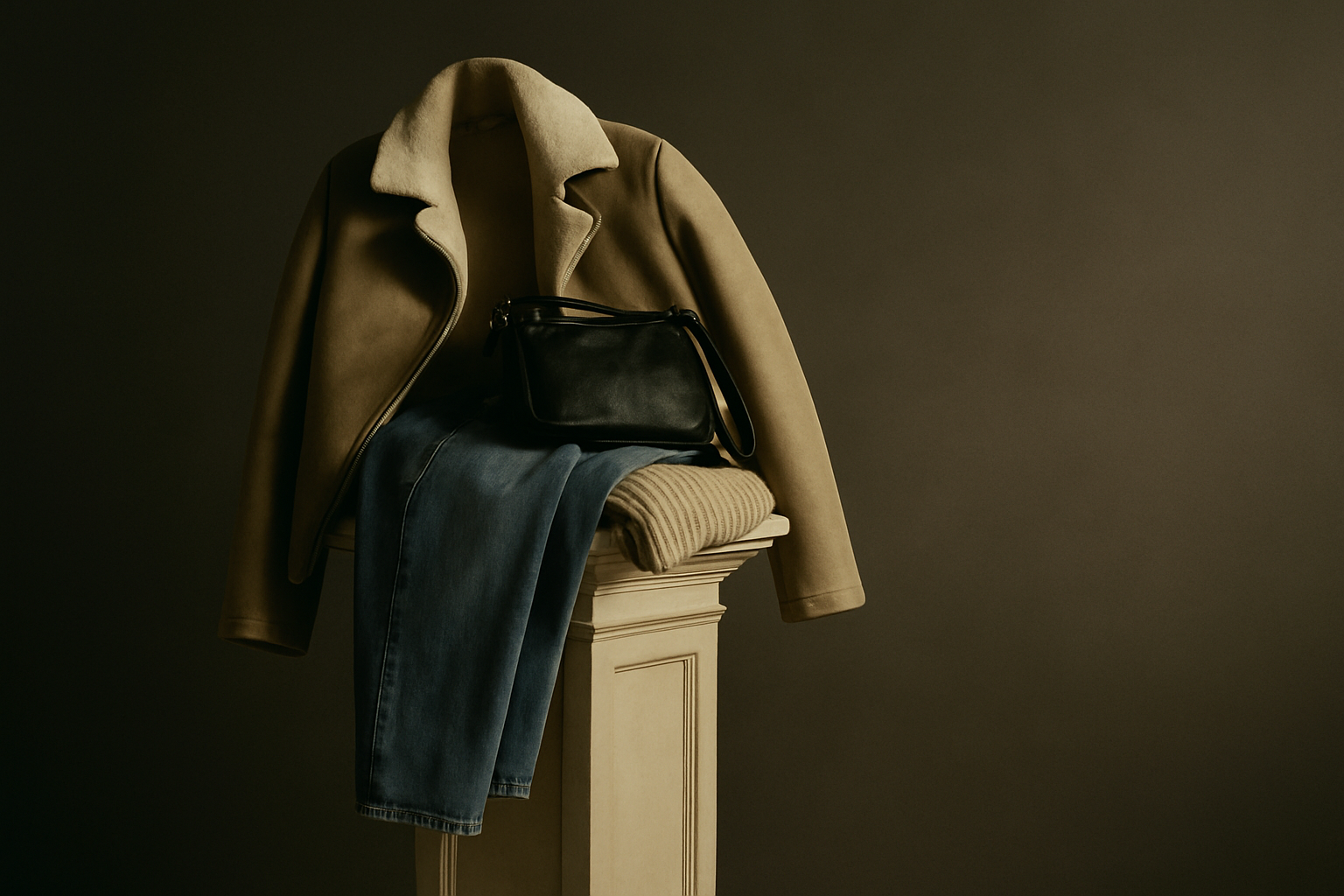
Acne Studios has begun reissuing pieces from its 2008–2014 archive — not as capsule drops or anniversary fanfare, but as seasonal product, stocked alongside current collections in its own stores and at Dover Street Market. The pieces are exact reproductions: same denim weights, same hardware suppliers, same fit blocks the brand retired when Jonny Johansson moved toward a looser, more androgynous silhouette around 2015. If you bought the Hex jeans in 2010, you can buy them again now, down to the same five-pocket construction and 12-ounce raw selvedge.
The programme launched quietly in autumn 2023 with six styles. By spring 2024, it had expanded to twelve, and the brand confirmed it would continue indefinitely. No term for it — not 'archive' or 'vintage reissue' on the product pages, just the style name and a date in parentheses. Hex (2009). Blå Konst Climb (2012). The River jacket in black coated cotton (2011). All priced within ten percent of their original retail, adjusted for inflation.
This isn't nostalgia. It's correction. Acne's early work — the years before it became a Paris Fashion Week fixture — was built on a different premise: pieces that worked because they didn't try to work everywhere. The Hex jean sat two inches below the natural waist, slim through the thigh, with a straight 15-inch leg opening that looked narrow in 2009 and looks correct now that the wide-leg tide has started to pull back. The River jacket had a single chest pocket and no waist adjustment, which meant it either fit or it didn't. The Blå Konst line, spun off in 2012 as Acne's denim-focused sub-label, used Japanese mills and featured inseams that ran a half-inch longer than the main line — a detail only visible if you hemmed both and laid them side by side.
The market for this is specific and probably small. Acne's current customer skews younger than the brand's early adopters, and the brand has spent the last five years courting that shift with oversized bombers, baggy carpenter pants, and the Face motif — a smiley logo that appears on sweatshirts, totes, sneakers. The archive pieces don't carry the logo. They don't photograph as well on Instagram. They require a different body knowledge: you have to know your actual waist measurement, not your denim size, because the Hex runs true and most contemporary jeans run two inches large.
But the pieces are selling. According to three European stockists, the Hex reissue moved faster than Acne's current straight-leg jean, and the River jacket sold through in six weeks at Dover Street. One buyer in London said it plainly: "People miss clothes that assume you know how to dress."
The timing aligns with a broader pullback in the market. Toteme, Lemaire, and The Row have all tightened their silhouettes over the last eighteen months — not aggressively, but enough that a size 34 trouser now measures closer to 34 than 36 at the waist. Khaite's pre-fall 2024 collection featured a slim, mid-rise cigarette pant that hadn't appeared in the line since 2019. Even Loro Piana, which moves at the pace of a ten-year product cycle, has narrowed the leg on its core Mathias chino by an inch.
Acne's archive programme formalises what a secondary market was already doing. Grailed and Vestiaire have carried early Acne for years, and prices for the Hex and the Max Cash jeans — a slim, dark-rinse style from 2013 — have climbed steadily since 2021. Reissuing the pieces in-season removes the lottery of secondhand sizing and eliminates the premium. It also lets the brand control the narrative: these aren't vintage finds, they're part of the line.
The risk is that the programme becomes a crutch. Acne's current collections are strong — Johansson's fall 2024 show in Paris featured sculptural outerwear and a shearling bomber that's already placed well at retail — but leaning on the archive suggests the brand is hedging. If the reissues continue to expand, they could start to crowd out newer work, or worse, position Acne as a house that peaked fifteen years ago.
For now, the programme feels considered. Six to twelve styles per season, rotated every six months, with no suggestion that the entire back catalogue will eventually return. The pieces that have come back are the ones that still make sense: straight denim, clean outerwear, knits without branding. The things that didn't — the 2010 draped jersey dress, the 2013 coated skinny jean — remain in the archive.
What it means to dress in this for the next twelve months: you're opting out of the conversation about proportion and back into the one about fit. You're buying jeans that require a belt. You're wearing a jacket that doesn't make a statement because it doesn't need to.