Acne Studios's archive comes back
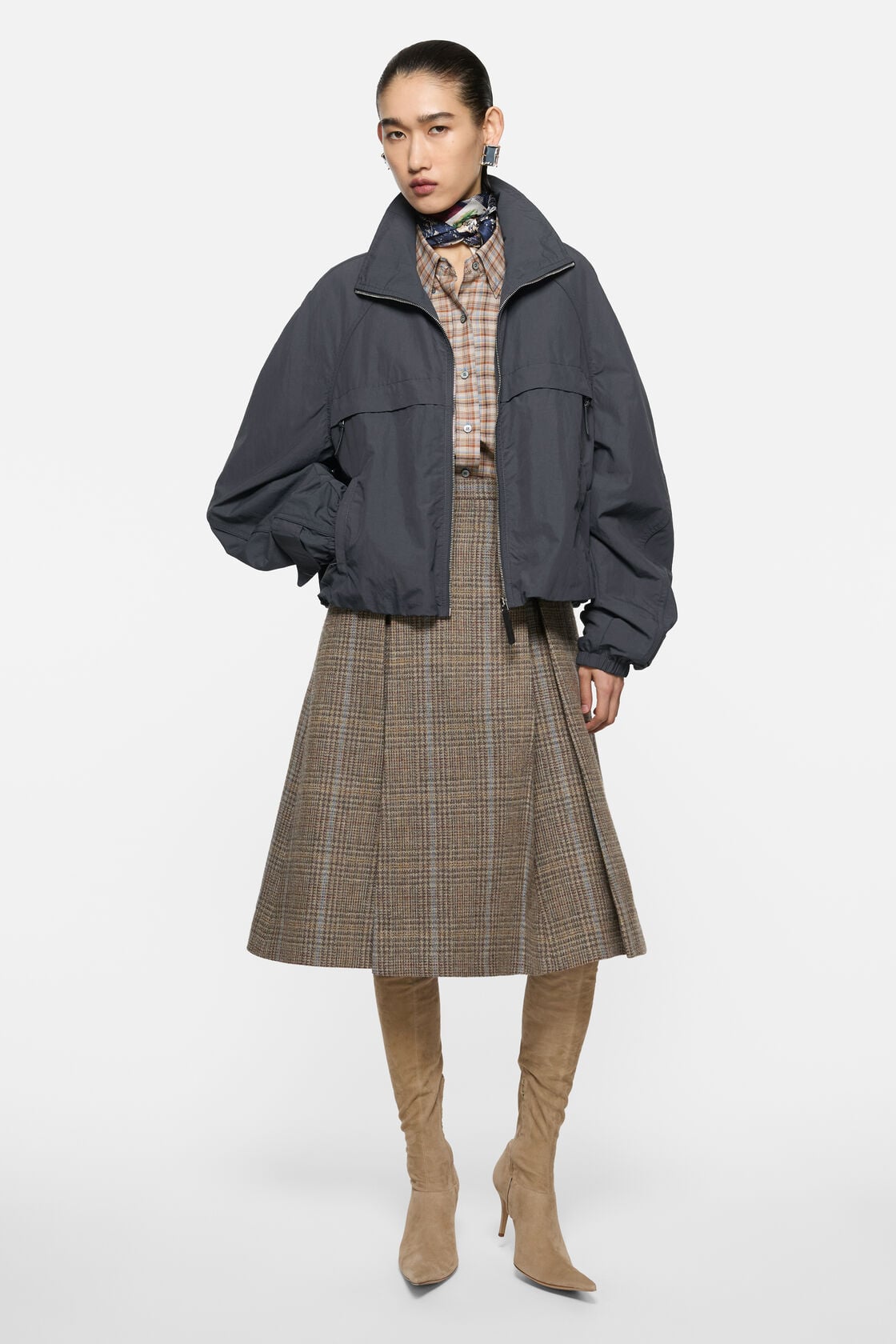
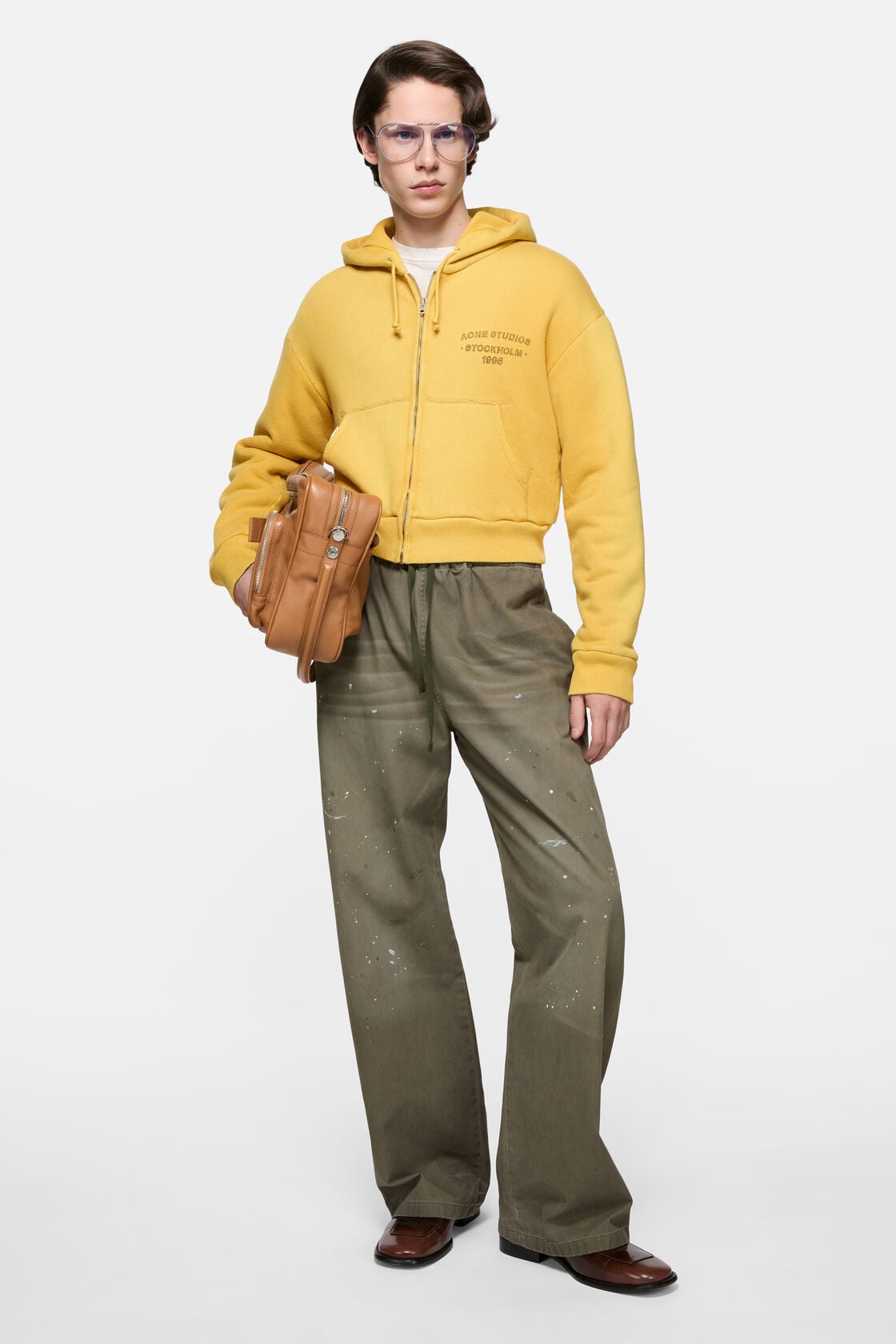
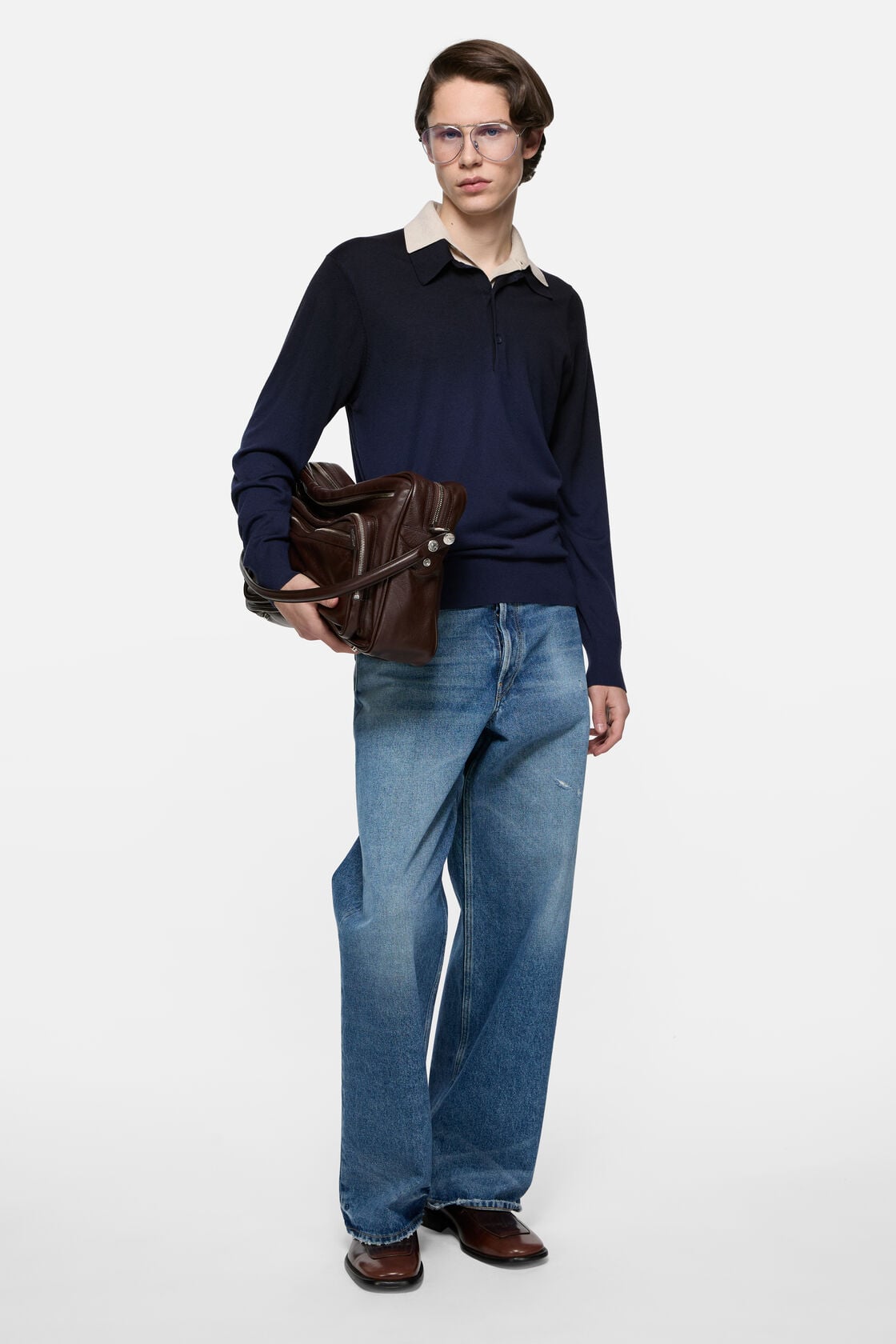
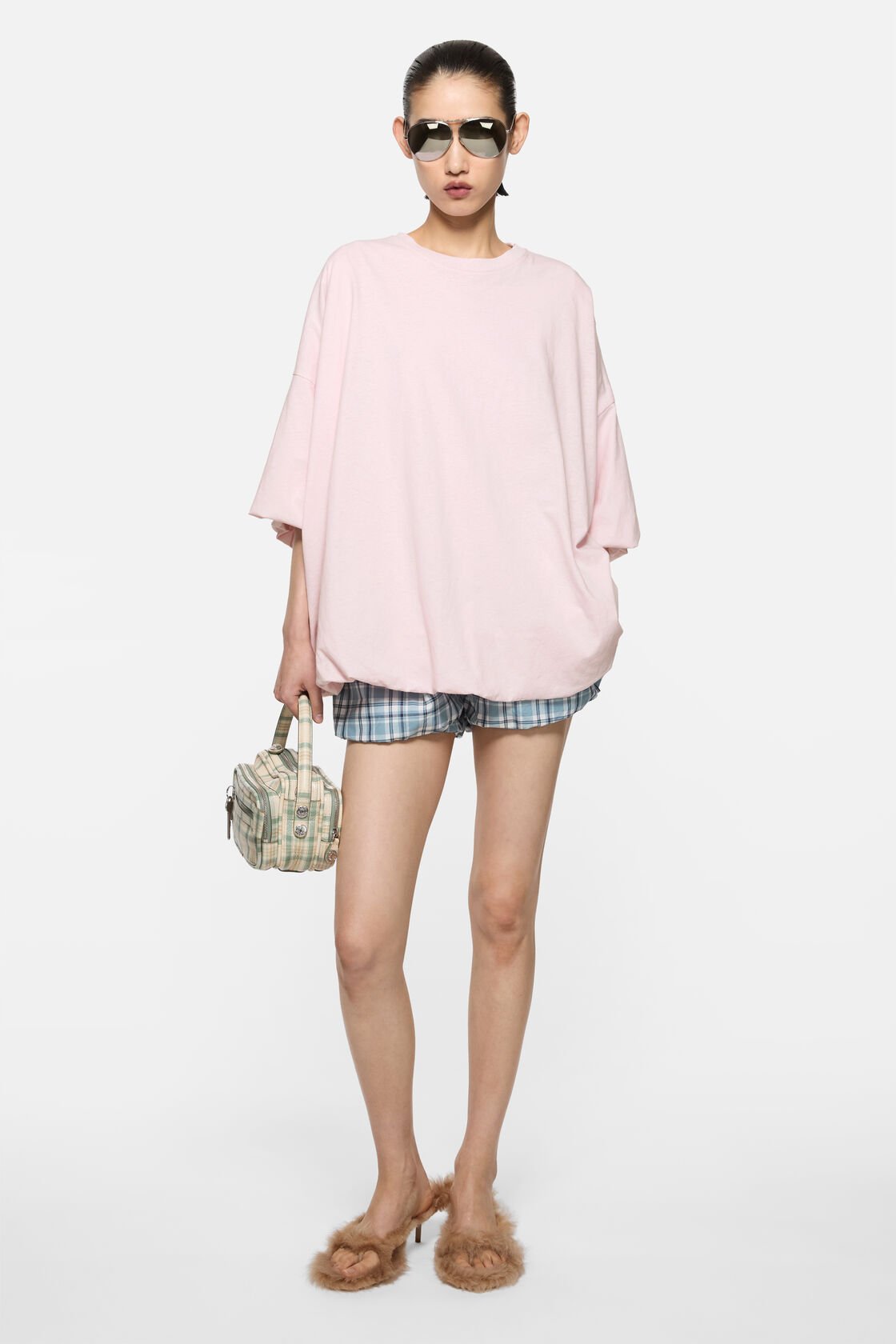
Acne Studios has begun reissuing pieces from its 2000s and early 2010s archive — not in the commemorative box-set manner of a heritage house, but as part of its current collection. The grey melton Velocite motorcycle jacket from 2008. The Jensen boot with the squared-off toe from 2012. The raw-edged flannel shirt that appeared in half a dozen shows between 2006 and 2009. They're back in production, tagged with their original season codes, sold alongside this year's lineup without ceremony.
The reissue programme launched quietly in autumn 2023. No capsule announcement, no collaboration framing. Just a selection of styles folded back into the range as if they'd never left. By spring 2024, the Stockholm flagship carried fourteen archive pieces at any given time, rotated monthly. The approach is closer to how Comme des Garçons handles its back catalogue than how most brands mine nostalgia — these aren't reproductions or tributes. They're the same patterns, often the same Italian and Portuguese mills, cut and sewn to the original specifications.
What's being brought back tells you something about what the house wants to remember about itself. The Velocite jacket, for instance, was Jonny Johansson's first serious outerwear success — the piece that convinced European buyers Acne could do more than denim and knitwear. It's an asymmetric zip, stand collar, slightly dropped shoulder, made from felted wool thick enough to stop wind but soft enough not to creak. In 2008 it retailed for €680. Now it's €950, which tracks with a decade and a half of currency shifts and wage increases but doesn't account for the 25 per cent markup most houses would add for 'archive' status.
The Jensen boot is harder to place in current context. It's a Chelsea with a block heel, almond toe, and an ankle that sits higher than most men expect. When it first appeared, it was part of a unisex push that felt more casual than it does now — back then, Acne's shows didn't separate men's and women's casting, and half the boots walked out on women wearing men's trousers. Reissued now, the Jensen reads almost formal. The heel height hasn't changed, but everything around it has.
The raw-edged flannel shirts feel the most directly nostalgic, probably because they were never engineered pieces to begin with. Johansson used to buy deadstock fabric from Swedish military suppliers and Japanese workwear mills, cut shirts with unfinished hems and cuffs, and sell them for €150. The ones in stores now come from the same Portuguese factory that makes Lemaire's shirting, and they're €340. The fabric is still heavyweight, still a little coarse, but the romance of the original sourcing is gone. What remains is a good shirt with exposed seams.
Other houses have tested similar strategies in the past two years, but few have committed as plainly. Helmut Lang's reissue under Helmut Lang's own supervision was a one-season experiment. Maison Margiela's Replica line mines its own archive but reframes everything as homage. Prada occasionally brings back a nylon piece from the '90s, but always in limited quantity, always with a wink. Acne's version feels more like restocking than reviving — these pieces sit in the same rails as the current season, priced within 10 per cent of comparable new styles.
The timing makes sense if you consider Acne's customer base. The house built its reputation in the mid-2000s, which means its earliest loyal customers are now in their late thirties and early forties — old enough to want the jacket they couldn't afford at twenty-three, young enough to still fit into it. Nostalgia works best when it's not quite nostalgic yet, when the original moment is still within living memory but far enough back to feel like a different era.
There's also a practical angle. Acne's design language has stayed consistent enough that a 2008 jacket doesn't look out of step in 2025. The house never chased trends hard enough to date itself. A Velocite doesn't read as 'archive' the way a 2008 Dior Homme piece does — it just reads as a well-cut motorcycle jacket. That consistency is rare, and it's what makes this programme possible. Most brands can't reissue their own work because their own work has changed too much.
What it means to dress in this for the next twelve months is that you're buying into a version of fashion that treats its own past as current inventory rather than cultural artifact.