Burberry is cutting shoulders higher and narrower than it has in five years
Burberry is cutting shoulders higher and narrower than it has in five years. The dropped, easy-set sleeve that dominated the house's tailoring from 2019 through last season — the one that read as relaxed, almost civilian — is gone. In its place: a shoulder line that sits closer to the natural break of the clavicle, with a tighter armscye and a sleeve head that doesn't collapse when you move. It's a small shift in measurement. It's not a small shift in posture.
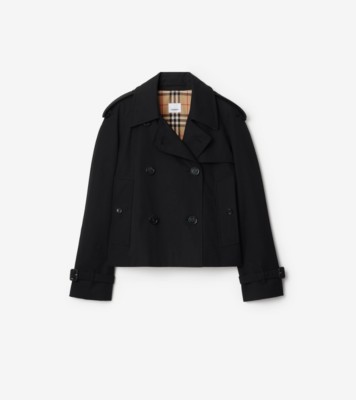
The change showed up first in the Pre-Fall 2025 lookbook, released in early January. A double-breasted wool coat in camel — house territory, obviously — had a shoulder that landed maybe half an inch higher than the same cut would have a year ago. The sleeve pitched forward slightly, which is what happens when you tighten the armhole: the garment starts to assume the body is in motion, leaning into space rather than standing still. By the time the main Fall/Winter 2025 collection came through in February, the vocabulary was consistent. Trench coats, blazers, even a few of the softer overshirts — all of them built on a scaffold that asked the wearer to carry themselves differently.
This isn't about padding. Burberry isn't reviving the power shoulder of the Eighties, and it's not chasing the exaggerated trapezoid shapes that showed up at Balenciaga or Ludovic de Saint Sernin in recent seasons. The house is working in a narrower register. The new shoulder is defined, but it doesn't project past the body's frame. It's architectural in the sense that it acknowledges structure, not in the sense that it builds a silhouette from scratch. The effect is contained. You notice the line, but you notice the person wearing it first.
The shift makes sense if you've been watching what's been happening in the broader tailoring conversation. Loro Piana's Fall 2025 showed a similar tightening — softer materials, yes, but a sleeve set that didn't forgive slouching. The Row's Pre-Fall had it too, though they came at it from the other direction: where Burberry is tightening from a previously relaxed baseline, The Row tightened from a place that was already fairly close to the body. Both houses landed in roughly the same place. So did Jil Sander's most recent men's offering, which ran a clean shoulder line through everything from topcoats to shirts. The consensus is quiet, but it's there.
What Burberry is doing with the rest of the garment makes the shoulder choice legible. Trousers are staying full through the leg — not wide, but with enough room that they don't cling at the thigh. Shirt collars are smaller, sitting closer to the neck. The overall line is long and fairly narrow, which means the shoulder becomes the load-bearing detail. It's the part of the outfit doing the work of structure, so the rest of the garment can stay loose without reading as unfinished. You see this most clearly in a charcoal wool suit from the mainline FW25 collection: the jacket's shoulder is clean and deliberate, the trouser has a deep front pleat and a wide cuff, and the two elements hold each other in balance. Neither one would work without the other.
There's a practical consideration here, which is that a higher, tighter shoulder requires better tailoring. A dropped shoulder is forgiving. You can approximate the shape in a less expensive make, and it'll still function. A shoulder that sits at the natural line doesn't forgive much. If the pitch is wrong by a quarter inch, the whole garment pulls. Burberry knows this, and the houses that are following this direction know it too. The shift toward a more defined shoulder is also, inevitably, a shift toward garments that cost more to produce well and that require more attention in the fitting.
The question for the next twelve months is whether this tightening holds, or whether it stays specific to a handful of houses working in the luxury tailoring space. Right now it's mostly visible in outerwear and suiting — the places where Burberry has always had the most authority. If it starts showing up in shirting, in knitwear, in the less formal parts of the wardrobe, then it's not just a tailoring trend. It's a broader recalibration of how we expect clothes to meet the body. For now, it's enough to know that if you're buying a Burberry coat this year, it's going to ask you to stand a little straighter than the one you bought last year.