Fendi has dropped the shoulder seam
Fendi has dropped the shoulder seam. Not by accident, not by a centimetre—by four, sometimes five. The result is a sleeve head that sits where your deltoid actually ends, a jacket that doesn't project past your frame. It's the opposite of the pulled-back, athletic set we've seen for the last two years. This is a shoulder that follows the body instead of announcing it.
The shift showed up clearest in the Pre-Fall 2024 collection. Silvia Venturini Fendi ran double-breasted blazers in a tobacco wool-silk with sleeves that fell straight from a lowered pitch. No padding, no roping at the head. The effect was immediate: softer, but not unstructured. The jackets still closed with tension, still held their line through the waist. What changed was the relationship between cloth and clavicle. You could see where the wearer's actual shoulder ended.
By Spring 2025, the vocabulary expanded. Fendi's mainline show opened with a run of coats—lightweight gabardine, some in that wheaten beige the house returns to when it wants to talk about Rome—cut with the same dropped armscye. Paired with trousers in a higher rise than we've seen from the maison in five seasons, the proportions read almost mid-century. Not retro. Just pre-1990s, before American sportswear rewrote the template. The silhouette worked because Fendi didn't dress it up with period details. No wide lapels, no exaggerated pockets. Just the shoulder, doing less.
This wasn't isolated. Hermès had been inching this direction since Fall 2023, Nadège Vanhee-Cybulski cutting outerwear with a natural slope that made the brand's silk scarves sit differently at the neck. The Row's Spring 2024 showed it in knitwear—fine-gauge cardigans that draped from a softer shoulder, no structure underneath. But Fendi's doing it in tailoring, in pieces that still need to hold their shape through a fitting. That's harder. A cardigan can slump. A double-breasted blazer in wool-silk can't.
What makes the Fendi version distinct is the way the maison balances the dropped shoulder against everything else. The trousers aren't wide. They're straight through the leg, sometimes with a front pleat that doesn't open unless you sit. The waist sits just below the natural line, high enough to meet the jacket's hem without a gap. It's a studied proportion, the kind that only works if you've cut the sleeve pitch to account for how far the shoulder has moved. Get it wrong by two centimetres and the whole thing looks like you're wearing your older sister's blazer.
Fendi's also running this in leather. The Fall 2024 collection included a blouson in supple vacchetta with the same dropped sleeve head, paired with a knee-length skirt in matching leather. The blouson sat close through the body but soft at the shoulder, no structure except the leather's own weight. It's a risky move—leather this supple can collapse if the cut doesn't account for how the hide moves. Fendi's holding the line by keeping the body slightly fitted, so the shoulder reads as deliberate, not accidental.
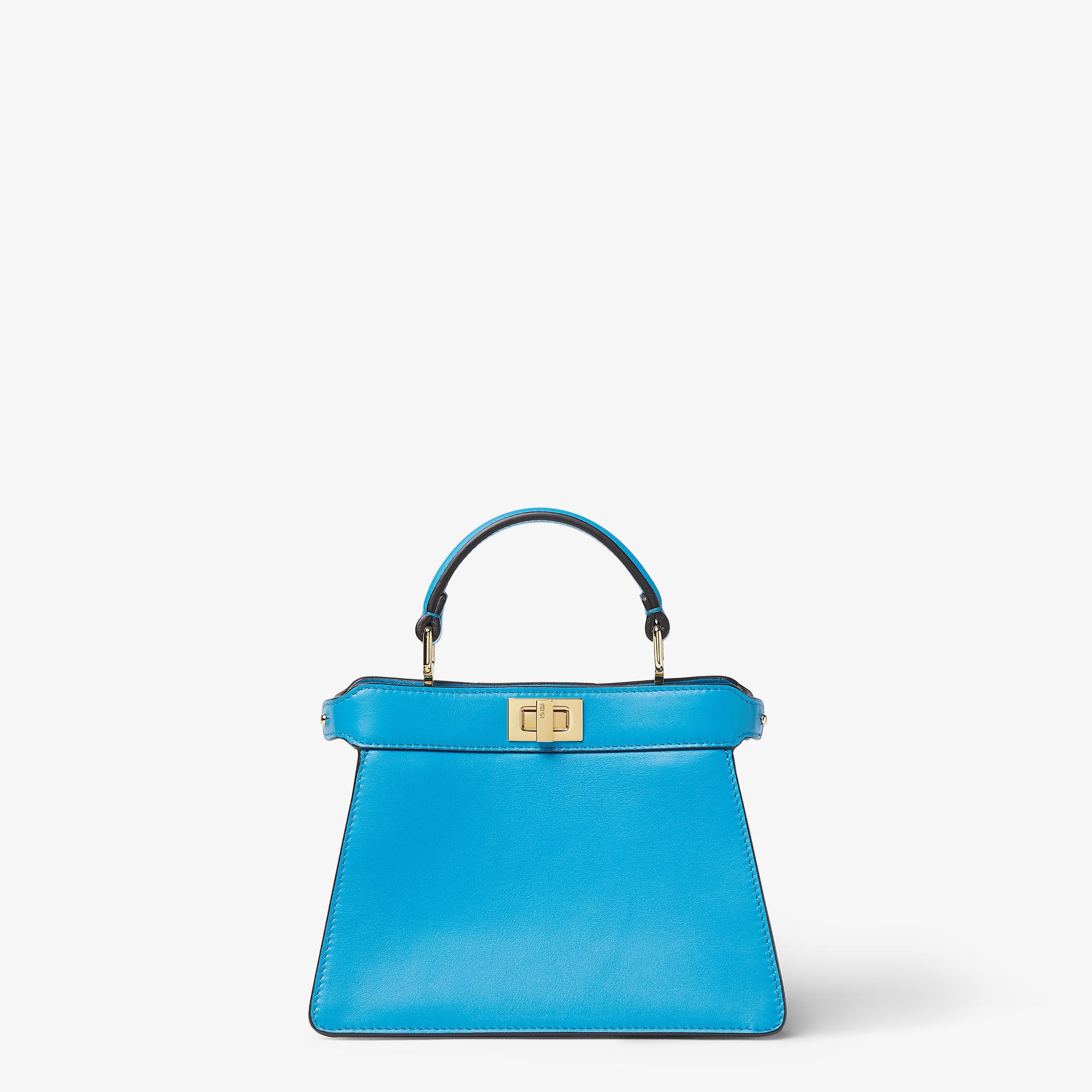
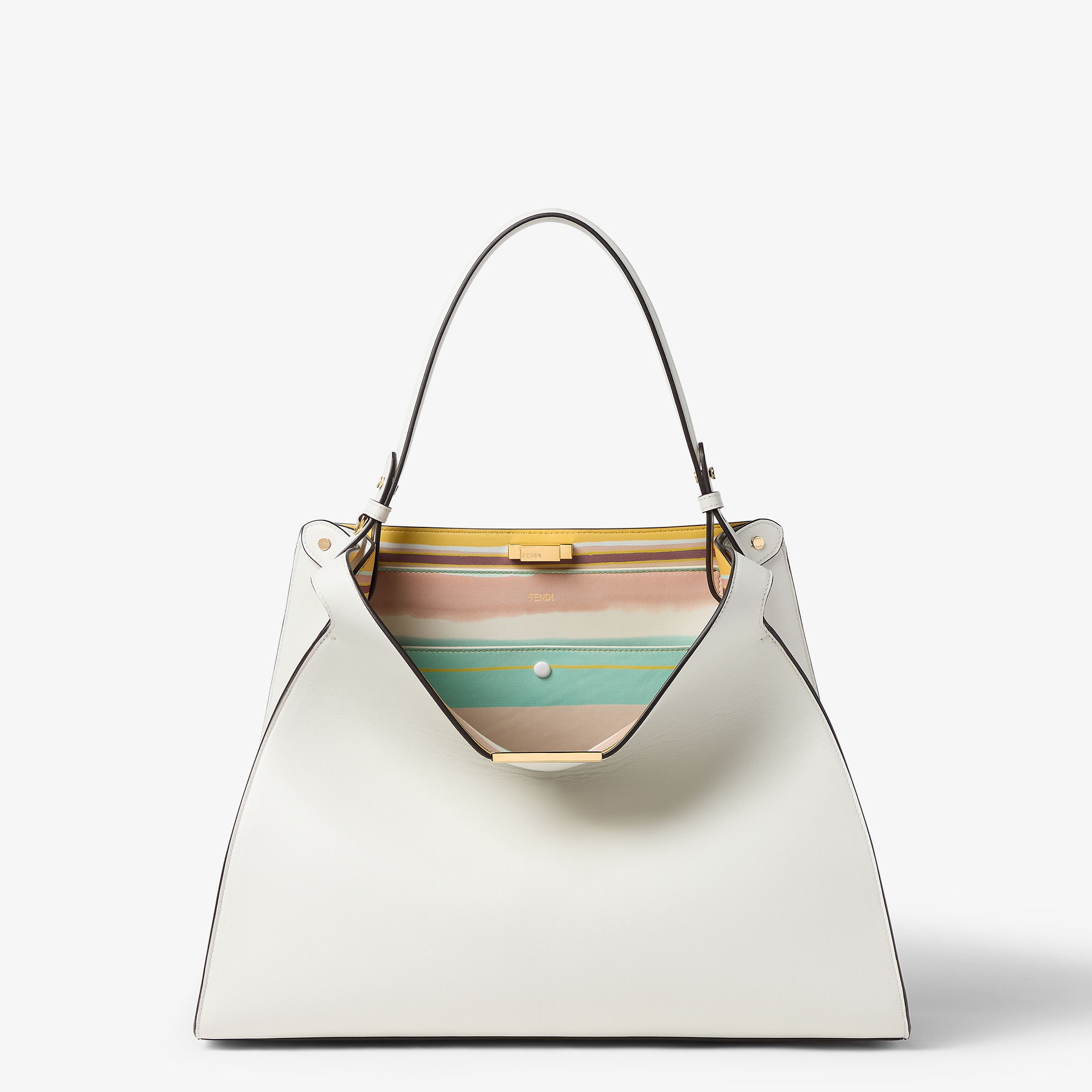
The broader context: this is happening while bags are getting smaller and shoes are staying flat. Fendi's Peekaboo has been reissued in a size that actually fits under your arm, and the maison's been showing loafers with a stacked heel that barely clears two centimetres. The dropped shoulder fits into that. It's part of a silhouette that's pulling inward, getting closer to the body's actual dimensions instead of projecting past them.
Some of this is practical. A jacket with a natural shoulder packs differently, wrinkles less across the back, doesn't need the same level of upkeep. Some of it is aesthetic. We've spent the better part of a decade in oversized tailoring, and the eye adjusts. What looked sharp in 2019—a strong shoulder, a wide lapel—now reads almost costume-y. Fendi's version feels like a correction, not a revolution.
The question is durability. Dropped shoulders have cycled through before, usually as a reaction to something more structured. They tend to last three, maybe four seasons before the industry decides we need our shoulders back. But if Fendi keeps running this through multiple categories—tailoring, outerwear, leather—it might stick longer. The house has the manufacturing infrastructure to make it feel inevitable rather than trend-driven.
For the next twelve months, dressing in this means accepting that your silhouette will sit closer to your actual frame, and that's the point.