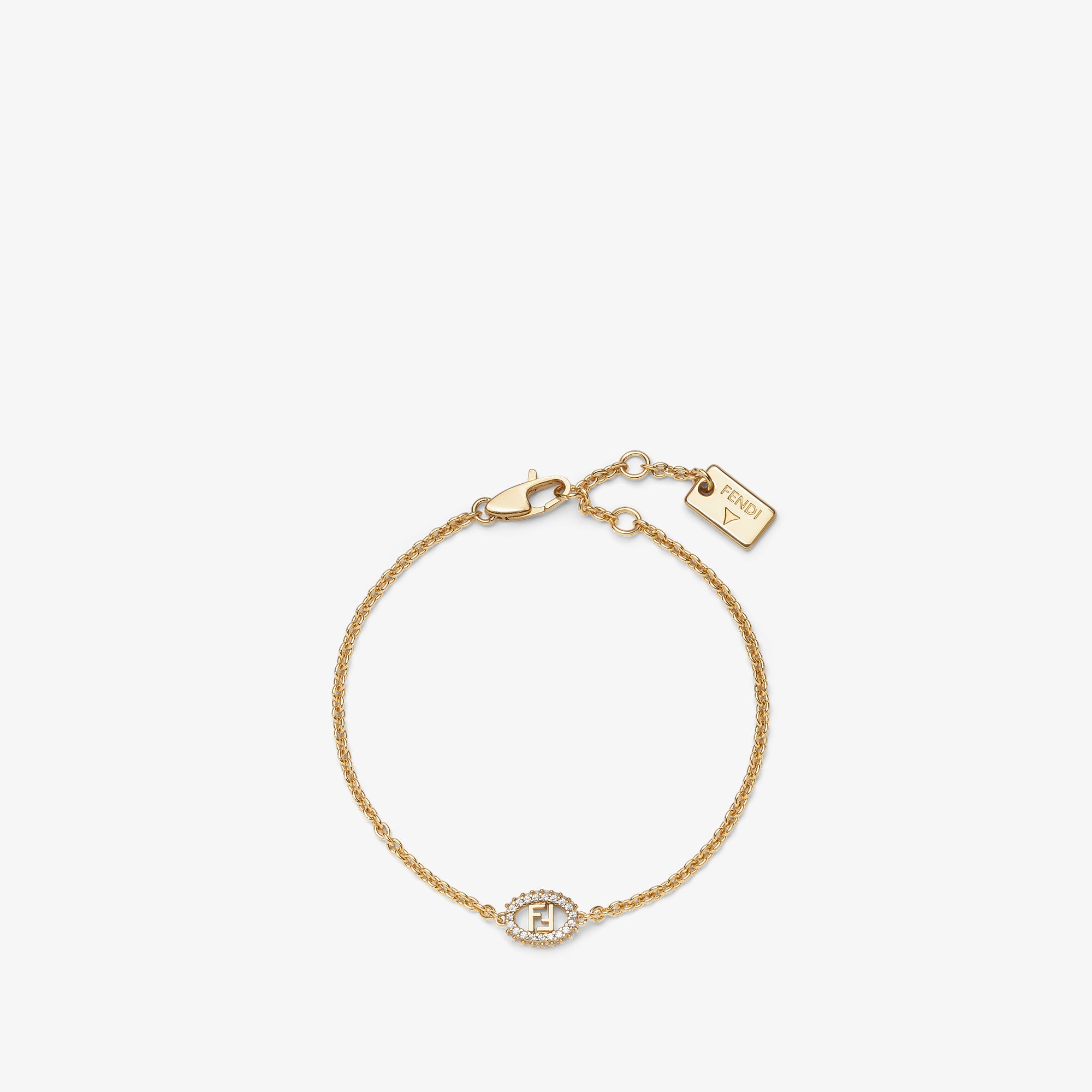
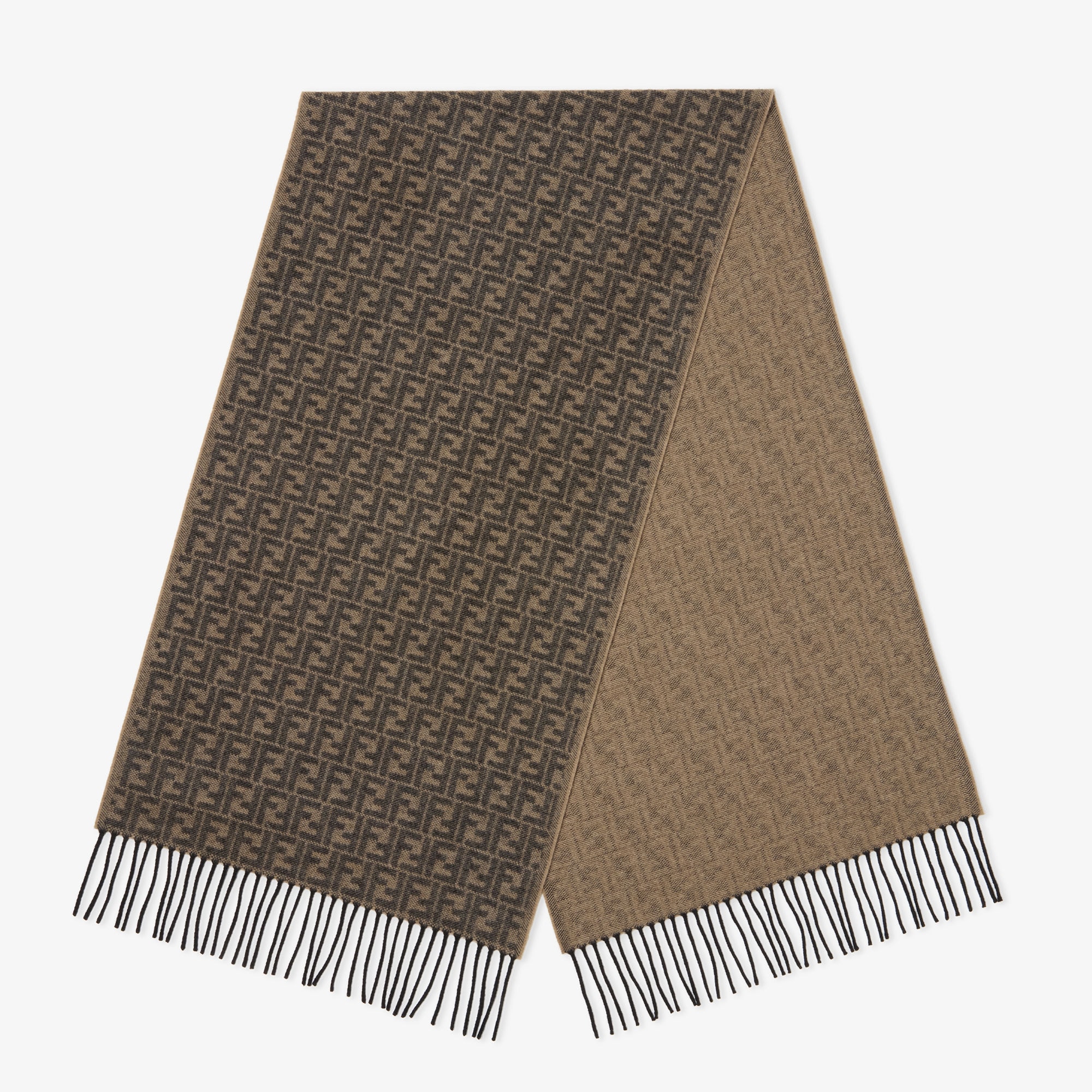
Fendi is putting pieces from 1997 to 2008 back into production
Fendi is putting pieces from 1997 to 2008 back into production. Not reinterpretations. Not "inspired by." The same bags, the same silhouettes, sometimes the same leathers, pulled from the years when Silvia Venturini Fendi was establishing what the house's accessories vocabulary would become and Karl Lagerfeld was still sharpening its ready-to-wear edge.
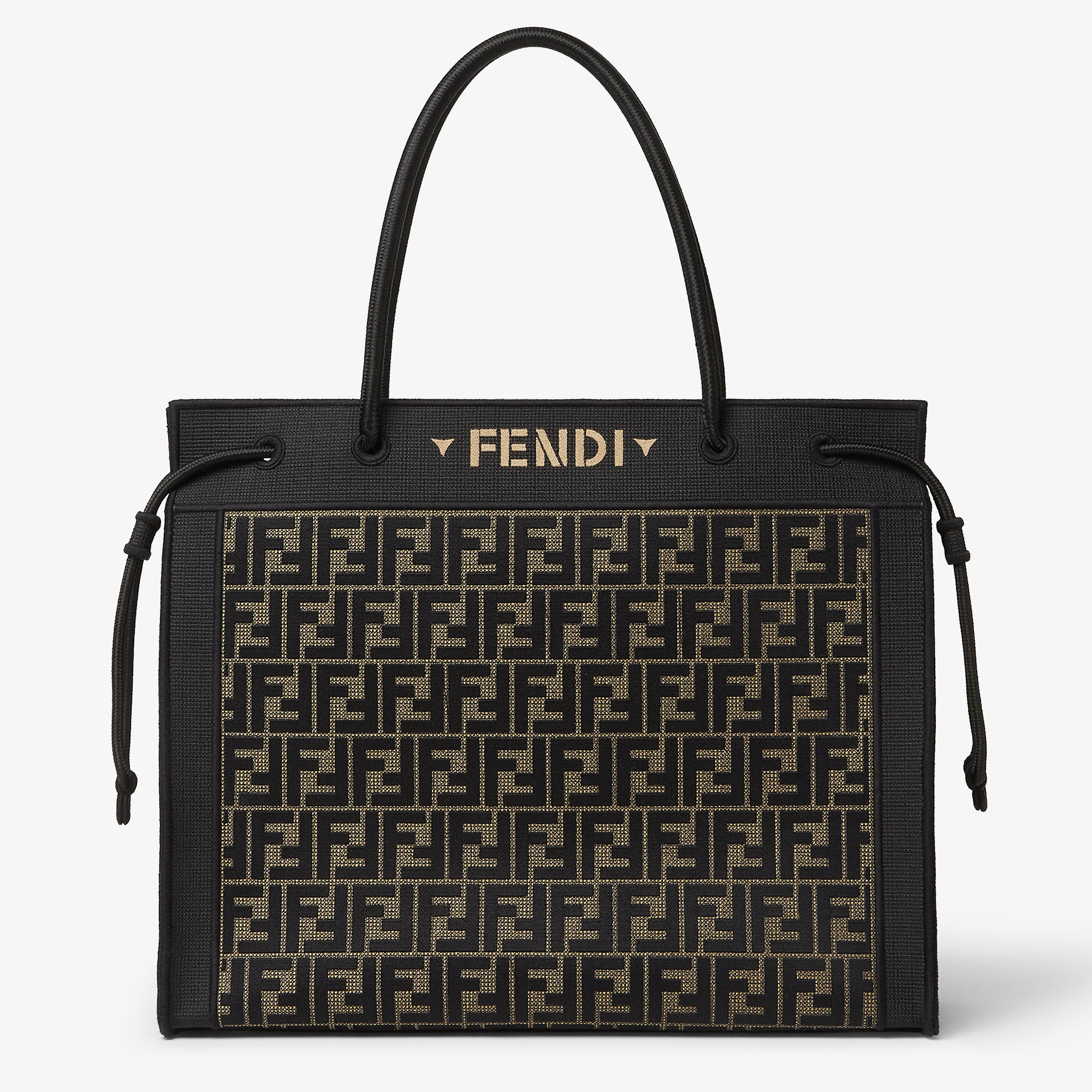
The first wave centres on the Baguette. Styles from the bag's debut in 1997 through its early-2000s variations are being reissued in limited runs — the beaded versions, the ones with tortoiseshell hardware, a few of the embroidered florals that showed up in 2003. Some of these haven't been available since their original seasons. Fendi isn't calling it a capsule. It's calling it an archive release, which is a different proposition. A capsule suggests curation, editing, a creative director's point of view about what matters now. An archive release suggests the house looked at what people kept asking for and said yes.
The timing isn't accidental. Fendi spent the last eighteen months watching the secondary market. Certain Baguettes from 2001 to 2004 were moving for more than their original retail, sometimes twice that, even when the condition wasn't pristine. Specific styles — a 2002 denim version with contrast stitching, a 1999 black nylon with the double-F clasp in brushed silver — had waitlists on resale platforms. People weren't just buying Fendi. They were buying those Fendis, from those years, and they were willing to pay for exactness.
So the house went back. Not to reissue everything — the archive runs deep, and not all of it needs to come forward — but to reissue the pieces that had already been voted back into relevance by the people wearing them. A black leather Baguette from 2005. A version in tobacco suede from 1999. A beaded style from 2002 that had become, in certain circles, the Baguette people meant when they said they wanted a Baguette.
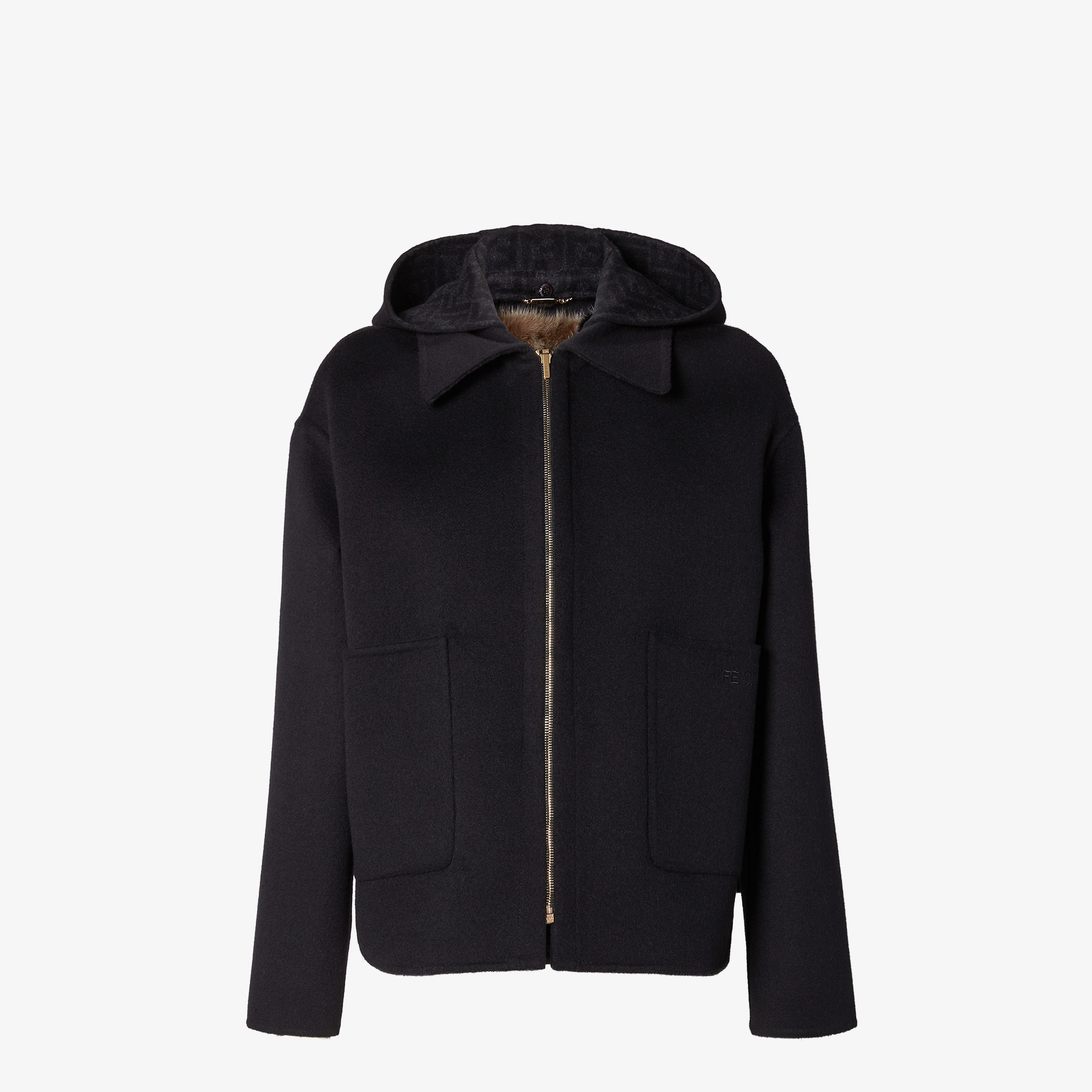
The broader ready-to-wear isn't far behind. Fendi is pulling from its late-1990s and early-2000s tailoring — the era when Lagerfeld was working with a higher waist and a narrower leg than the decade before, when the house's suiting had a clean, unapologetic formality to it. A double-breasted blazer from 2003 is back in wool barathea. A pair of trousers from 1998, cut with a flat front and a hem that breaks once, is being produced in charcoal and navy. These aren't approximations. The patterns were kept. The cloth weights are the same, or as close as current mills allow.
Other houses are watching. Prada has been selective about reissuing its nylon pieces from the late 1990s, but it's been doing it. Bottega Veneta brought back the Sardine bag earlier this year, a style from 2010 that had functionally disappeared until resale prices forced the question. Gucci reissued a 1999 shoulder bag last autumn in three of its original colourways. The logic is the same across all of them: if the market is already there, why let someone else set the price.
What's different with Fendi is the span. The house isn't just reaching for one or two hero pieces. It's reopening a thirteen-year period and asking what still holds. That's a broader risk. It assumes that the appeal isn't tied to a single bag or a single jacket, but to a sensibility — to the way Fendi was building a wardrobe in that window, when the tailoring was sharp and the bags were specific and neither one was trying to be anything other than what it was.
The question for the next twelve months isn't whether these pieces work — they already worked, and the fact that people kept looking for them on the secondary market is proof enough. The question is whether reissuing them changes what they mean. A 2002 Baguette bought in 2025 is not the same object as a 2002 Baguette bought in 2002, even if the construction is identical. One carries twenty-three years. The other carries the knowledge that the house heard you asking for it and decided you were right.
To dress in this is to accept that some things don't need to be reimagined — they need to be remembered correctly.