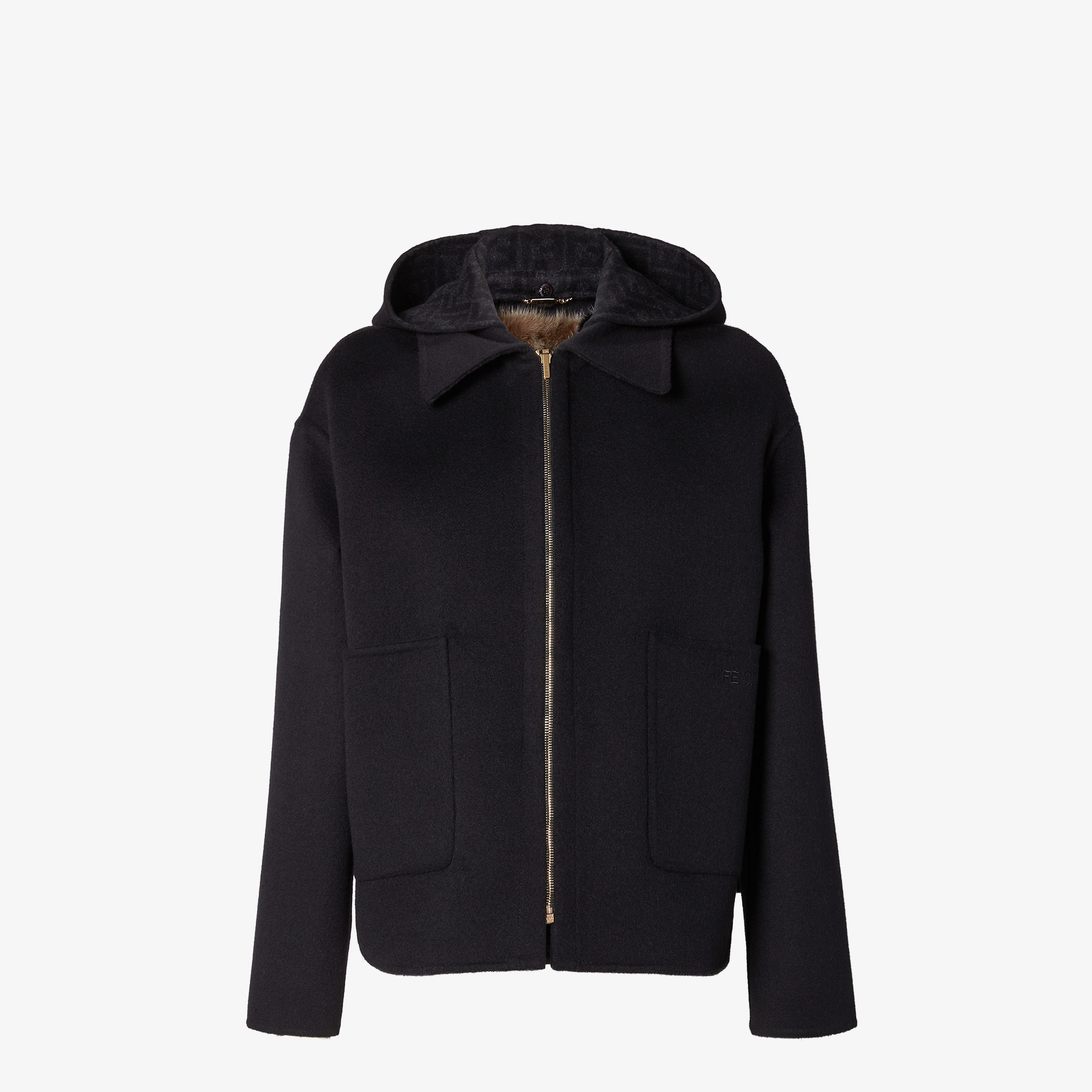
Fendi is reissuing pieces from its archive
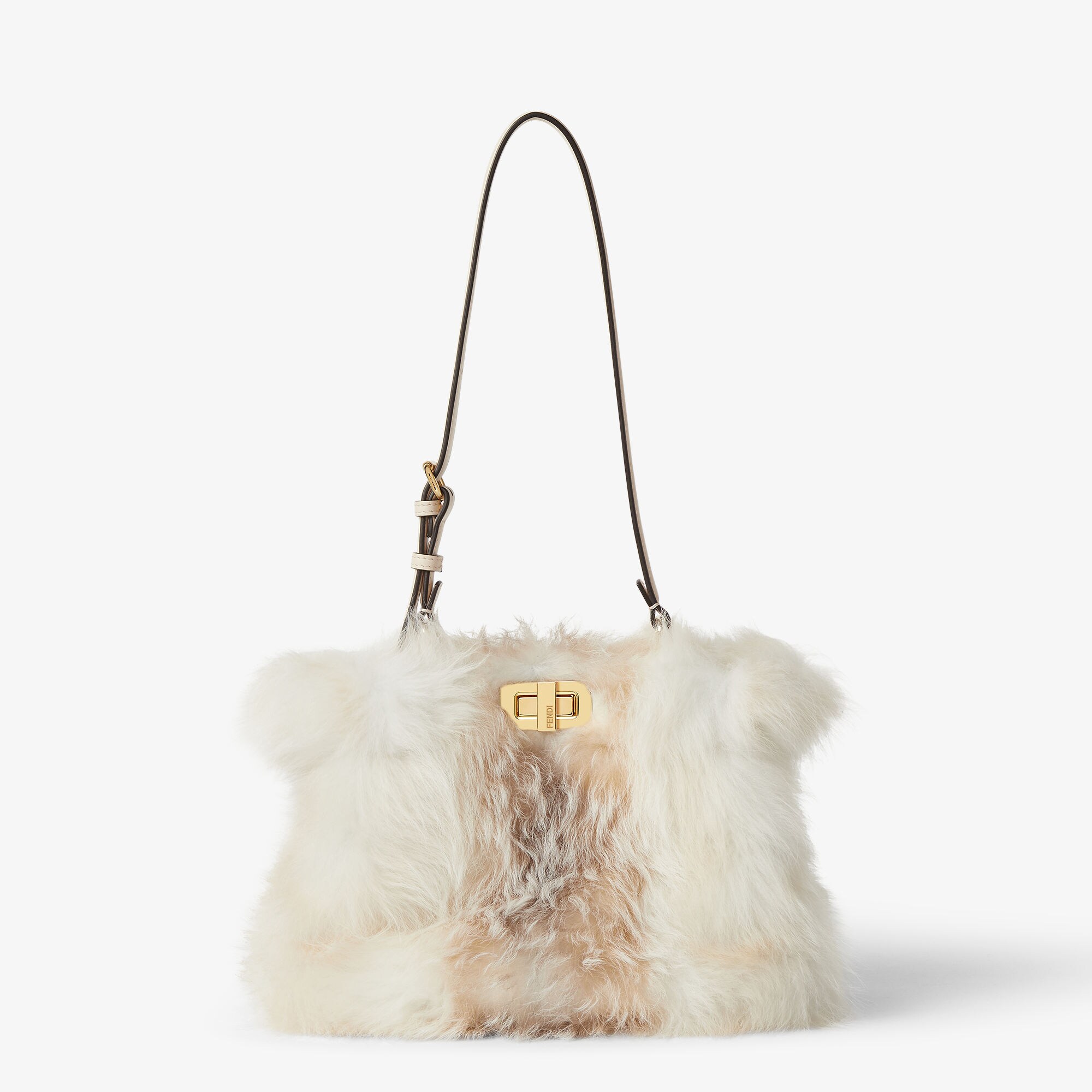
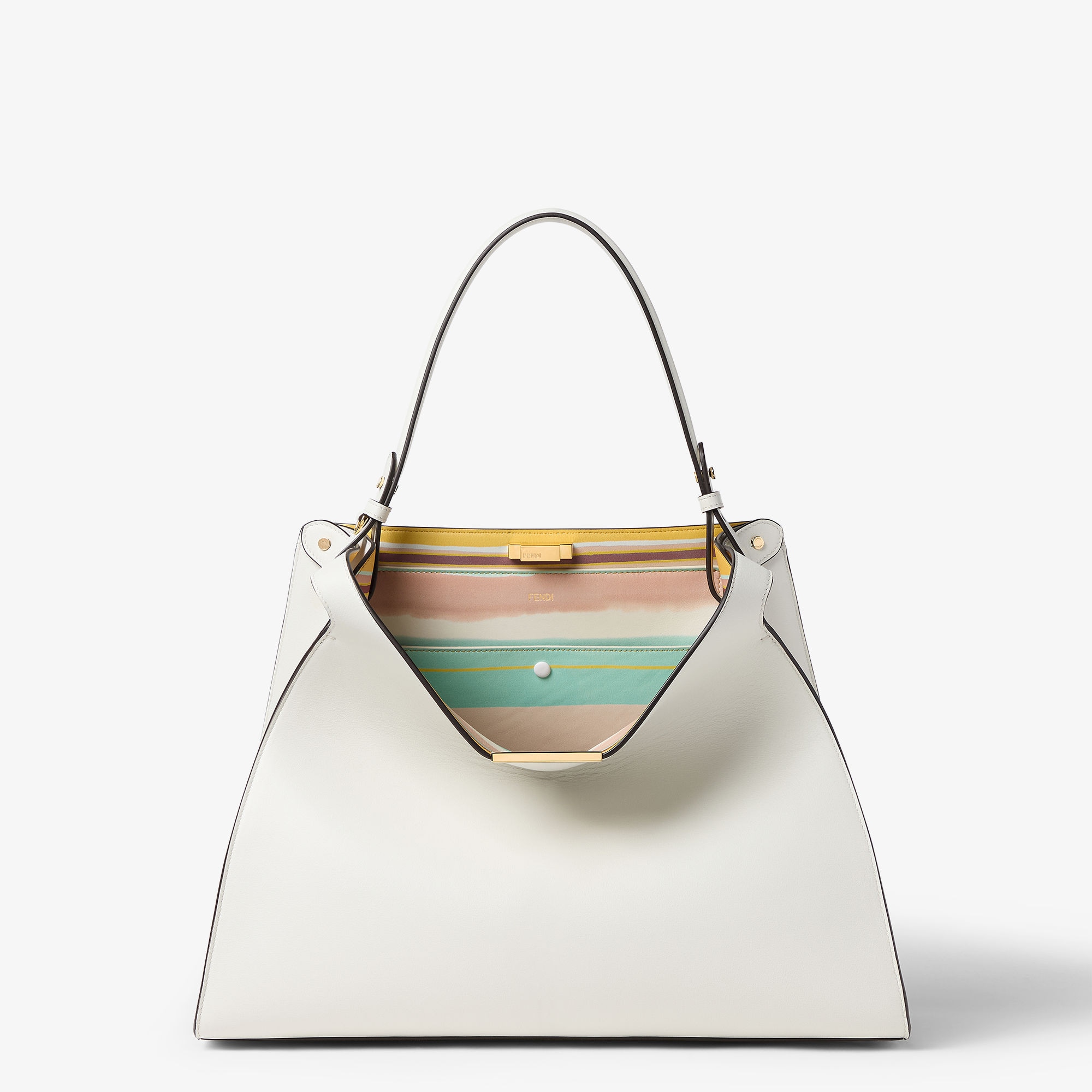
Fendi is reissuing pieces from its archive. Not facsimiles, not inspired-by — the actual silhouettes, pulled from seasons that predate most of the people buying them. The Baguette is back in its 1997 proportions. So is the Peekaboo, the way it sat in 2008. And the house isn't alone in this. What we're seeing is a wholesale return to named bags and recognisable shapes, the kind that carried specific years on their backs.
The Baguette arrived first, about eighteen months ago, in its original compact form — underarm, rigid, short strap. Fendi brought it back in the colourways Silvia Venturini Fendi designed in the late nineties: tobacco leather, beaded florals, python in shades no one uses anymore. It wasn't archive as inspiration. It was archive as product. The difference matters. By spring 2024, the reissues included the Peekaboo, which launched in 2008 and spent a decade as the house's answer to structured day bags. The new ones match the old ones down to the internal compartments and the twist-lock closure. Fendi isn't reviving a feeling. It's reviving the thing itself.
Other houses are doing the same, but they're calling it different things. Prada brought back nylon pieces from its 2000 and 2005 collections under the Archivio label last year, selling them in limited drops that moved faster than most seasonal stock. Those pieces weren't approximations — same fabrications, same hardware, same slightly-off proportions that read as early aughts even from across a room. Bottega Veneta has been quieter about it, but the Sardine and Jodie bags that anchored its 2020 and 2021 collections are now appearing in colourways and leathers that reference the house's output from the early 2000s, back when no one was paying attention to Bottega the way they are now. The references are specific enough that people who know, know.
What's driving this isn't nostalgia in the soft sense. It's specificity. For close to a decade, bags trended toward the minimal — unstructured totes, pouches without logos, crossbodies that disappeared into an outfit. That flattened things. A Mansur Gavriel tote in 2015 looked like a Cuyana tote in 2019 looked like an Everlane tote in 2021, and after a while the sameness stopped reading as ease and started reading as refusal. Refusal to be looked at, refusal to commit to a shape. The reissued archive pieces are the opposite of that. They are designed to be looked at. They have names. They have years attached to them.
The people buying reissued Baguettes now are not the people who bought them in 1999. Most of them were children then, or not born. They're buying a shape they recognise from images, from their mothers' closets, from Carrie Bradshaw's arm in a screenshot. They are buying into a history they didn't live through, which is its own kind of currency. You can't wear a 1997 Baguette ironically. It's too specific. It asks you to mean it.
Fendi's timing is also tactical. The house spent the last five years under Kim Jones and Silvia Venturini Fendi building out a vocabulary that leaned hard into logo play and oversized silhouettes — the FF jacquard, the Fendi Roma branding, bags that announced themselves from across the street. That was the right move for a moment when people wanted to be seen wearing the house. But we're past that now. The return to archive pieces is a way of saying: we've always had this. You don't need us to invent something new when the old shapes still hold.
There's a practical element, too. Reissuing archive pieces is faster and cheaper than designing new ones. You skip the development cycle. You skip the risk of a silhouette that doesn't move. You go back to a shape that already proved itself, and you let the market decide again. If it sells, you were right twice.
The question isn't whether this will continue — it will, because it's working. The question is how long it can work before the archive runs dry, or before wearing a reissue stops feeling like access to history and starts feeling like a refusal to move forward. Right now, we're not there yet. Right now, a 1997 Baguette on a 2025 body is a way of saying you know where you stand. For the next twelve months, that's enough.