Fendi is reissuing the Baguette
Fendi is reissuing the Baguette. Not a version of it, not a descendant — the actual silhouette from 1997, in fabrics and hardware configurations that Silvia Venturini Fendi designed before most of the people buying them were born. The bags arrive in stores this spring alongside recuts of the Peekaboo from 2008 and select ready-to-wear pieces from Karl Lagerfeld's tenure between 1965 and his death in 2019. This isn't nostalgia. This is the house opening its own vault and deciding which objects still have a job to do.
What's being brought back
The Baguette returns in its original proportions: compact, underarm, a short strap that sits high on the torso. Fendi is producing it in sequins, in shearling, in the double-F jacquard that became shorthand for the bag in the late nineties. The hardware is period-correct. So is the interior — no concessions to the pocket configurations people expect now. If you carried one in 1999, you'll recognise the layout.
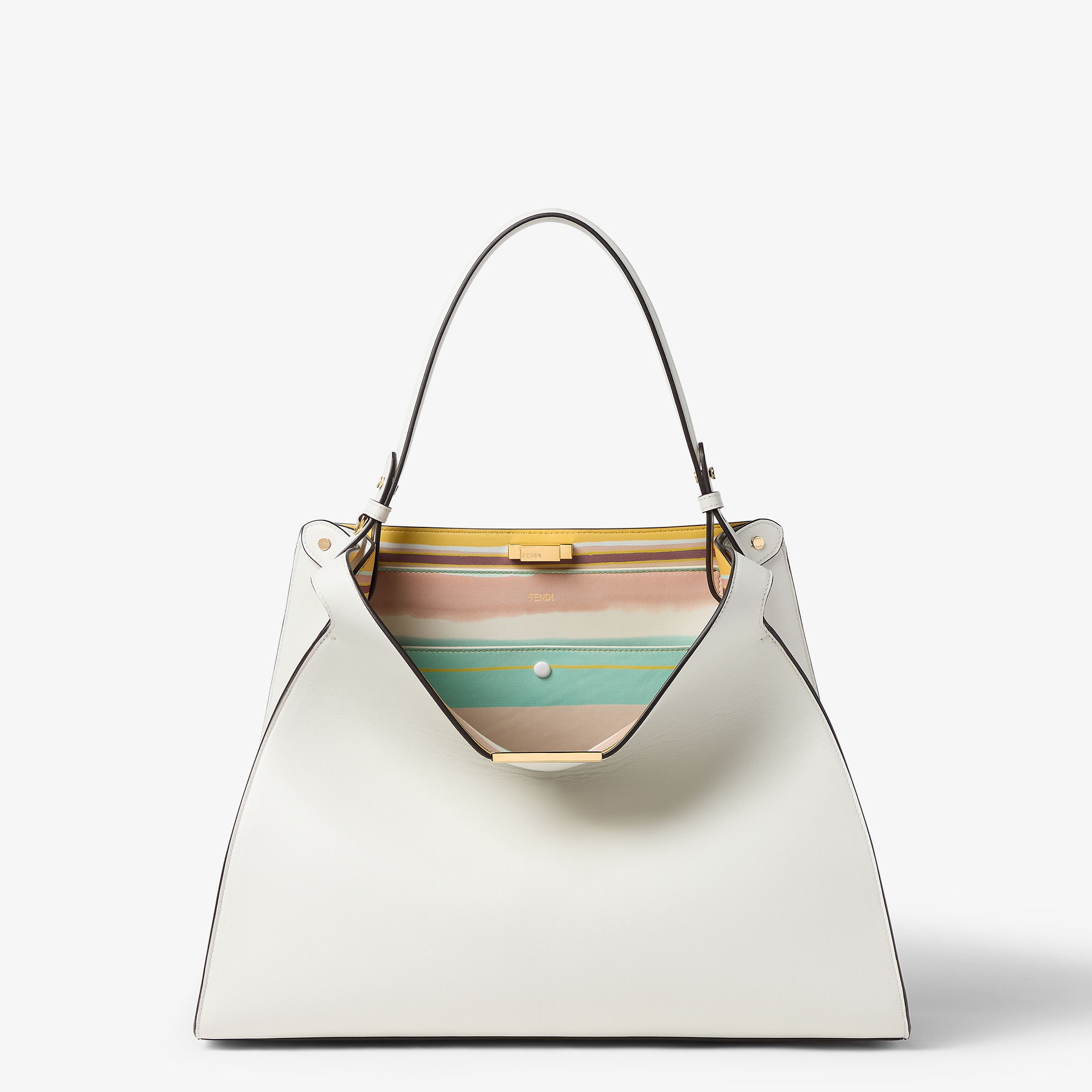
The Peekaboo, younger by a decade, comes back in two sizes. The medium frame bag, structured and doctor's-bag formal, was part of Fendi's 2008 collection. It predates the era when every house had to have an It bag, but it became one anyway. The reissue keeps the twist-lock closure and the divided interior that shows a flash of contrast lining when you open it. Fendi is running it in calf, in patent, and in a cognac-tone leather that wasn't part of the original offering but reads like it could have been.
Ready-to-wear is more selective. A double-breasted wool coat from Lagerfeld's 1983 collection, cut long with a suppressed waist and shoulders that don't push but don't recede either. A silk blouse from 1991 with a pussy-bow that ties once and drapes instead of strangling. A leather skirt, A-line, from 2003. These aren't reproductions sold as vintage — they're pieces Fendi has put back into production with the same patterns, same mills where possible, same approach to finishing.
Why now matters
The archive reissue isn't new. Prada brought back nylon pieces from the nineties. Margiela has been cycling through Tabi boots and split-toe heels for years. But those were houses leaning on a signature — something they never fully stopped making. Fendi's move is different. The Baguette had its run, then receded. It wasn't on arms in meaningful numbers between 2005 and 2019. The Peekaboo stayed in production but wasn't pushed. What's happening now isn't a house playing its greatest hits. It's a house deciding that certain objects have more to say in 2025 than they did when they were designed.
Part of that is market correction. The past five years gave us bags that required explanation — sculptural, conceptual, difficult to wear with anything that wasn't also making a statement. The Baguette is the opposite of that. It's legible. You don't have to know anything about Fendi to understand what it does. But if you do know, the references stack: Venturini Fendi's insistence on function, Lagerfeld's understanding of proportion, the house's history with fur and leather as materials that carry weight, not just luxury signalling.
Timing also responds to how people are buying now. A 27-year-old in Brooklyn wasn't sentient when the Baguette first circulated, but she grew up watching Sex and the City in reruns and understands the bag as a cultural object before she understands it as a fashion one. Fendi isn't courting that nostalgia directly, but they're not pretending it doesn't exist either. The archive works because it offers a way into the house that doesn't require someone to have been paying attention in 1997.
What it asks of the person carrying it
An archive piece doesn't perform the same way a new-season piece does. It doesn't signal that you're current — it signals that you're deliberate. The Baguette under your arm in May 2025 means you're not trying to predict what's next. You've looked at what already worked and decided it still does.
That's a different kind of dressing. It doesn't require chasing. It requires knowing what you're reaching for and why. The Peekaboo works the same way — it's formal without being stiff, structured without being rigid. You carry it to a meeting, to a dinner where the reservation took three weeks to get, to a wedding where you're not in the wedding party but you're not just a guest either.
What Fendi is offering isn't a trend. It's a position. The position is that some objects don't need to be reimagined — they need to be made available again. For the next twelve months, dressing in this means choosing clarity over novelty, which is its own kind of risk.