Gucci is cutting closer to the body again
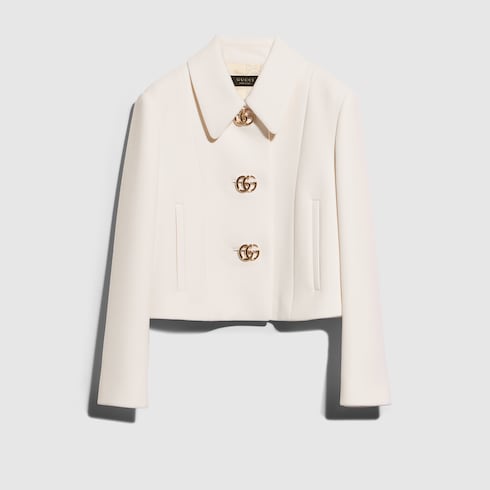
Gucci is cutting closer to the body again. Not tight — closer. The difference matters. Sabato De Sarno's second year at the house has brought trousers that sit at the natural waist, jackets that follow the line of the shoulder without swallowing it, skirts hemmed at mid-calf instead of grazing the ankle. It's a deliberate pull away from the oversized silhouettes that have dominated since 2019, and it's happening while Saint Laurent and Bottega Veneta — Kering's other two Italian anchors — are moving in opposite directions.
At Saint Laurent, Anthony Vaccarello is still working in volume. His autumn showing leaned into drop-shoulder blazers and trousers with a 32-inch inseam that pooled over platform boots. The proportions read as borrowed, which is the point. A man's tuxedo jacket worn over a slip dress. A leather trench that could fit two people. Vaccarello has always understood that Saint Laurent's currency is a kind of studied carelessness, and he isn't abandoning it now. The clothes assume you'll roll the sleeves, knot the belt, make them yours through adjustment.
Bottega Veneta under Matthieu Blazy is doing something else entirely. Not oversized, not fitted — structural. His last two collections have centred on garments that hold their own shape independent of the body wearing them. Leather trenches with exaggerated A-line skirts. Coats with rounded, sculptural shoulders that suggest armour more than tailoring. Dresses cut on the bias but weighted with double-faced cashmere so they move like something denser. Blazy's interested in architecture, in clothes that create space rather than follow it.
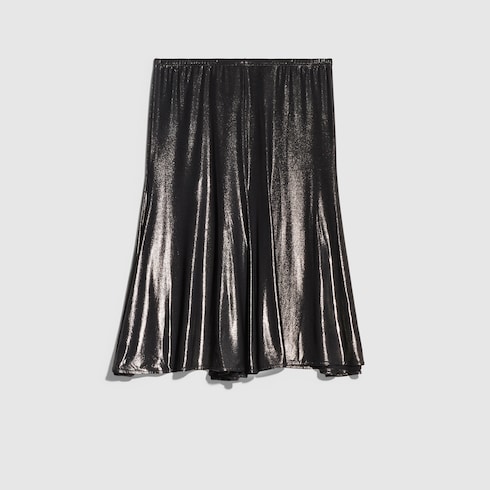
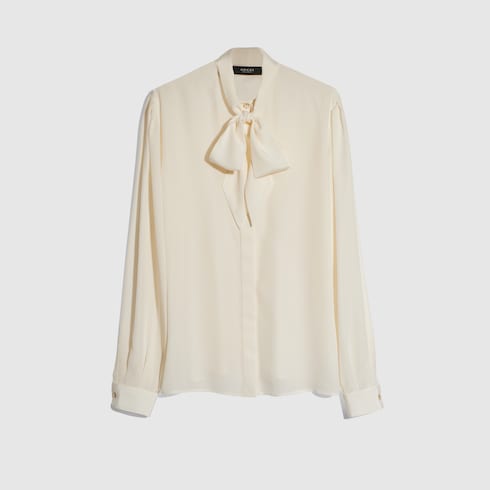
Gucci is taking the third position: a return to the body as the primary reference point. De Sarno's autumn collection showed pencil skirts in double-face wool that required a certain posture to wear. Cardigans in cashmere rib that ended exactly at the hip bone. Trousers with a flat front and a back dart, cut to sit just below the navel. These are proportions that don't forgive much, which means they ask for something in return. They ask you to stand differently.
It's a risky play. The appeal of the last five years of fashion has been its accessibility in silhouette if not in price. Oversized tailoring flatters more bodies with less effort. A drop-shoulder coat works whether you're a US 2 or a US 12. A high-waisted trouser with a tapered leg requires a more specific relationship between waist, hip, and inseam. Gucci is betting that enough people are ready to trade ease for definition.
The materials are doing some of the work. De Sarno is using fabrics with weight — wool gabardine at 340 grams per metre, silk crepe backed with cotton, leather that's been drum-dyed and hand-finished so it softens without losing structure. These aren't fabrics that drape. They hold a line. A Gucci skirt from this season doesn't move the way a Saint Laurent slip dress moves. It doesn't create space the way a Bottega coat does. It follows.
What's notable is that all three houses are operating from the same design vocabulary — Italian tailoring, an emphasis on natural fibres, a respect for craft — and arriving at completely different conclusions about what the body needs right now. Vaccarello thinks it needs room. Blazy thinks it needs protection, or at least separation. De Sarno thinks it needs definition.
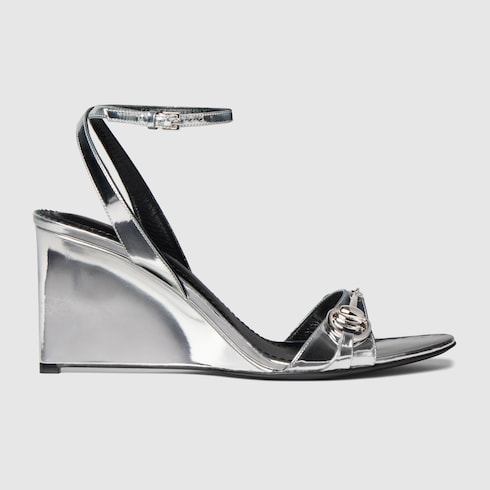
The market will decide, but the early read is mixed. Gucci's leather horsebit loafer — a flat, almond-toed style that requires a slim ankle to pull off — sold through its first production run in six weeks. The high-waisted trousers moved slower. Department store buyers have been cautious about reordering the more fitted pieces, which suggests the customer isn't quite there yet. Or isn't there in large enough numbers.
Saint Laurent's oversized blazers are still moving. Bottega's sculptural outerwear has a waitlist. Both houses are working in a register that allows for more bodies, more interpretations, more ways in. Gucci is narrowing the door.
It's possible De Sarno is reading the room correctly and we're six months away from everyone wanting a fitted cardigan and a pencil skirt. It's possible he's reading his own taste and assuming the market will follow. Either way, the clothes require a commitment. You can't half-wear a high-waisted trouser. You can't approximate the posture a fitted jacket asks for. You're in or you're not.
For the next twelve months, dressing in Gucci's direction means accepting that clothes might ask more of you than they have in a while — and deciding whether that's a trade you're willing to make.