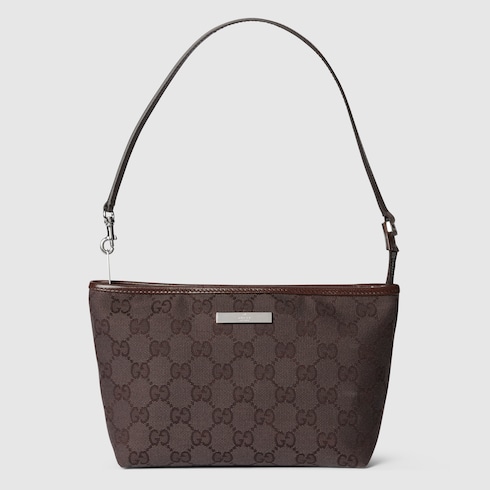
Gucci's archive comes back
Gucci is reissuing pieces from the Frida Giannini era — specifically, the 2006–2009 window when the house leaned into a kind of controlled bohemia that didn't yet know it would become reference material. The programme started quietly in January, with a capsule of thirteen pieces pulled from the Spring 2008 collection: a Flora print silk blouse, a bamboo-handled hobo in camel vacchetta, and a mid-rise flared trouser in navy wool gabardine. By March, those pieces were moving through the Sloane Street and Madison Avenue flagships at full price, no markdown, no apology.
This isn't nostalgia. It's margin management dressed as curation. Gucci's sales have softened — not collapsed, but softened — and the archive offers a way to generate newness without the lead time, the sample rounds, the unpredictability of a designer's first season. You pull from 2008, you know what sold then, you adjust the fit by two centimetres, and you price it fifteen per cent higher than you did seventeen years ago. The risk is minimal. The story writes itself.
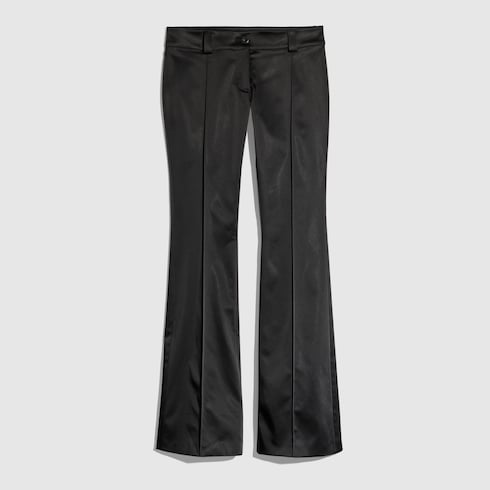
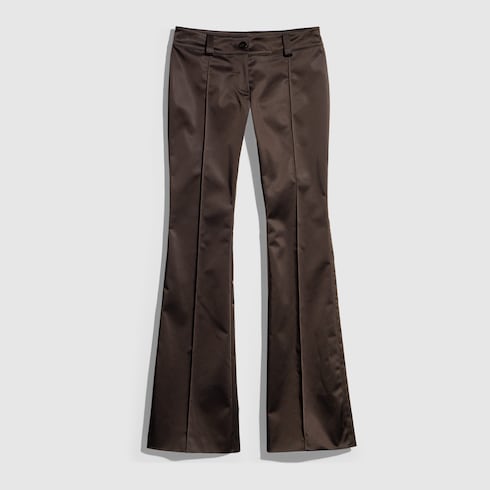
The pieces Gucci chose are telling. The Flora print — originally a 1966 Accornero commission for Grace Kelly, revived by Tom Ford in '96, then again by Giannini in the mid-aughts — is back in silk twill, this time on a pussybow blouse with a slightly longer body and a softer shoulder. It's recognisably Gucci, which is the point. The bamboo hobo, a shape that first appeared in 1947 and cycled through every decade since, returns in a size that splits the difference between the original top-handle and the oversized slouch Giannini pushed in 2007. The trouser is the most interesting: a mid-rise flare in a 240-gram wool, cut close through the hip and opening at the knee. It's the opposite of the wide-leg flood trouser that's been on the floor for the last three seasons, and it's the opposite on purpose.
Other houses are doing versions of this, but with different logic. Prada reissued the nylon backpack from 1984 last year, but that was about cementing an icon — the bag never really left, it just moved in and out of favour. Fendi brought back the Baguette in 2019, timed to the bag's twentieth anniversary and to a moment when everyone under thirty was hunting it on Vestiaire. Those were calculated resurrections of pieces that had already become shorthand. Gucci's move is narrower. The Giannini years don't have that kind of totemic status. They're remembered, but not mythologised. They sit in a sweet spot: recent enough to feel familiar, distant enough to feel like discovery.
The pricing is worth noting. The Flora blouse is listed at €1,200, roughly forty per cent more than a comparable silk blouse from the current mainline collection. The bamboo hobo is €2,400, which is less than the Dionysus but more than the Marmont. Gucci is positioning these pieces as special — not quite limited edition, but not quite regular stock either. They're being sold through a dedicated section on the website and in select stores, with a different kind of fixturing: brass rails, no branding, the kind of setup that's meant to feel like you've found something rather than been sold to.
The timing aligns with Sabato De Sarno's second year at the house. His first collections were about resetting the language — less maximalism, more restraint, a return to fabric and construction over logo and irony. The archive reissues support that narrative without requiring him to design them. They give the customer a way into the new Gucci that doesn't ask her to abandon the old one. It's a bridge, and bridges are useful when you're trying to move people from one place to another without them noticing the effort.
There's also a practical angle. Gucci still holds the patterns, the supplier relationships, the dye formulas from the Giannini era. Reproducing a 2008 Flora print is cheaper than commissioning a new one. The bamboo handles are made by the same Tuscan workshop that's been turning them since the forties. The trouser pattern requires minimal adjustment — a slight taper, a shorter inseam to account for the fact that women are wearing flat shoes again. The production calendar is shorter, the inventory risk is lower, and the product arrives with a story already attached.
What this signals for the next twelve months: dressing in Gucci's reissued archive means participating in a very controlled form of nostalgia, one that lets the house test how much of its past it can monetise without looking backward.