Gucci's archive comes back
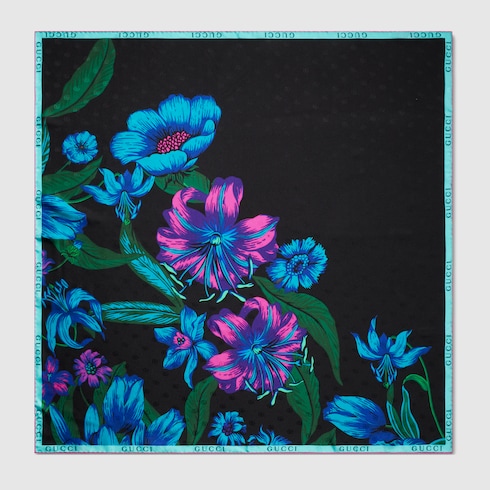
Gucci is reissuing pieces from its 1995–2004 Tom Ford era, not as capsule drops or anniversary stunts, but as permanent catalogue entries. The bamboo-handle Jackie, the horsebit loafer with the higher vamp, the Flora silk scarf in its original 70 cm format — all back in production, priced within ten per cent of their contemporary equivalents. This isn't nostalgia. It's an admission that the house spent two decades trying to replace silhouettes it should have just kept making.
The reissue programme started quietly in autumn 2023, when Gucci folded six archival bag styles into the core leather goods lineup. No press release. The pieces appeared on shelf in the Milan flagship, then Rome, then globally by December. By spring 2024, the programme had expanded to include ready-to-wear: the fluid silk shirt with contrast piping from Ford's spring 2000 show, the narrow wool trouser with the low waistband and the flat front, the jersey halter dress that closed his 1996 debut. All reproduced from original patterns, updated only where construction required it — lining weights, interlining for modern wash standards, zip gauges that still exist in supply.
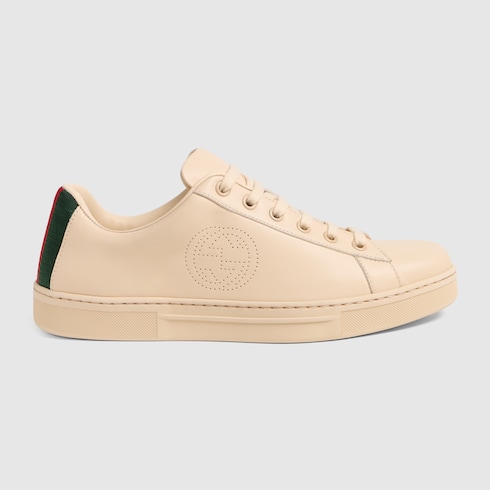
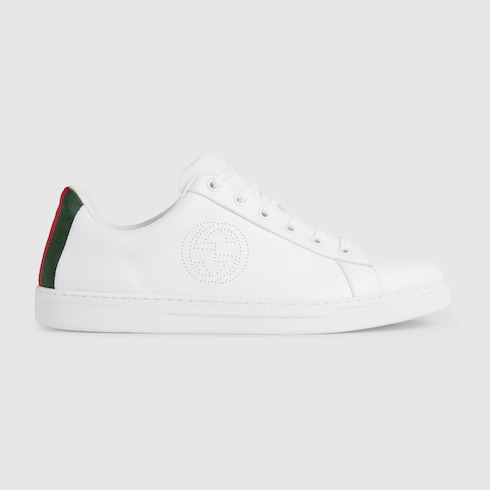
Why now? Because Gucci has spent the Sabato De Sarno era trying to articulate a design language that doesn't sound like pastiche, and the archive offers a way to hold space while the studio works. The Ford pieces aren't filler — they're proof the house once had a point of view legible enough to survive its own author. They also sell. The bamboo Jackie moved four thousand units in its first six months back. The horsebit loafer, reissued with the original last and a thicker sole, is the third best-selling shoe in the men's category. Customers know these shapes. They don't need persuading.
The choice of era matters. Gucci isn't pulling from the 1970s Aldo Gucci moment, when the house was still making saddlery-adjacent luggage for transatlantic travel. It's not reaching back to the 1980s, when the logo was larger than the product. It's going straight to Ford, the designer who turned Gucci into a fashion house instead of a leather goods manufacturer with runway ambitions. Ford's Gucci had a silhouette: narrow through the shoulder, opened at the sternum, high on the leg, close at the ankle. His tailoring assumed the body underneath had a shape worth addressing. The pieces being reissued now all carry that assumption forward.
Not everything is coming back. The satin tuxedo jacket with the peaked lapel and the open placket — the one Gwyneth Paltrow wore to the 1996 MTV Awards, red and backless and still referenced in mood boards — isn't in production. Neither is the chainmail halter from spring 1999, or the silk velvet suit from autumn 2000. Gucci is reissuing the pieces that work as wardrobe, not the pieces that work as image. The programme isn't about reconstructing Ford's greatest hits. It's about keeping the ones that function when the show's over.
The market for this is narrower than Gucci would like. The customer who wants a Ford-era Jackie already owns one, bought secondhand for less than retail. The customer who wants the loafer can get a near-identical shape from Celine or Loewe, both of which have been making that shoe for five years. What Gucci is offering is authentication — the original article, produced in the original factory, carrying the original design DNA. Whether that's worth the premium depends on how much you care about provenance over function. For some buyers, a lot. For most, not enough to override price.
The reissues also clarify what's missing from De Sarno's own output. His first two collections leaned into softness — unstructured blazers, draped jersey, rounded shoulders, ease through the waist. The archive pieces, by contrast, are all structure. They hold a line. They assume you want to be seen in silhouette, not in drape. The two approaches don't reconcile easily on the same rail, and Gucci hasn't tried to make them. The archive lives in its own section, online and in-store, a parallel offer for the customer who wants the house to remember what it used to be.
What this means for the next twelve months: if you're buying into Gucci now, you're choosing between two versions of the house, and the one with more authority is the one that's twenty years old.