## The Long Coat, The Flat Shoe, The Absence of a Bag
The Long Coat, The Flat Shoe, The Absence of a Bag
Fendi is showing a silhouette this season that reads like someone finally said the quiet part out loud: proportion matters more than novelty. Three pieces anchor the collection, and all three ask you to reconsider what you thought you needed. A coat that skims the ankle but doesn't pool. A flat shoe with structure, not apology. And — this is the part that'll make some people uncomfortable — the visible absence of a bag where you'd expect one.
Start with the coat. It's not new that Fendi does outerwear well; that's been true since the Seventies. What's new is the length and the weight. These coats hit right above the ankle, cut in heavyweight wool or double-faced cashmere, and they don't cinch. No belt, no tie, no moment where you're meant to define a waist. The line is clean and falls straight from the shoulder. You see this in the camel single-breasted style that opened the show, and again in the charcoal double-breasted version three looks later. Both have working sleeve buttons, which signals something: these are coats built for actual movement, not just the runway walk. The fit assumes you'll be lifting your arms, turning corners, sitting down. It assumes you have a life.
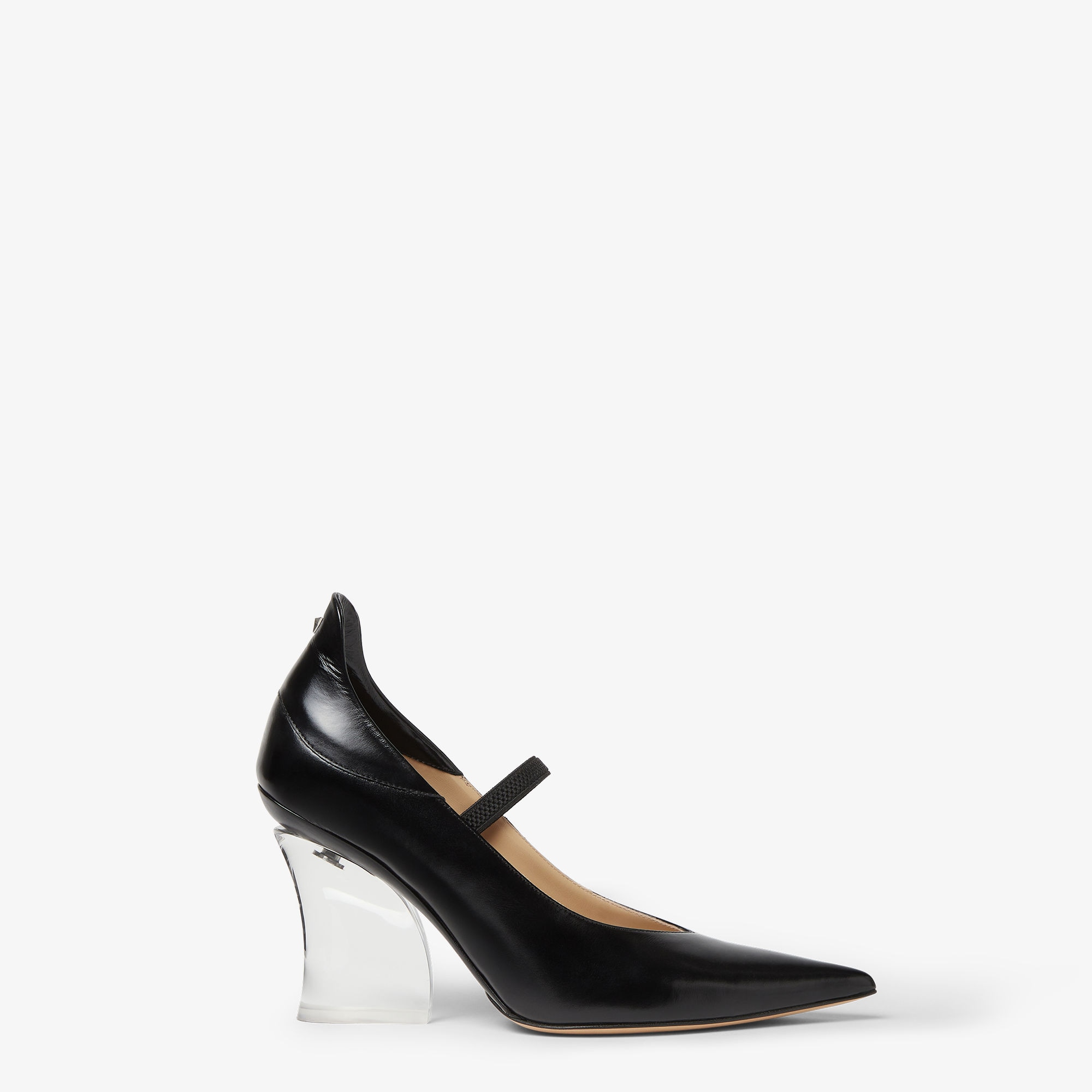
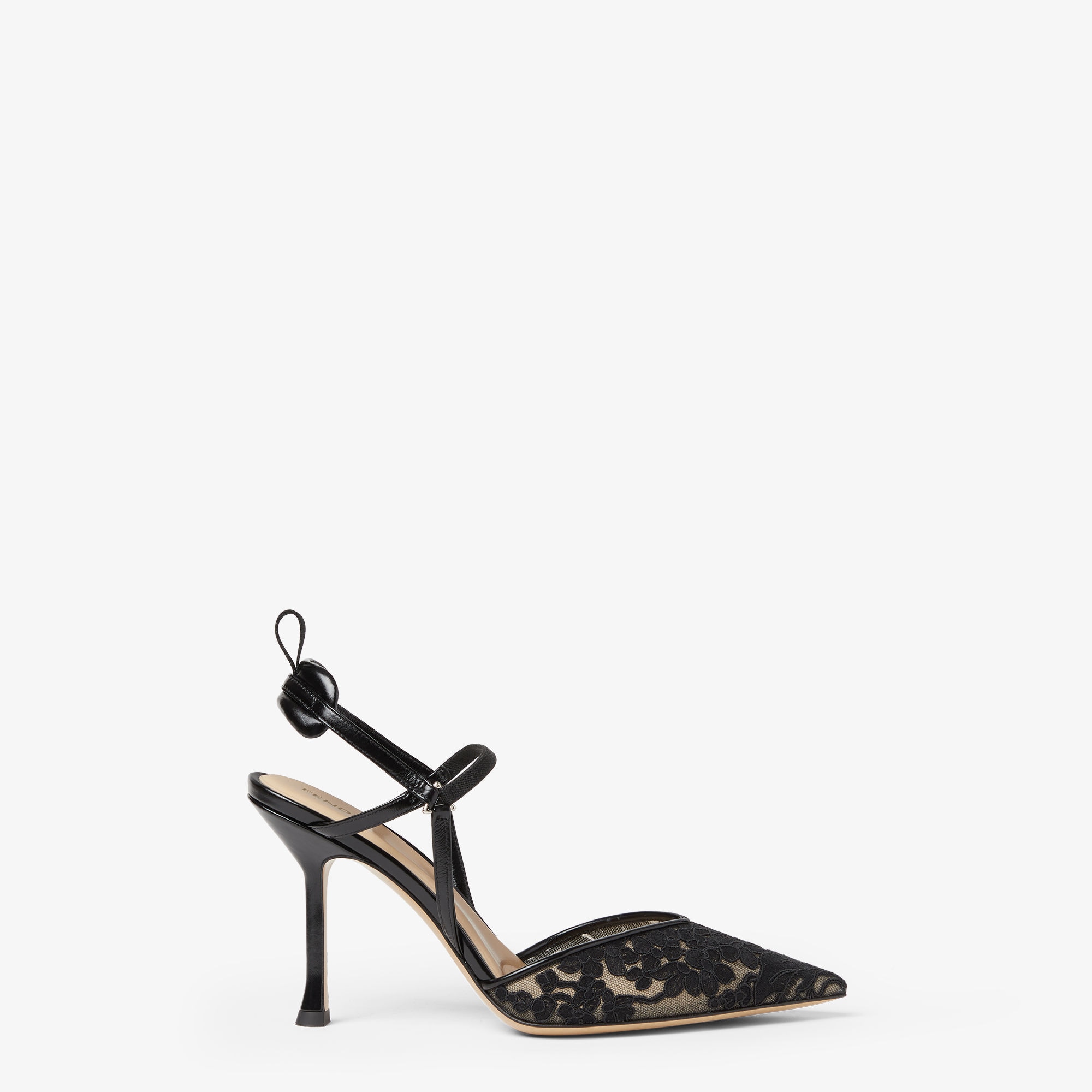
The shoe is harder to describe because it resists easy reference. It's not a ballet flat — there's too much structure in the vamp for that. It's not a loafer either, though the construction borrows from that vocabulary. What it is: a closed-toe flat with a slight almond toe, a topline that sits just below the ankle bone, and enough rigidity that it holds its shape when you're not wearing it. Fendi showed them in black patent, in tan suede, in a dark burgundy leather that looked almost brown under certain light. The heel is maybe half an inch, enough to keep the shoe from reading as bedroom slipper but not enough to register as height. This is the shoe for someone who decided she's done negotiating with discomfort but refuses to look like she's given up.
Then there's what isn't there. Fendi has always been a bag house — that's not in question. The Baguette wrote a chapter of Nineties accessory history that people are still annotating. But this season, a notable number of looks came down the runway without a bag at all. Not styled with a clutch tucked under an arm, not finished with a top-handle swinging from a wrist. Just the coat, the trouser, the shoe, the body. When a bag did appear, it was small and worn crossbody, or it was a soft pouch held in one hand like an afterthought. The message isn't that bags are over — Fendi will continue to sell bags, and people will continue to buy them. The message is that a look doesn't require one to be complete.
You see versions of this logic playing out elsewhere. The Row's Fall collection leaned into similar proportions: long coats, flat shoes, a studied lack of ornament. Toteme has been working this ground for three seasons now, refining the same silhouette until it stops feeling like a silhouette and starts feeling like a uniform. Jil Sander showed coats in comparable lengths, though with more volume through the body. Even Loro Piana, not typically known for making declarative statements, put forward a knee-length coat with a straight fall that echoed what Fendi was doing at the ankle.
What ties these collections together isn't a shared aesthetic so much as a shared assumption: that the person wearing these clothes has figured some things out. She's past the point where she needs a bag to announce her taste, or a heel to announce her presence, or a belt to announce her waist. She knows what fits her, and she knows that fit isn't the same as tight. The coat does its work by skimming, not by clinging. The shoe does its work by supporting, not by elevating. The outfit does its work by being coherent, not by being complete.
This isn't minimalism, which always carried a faint whiff of deprivation. This is reduction. You're not doing without; you're doing with less, and the less is doing more.
To dress in this for the next twelve months is to accept that the most interesting thing you can wear is a body that knows where it's going.